Theiss Juliane Marie, Günther Thomas, Alawi Malik, Neumann Friederike, Tessmer Uwe, Fischer Nicole, Grundhoff Adam
Research Group Virus Genomics, Heinrich Pette Institute, Leibniz Institute for Experimental Virology, Hamburg, Germany; Institute for Medical Microbiology, Virology and Hygiene, University Medical Center Hamburg-Eppendorf, Hamburg, Germany.
Research Group Virus Genomics, Heinrich Pette Institute, Leibniz Institute for Experimental Virology, Hamburg, Germany.
PLoS Pathog. 2015 Jul 28;11(7):e1004974. doi: 10.1371/journal.ppat.1004974. eCollection 2015 Jul.
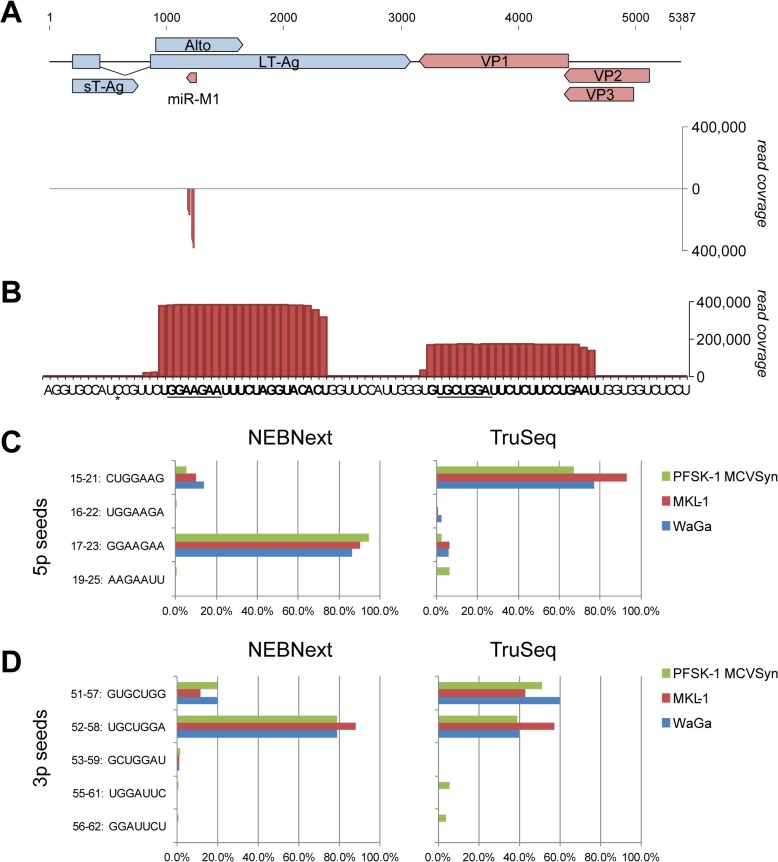
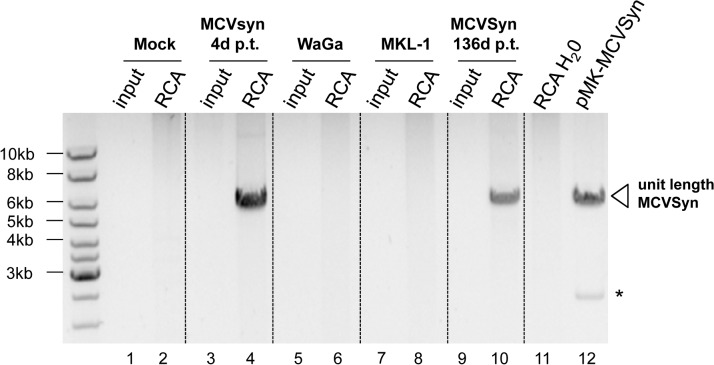
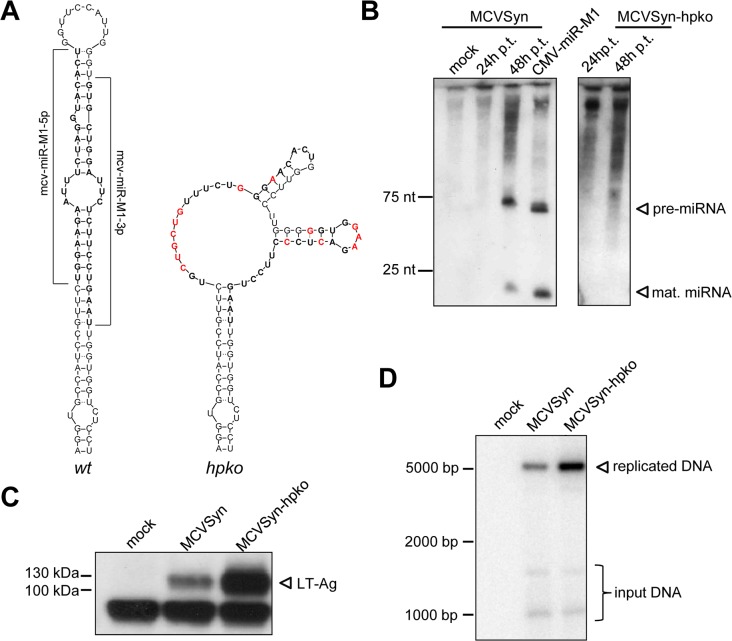
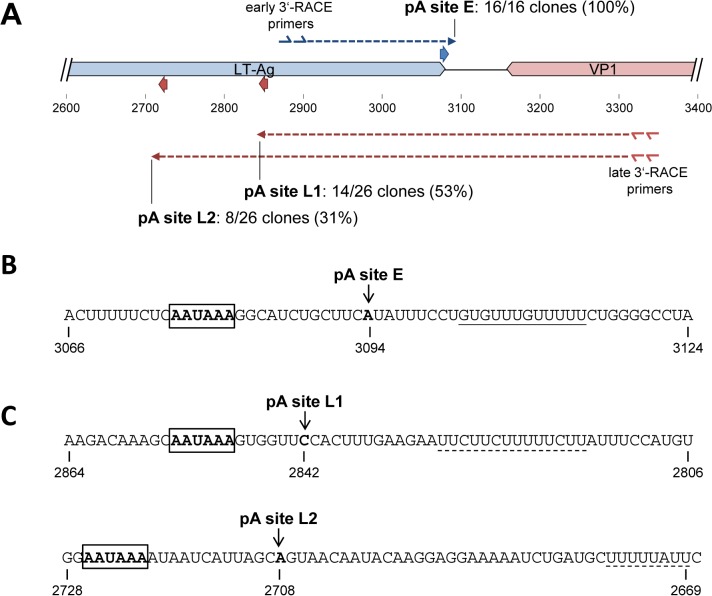
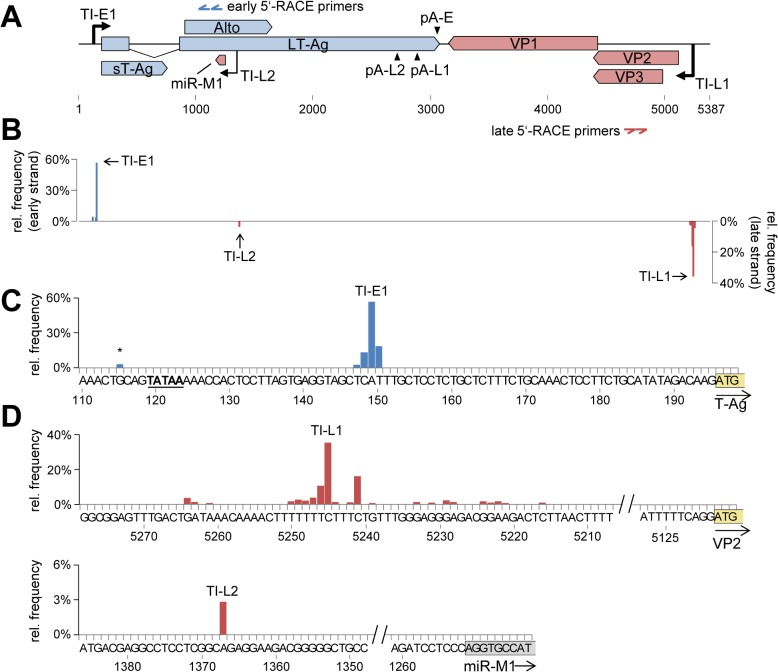
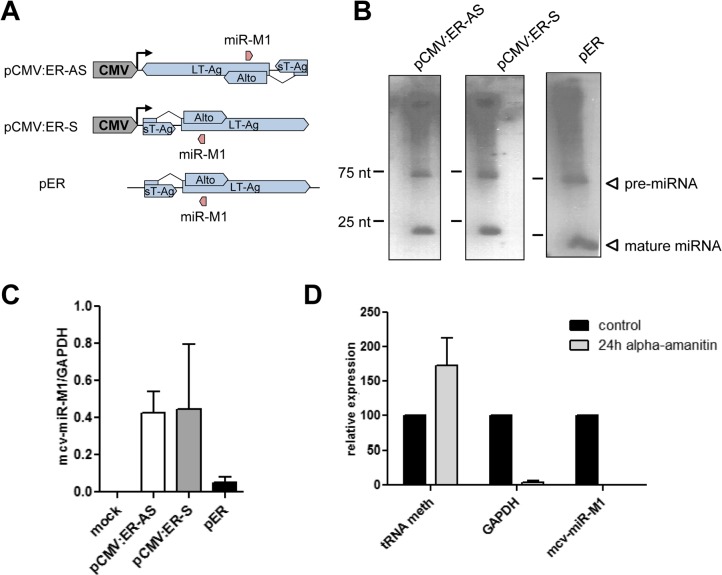
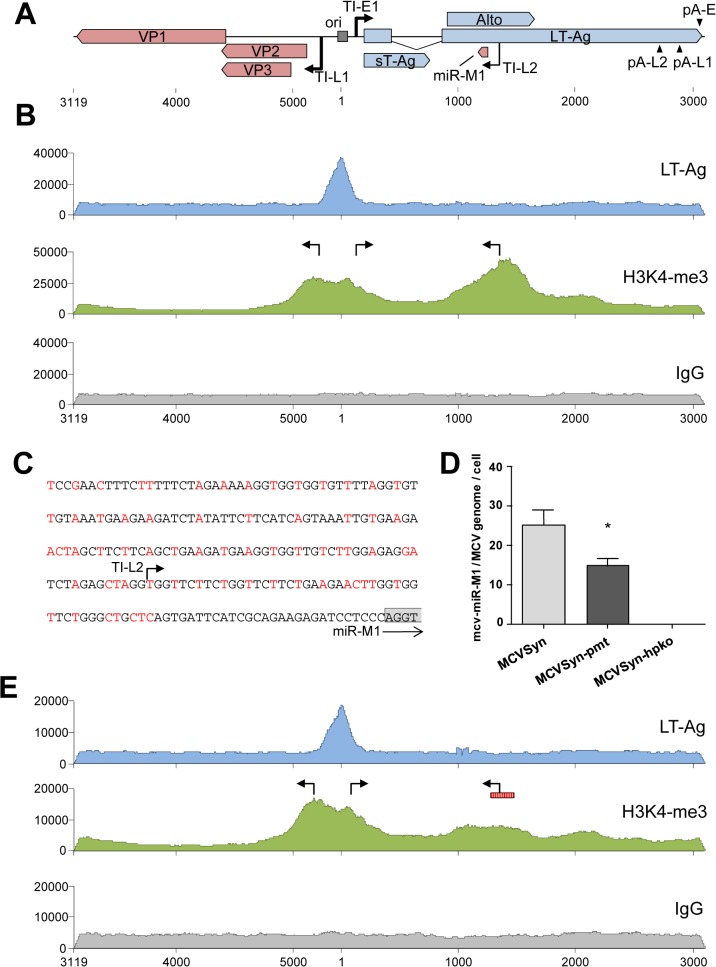
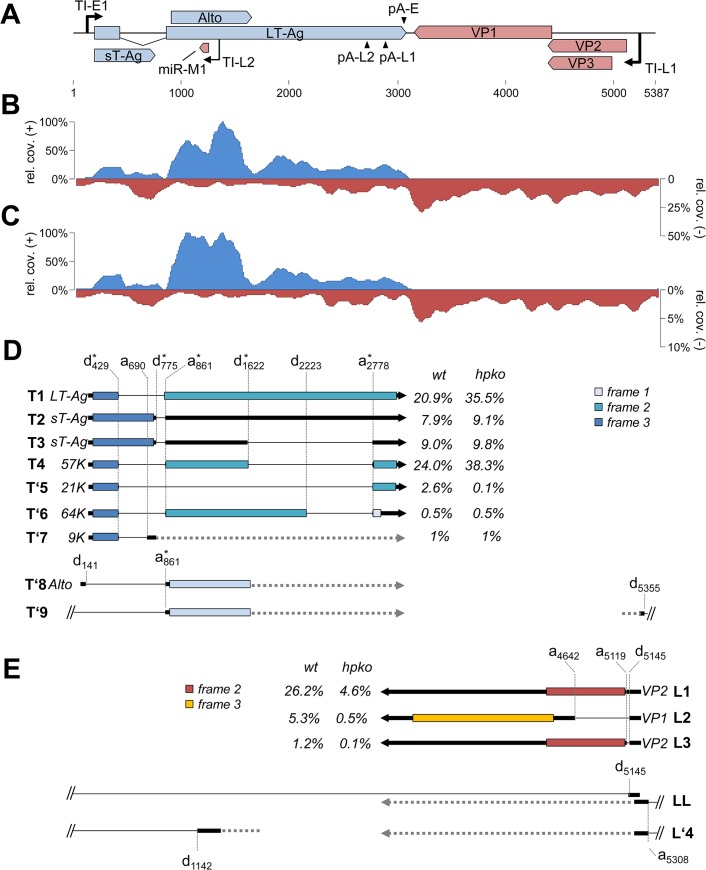
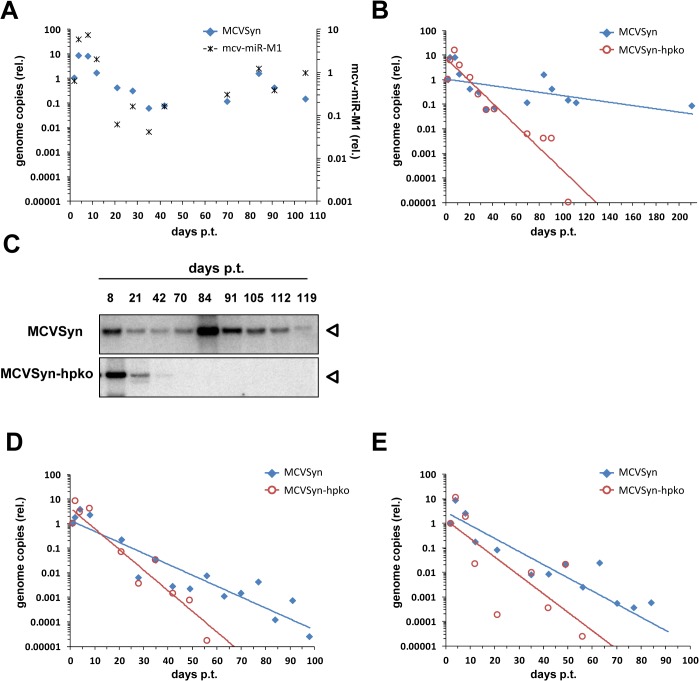
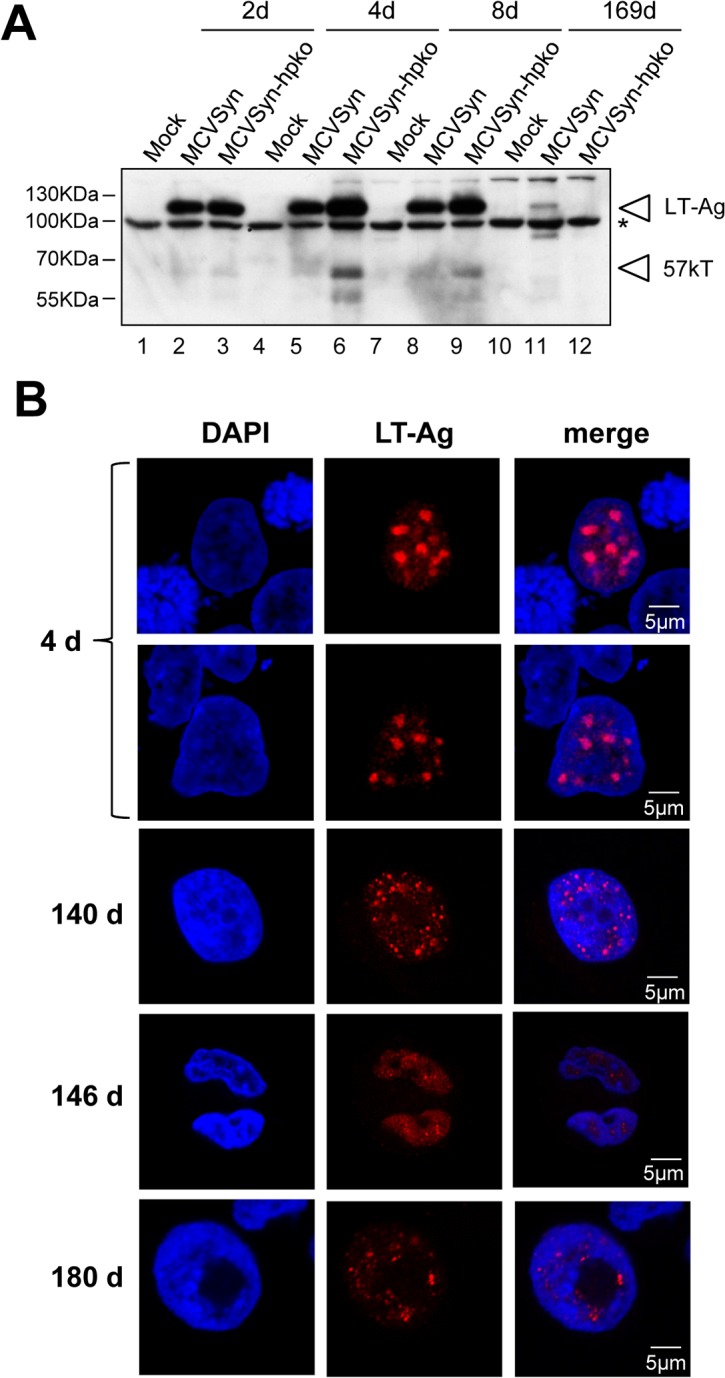
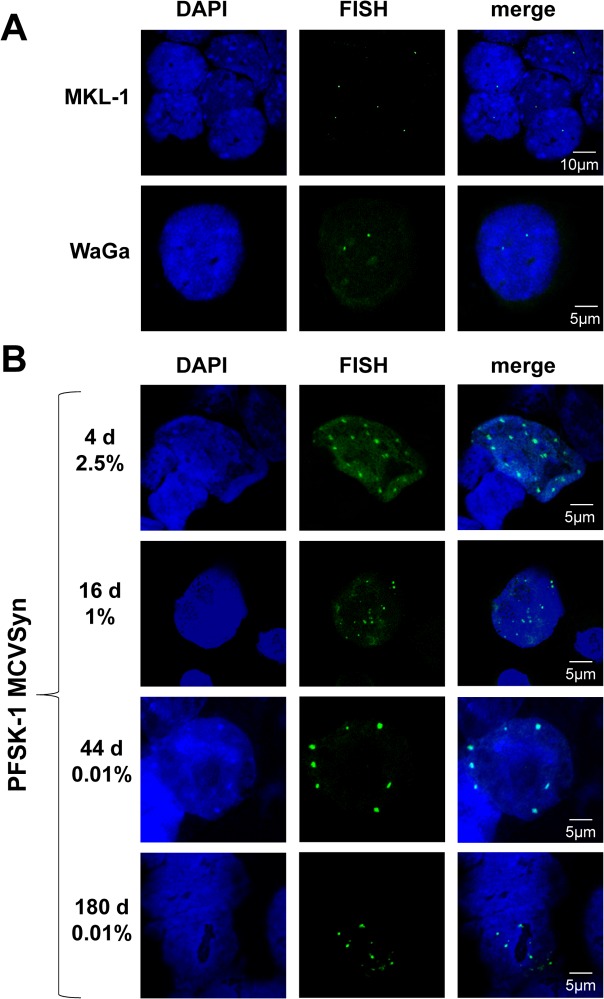
Merkel cell polyomavirus (MCPyV) is considered the etiological agent of Merkel cell carcinoma and persists asymptomatically in the majority of its healthy hosts. Largely due to the lack of appropriate model systems, the mechanisms of viral replication and MCPyV persistence remain poorly understood. Using a semi-permissive replication system, we here report a comprehensive analysis of the role of the MCPyV-encoded microRNA (miRNA) mcv-miR-M1 during short and long-term replication of authentic MCPyV episomes. We demonstrate that cells harboring intact episomes express high levels of the viral miRNA, and that expression of mcv-miR-M1 limits DNA replication. Furthermore, we present RACE, RNA-seq and ChIP-seq studies which allow insight in the viral transcription program and mechanisms of miRNA expression. While our data suggest that mcv-miR-M1 can be expressed from canonical late strand transcripts, we also present evidence for the existence of an independent miRNA promoter that is embedded within early strand coding sequences. We also report that MCPyV genomes can establish episomal persistence in a small number of cells for several months, a time period during which viral DNA as well as LT-Ag and viral miRNA expression can be detected via western blotting, FISH, qPCR and southern blot analyses. Strikingly, despite enhanced replication in short term DNA replication assays, a mutant unable to express the viral miRNA was severely limited in its ability to establish long-term persistence. Our data suggest that MCPyV may have evolved strategies to enter a non- or low level vegetative stage of infection which could aid the virus in establishing and maintaining a lifelong persistence.
默克尔细胞多瘤病毒(MCPyV)被认为是默克尔细胞癌的病原体,并且在大多数健康宿主中无症状地持续存在。很大程度上由于缺乏合适的模型系统,病毒复制和MCPyV持续存在的机制仍知之甚少。利用一个半允许复制系统,我们在此报告了对MCPyV编码的微小RNA(miRNA)mcv-miR-M1在真实MCPyV附加体短期和长期复制过程中作用的全面分析。我们证明,携带完整附加体的细胞表达高水平的病毒miRNA,并且mcv-miR-M1的表达限制DNA复制。此外,我们展示了RACE、RNA测序和ChIP测序研究,这些研究有助于深入了解病毒转录程序和miRNA表达机制。虽然我们的数据表明mcv-miR-M1可以从典型的晚期链转录本中表达,但我们也提供了存在一个独立miRNA启动子的证据,该启动子嵌入早期链编码序列中。我们还报告说,MCPyV基因组可以在少数细胞中建立附加体持续存在数月,在此期间可以通过蛋白质免疫印迹、荧光原位杂交、定量PCR和Southern印迹分析检测到病毒DNA以及大T抗原(LT-Ag)和病毒miRNA的表达。引人注目的是,尽管在短期DNA复制试验中复制增强,但一个无法表达病毒miRNA的突变体在建立长期持续存在的能力方面受到严重限制。我们的数据表明,MCPyV可能已经进化出进入非或低水平感染营养阶段的策略,这可能有助于病毒建立和维持终身持续存在。