Zibara Kazem, Awada Zahraa, Dib Leila, El-Saghir Jamal, Al-Ghadban Sara, Ibrik Aida, El-Zein Nabil, El-Sabban Marwan
ER045 - Laboratory of Stem Cells, PRASE, Biology Department, Faculty of Sciences, Lebanese University, Beirut, Lebanon.
Department of Anatomy, Cell Biology and Physiological Sciences, Faculty of Medicine, American University of Beirut, Beirut, Lebanon.
Sci Rep. 2015 Jul 28;5:12598. doi: 10.1038/srep12598.
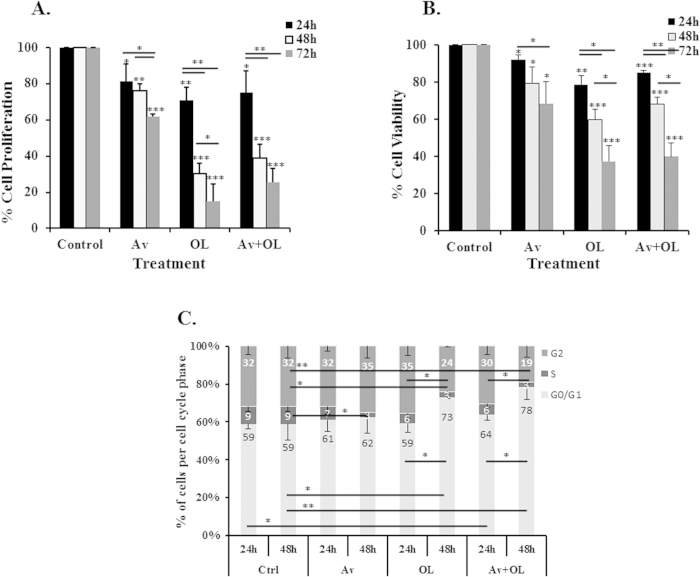
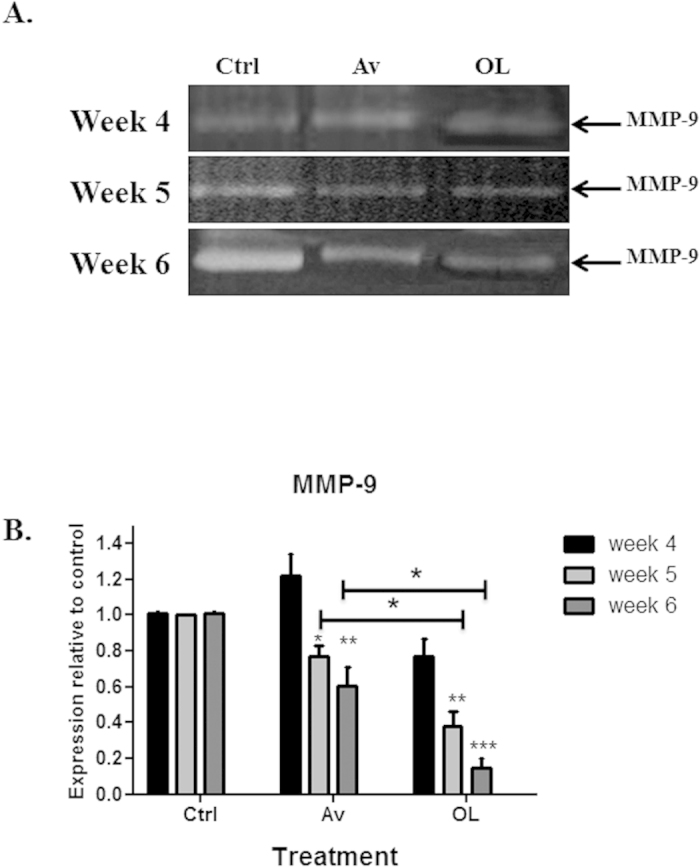
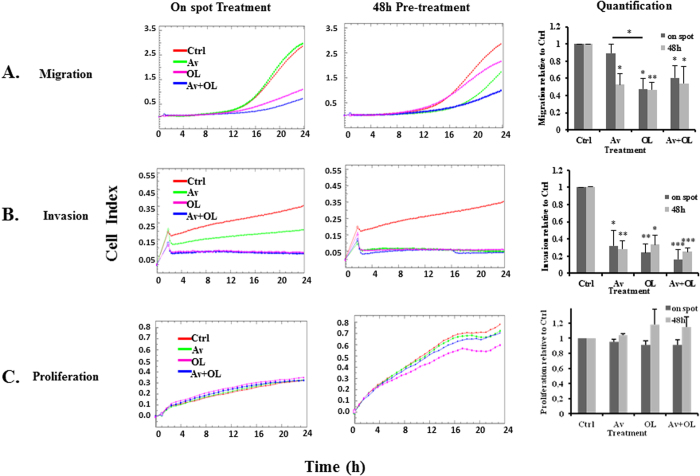
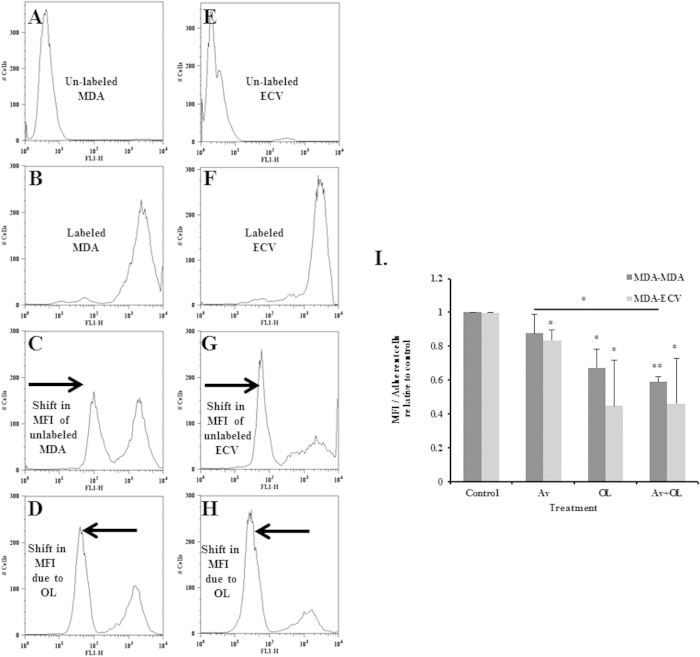
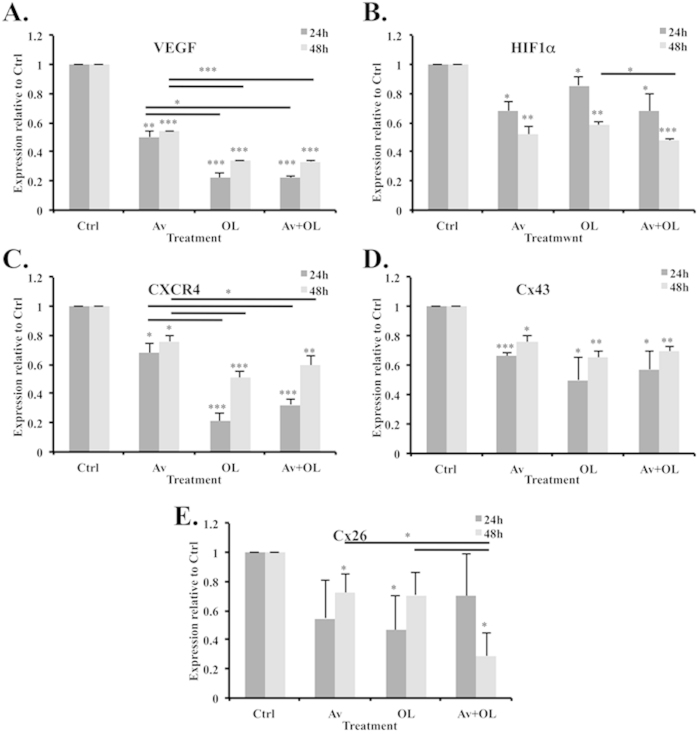
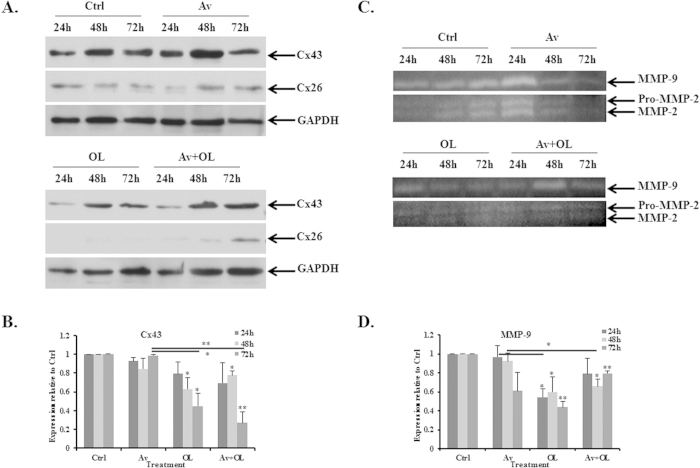
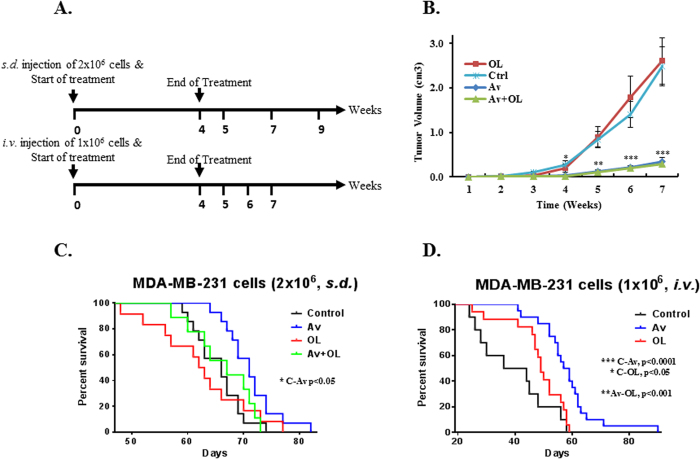
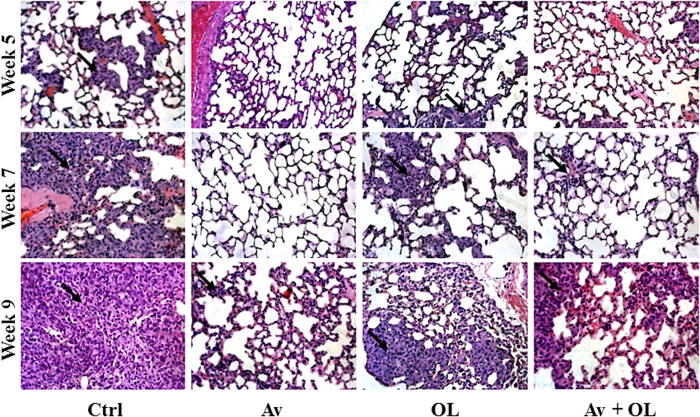
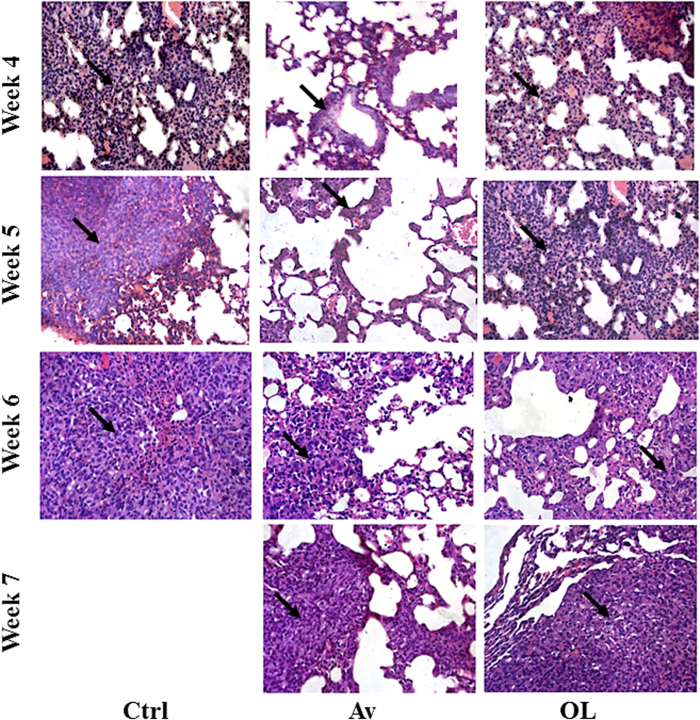
Cancer cells secrete VEGF, which plays a key role in their growth, invasion, extravasation and metastasis. Direct cancer cell-endothelial cell interaction, mediated by gap junctions, is of critical importance in the extravasation process. In this study, we evaluated avastin (Av), an anti-VEGF antibody; and oleamide (OL), a gap junction inhibitor, using MDA-MB-231 human breast cancer cells in vitro and a xenograft murine model in vivo. Results showed that Av/OL significantly decreased proliferation, induced cell cycle arrest and decreased migration and invasion of MDA-MB-231 cells in vitro. In addition, Av/OL significantly decreased homo and hetero-cellular communication interaction between MDA-MDA and MDA-endothelial cells, respectively. The expression levels of several factors including VEGF, HIF1α, CXCR4, Cx26, Cx43, and MMP9 were attenuated upon Av/OL treatment in vitro. On the other hand, avastin, but not oleamide, reduced tumor size of NSG mice injected subdermally (s.d.) with MDA-MB-231 cells, which was also associated with increased survival. Furthermore, Av but also OL, separately, significantly increased the survival rate, and reduced pulmonary and hepatic metastatic foci, of intravenously (i.v.) injected mice. Finally, OL reduced MMP9 protein expression levels, better than Av and in comparisons to control, in the lungs of MDA-MB-231 i.v. injected NSG mice. In conclusion, while avastin has anti-angiogenic, anti-tumor and anti-metastatic activities, oleamide has anti-metastatic activity, presumably at the extravasation level, providing further evidence for the role of gap junction intercellular communication (GJIC) in cancer cell extravasation.
癌细胞分泌血管内皮生长因子(VEGF),其在癌细胞的生长、侵袭、外渗和转移中起关键作用。由缝隙连接介导的癌细胞与内皮细胞的直接相互作用在癌细胞外渗过程中至关重要。在本研究中,我们在体外使用MDA-MB-231人乳腺癌细胞以及在体内使用异种移植小鼠模型,评估了抗VEGF抗体阿瓦斯汀(Av)和缝隙连接抑制剂油酰胺(OL)。结果显示,Av/OL在体外显著降低了MDA-MB-231细胞的增殖,诱导细胞周期停滞,并减少其迁移和侵袭。此外,Av/OL分别显著降低了MDA-MDA细胞之间以及MDA与内皮细胞之间的同型和异型细胞通讯相互作用。在体外经Av/OL处理后,包括VEGF、低氧诱导因子1α(HIF1α)、CXC趋化因子受体4(CXCR4)、连接蛋白26(Cx26)、连接蛋白43(Cx43)和基质金属蛋白酶9(MMP9)在内的几种因子的表达水平均降低。另一方面,阿瓦斯汀可减小皮下注射(s.d.)MDA-MB-231细胞的NSG小鼠的肿瘤大小,油酰胺则无此作用,这也与生存率提高相关。此外,单独使用Av或OL均可显著提高静脉注射(i.v.)小鼠的生存率,并减少肺和肝转移灶。最后,在静脉注射MDA-MB-231的NSG小鼠的肺中,OL比Av更能降低MMP9蛋白表达水平,且优于对照组。总之,阿瓦斯汀具有抗血管生成、抗肿瘤和抗转移活性,而油酰胺具有抗转移活性,可能作用于外渗水平,这为缝隙连接细胞间通讯(GJIC)在癌细胞外渗中的作用提供了进一步证据。