Oláh Gábor, Szczesny Bartosz, Brunyánszki Attila, López-García Isabel A, Gerö Domokos, Radák Zsolt, Szabo Csaba
Department of Anesthesiology, The University of Texas Medical Branch, Galveston, TX, United States of America.
Department of Anesthesiology, The University of Texas Medical Branch, Galveston, TX, United States of America; Shriners Hospital for Children, Galveston, TX, United States of America.
PLoS One. 2015 Jul 28;10(7):e0134227. doi: 10.1371/journal.pone.0134227. eCollection 2015.
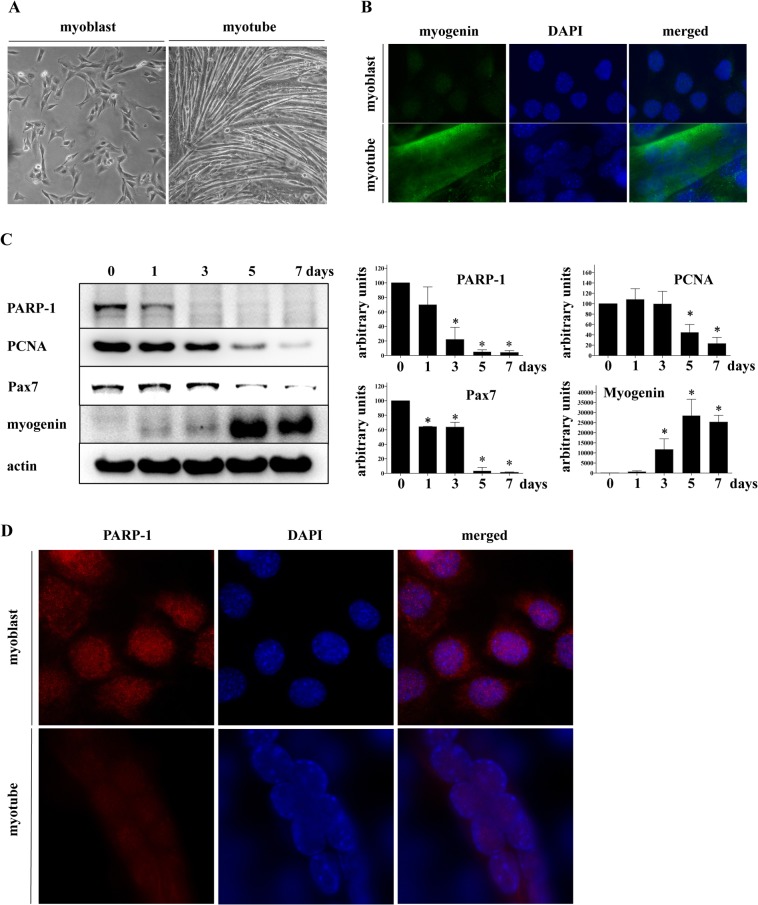
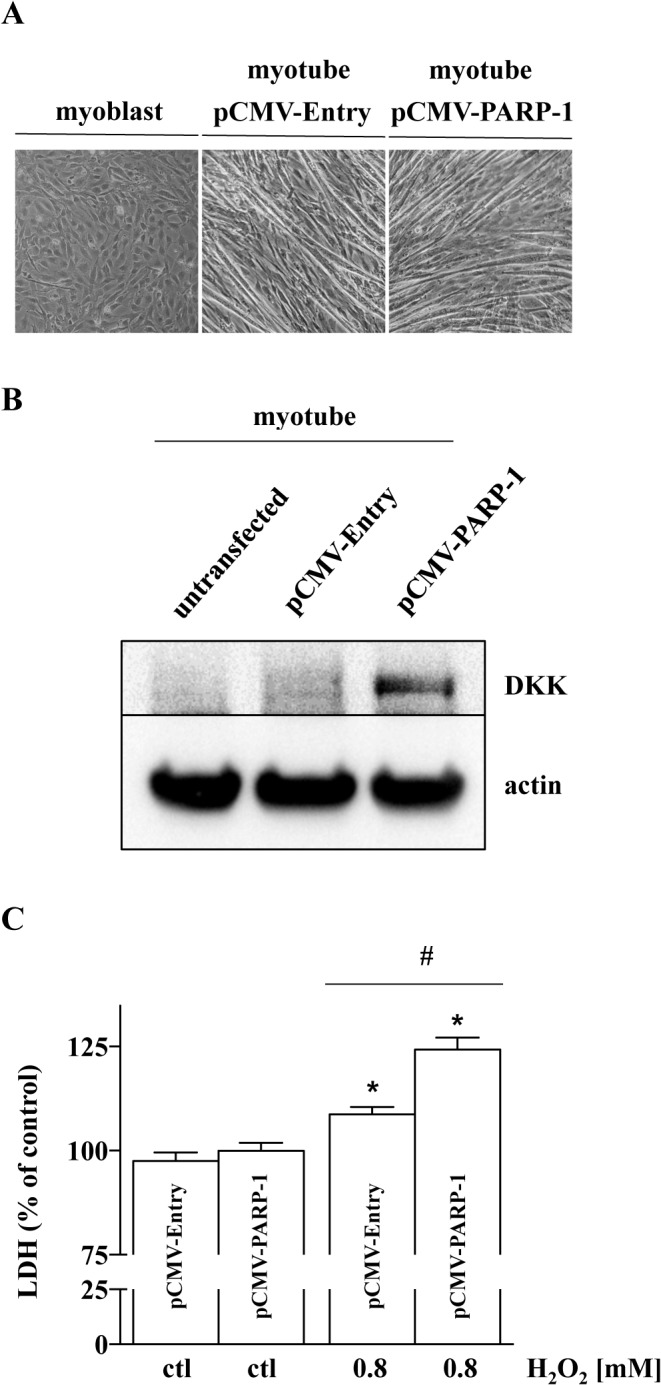
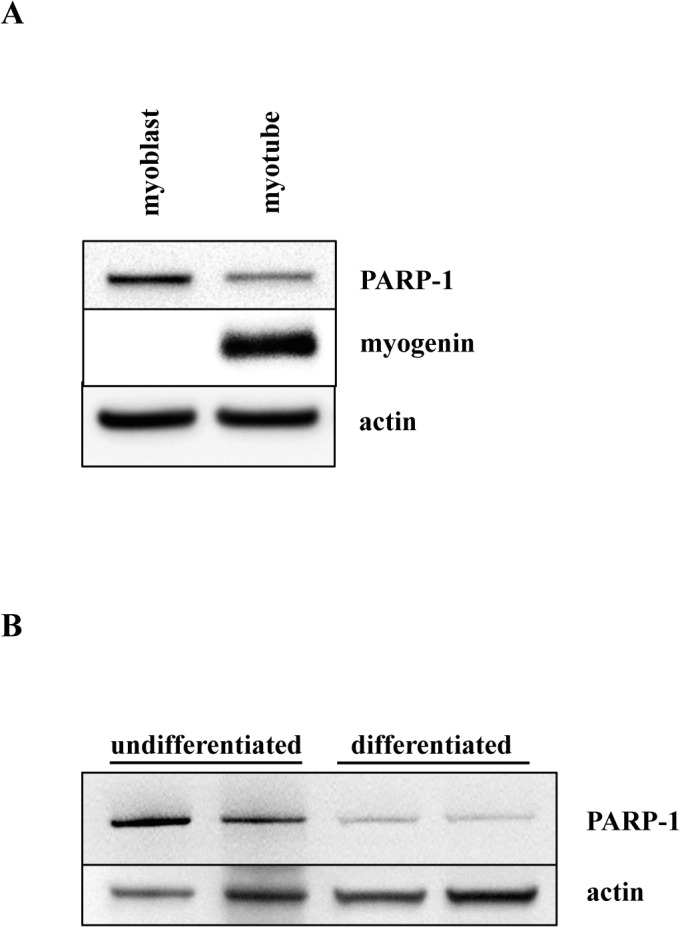
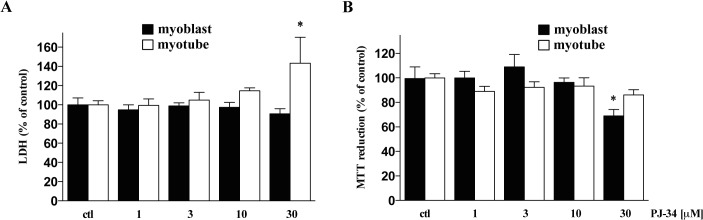
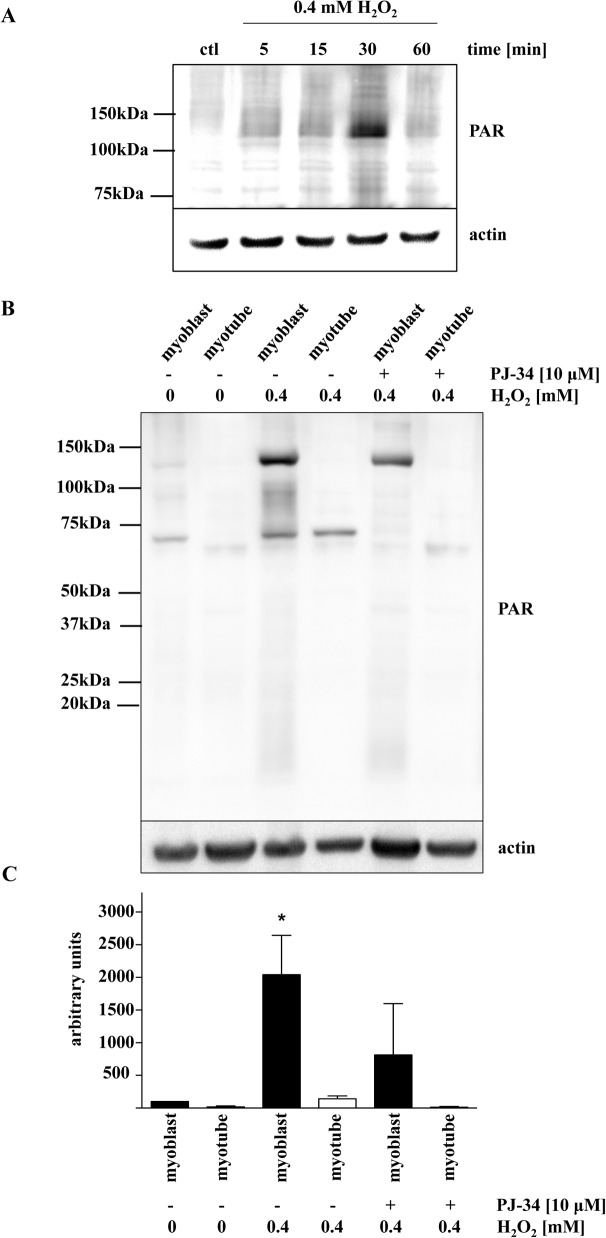
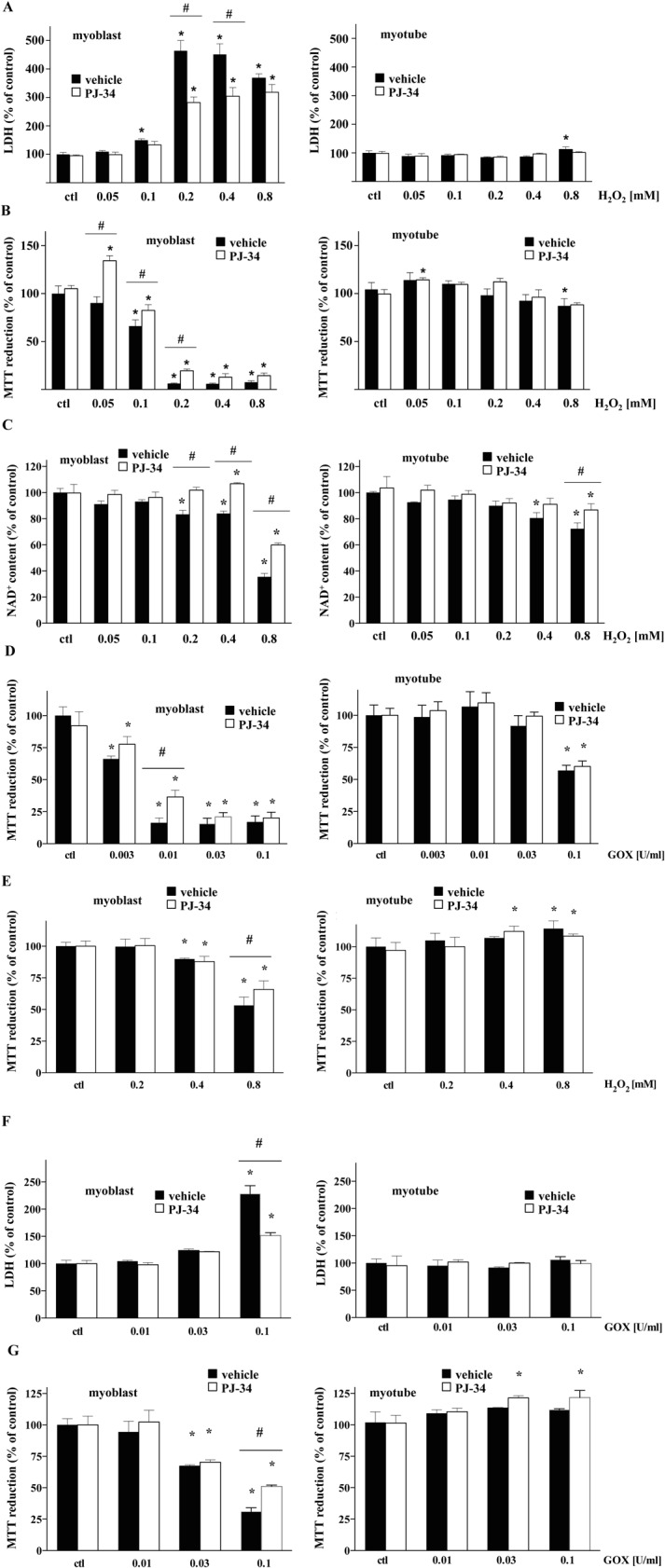
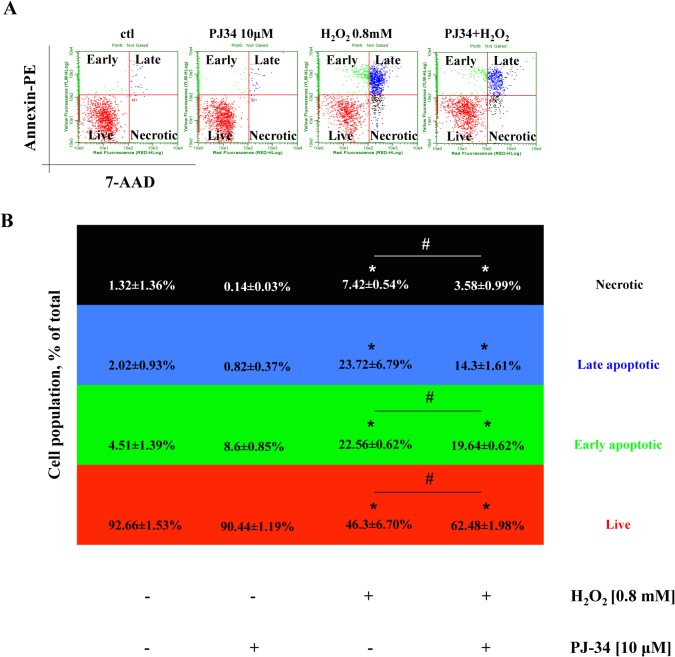
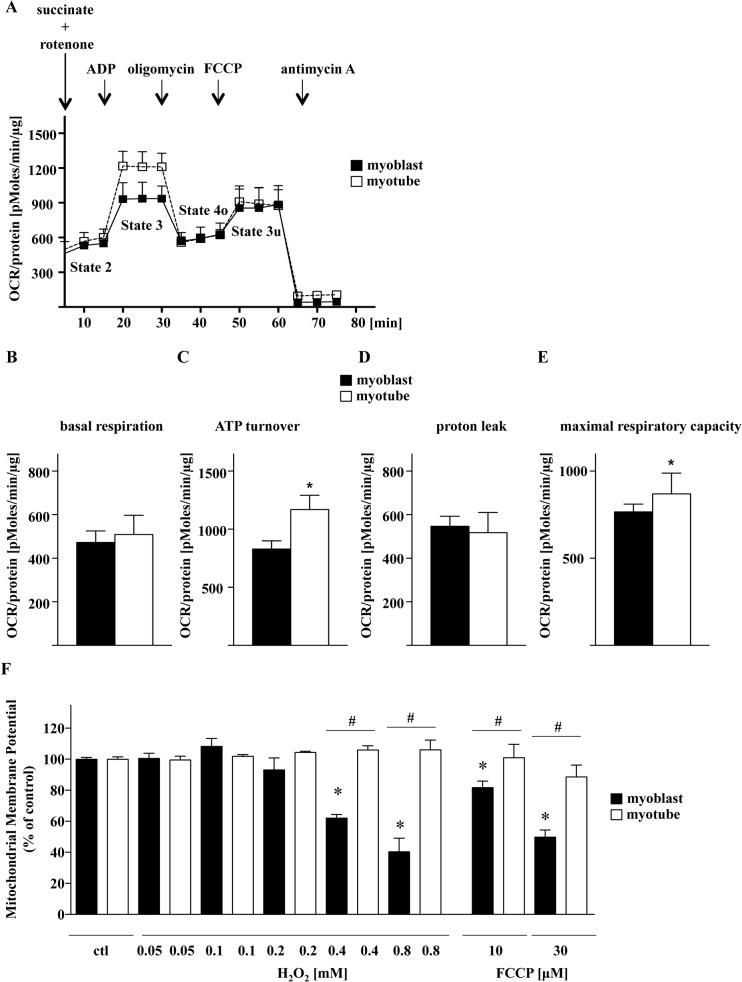
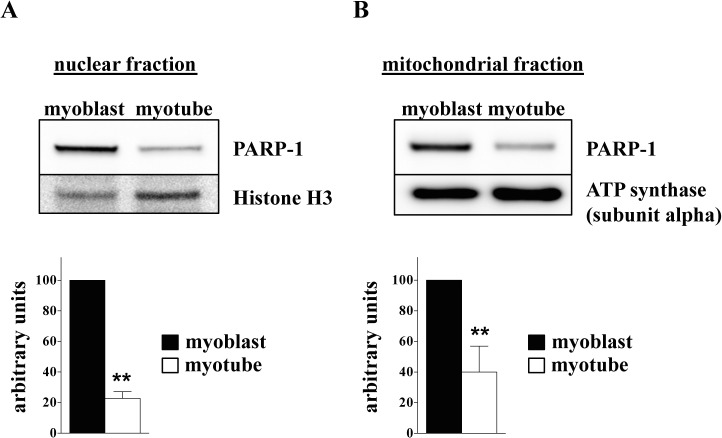
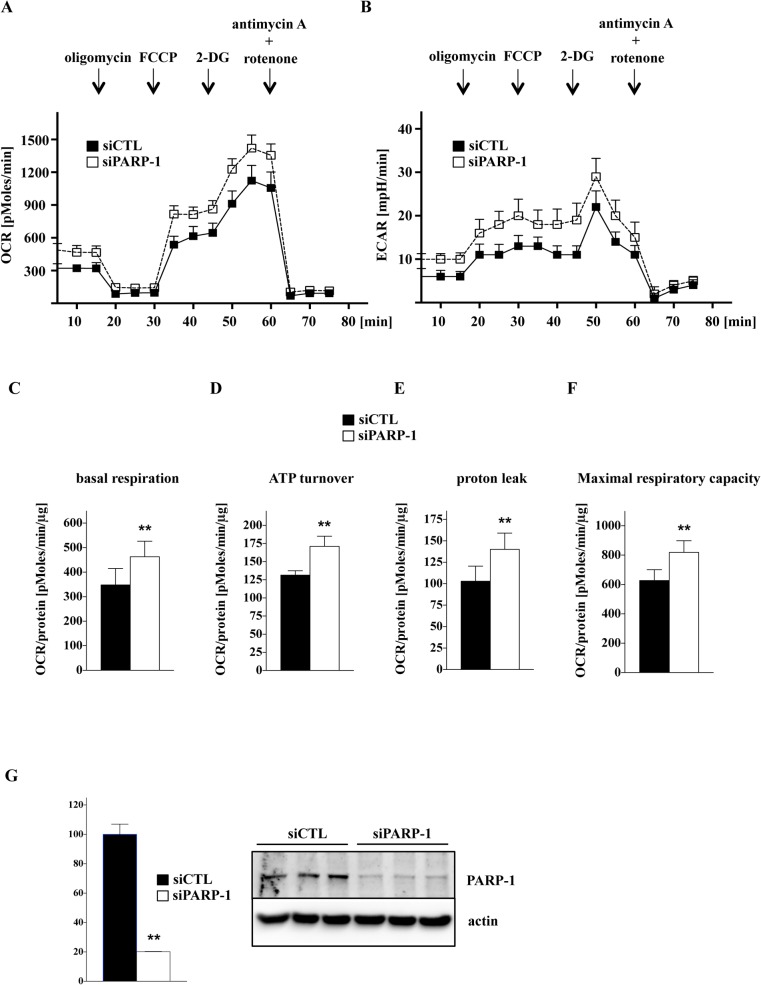
Poly(ADP-ribose) polymerase 1 (PARP-1), the major isoform of the poly (ADP-ribose) polymerase family, is a constitutive nuclear and mitochondrial protein with well-recognized roles in various essential cellular functions such as DNA repair, signal transduction, apoptosis, as well as in a variety of pathophysiological conditions including sepsis, diabetes and cancer. Activation of PARP-1 in response to oxidative stress catalyzes the covalent attachment of the poly (ADP-ribose) (PAR) groups on itself and other acceptor proteins, utilizing NAD+ as a substrate. Overactivation of PARP-1 depletes intracellular NAD+ influencing mitochondrial electron transport, cellular ATP generation and, if persistent, can result in necrotic cell death. Due to their high metabolic activity, skeletal muscle cells are particularly exposed to constant oxidative stress insults. In this study, we investigated the role of PARP-1 in a well-defined model of murine skeletal muscle differentiation (C2C12) and compare the responses to oxidative stress of undifferentiated myoblasts and differentiated myotubes. We observed a marked reduction of PARP-1 expression as myoblasts differentiated into myotubes. This alteration correlated with an increased resistance to oxidative stress of the myotubes, as measured by MTT and LDH assays. Mitochondrial function, assessed by measuring mitochondrial membrane potential, was preserved under oxidative stress in myotubes compared to myoblasts. Moreover, basal respiration, ATP synthesis, and the maximal respiratory capacity of mitochondria were higher in myotubes than in myoblasts. Inhibition of the catalytic activity of PARP-1 by PJ34 (a phenanthridinone PARP inhibitor) exerted greater protective effects in undifferentiated myoblasts than in differentiated myotubes. The above observations in C2C12 cells were also confirmed in a rat-derived skeletal muscle cell line (L6). Forced overexpression of PARP1 in C2C12 myotubes sensitized the cells to oxidant-induced injury. Taken together, our data indicate that the reduction of PARP-1 expression during the process of the skeletal muscle differentiation serves as a protective mechanism to maintain the cellular functions of skeletal muscle during oxidative stress.
聚(ADP - 核糖)聚合酶1(PARP - 1)是聚(ADP - 核糖)聚合酶家族的主要亚型,是一种组成型的核蛋白和线粒体蛋白,在DNA修复、信号转导、细胞凋亡等各种基本细胞功能以及包括败血症、糖尿病和癌症在内的多种病理生理状况中发挥着广为人知的作用。PARP - 1在氧化应激反应中被激活,以NAD⁺为底物,催化聚(ADP - 核糖)(PAR)基团自身及其他受体蛋白的共价连接。PARP - 1的过度激活会消耗细胞内的NAD⁺,影响线粒体电子传递、细胞ATP生成,若持续存在,可导致坏死性细胞死亡。由于其高代谢活性,骨骼肌细胞特别容易受到持续氧化应激损伤。在本研究中,我们研究了PARP - 1在明确的小鼠骨骼肌分化模型(C2C12)中的作用,并比较了未分化的成肌细胞和分化的肌管对氧化应激的反应。我们观察到,随着成肌细胞分化为肌管,PARP - 1表达显著降低。通过MTT和LDH测定法测量,这种变化与肌管对氧化应激的抵抗力增加相关。与成肌细胞相比,通过测量线粒体膜电位评估的线粒体功能在肌管的氧化应激下得以保留。此外,肌管中线粒体的基础呼吸、ATP合成和最大呼吸能力均高于成肌细胞。PJ34(一种菲啶酮PARP抑制剂)对PARP - 1催化活性的抑制在未分化的成肌细胞中比在分化的肌管中发挥更大的保护作用。在大鼠来源的骨骼肌细胞系(L6)中也证实了C2C12细胞中的上述观察结果。在C2C12肌管中强制过表达PARP1会使细胞对氧化剂诱导的损伤敏感。综上所述,我们的数据表明,骨骼肌分化过程中PARP - 1表达的降低是一种保护机制,可在氧化应激期间维持骨骼肌的细胞功能。