Hammerl Emily E, Baier Melissa A, Reinhard Karl J
Department of Anthropology and Forensic Science Program, University of Nebraska-Lincoln, Lincoln, Nebraska, United States of America.
Buffalo National River, National Parks Service, Harrison, Arkansas, United States of America.
PLoS One. 2015 Jul 31;10(7):e0133710. doi: 10.1371/journal.pone.0133710. eCollection 2015.
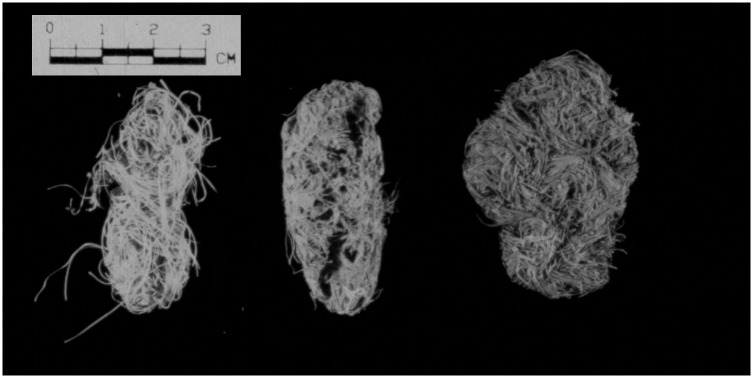
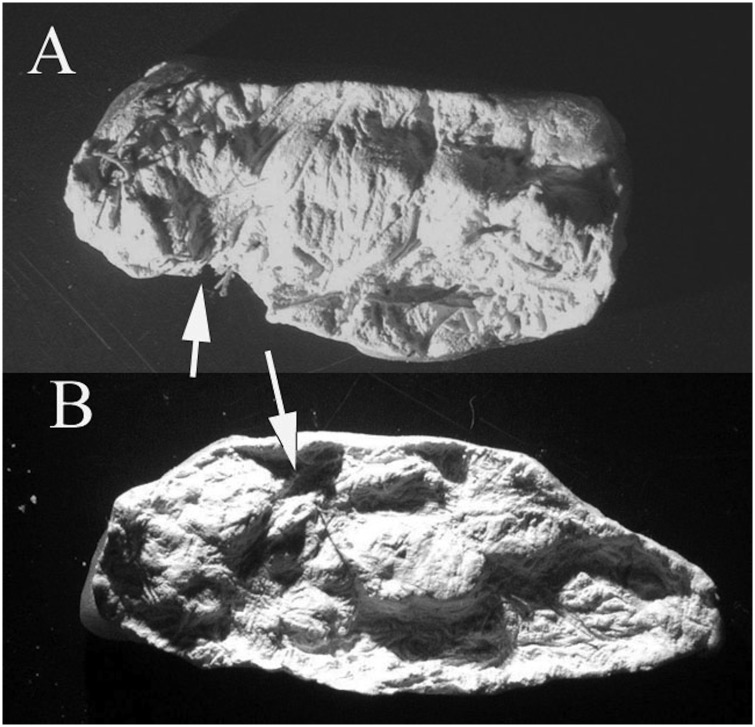
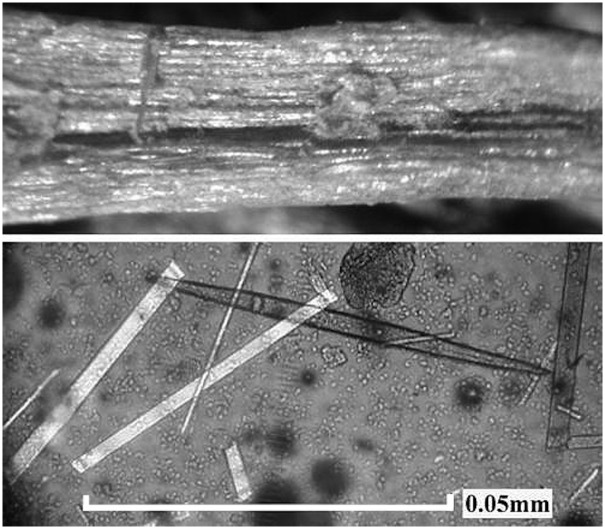
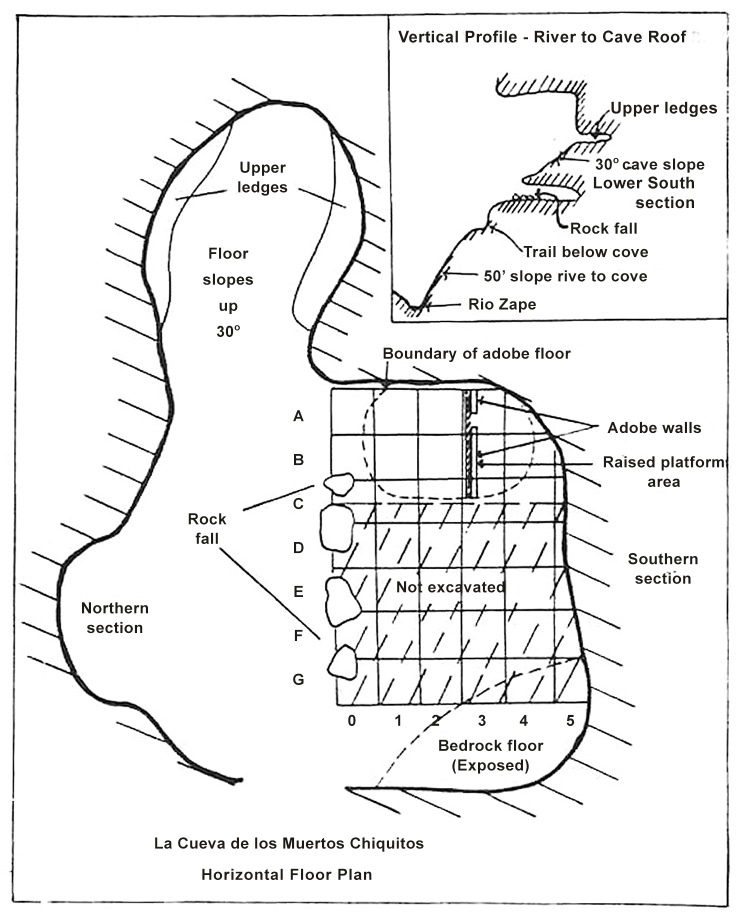
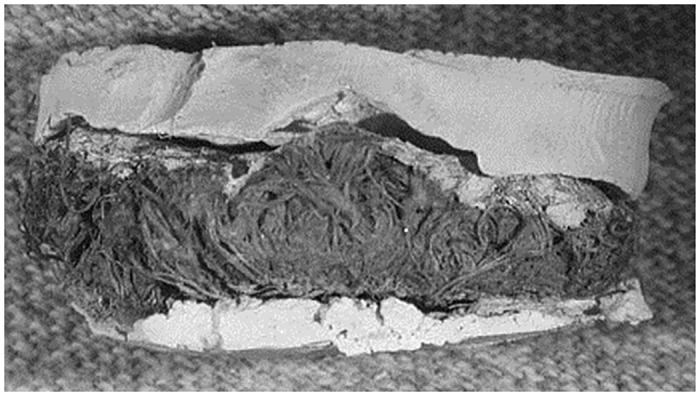
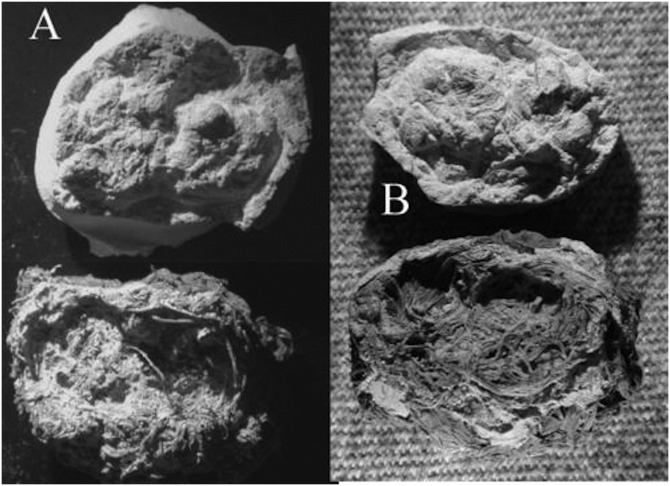
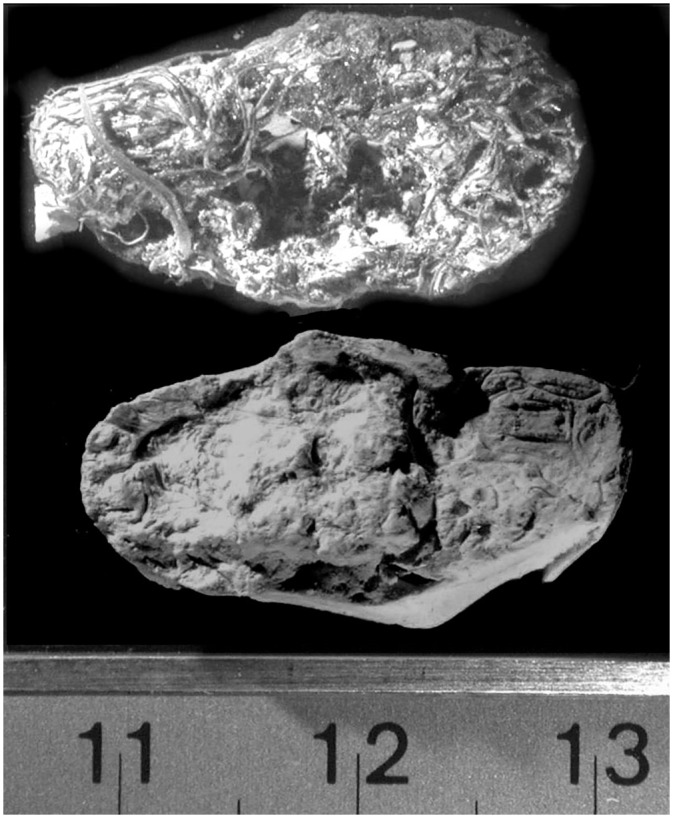
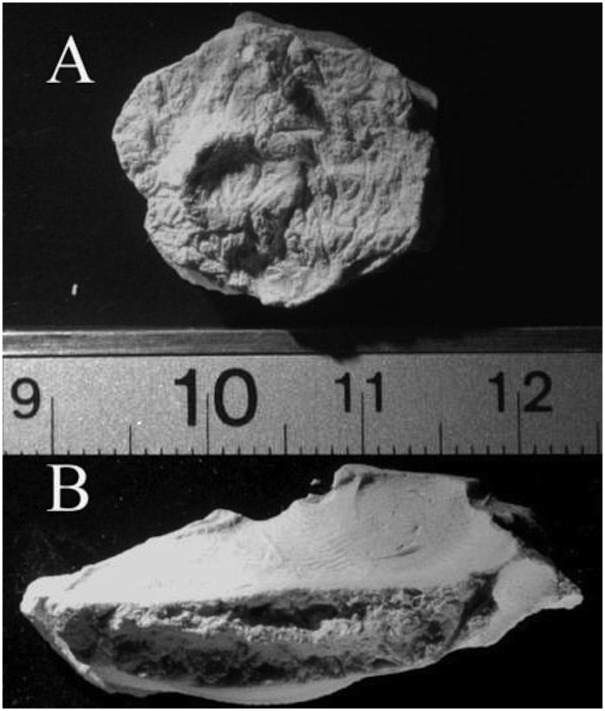
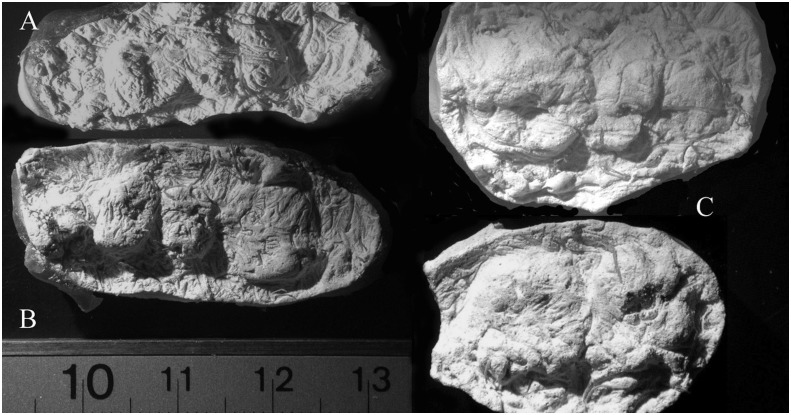
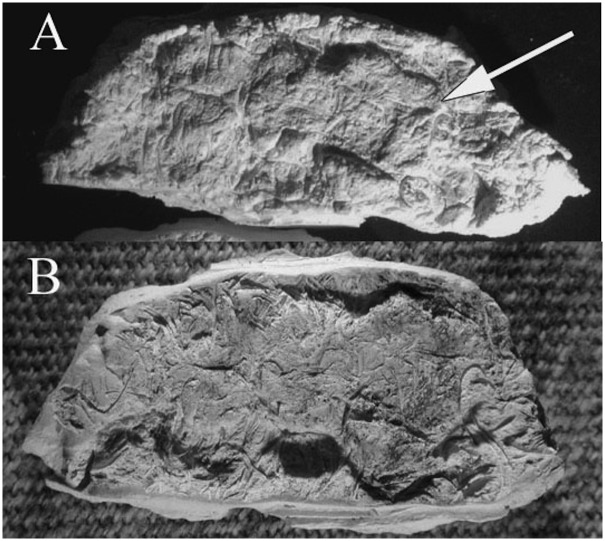
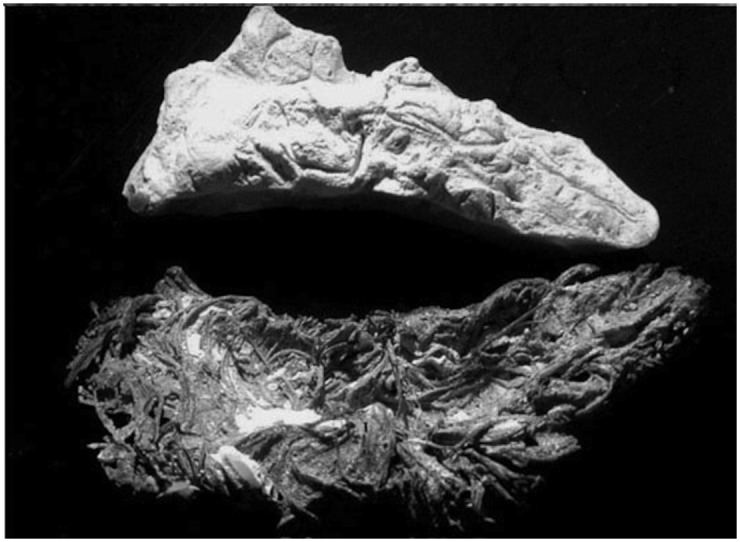
Agave quid chewing is examined as a potential contributing behavior to hunter-gatherer dental wear. It has previously been hypothesized that the contribution of Agave quid chewing to dental wear would be observed in communities wherever phytolith-rich desert succulents were part of subsistence. Previous analysis of coprolites from a prehistoric agricultural site, La Cueva de los Muertos Chiquitos in Durango, Mexico, showed that Agave was a consistent part of a diverse diet. Therefore, quids recovered at this site ought to be useful materials to test the hypothesis that dental wear was related to desert succulent consumption. The quids recovered from the site were found to be largely derived from chewing Agave. In this study, the quids were found to be especially rich in phytoliths, and analysis of dental casts made from impressions left in the quids revealed flat wear and dental attrition similar to that of Agave-reliant hunter-gatherers. Based on evidence obtained from the analysis of quids, taken in combination with results from previous studies, it is determined that Agave quid chewing was a likely contributing factor to dental wear in this population. As such, our method provides an additional avenue of dental research in areas where quids are present.
龙舌兰咀嚼物被视为一种可能导致狩猎采集者牙齿磨损的行为。此前曾有人推测,在任何以富含植硅体的沙漠多肉植物为生存资源一部分的社区,都能观察到龙舌兰咀嚼物对牙齿磨损的影响。此前对墨西哥杜兰戈一处史前农业遗址——小死者洞穴出土的粪化石进行分析后发现,龙舌兰是多样化饮食中持续存在的一部分。因此,在该遗址发现的咀嚼物应该是检验牙齿磨损与沙漠多肉植物消费有关这一假设的有用材料。从该遗址回收的咀嚼物被发现主要来自龙舌兰咀嚼。在这项研究中,发现这些咀嚼物富含植硅体,对从咀嚼物留下的印记制作的牙模进行分析后发现,其磨损和牙齿磨耗与依赖龙舌兰的狩猎采集者相似。根据对咀嚼物分析获得的证据,并结合此前研究的结果,确定龙舌兰咀嚼物是导致该人群牙齿磨损的一个可能因素。因此,我们的方法为存在咀嚼物的地区提供了一条额外的牙齿研究途径。