Section on Pathophysiology and Molecular Pharmacology, Joslin Diabetes Center, Boston, MA, USA.
Department of Microbiology, Harvard Medical School, Boston, MA, USA.
Nature. 2021 Jun;594(7862):234-239. doi: 10.1038/s41586-021-03532-0. Epub 2021 May 12.
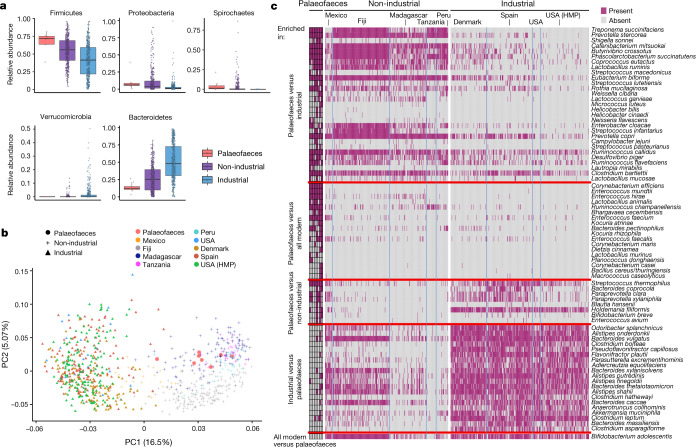
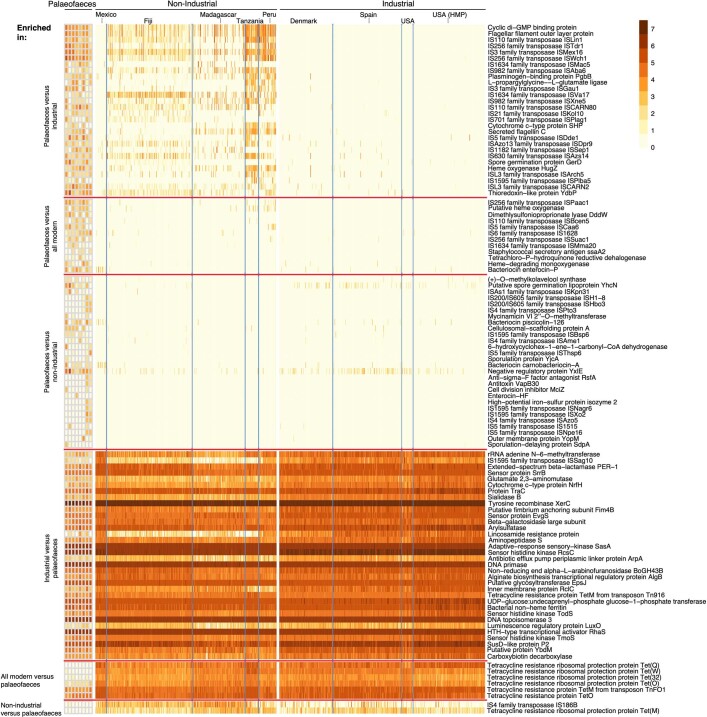
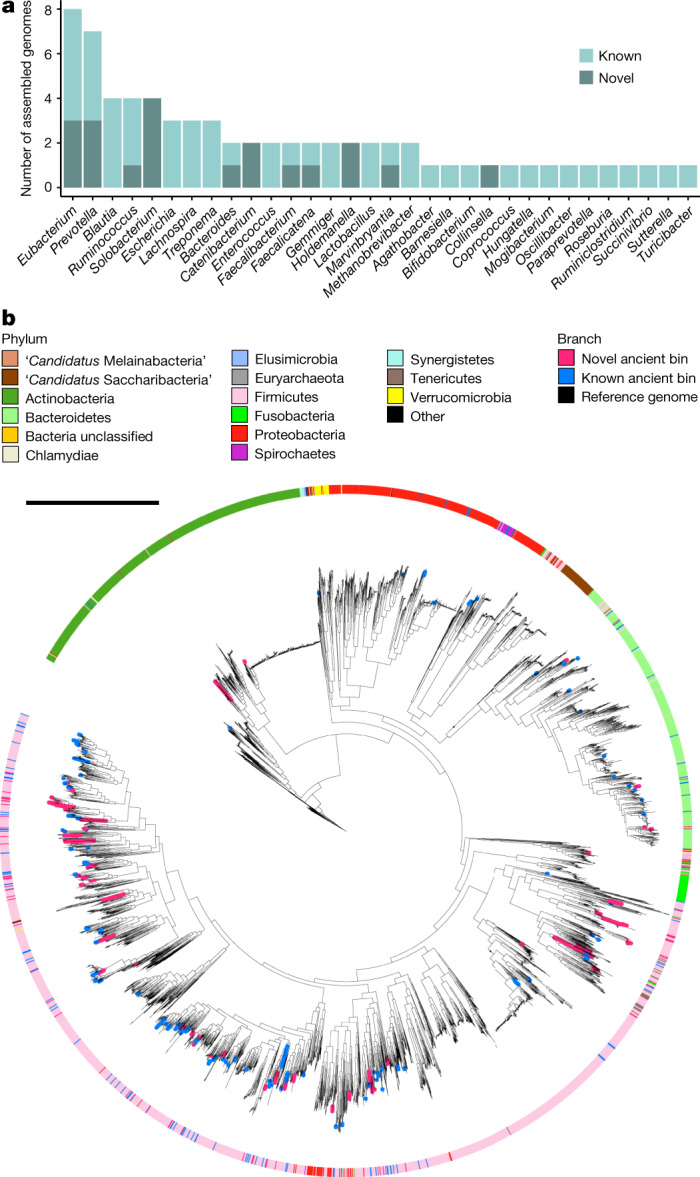
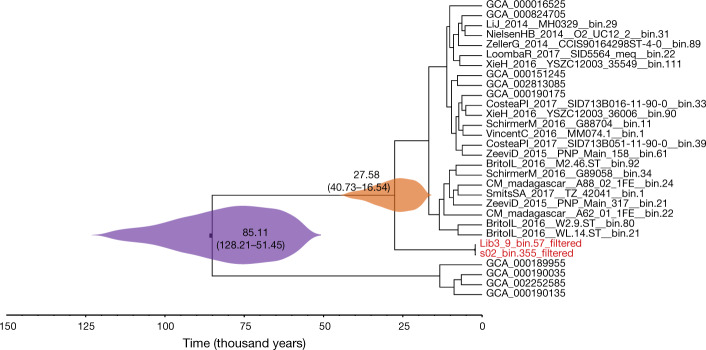
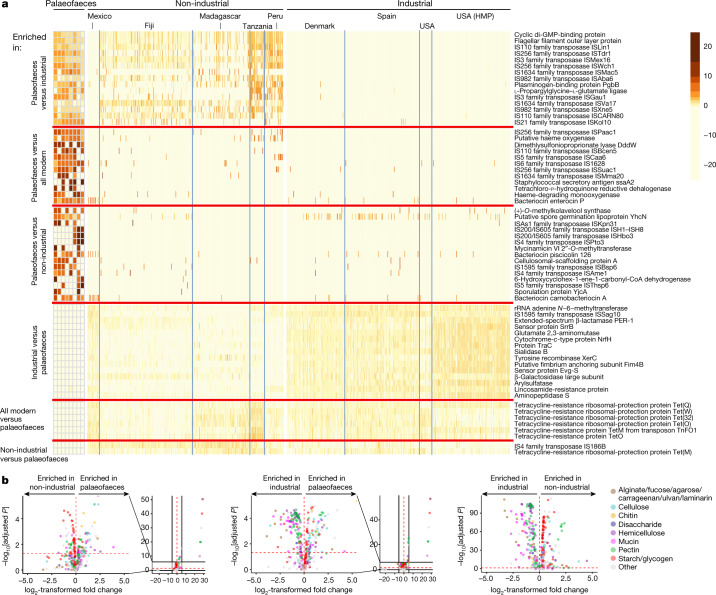
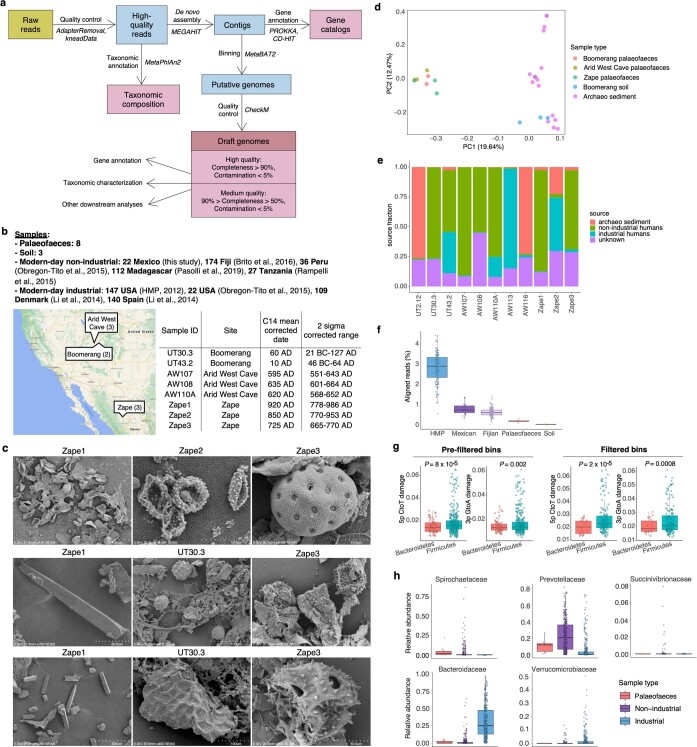
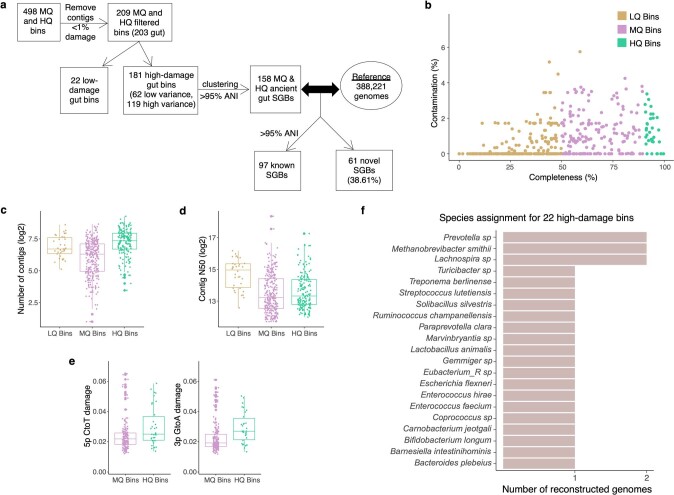
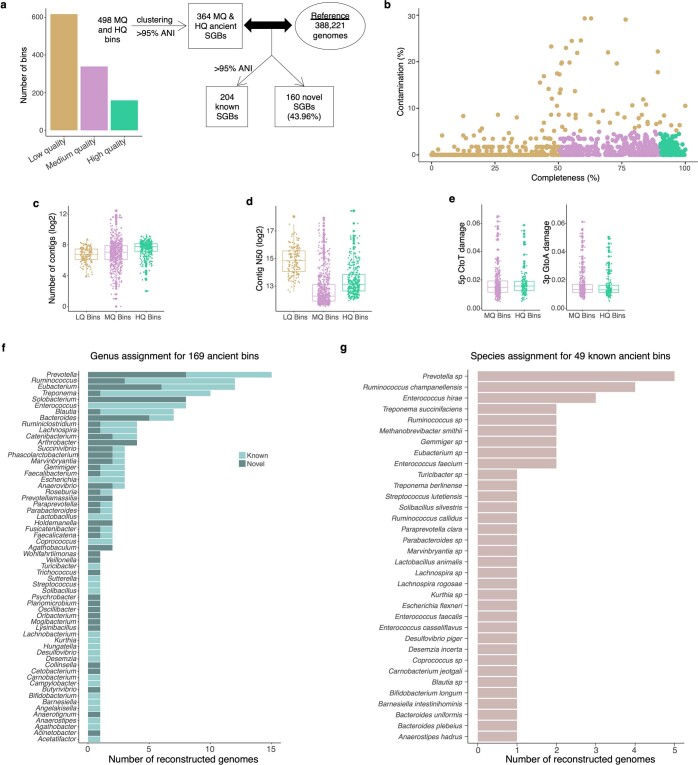
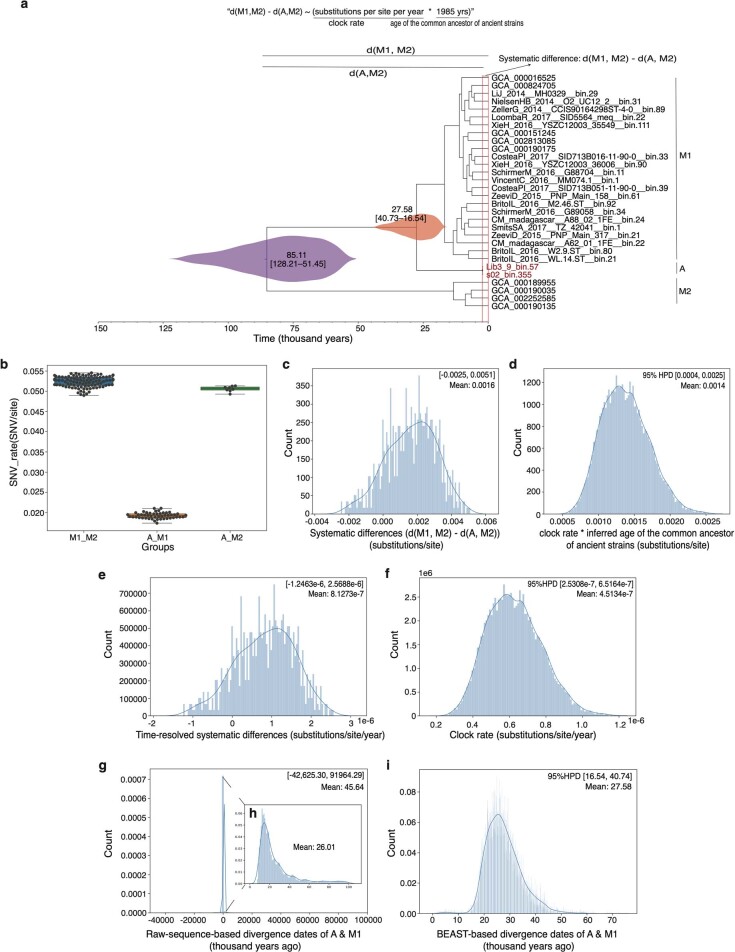
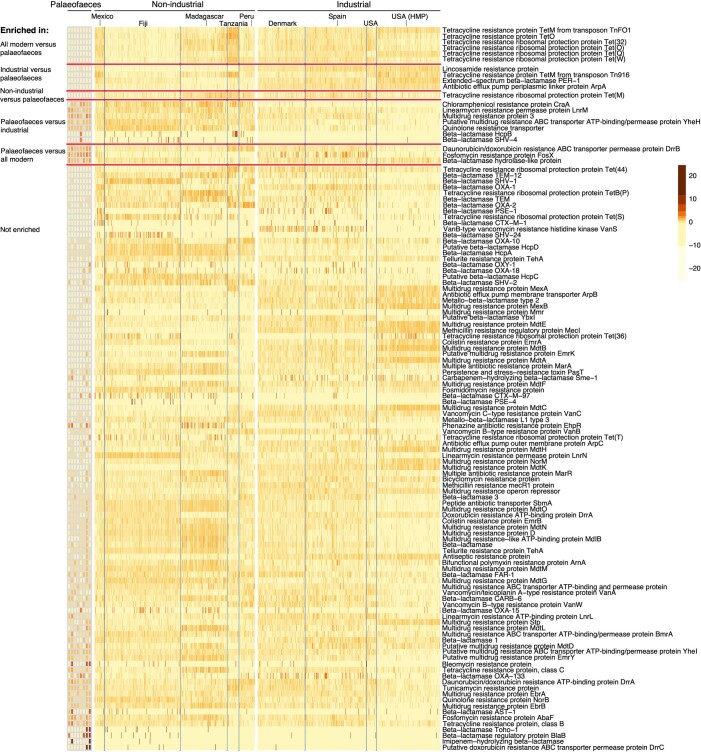
Loss of gut microbial diversity in industrial populations is associated with chronic diseases, underscoring the importance of studying our ancestral gut microbiome. However, relatively little is known about the composition of pre-industrial gut microbiomes. Here we performed a large-scale de novo assembly of microbial genomes from palaeofaeces. From eight authenticated human palaeofaeces samples (1,000-2,000 years old) with well-preserved DNA from southwestern USA and Mexico, we reconstructed 498 medium- and high-quality microbial genomes. Among the 181 genomes with the strongest evidence of being ancient and of human gut origin, 39% represent previously undescribed species-level genome bins. Tip dating suggests an approximate diversification timeline for the key human symbiont Methanobrevibacter smithii. In comparison to 789 present-day human gut microbiome samples from eight countries, the palaeofaeces samples are more similar to non-industrialized than industrialized human gut microbiomes. Functional profiling of the palaeofaeces samples reveals a markedly lower abundance of antibiotic-resistance and mucin-degrading genes, as well as enrichment of mobile genetic elements relative to industrial gut microbiomes. This study facilitates the discovery and characterization of previously undescribed gut microorganisms from ancient microbiomes and the investigation of the evolutionary history of the human gut microbiota through genome reconstruction from palaeofaeces.
工业人群肠道微生物多样性的丧失与慢性疾病有关,这突显了研究我们祖先肠道微生物组的重要性。然而,人们对史前肠道微生物组的组成知之甚少。在这里,我们对古粪便中的微生物基因组进行了大规模的从头组装。从来自美国西南部和墨西哥的 8 个经过验证的人类古粪便样本(1000-2000 年)中,我们重建了 498 个中高质量的微生物基因组。在 181 个具有最强古老和人类肠道起源证据的基因组中,有 39%代表以前未描述的种水平基因组仓。尖峰日期表明关键人类共生菌甲烷短杆菌的大致多样化时间表。与来自 8 个国家的 789 个当今人类肠道微生物组样本相比,古粪便样本与非工业化人类肠道微生物组更相似,而不是工业化人类肠道微生物组。古粪便样本的功能分析揭示了抗生素抗性和粘蛋白降解基因的丰度明显降低,以及与工业肠道微生物组相比,移动遗传元件的富集。这项研究有助于从古代微生物组中发现和描述以前未描述的肠道微生物,并通过从古粪便中重建基因组来研究人类肠道微生物组的进化历史。