Leonard Cory Ann, Schoborg Robert V, Borel Nicole
Department of Pathobiology, Institute of Veterinary Pathology, University of Zurich, Zurich, Switzerland.
Department of Biomedical Sciences, Center for Inflammation, Infectious Disease and Immunity, James H. Quillen College of Medicine, East Tennessee State University, Johnson City, Tennessee, United States of America.
PLoS One. 2015 Aug 6;10(8):e0134943. doi: 10.1371/journal.pone.0134943. eCollection 2015.
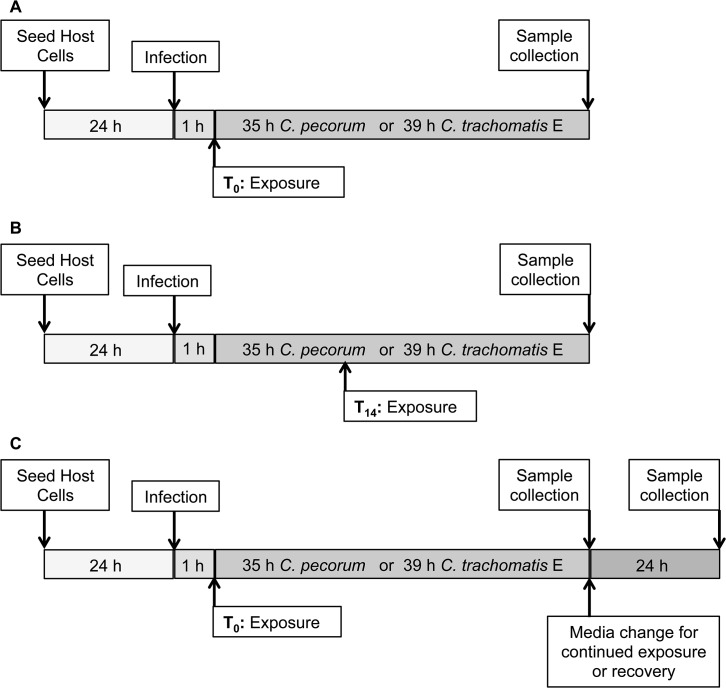
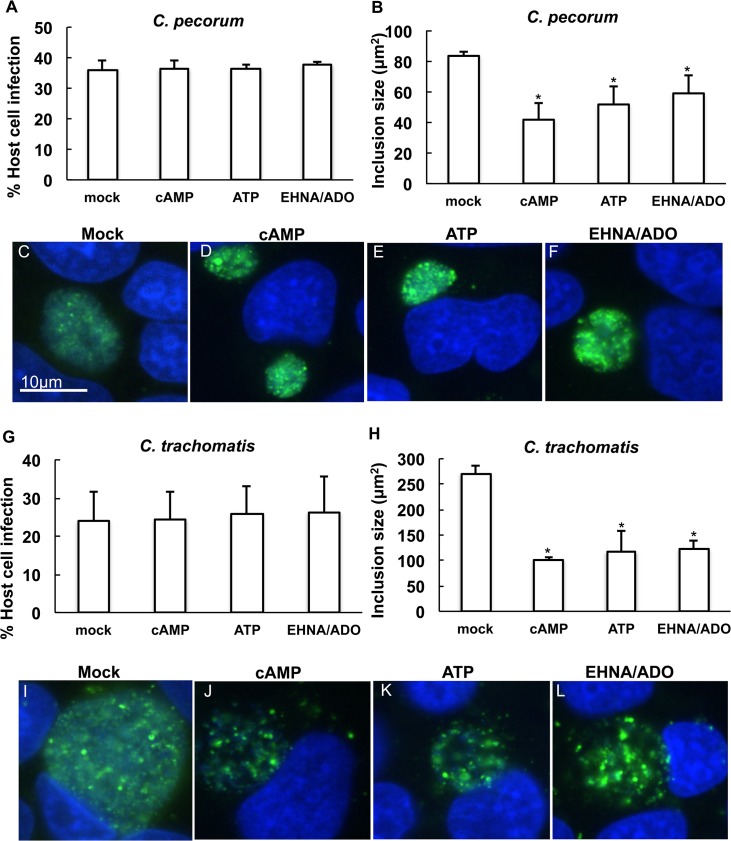
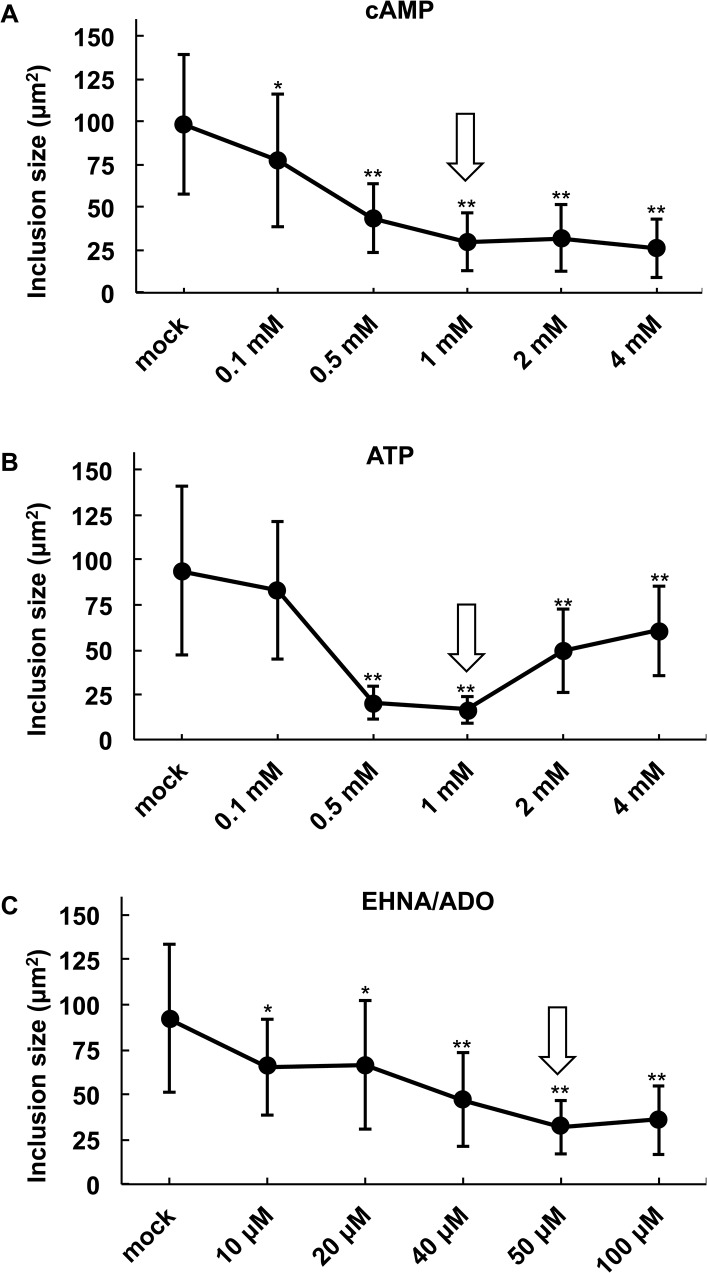
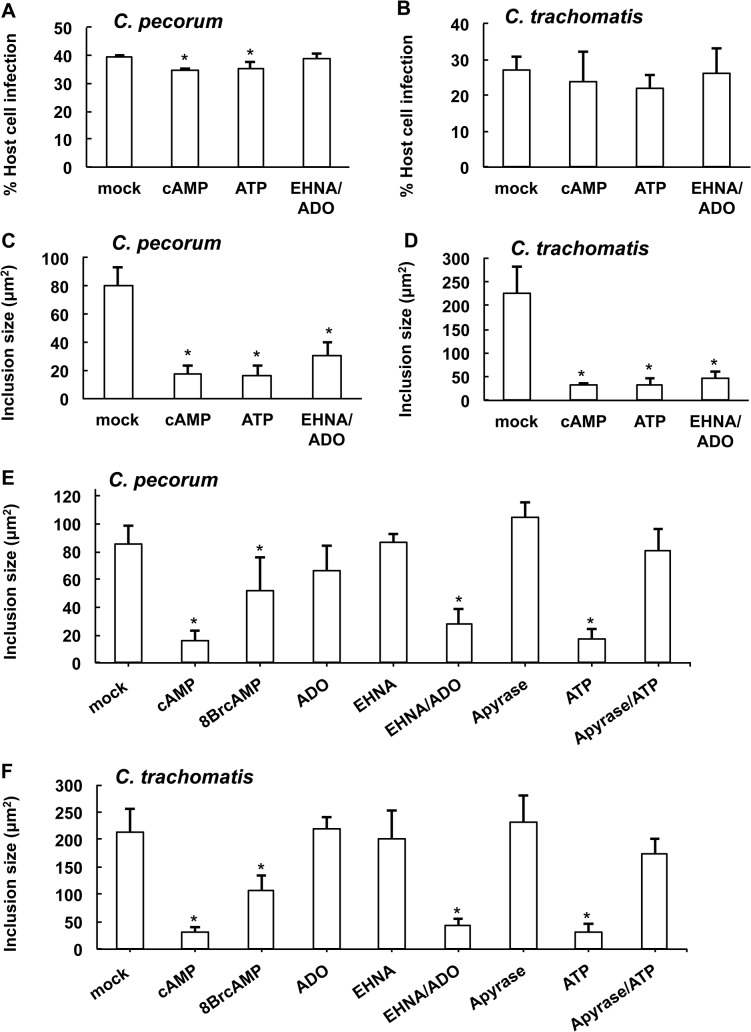
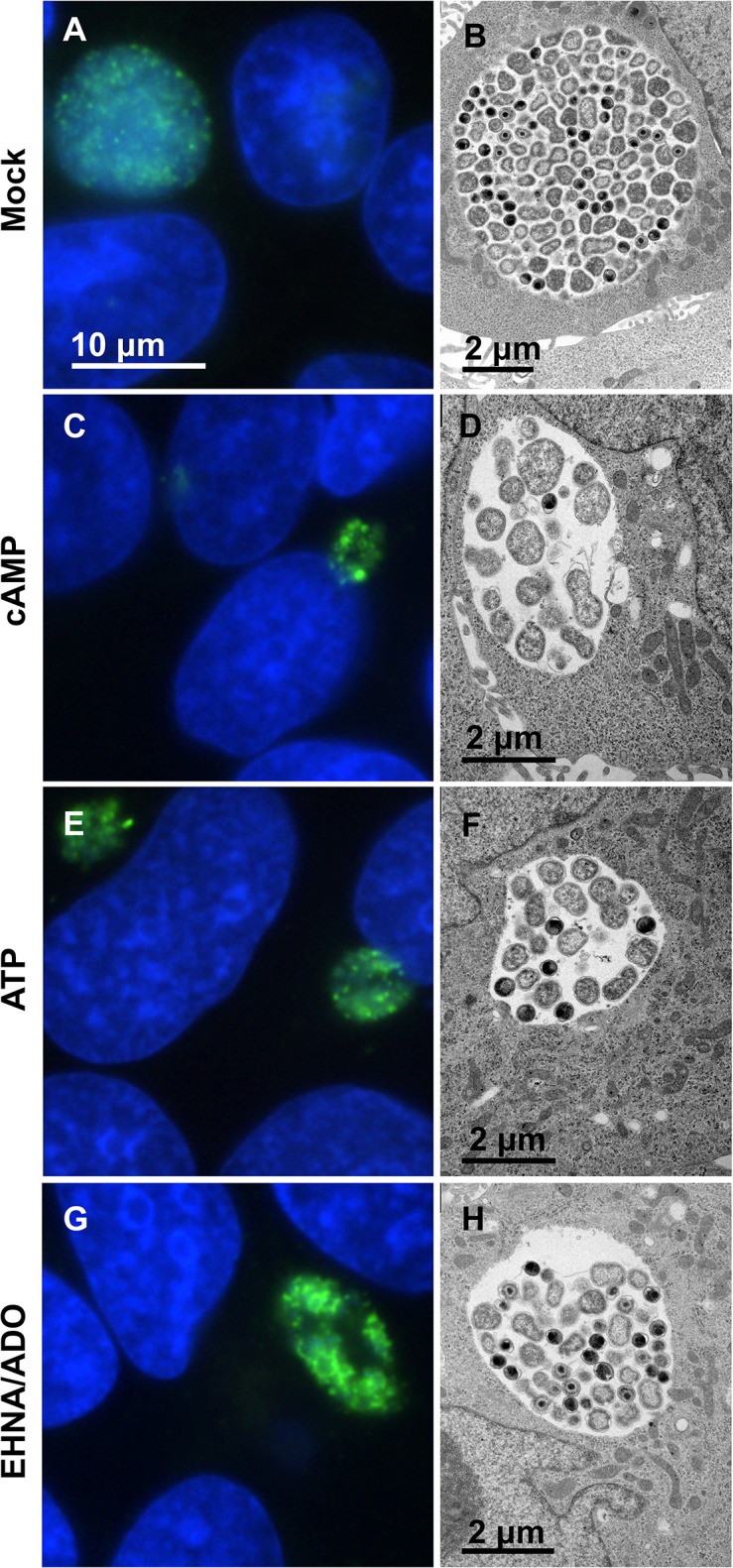
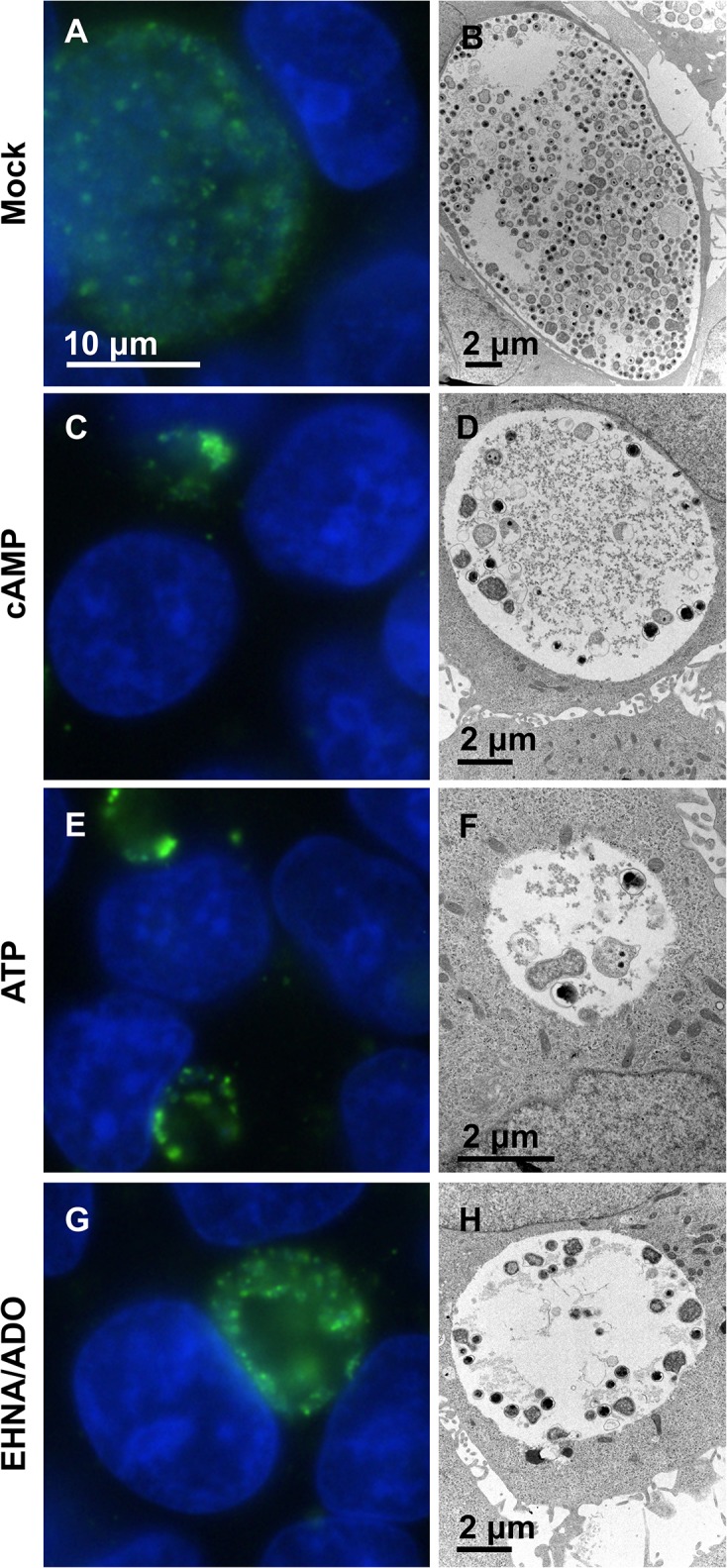
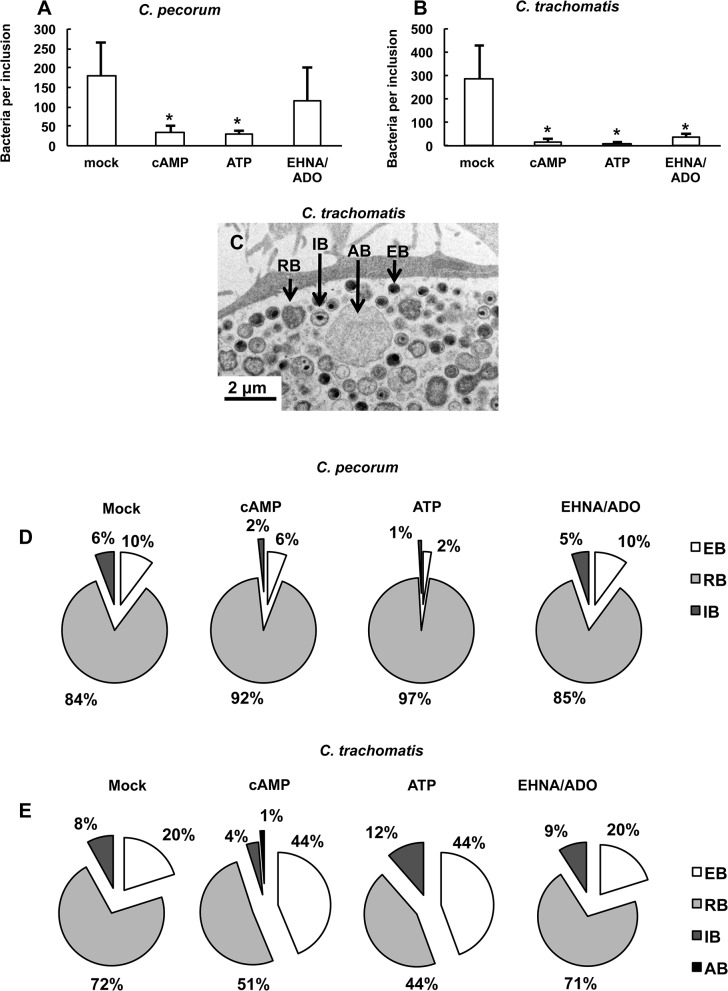
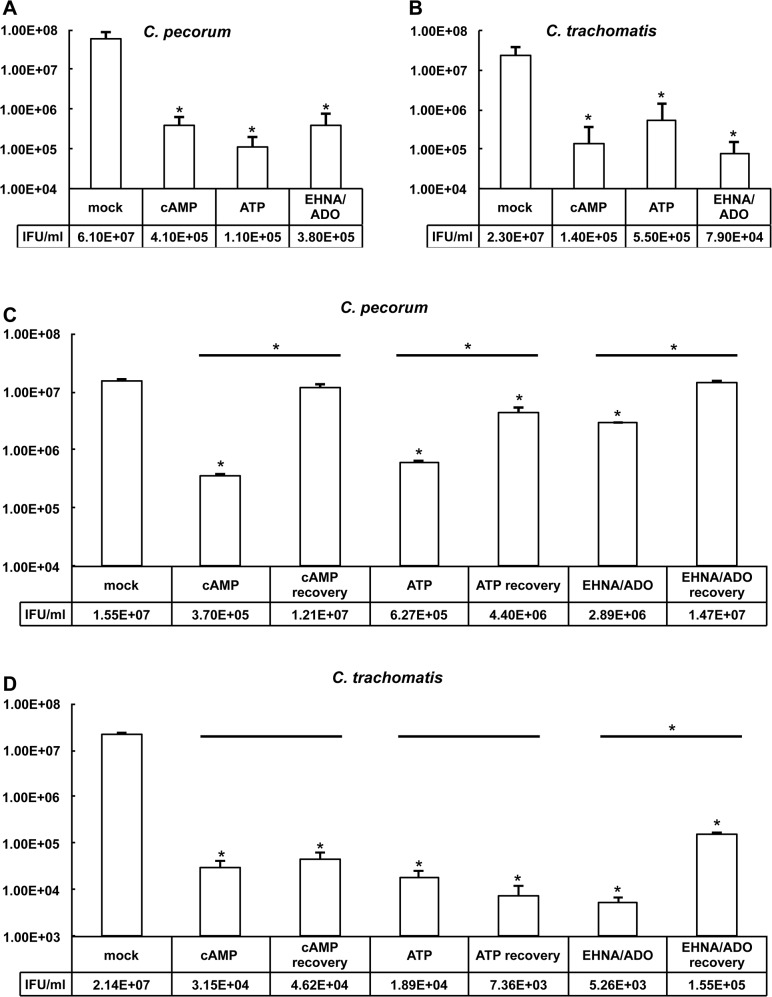
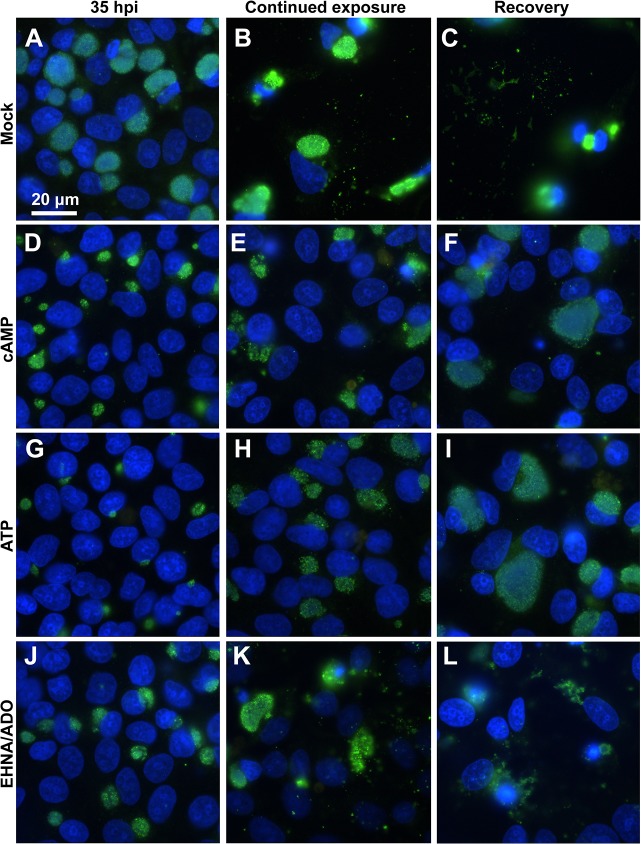
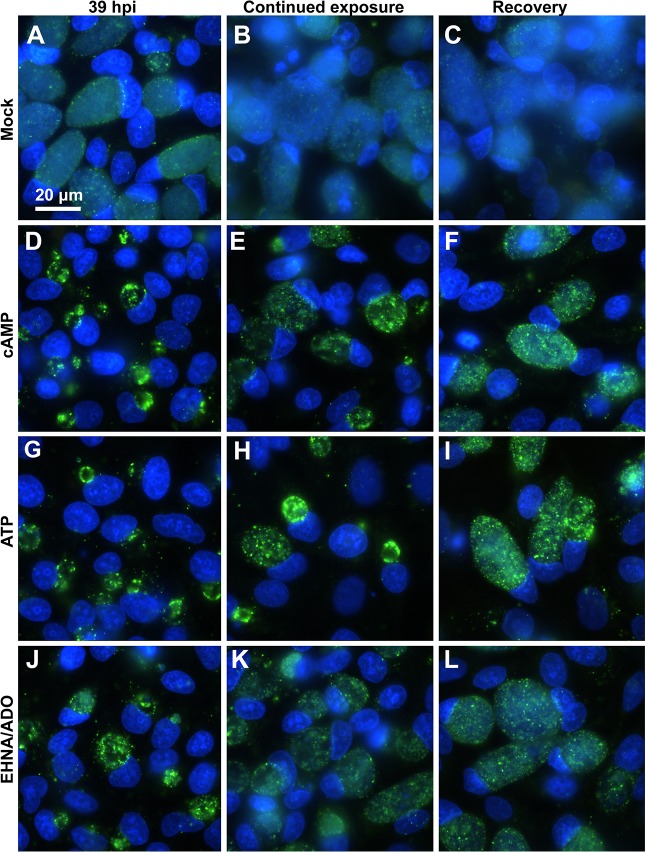
Persistence, more recently termed the chlamydial stress response, is a viable but non-infectious state constituting a divergence from the characteristic chlamydial biphasic developmental cycle. Damage/danger associated molecular patterns (DAMPs) are normal intracellular components or metabolites that, when released from cells, signal cellular damage/lysis. Purine metabolite DAMPs, including extracellular ATP and adenosine, inhibit chlamydial development in a species-specific manner. Viral co-infection has been shown to reversibly abrogate Chlamydia inclusion development, suggesting persistence/chlamydial stress. Because viral infection can cause host cell DAMP release, we hypothesized DAMPs may influence chlamydial development. Therefore, we examined the effect of extracellular ATP, adenosine, and cyclic AMP exposure, at 0 and 14 hours post infection, on C. pecorum and C. trachomatis serovar E development. In the absence of de novo host protein synthesis, exposure to DAMPs immediately post or at 14 hours post infection reduced inclusion size; however, the effect was less robust upon 14 hours post infection exposure. Additionally, upon exposure to DAMPs immediately post infection, bacteria per inclusion and subsequent infectivity were reduced in both Chlamydia species. These effects were reversible, and C. pecorum exhibited more pronounced recovery from DAMP exposure. Aberrant bodies, typical in virus-induced chlamydial persistence, were absent upon DAMP exposure. In the presence of de novo host protein synthesis, exposure to DAMPs immediately post infection reduced inclusion size, but only variably modulated chlamydial infectivity. Because chlamydial infection and other infections may increase local DAMP concentrations, DAMPs may influence Chlamydia infection in vivo, particularly in the context of poly-microbial infections.
持续性,最近被称为衣原体应激反应,是一种存活但无传染性的状态,与衣原体特征性的双相发育周期不同。损伤/危险相关分子模式(DAMPs)是正常的细胞内成分或代谢产物,当从细胞中释放时,会发出细胞损伤/裂解的信号。嘌呤代谢产物DAMPs,包括细胞外ATP和腺苷,以物种特异性方式抑制衣原体发育。已证明病毒共感染可可逆地消除衣原体包涵体发育,提示存在持续性/衣原体应激。由于病毒感染可导致宿主细胞释放DAMPs,我们推测DAMPs可能影响衣原体发育。因此,我们研究了在感染后0小时和14小时暴露于细胞外ATP、腺苷和环磷酸腺苷对猪衣原体和沙眼衣原体血清型E发育的影响。在没有从头合成宿主蛋白的情况下,感染后立即或在感染后14小时暴露于DAMPs会减小包涵体大小;然而,在感染后14小时暴露时,这种影响不太明显。此外,在感染后立即暴露于DAMPs时,两种衣原体的每个包涵体中的细菌数量和随后的感染性均降低。这些影响是可逆的,猪衣原体从DAMP暴露中恢复得更明显。暴露于DAMPs时没有出现病毒诱导的衣原体持续性中典型的异常小体。在有从头合成宿主蛋白的情况下,感染后立即暴露于DAMPs会减小包涵体大小,但仅可变地调节衣原体感染性。由于衣原体感染和其他感染可能会增加局部DAMP浓度,DAMPs可能会在体内影响衣原体感染,特别是在多重微生物感染的情况下。