Kim Won Joo, Lee Sung Woo, Sohn Youngku
School of Chemistry and Biochemistry, Yeungnam University, Gyeongsan 38541, Republic of Korea.
Center for Research Facilities &Department of Materials Science and Engineering, Chungnam National University, Daejeon 34134, Republic of Korea.
Sci Rep. 2015 Aug 24;5:13448. doi: 10.1038/srep13448.
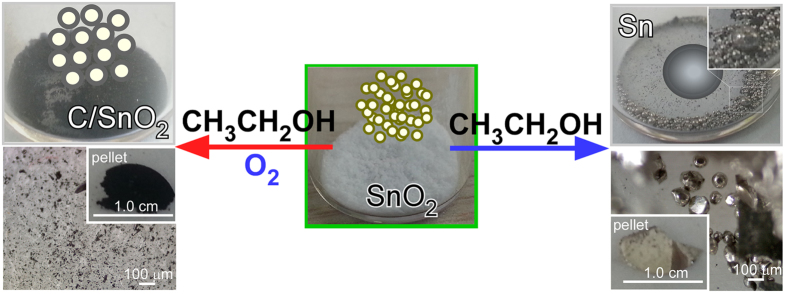
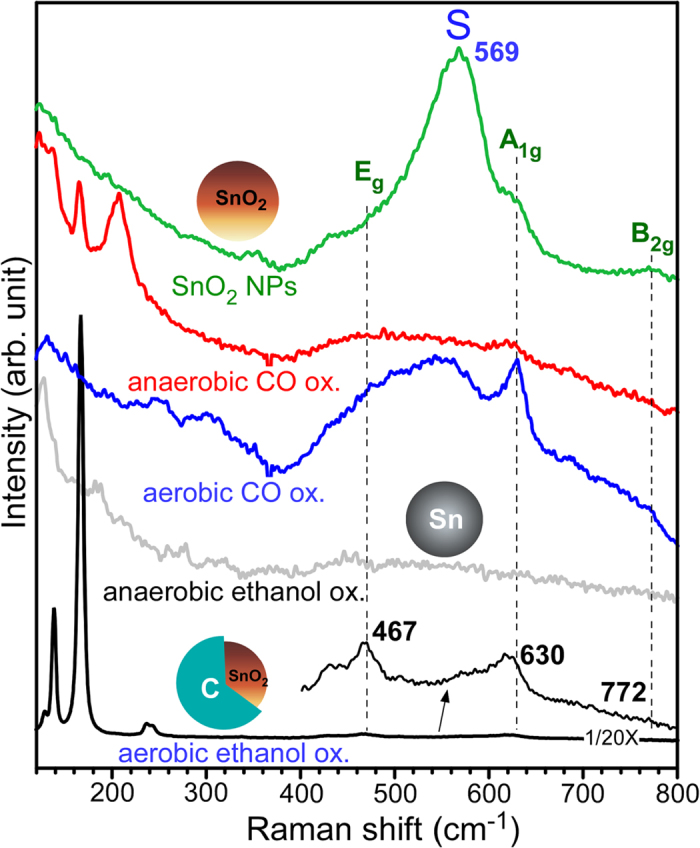
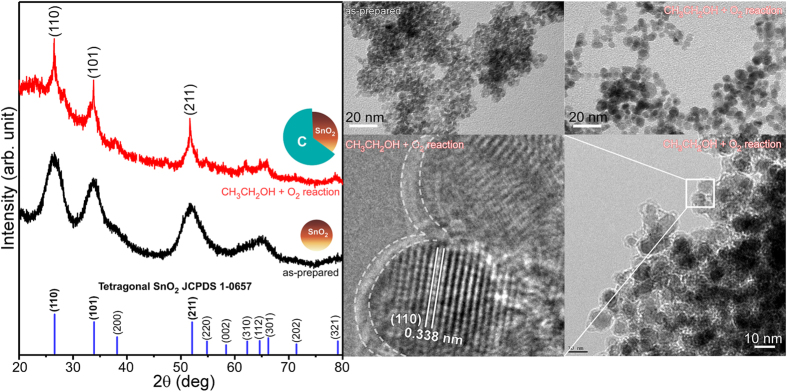
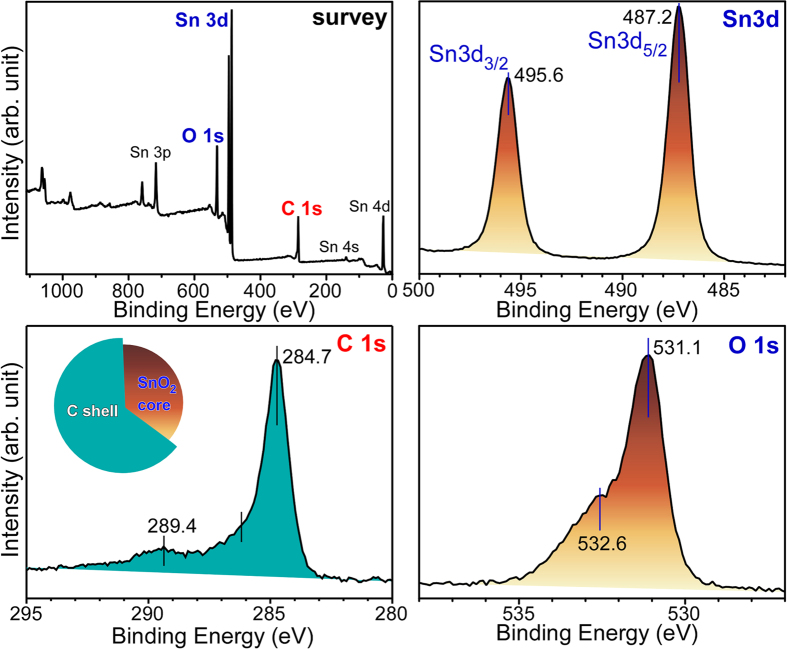
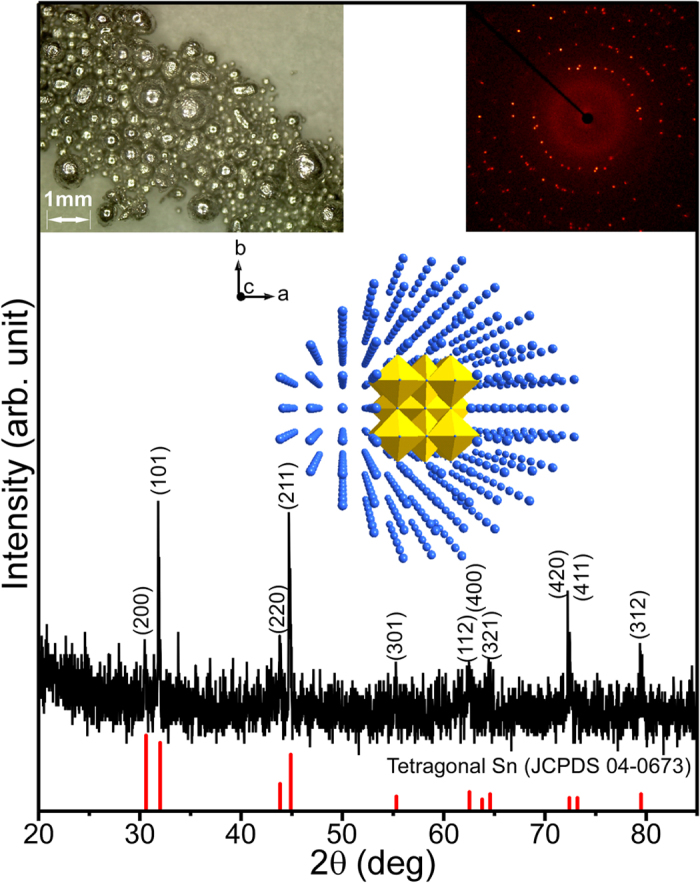
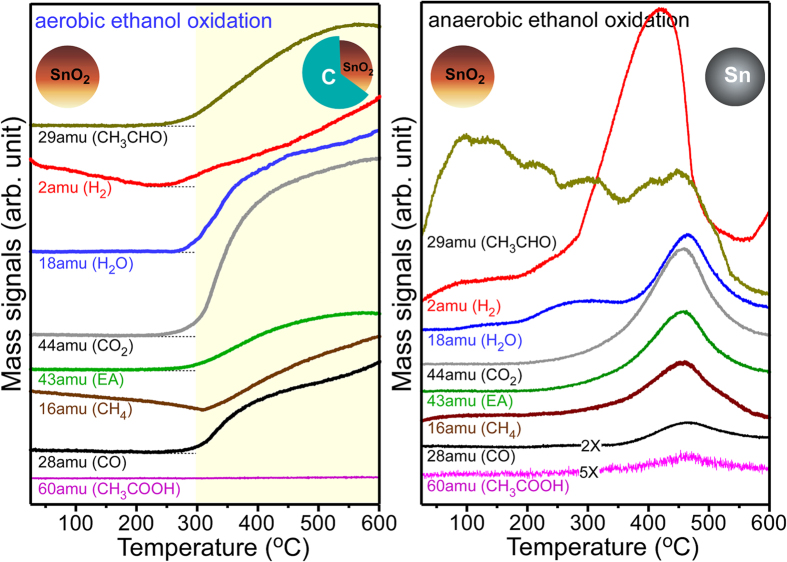
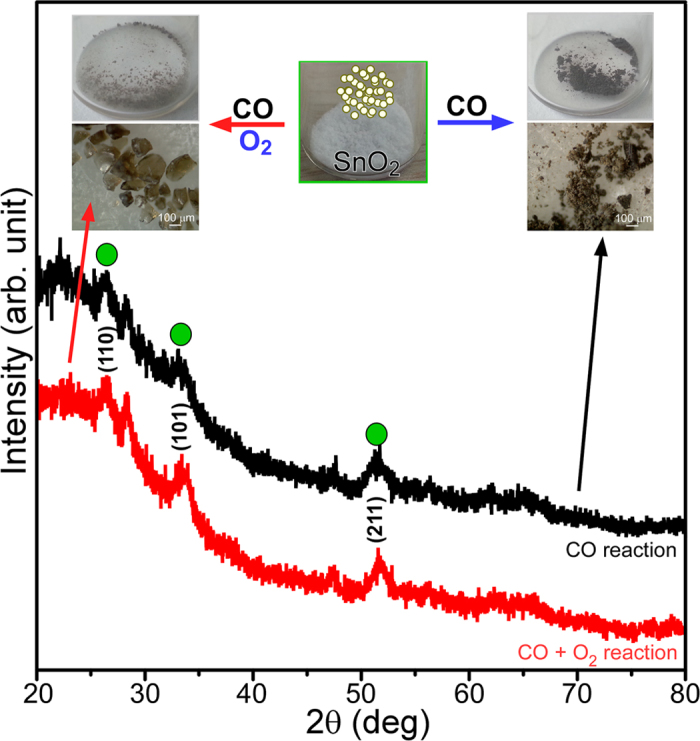
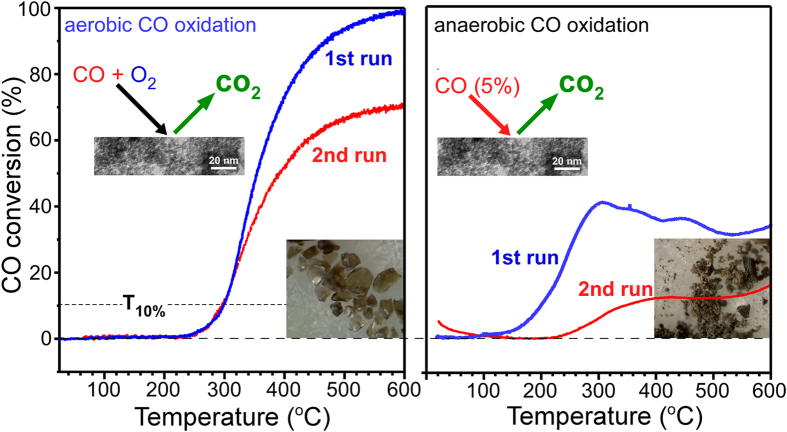
SnO2 has been studied intensely for applications to sensors, Li-ion batteries and solar cells. Despite this, comparatively little attention has been paid to the changes in morphology and crystal phase that occur on the metal oxide surface during chemical reactions. This paper reports anaerobic and aerobic ethanol and CO oxidation reactions over SnO2 nanoparticles (NPs), as well as the subsequent changes in the nature of the NPs. Uniform SnO2@C core-shells (10 nm) were formed by an aerobic ethanol oxidation reaction over SnO2 NPs. On the other hand, metallic Sn spheres were produced by an anaerobic ethanol oxidation reaction at 450 °C, which is significantly lower than that (1200 °C) used in industrial Sn production. Anaerobic and aerobic CO oxidation reactions were also examined. The novelty of the methods for the production of metallic Sn and SnO2@C core-shells including other anaerobic and aerobic reactions will contribute significantly to Sn and SnO2-based applications.
二氧化锡在传感器、锂离子电池和太阳能电池等应用方面已得到深入研究。尽管如此,相对而言,人们对化学反应过程中金属氧化物表面发生的形态和晶相变化关注较少。本文报道了二氧化锡纳米颗粒(NPs)上的厌氧和好氧乙醇及一氧化碳氧化反应,以及随后纳米颗粒性质的变化。通过在二氧化锡纳米颗粒上进行好氧乙醇氧化反应,形成了均匀的二氧化锡@碳核壳结构(10纳米)。另一方面,在450°C下通过厌氧乙醇氧化反应生成了金属锡球,该温度远低于工业生产锡所使用的温度(1200°C)。还研究了厌氧和好氧一氧化碳氧化反应。包括其他厌氧和好氧反应在内的金属锡和二氧化锡@碳核壳结构的制备方法的新颖性将对基于锡和二氧化锡的应用做出重大贡献。