Irmer Henriette, Tarazona Sonia, Sasse Christoph, Olbermann Patrick, Loeffler Jürgen, Krappmann Sven, Conesa Ana, Braus Gerhard H
Institut für Mikrobiologie und Genetik, Georg-August-Universität Göttingen, Grisebachstraße 8, D-37077, Göttingen, Germany.
Genomics of Gene Expression Lab, Prince Felipe Research Center, Av. Eduardo Primo Yufera 3, 46012, Valencia, Spain.
BMC Genomics. 2015 Aug 27;16(1):640. doi: 10.1186/s12864-015-1853-1.
Invasive aspergillosis is started after germination of Aspergillus fumigatus conidia that are inhaled by susceptible individuals. Fungal hyphae can grow in the lung through the epithelial tissue and disseminate hematogenously to invade into other organs. Low fungaemia indicates that fungal elements do not reside in the bloodstream for long.
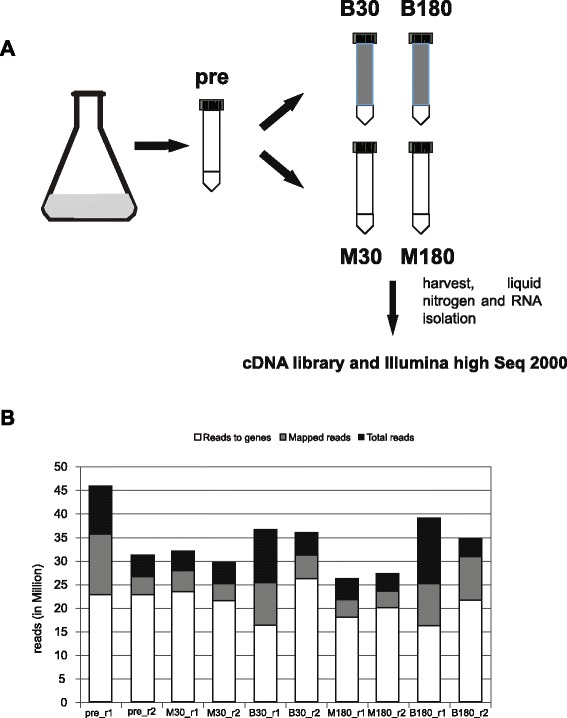
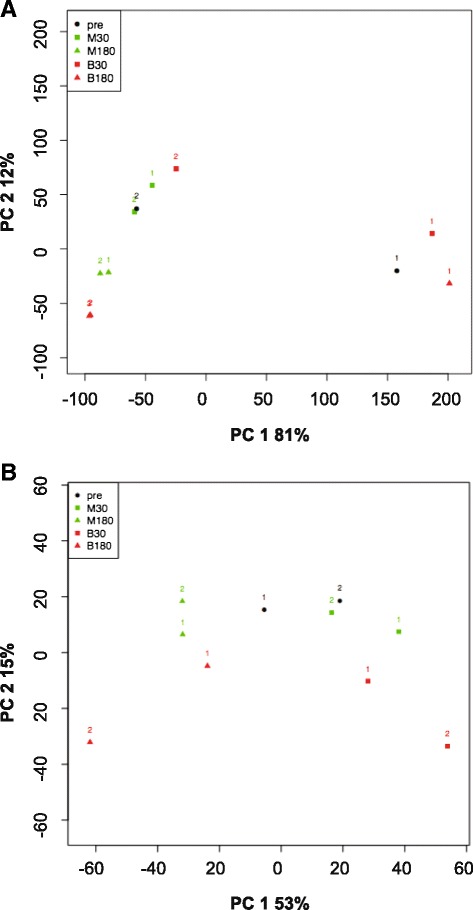
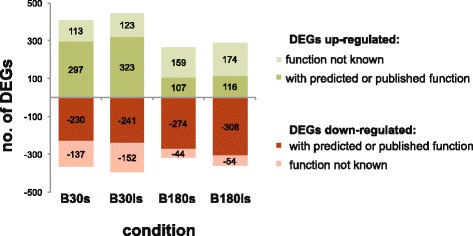
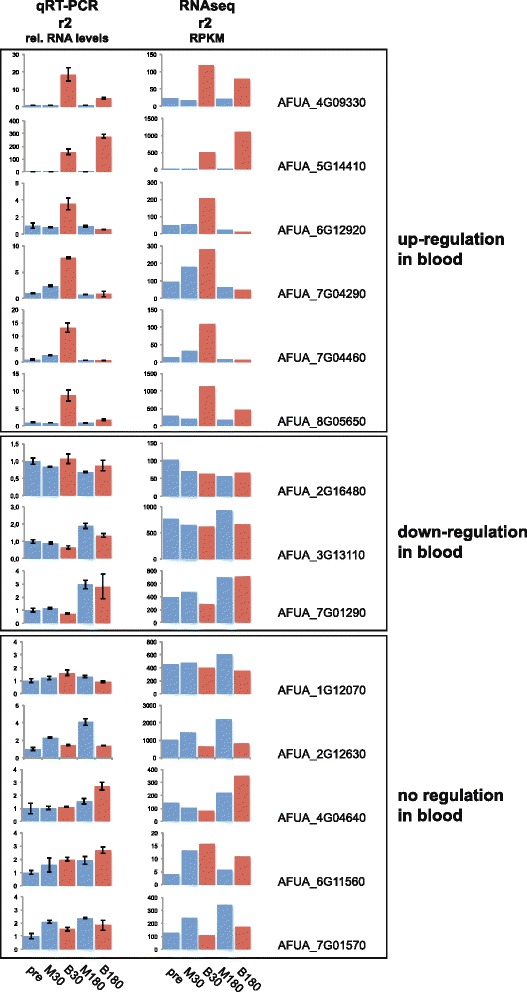
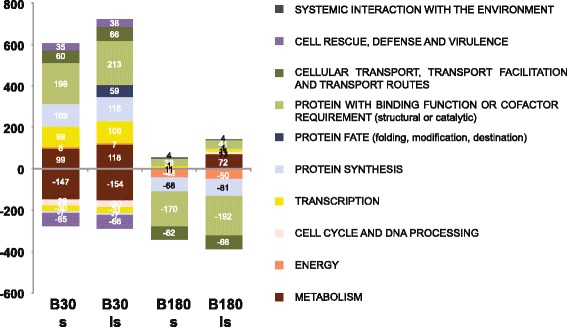
We analyzed whether blood represents a hostile environment to which the physiology of A. fumigatus has to adapt. An in vitro model of A. fumigatus infection was established by incubating mycelium in blood. Our model allowed to discern the changes of the gene expression profile of A. fumigatus at various stages of the infection. The majority of described virulence factors that are connected to pulmonary infections appeared not to be activated during the blood phase. Three active processes were identified that presumably help the fungus to survive the blood environment in an advanced phase of the infection: iron homeostasis, secondary metabolism, and the formation of detoxifying enzymes.
We propose that A. fumigatus is hardly able to propagate in blood. After an early stage of sensing the environment, virtually all uptake mechanisms and energy-consuming metabolic pathways are shut-down. The fungus appears to adapt by trans-differentiation into a resting mycelial stage. This might reflect the harsh conditions in blood where A. fumigatus cannot take up sufficient nutrients to establish self-defense mechanisms combined with significant growth.
侵袭性曲霉病始于易感个体吸入烟曲霉分生孢子萌发之后。真菌菌丝可通过上皮组织在肺部生长,并经血行播散至其他器官。低真菌血症表明真菌成分在血液中停留时间不长。
我们分析了血液是否代表烟曲霉生理学必须适应的恶劣环境。通过在血液中孵育菌丝体建立了烟曲霉感染的体外模型。我们的模型能够识别烟曲霉在感染各个阶段基因表达谱的变化。大多数与肺部感染相关的已描述毒力因子在血液阶段似乎未被激活。确定了三个活跃过程,推测这有助于真菌在感染后期在血液环境中存活:铁稳态、次级代谢和解毒酶的形成。
我们提出烟曲霉在血液中几乎无法繁殖。在早期感知环境之后,几乎所有摄取机制和耗能代谢途径都会关闭。真菌似乎通过转分化进入静止菌丝阶段来适应。这可能反映了血液中的恶劣条件,在这种条件下烟曲霉无法摄取足够的营养来建立自我防御机制并实现显著生长。