Herrera Chamisa L, Kim Dae Young, Kumar Senthil R, Bryan Jeffrey N
Veterinary Medicine and Surgery, College of Veterinary Medicine, University of Missouri, Columbia, MO 65211, USA.
Current Address: BluePearl Seattle, 11536 Lake City Way NE, Seattle, WA 98125, USA.
BMC Vet Res. 2015 Sep 4;11:230. doi: 10.1186/s12917-015-0547-x.
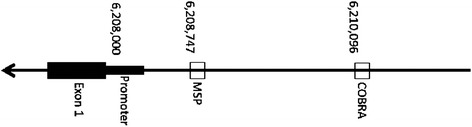
Peroxisome proliferator activated receptor-γ (PPAR-γ) is a ligand-dependent transcription factor that plays important roles in cellular proliferation and differentiation. It has been implicated as a tumor suppressor in many solid tumors including human prostate, breast, colon, and lung cancer. The objective of this study was to determine the tissue distribution of PPAR-γ in normal canine lung, canine lung cancer, and metastatic to lung cancer, as well as determine the role, if any, of DNA methylation in epigenetic control of gene expression. The protein was studied using immunohistochemistry (IHC) and DNA methylation was studied using combined bisulfite restriction analysis (COBRA), and methylation-specific PCR (MSP).
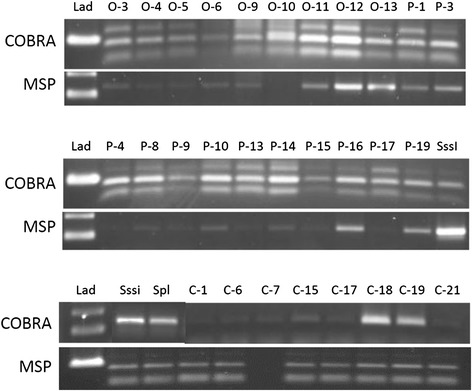
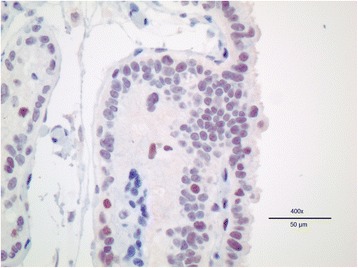
PPAR-γ is expressed in all large conducting airways, particularly in goblet cells and bronchial glands, in the canine lung. The protein is also expressed in interstitial macrophages. PPAR-γ is expressed in 33 % of canine non-small cell lung cancer (NSCLC) cases and 66 % of metastatic osteosarcoma (OSA) cases. There is a significant loss of 5' PPAR-γ methylation from normal lung to primary lung cancer and metastatic OSA (p = 0.0002), however altered PPAR-γ promoter methylation at the interrogated locus does not appear to be associated with changes in protein expression.
PPAR-γ protein is expressed in normal canine lung tissue, canine primary lung cancer, and metastatic OSA. Confirmation of PPAR-γ protein expression in tumor-bearing dogs supports the investigation of PPAR-γ agonists in this subset of veterinary patients. These results are the first to describe epigenetic marks and protein localization of PPAR-γ among different lung pathologies in the dog.
过氧化物酶体增殖物激活受体γ(PPAR-γ)是一种依赖配体的转录因子,在细胞增殖和分化中起重要作用。它在包括人类前列腺癌、乳腺癌、结肠癌和肺癌在内的许多实体瘤中被认为是一种肿瘤抑制因子。本研究的目的是确定PPAR-γ在正常犬肺、犬肺癌及肺癌转移灶中的组织分布,以及确定DNA甲基化在基因表达表观遗传调控中的作用(若有)。使用免疫组织化学(IHC)研究该蛋白,使用联合亚硫酸氢盐限制分析(COBRA)和甲基化特异性PCR(MSP)研究DNA甲基化。
PPAR-γ在犬肺的所有大的传导气道中表达,特别是在杯状细胞和支气管腺中。该蛋白也在间质巨噬细胞中表达。PPAR-γ在33%的犬非小细胞肺癌(NSCLC)病例和66%的转移性骨肉瘤(OSA)病例中表达。从正常肺到原发性肺癌和转移性OSA,5' PPAR-γ甲基化显著丢失(p = 0.0002),然而,在所检测位点的PPAR-γ启动子甲基化改变似乎与蛋白表达变化无关。
PPAR-γ蛋白在正常犬肺组织、犬原发性肺癌和转移性OSA中表达。在患肿瘤犬中证实PPAR-γ蛋白表达支持在这一兽医患者亚组中对PPAR-γ激动剂进行研究。这些结果首次描述了犬不同肺部病变中PPAR-γ的表观遗传标记和蛋白定位。