Na Woonsung, Lyoo Kwang-Soo, Song Eun-jung, Hong Minki, Yeom Minjoo, Moon Hyoungjoon, Kang Bo-Kyu, Kim Doo-Jin, Kim Jeong-Ki, Song Daesub
Korea Research Institute of Bioscience and Biotechnology, Daejeon, Republic of Korea.
Korea Zoonosis Research Institute, Chonbuk National University, Iksan, Republic of Korea.
Virol J. 2015 Sep 4;12:134. doi: 10.1186/s12985-015-0343-z.
Since avian-origin H3N2 canine influenza virus (CIV) was first identified in South Korea in 2008, the novel influenza virus has been reported in several countries in Asia. Reverse zoonotic transmission of pandemic H1N1 (2009) influenza virus (pH1N1) has been observed in a broad range of animal species. Viral dominance and characterization of the reassortants of both viruses was undertaken in the present study.
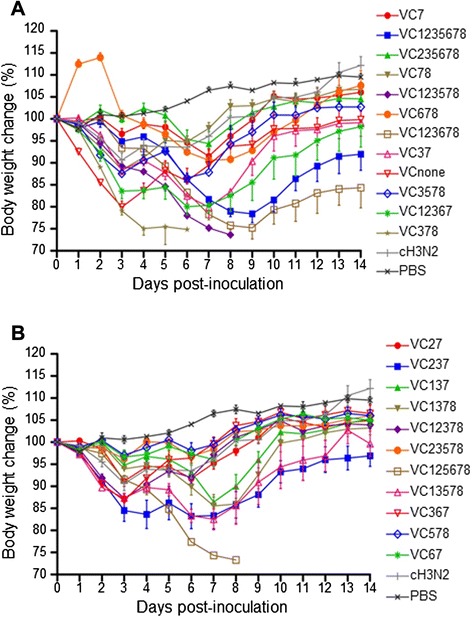
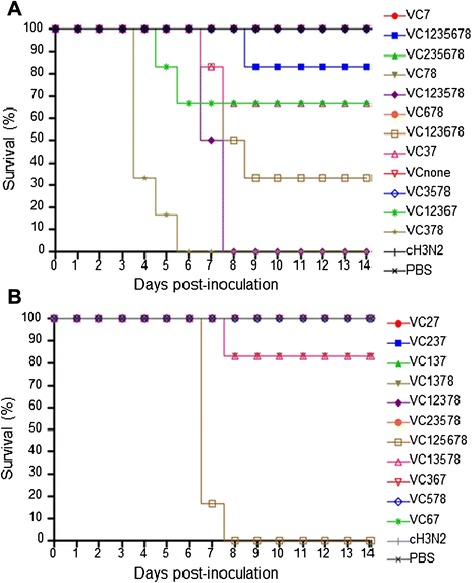
Here we describe the viral dominance of 23 CIV reassortants between pH1N1 and canine H3N2 influenza viruses from a naturally co-infected dog. These results indicate that the M gene of pandemic H1N1 and the HA gene of canine H3N2 are predominant in the reassortants. Furthermore, unlike the original canine H3N2 virus, some reassortants showed high pathogenicity in mice.
This study suggests that continuous monitoring of influenza infection in companion animals may be necessary to investigate the potential of the emergence of novel influenza viruses.
自2008年在韩国首次发现禽源H3N2犬流感病毒(CIV)以来,这种新型流感病毒已在亚洲多个国家被报道。在多种动物物种中均观察到了大流行H1N1(2009)流感病毒(pH1N1)的反向人畜共患病传播。本研究对两种病毒的重组体进行了病毒优势性分析和特征鉴定。
在此,我们描述了来自一只自然双重感染犬的pH1N1和犬H3N2流感病毒之间23种CIV重组体的病毒优势性。这些结果表明,大流行H1N1的M基因和犬H3N2的HA基因在重组体中占主导地位。此外,与原始犬H3N2病毒不同,一些重组体在小鼠中表现出高致病性。
本研究表明,可能有必要持续监测伴侣动物中的流感感染情况,以调查新型流感病毒出现的可能性。