Chang Hong-Bin, Chen Bing-Huei
Department of Food Science, Fu Jen Catholic University, Taipei, Taiwan.
Department of Food Science, Fu Jen Catholic University, Taipei, Taiwan ; Graduate Institute of Medicine, Fu Jen Catholic University, Taipei, Taiwan.
Int J Nanomedicine. 2015 Aug 5;10:5059-80. doi: 10.2147/IJN.S87225. eCollection 2015.
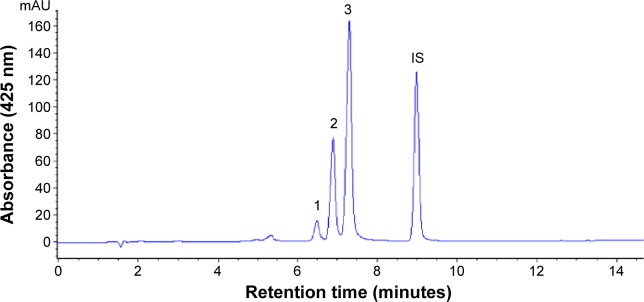
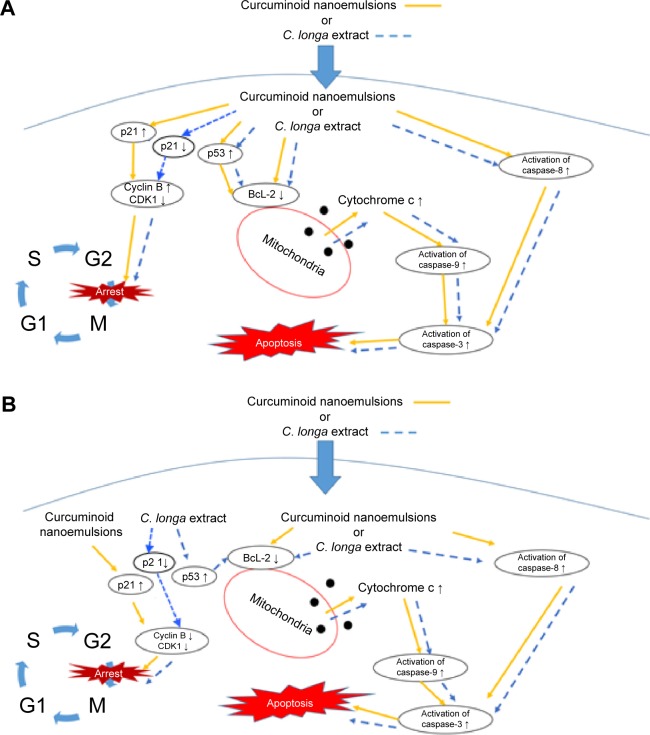
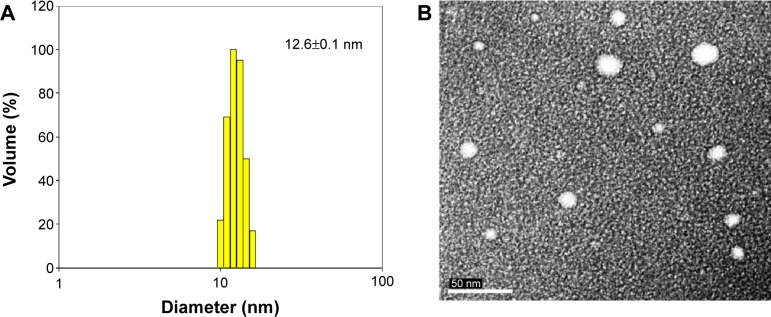
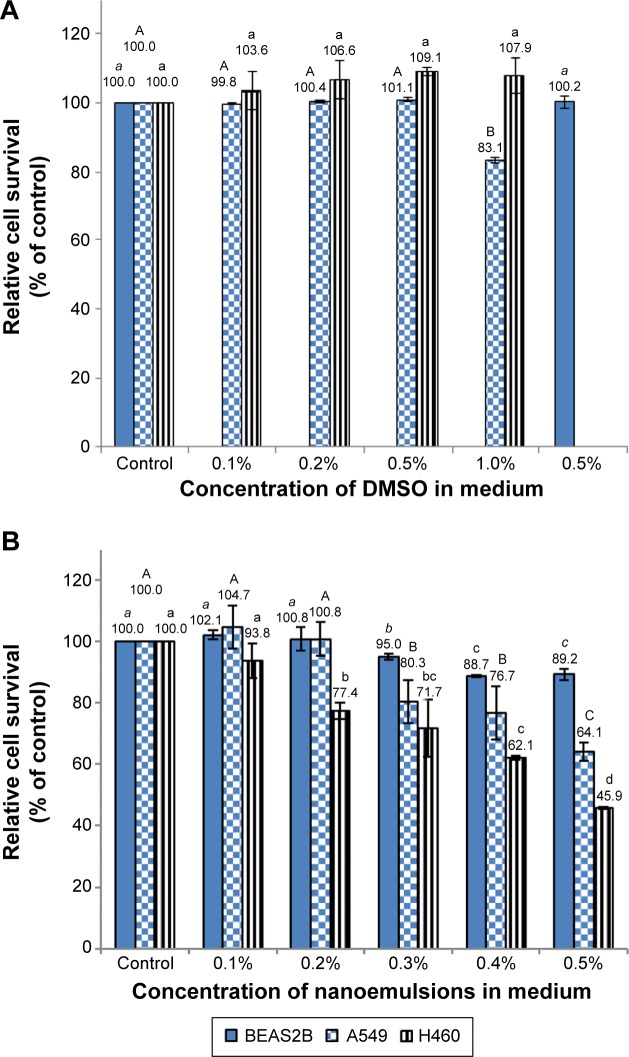
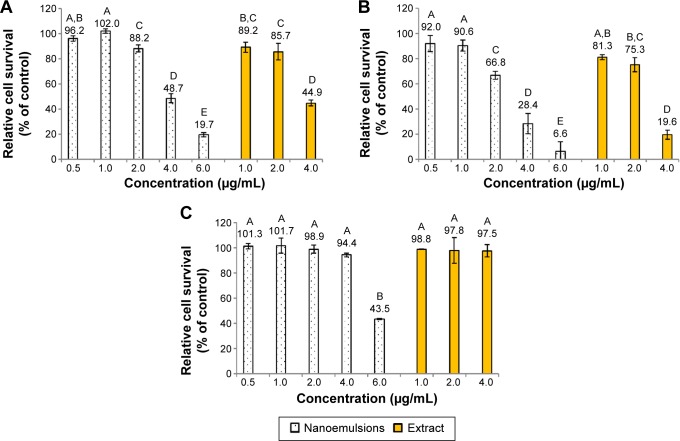
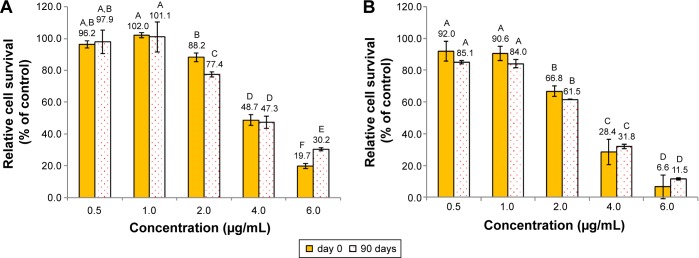
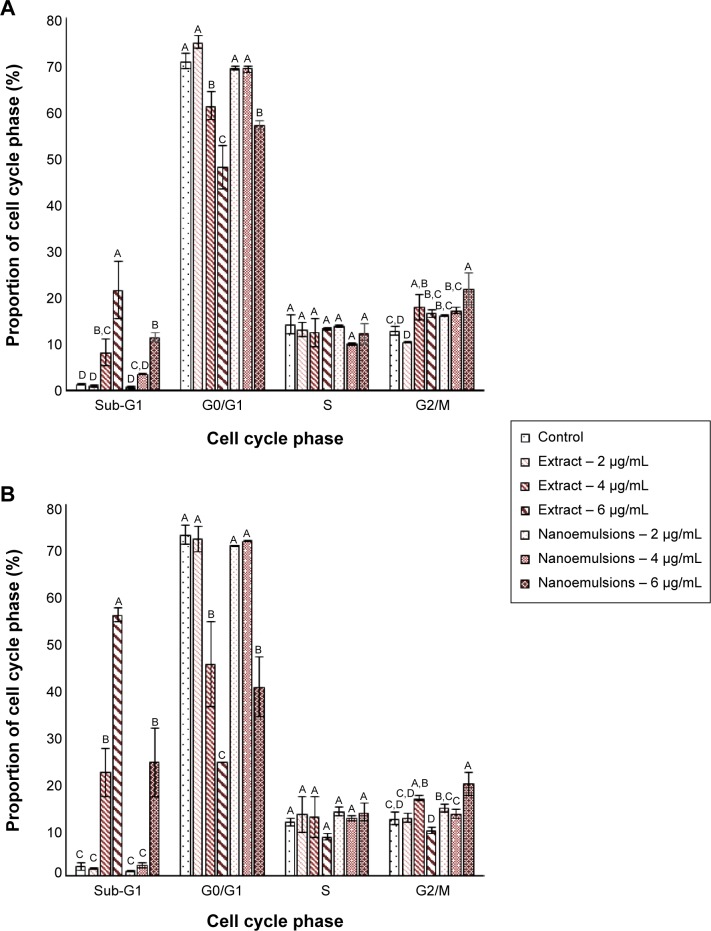
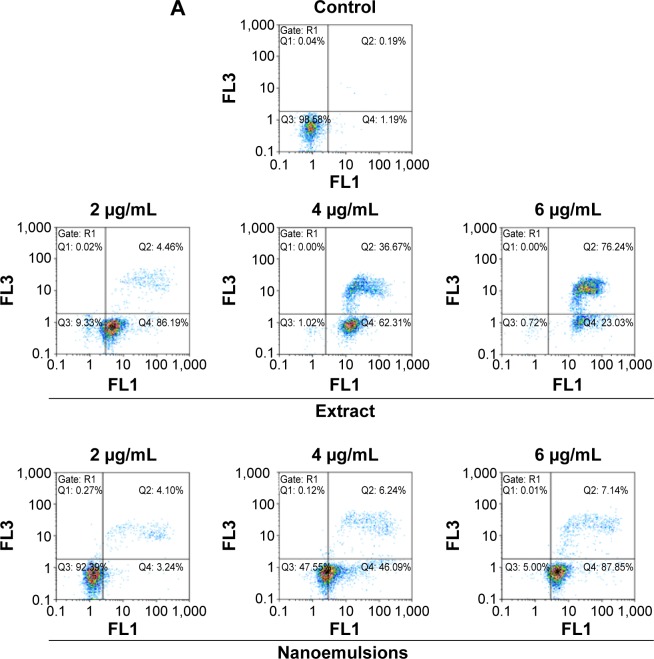
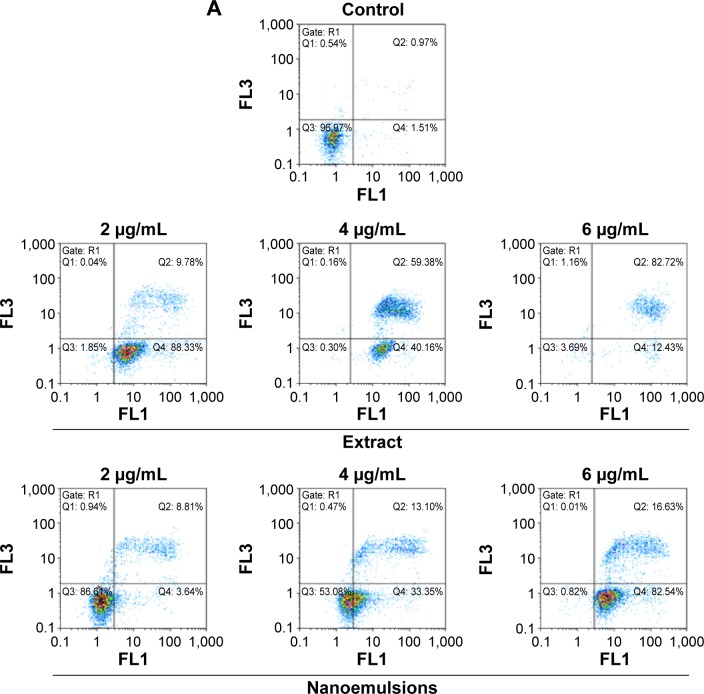
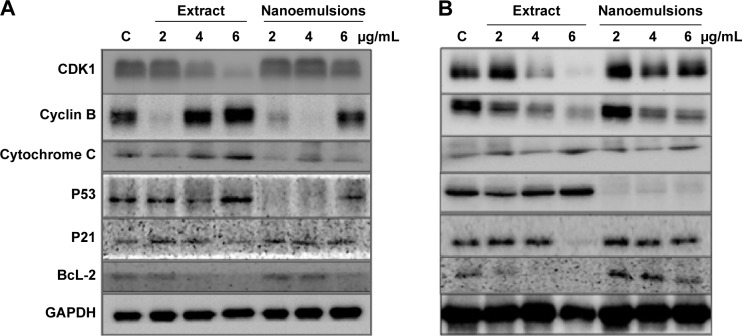
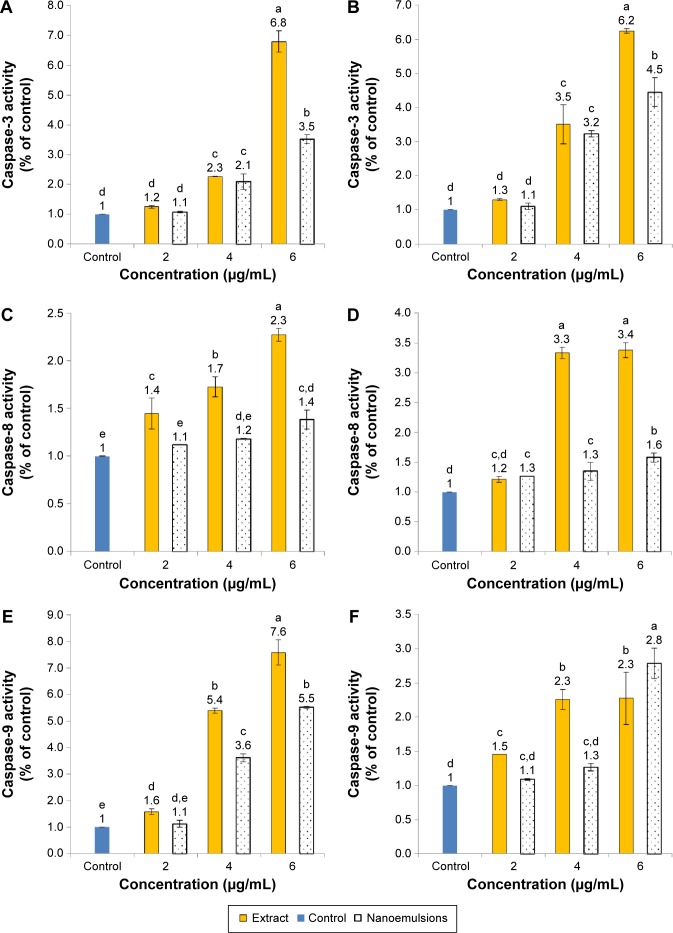
The objectives of this study were to explore the inhibition mechanism of lung cancer cells A549 and H460 by curcuminoid extracts and nanoemulsions prepared from Curcuma longa Linnaeus. In addition, human bronchus epithelial cell line BEAS-2B (normal cell) was selected for comparison. A high-performance liquid chromatography (HPLC) method was developed to separate and quantify the various curcuminoids in C. longa extract, including curcumin (1,714.5 μg/mL), demethoxycurcumin (1,147.4 μg/mL), and bisdemethoxycurcumin (190.2 μg/mL). A high-stability nanoemulsion composed of Tween 80, water, and curcuminoid extract was prepared, with mean particle size being 12.6 nm. The cell cycle was retarded at G2/M for both the curcuminoid extract and nanoemulsion treatments; however, the inhibition pathway may be different. H460 cells were more susceptible to apoptosis than A549 cells for both curcuminoid extract and nanoemulsion treatments. Growth of BEAS-2B remained unaffected for both the curcuminoid extract and nanoemulsion treatments, with a concentration range from 1 to 4 μg/mL. Also, the activities of caspase-3, caspase-8, and caspase-9 followed a dose-dependent increase for both A549 and H460 cells for both the treatments, accompanied by a dose-dependent increase in cytochrome C expression and a dose-dependent decrease in CDK1 expression. Interestingly, a dose-dependent increase in cyclin B expression was shown for A549 cells for both the treatments, while a reversed trend was found for H460 cells. Both mitochondria and death receptor pathways may be responsible for apoptosis of both A549 and H460 cells.
本研究的目的是探究姜黄素提取物以及从姜黄中制备的纳米乳剂对肺癌细胞A549和H460的抑制机制。此外,选择人支气管上皮细胞系BEAS-2B(正常细胞)作为对照。开发了一种高效液相色谱(HPLC)方法来分离和定量姜黄提取物中的各种姜黄素,包括姜黄素(1,714.5μg/mL)、去甲氧基姜黄素(1,147.4μg/mL)和双去甲氧基姜黄素(190.2μg/mL)。制备了一种由吐温80、水和姜黄素提取物组成的高稳定性纳米乳剂,平均粒径为12.6nm。姜黄素提取物和纳米乳剂处理均使细胞周期在G2/M期阻滞;然而,抑制途径可能不同。对于姜黄素提取物和纳米乳剂处理,H460细胞比A549细胞更容易发生凋亡。在1至4μg/mL的浓度范围内,姜黄素提取物和纳米乳剂处理对BEAS-2B细胞的生长均无影响。此外,两种处理对A549和H460细胞的半胱天冬酶-3、半胱天冬酶-8和半胱天冬酶-9活性均呈剂量依赖性增加,同时细胞色素C表达呈剂量依赖性增加,细胞周期蛋白依赖性激酶1(CDK1)表达呈剂量依赖性降低。有趣的是,两种处理对A549细胞的细胞周期蛋白B表达均呈剂量依赖性增加,而对H460细胞则呈现相反趋势。线粒体和死亡受体途径可能均参与了A549和H460细胞的凋亡过程。