Huang Rwei-Fen S, Wei Yi-Jun, Inbaraj Baskaran Stephen, Chen Bing-Huei
Graduate Institute of Nutrition and Food Science, Fu Jen University, Taipei, Taiwan ; Department of Nutritional Science, Fu Jen University, Taipei, Taiwan.
Department of Food Science, Fu Jen University, Taipei, Taiwan.
Int J Nanomedicine. 2015 Apr 8;10:2823-46. doi: 10.2147/IJN.S79107. eCollection 2015.
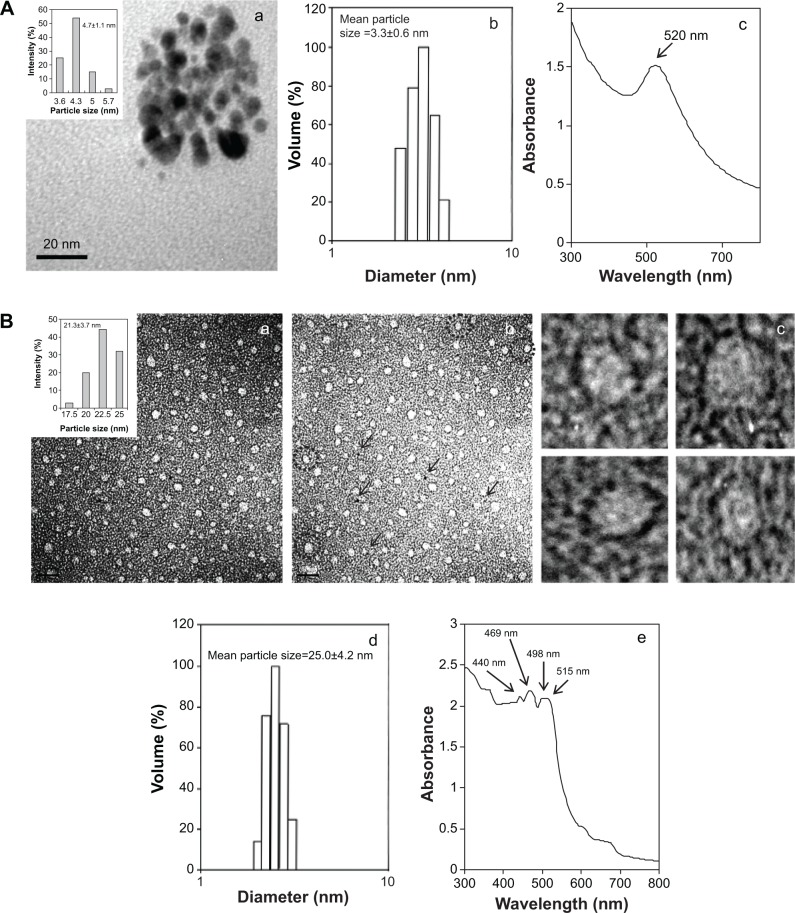
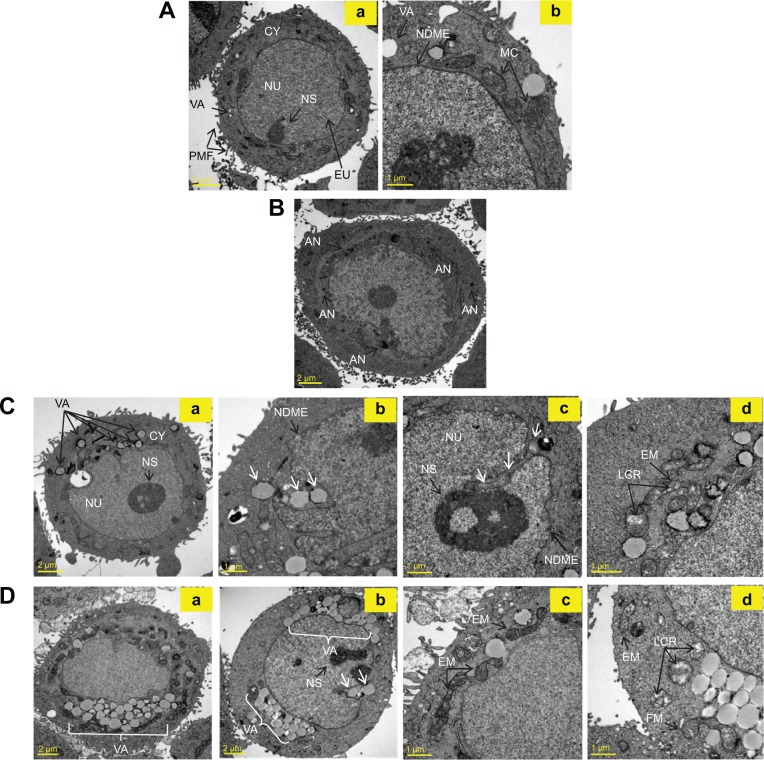
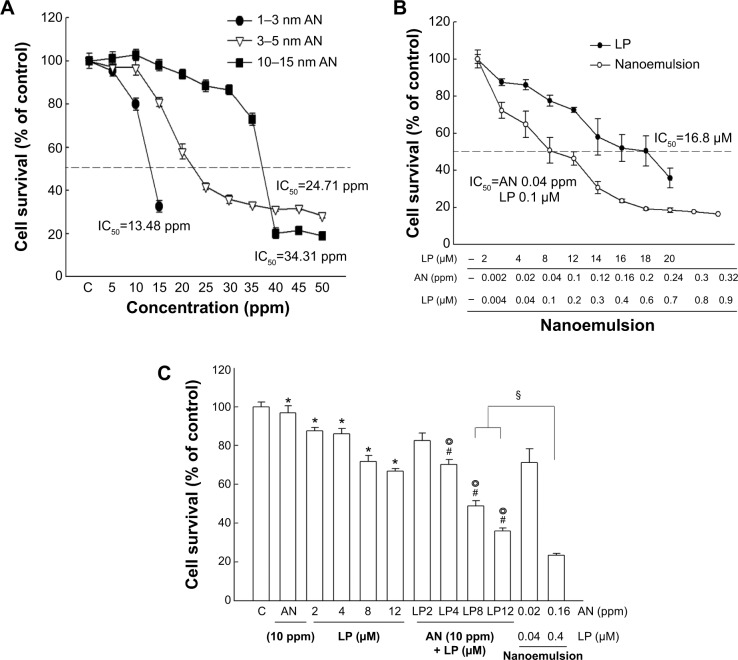
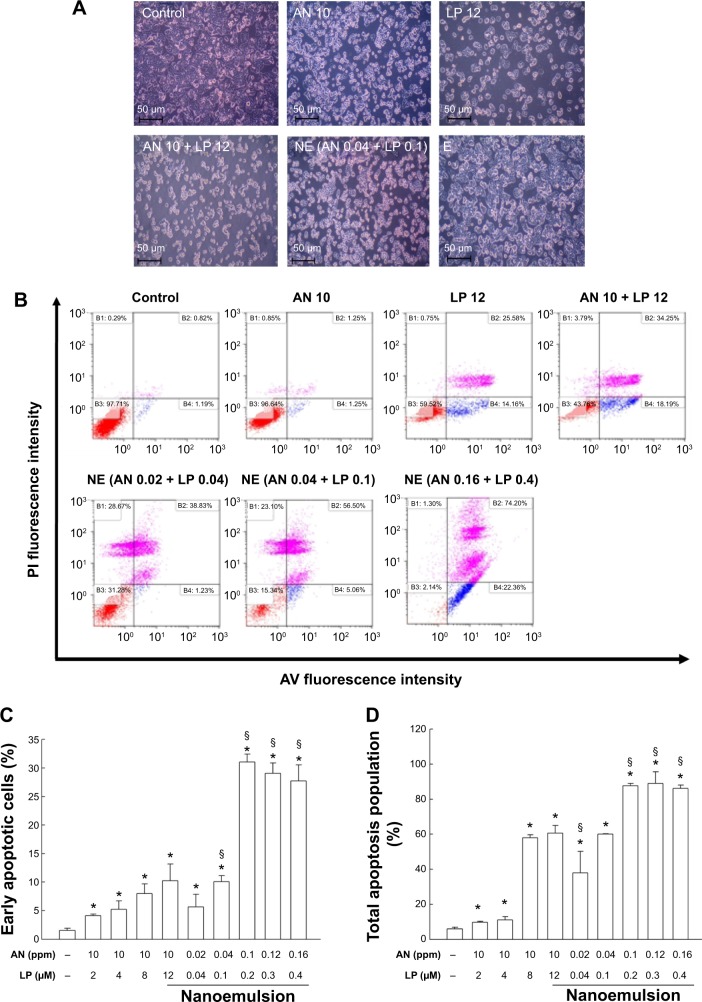
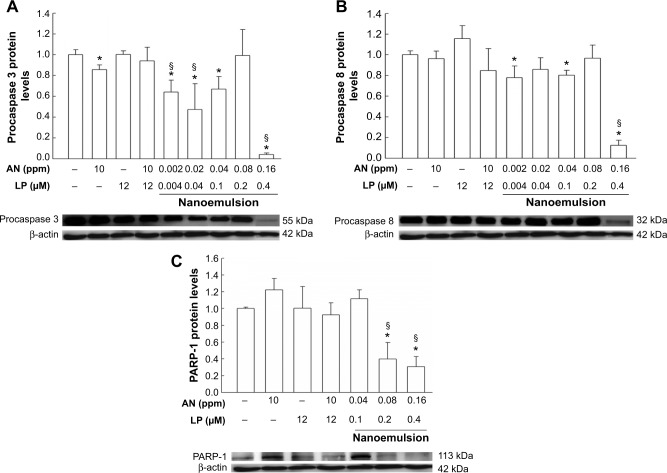
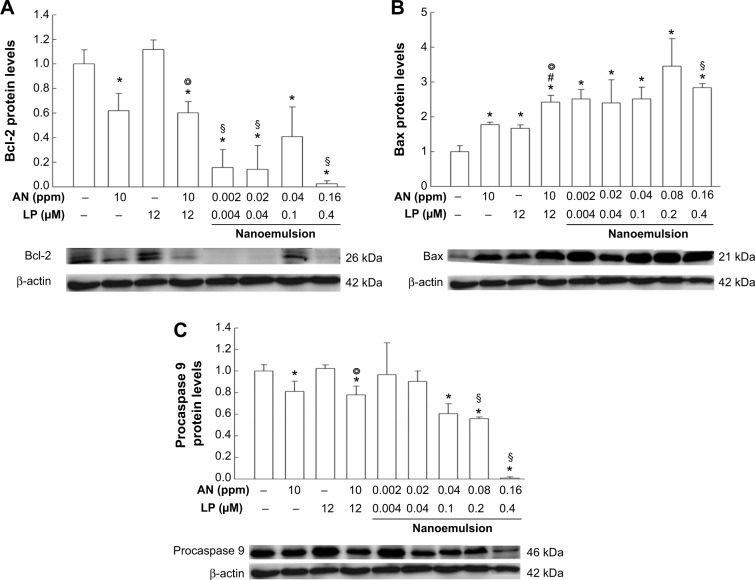
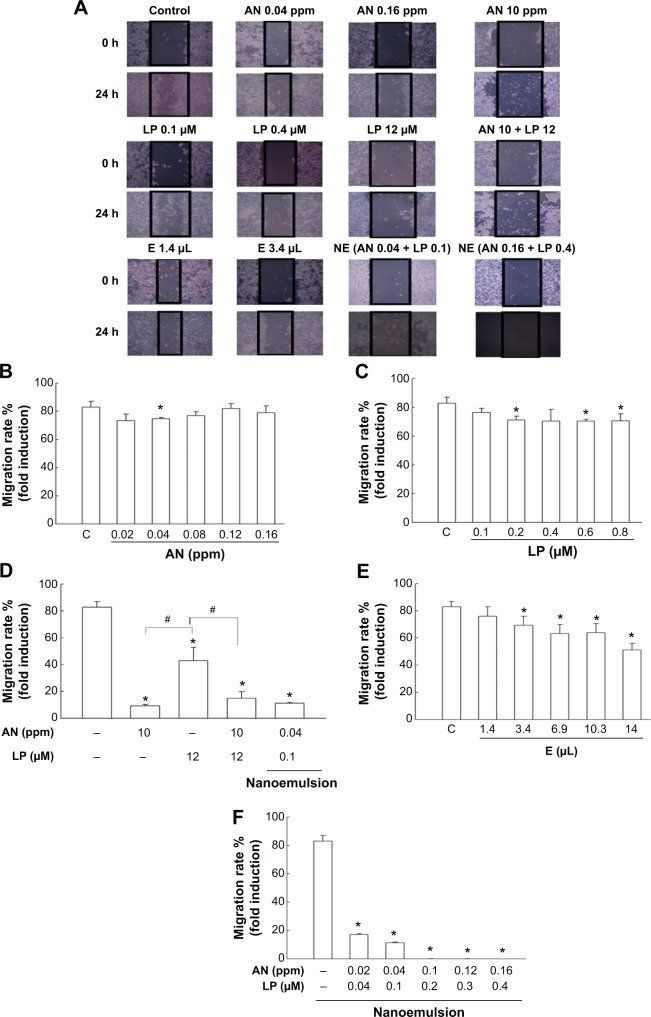
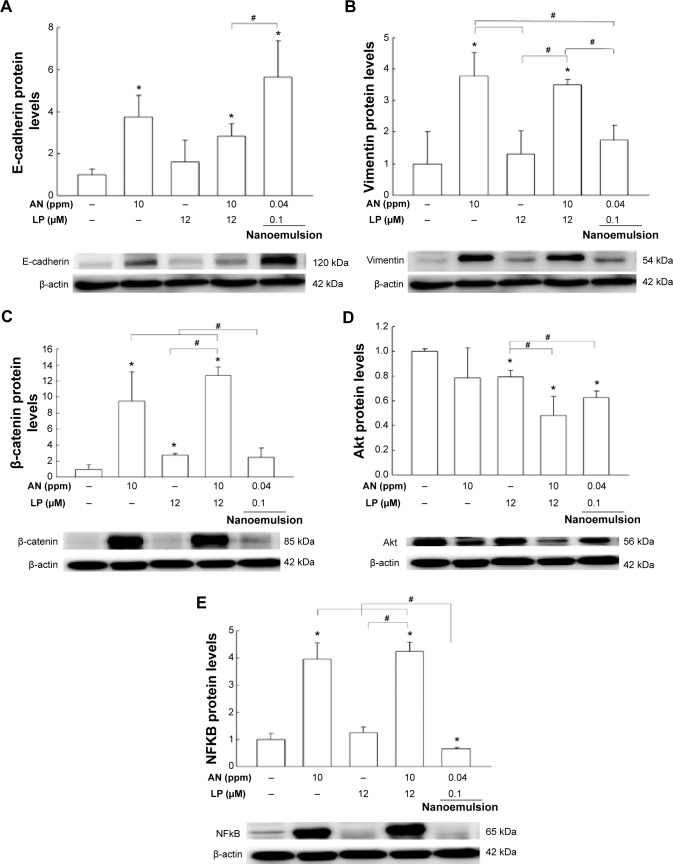
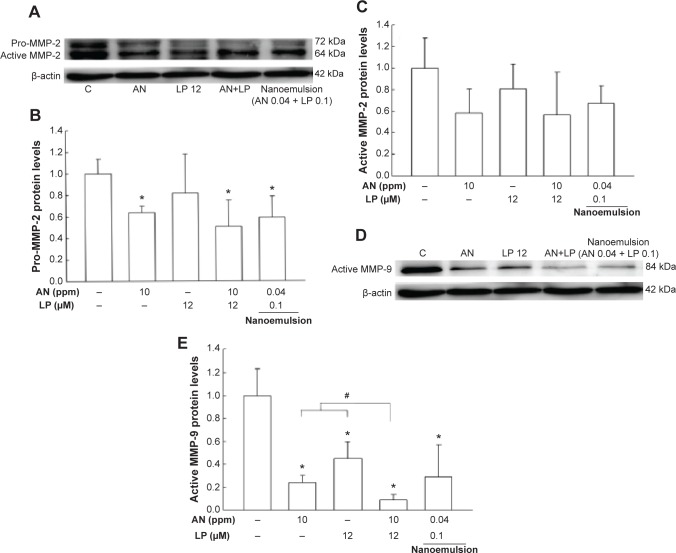
Lycopene (LP), an important functional compound in tomatoes, and gold nanoparticles (AN), have received considerable attention as potential candidates for cancer therapy. However, the extreme instability and poor bioavailability of LP limits its in vivo application. This study intends to develop a nanoemulsion system incorporating both LP and AN, and to study the possible synergistic effects on the inhibition of the HT-29 colon cancer cell line. LP-nanogold nanoemulsion containing Tween 80 as an emulsifier was prepared, followed by characterization using transmission electron microscopy (TEM), dynamic light scattering (DLS) analysis, ultraviolet spectroscopy, and zeta potential analysis. The particle size as determined by TEM and DLS was 21.3±3.7 nm and 25.0±4.2 nm for nanoemulsion and 4.7±1.1 nm and 3.3±0.6 nm for AN, while the zeta potential of nanoemulsion and AN was -32.2±1.8 mV and -48.5±2.7 mV, respectively. Compared with the control treatment, both the combo (AN 10 ppm plus LP 12 μM) and nanoemulsion (AN 0.16 ppm plus LP 0.4 μM) treatments resulted in a five- and 15-fold rise in early apoptotic cells of HT-29, respectively. Also, the nanoemulsion significantly reduced the expressions of procaspases 8, 3, and 9, as well as PARP-1 and Bcl-2, while Bax expression was enhanced. A fivefold decline in the migration capability of HT-29 cells was observed for this nanoemulsion when compared to control, with the invasion-associated markers being significantly reversed through the upregulation of the epithelial marker E-cadherin and downregulation of Akt, nuclear factor kappa B, pro-matrix metalloproteinase (MMP)-2, and active MMP-9 expressions. The TEM images revealed that numerous nanoemulsion-filled vacuoles invaded cytosol and converged into the mitochondria, resulting in an abnormally elongated morphology with reduced cristae and matrix contents, demonstrating a possible passive targeting effect. The nanoemulsion containing vacuoles were engulfed and internalized by the nuclear membrane envelop for subsequent invasion into the nucleoli. Taken together, LP-nanogold nanoemulsion could provide synergistic effects at AN and LP doses 250 and 120 times lower than that in the combo treatment, respectively, demonstrating the potential of nanoemulsion developed in this study for a possible application in colon cancer therapy.
番茄红素(LP)是番茄中的一种重要功能化合物,金纳米颗粒(AN)作为癌症治疗的潜在候选物受到了广泛关注。然而,LP的极度不稳定性和较差的生物利用度限制了其在体内的应用。本研究旨在开发一种同时包含LP和AN的纳米乳液系统,并研究其对HT - 29结肠癌细胞系抑制作用的可能协同效应。制备了以吐温80为乳化剂的LP - 纳米金纳米乳液,随后通过透射电子显微镜(TEM)、动态光散射(DLS)分析、紫外光谱和zeta电位分析对其进行表征。通过TEM和DLS测定,纳米乳液的粒径分别为21.3±3.7 nm和25.0±4.2 nm,AN的粒径分别为4.7±1.1 nm和3.3±0.6 nm,而纳米乳液和AN的zeta电位分别为 - 32.2±1.8 mV和 - 48.5±2.7 mV。与对照处理相比,联合处理(AN 10 ppm加LP 12 μM)和纳米乳液处理(AN 0.16 ppm加LP 0.4 μM)分别使HT - 29的早期凋亡细胞增加了5倍和15倍。此外,纳米乳液显著降低了procaspases 8、3和9以及PARP - 1和Bcl - 2的表达,同时增强了Bax的表达。与对照相比,该纳米乳液使HT - 29细胞的迁移能力下降了5倍,通过上调上皮标志物E - cadherin以及下调Akt、核因子κB、前基质金属蛋白酶(MMP) - 2和活性MMP - 9的表达,侵袭相关标志物得到了显著逆转。TEM图像显示,大量充满纳米乳液的液泡侵入细胞质并汇聚到线粒体中,导致线粒体形态异常拉长,嵴和基质含量减少,表明可能存在被动靶向效应。含有液泡的纳米乳液被核膜包裹吞噬并内化,随后侵入核仁。综上所述,LP - 纳米金纳米乳液在AN和LP剂量分别比联合处理低250倍和120倍时仍能产生协同效应,证明了本研究开发的纳米乳液在结肠癌治疗中可能具有应用潜力。