Deol Suprit, Weerasuriya Nisala, Shon Young-Seok
Department of Chemistry and Biochemistry , California State University , Long Beach , 1250 Bellflower Blvd. , Long Beach , California 90840 , USA . Email:
J Mater Chem B. 2015 Aug 7;3(29):6071-6080. doi: 10.1039/c5tb00608b. Epub 2015 Jul 1.
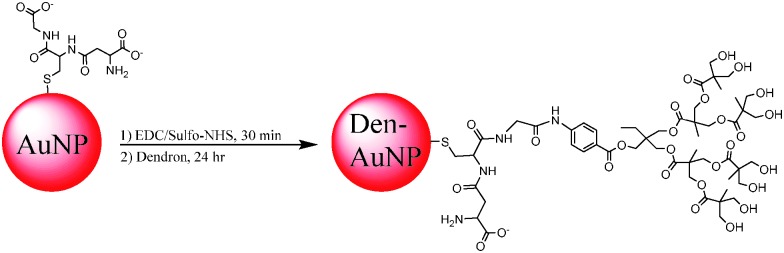
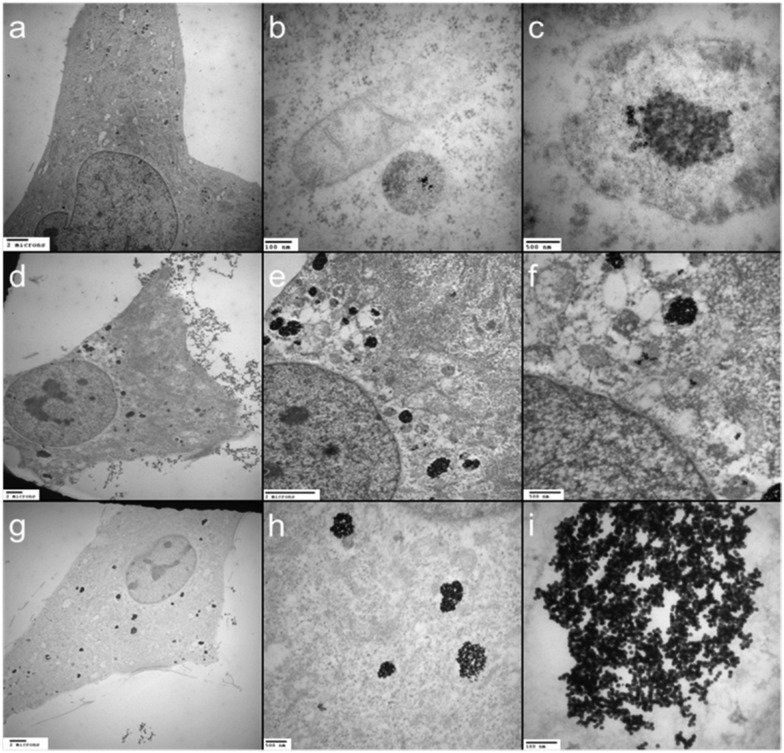
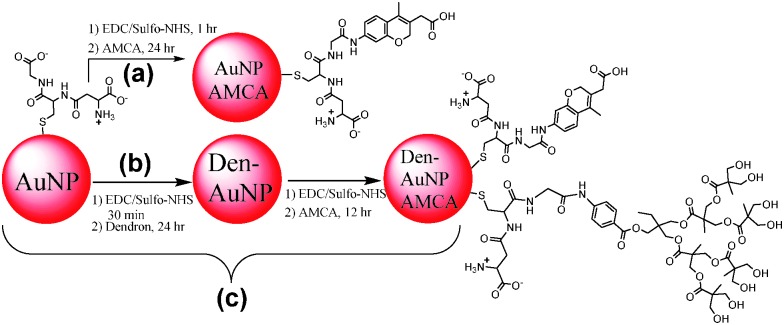
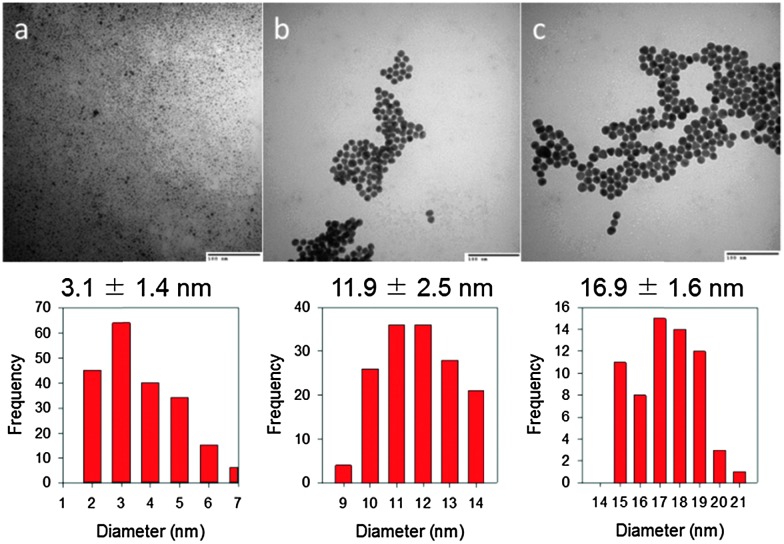
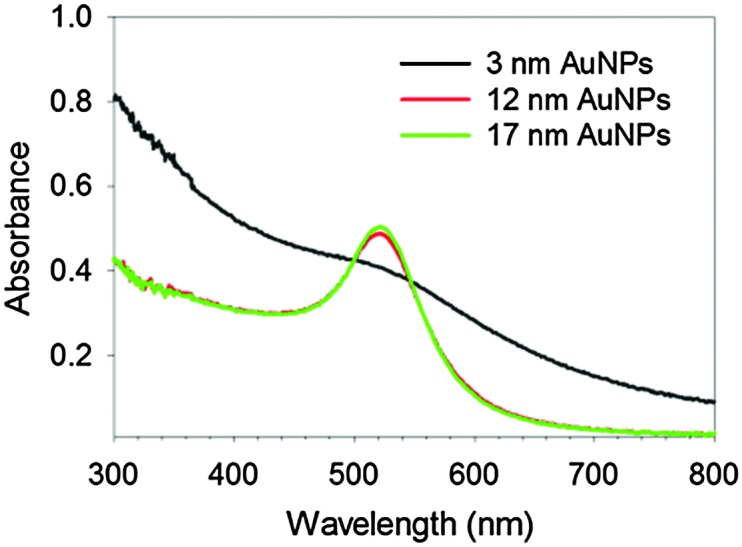
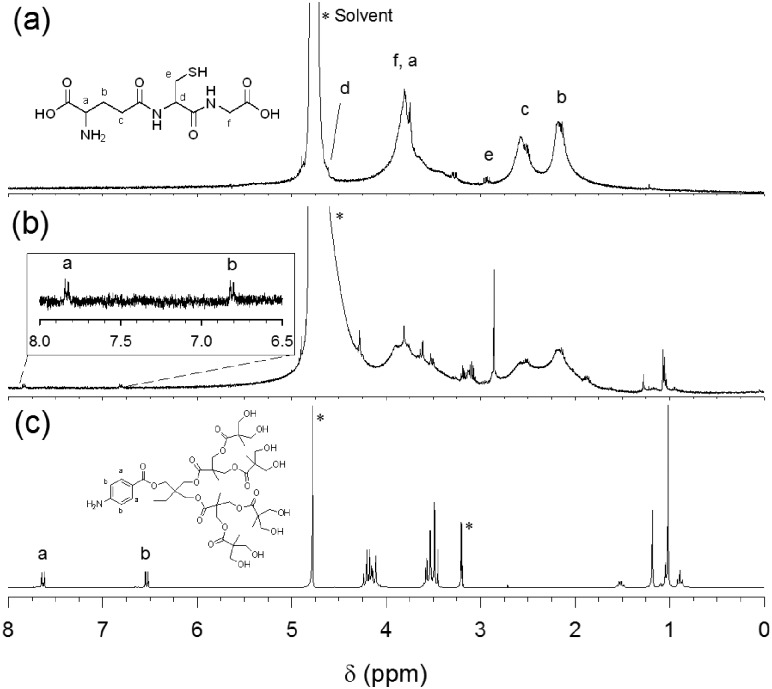
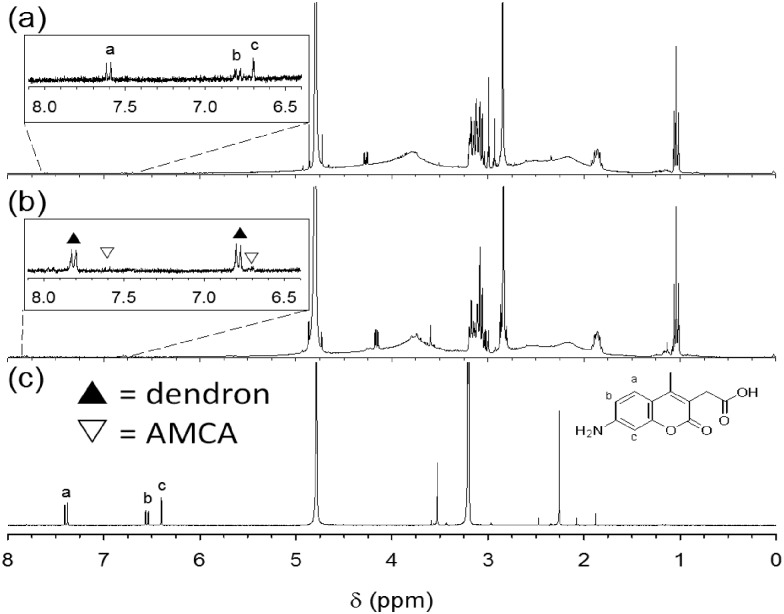
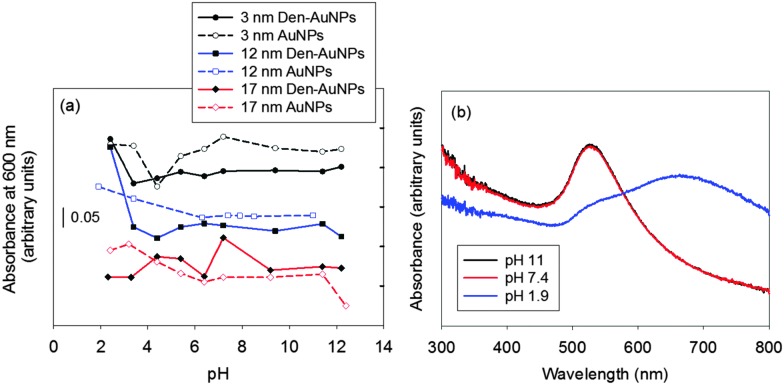
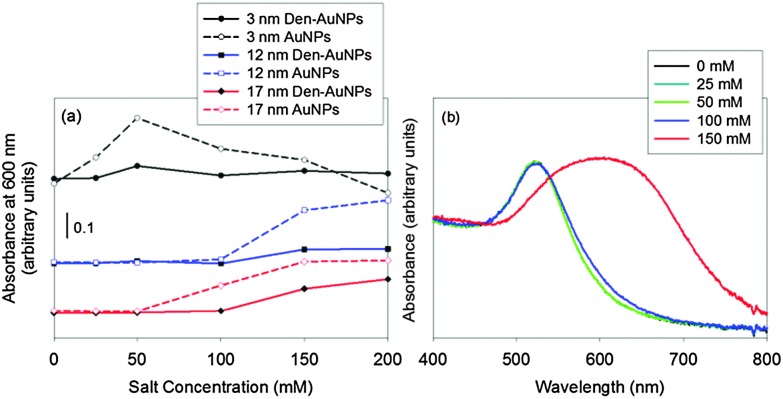
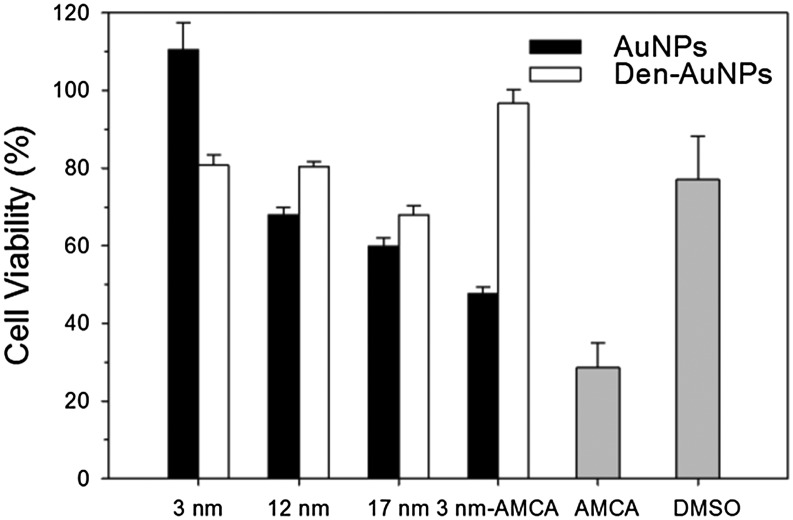
This article describes the synthesis of water-soluble dendron-conjugated gold nanoparticles (Den-AuNPs) with various average core sizes and the evaluation of stability, cytotoxicity, cell permeability and uptake of these materials. The characterization of Den-AuNPs using various techniques including transmission electron microscopy (TEM), matrix-assisted laser desorption/ionization-time of flight mass spectrometry (MALDI-TOF-MS), H NMR, FT-IR, and UV-vis spectroscopy confirms the dendron conjugation to the glutathione-capped gold nanoparticles (AuNPs). The stability of AuNPs and Den-AuNPs in solutions of different pH and salt concentration is determined by monitoring the changes in surface plasmon bands of gold using UV-vis spectroscopy. The stability of Den-AuNPs at different pH remained about the same compared to that of AuNPs. In comparison, the Den-AuNPs are found to be more stable than the precursor AuNPs maintaining their solubility in the aqueous solution with the salt concentration of up to 100 mM. The improved stability of Den-AuNPs suggests that the post-functionalization of thiol-capped gold nanoparticle surfaces with dendrons can further improve the physiological stability and biocompatibility of gold nanoparticle-based materials. Cytotoxicity studies of AuNPs and Den-AuNPs with and without fluorophores are also performed by examining cell viability for 3T3 fibroblasts using a MTT cell proliferation assay. The conjugation of dendrons to the AuNPs with a fluorophore is able to decrease the cytotoxicity brought about by the fluorophore. The successful uptake of Den-AuNPs in mouse fibroblast 3T3 cells shows the physiological viability of the hybrid materials.
本文描述了具有不同平均核尺寸的水溶性树枝状共轭金纳米颗粒(Den-AuNPs)的合成,以及对这些材料的稳定性、细胞毒性、细胞渗透性和摄取情况的评估。使用包括透射电子显微镜(TEM)、基质辅助激光解吸/电离飞行时间质谱(MALDI-TOF-MS)、核磁共振氢谱(¹H NMR)、傅里叶变换红外光谱(FT-IR)和紫外可见光谱等多种技术对Den-AuNPs进行表征,证实了树枝状分子与谷胱甘肽包覆的金纳米颗粒(AuNPs)发生了共轭。通过紫外可见光谱监测金的表面等离子体带的变化,确定了AuNPs和Den-AuNPs在不同pH和盐浓度溶液中的稳定性。与AuNPs相比,Den-AuNPs在不同pH下的稳定性基本保持不变。相比之下,发现Den-AuNPs比前体AuNPs更稳定,在盐浓度高达100 mM的水溶液中仍保持其溶解性。Den-AuNPs稳定性的提高表明,用树枝状分子对硫醇包覆的金纳米颗粒表面进行后功能化可以进一步提高基于金纳米颗粒材料的生理稳定性和生物相容性。还通过使用MTT细胞增殖试验检测3T3成纤维细胞的细胞活力,对有无荧光团的AuNPs和Den-AuNPs进行了细胞毒性研究。树枝状分子与带有荧光团的AuNPs共轭能够降低荧光团带来的细胞毒性。Den-AuNPs在小鼠成纤维细胞3T3中的成功摄取表明了这种杂化材料的生理活性。