Alert Bianca, Michalik Andreas, Thiele Nadine, Bottesch Michael, Mouritsen Henrik
Institut für Biologie und Umweltwissenschaften, Carl von Ossietzky Universität Oldenburg, D-26111 Oldenburg, Germany.
Research Centre for Neurosensory Sciences, University of Oldenburg, Carl-von-Ossietzky-Straße 9-11, D-26129 Oldenburg, Germany.
Sci Rep. 2015 Sep 21;5:14323. doi: 10.1038/srep14323.
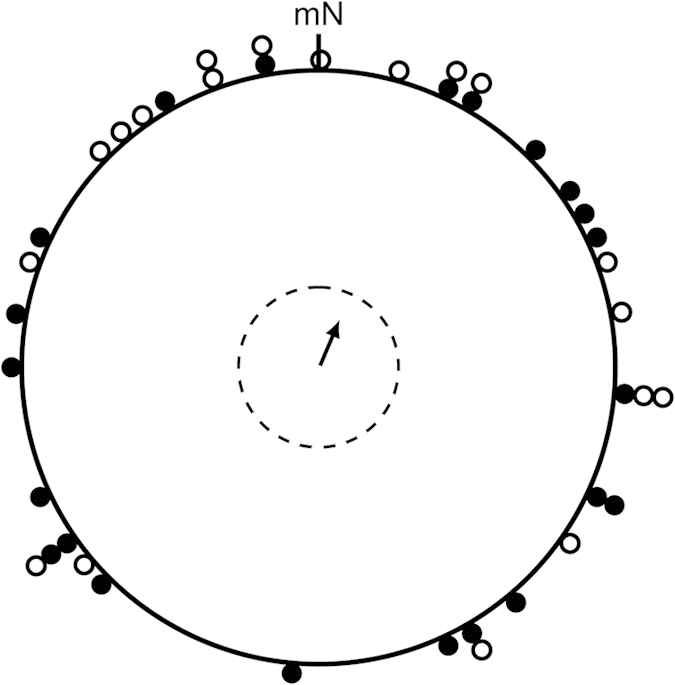
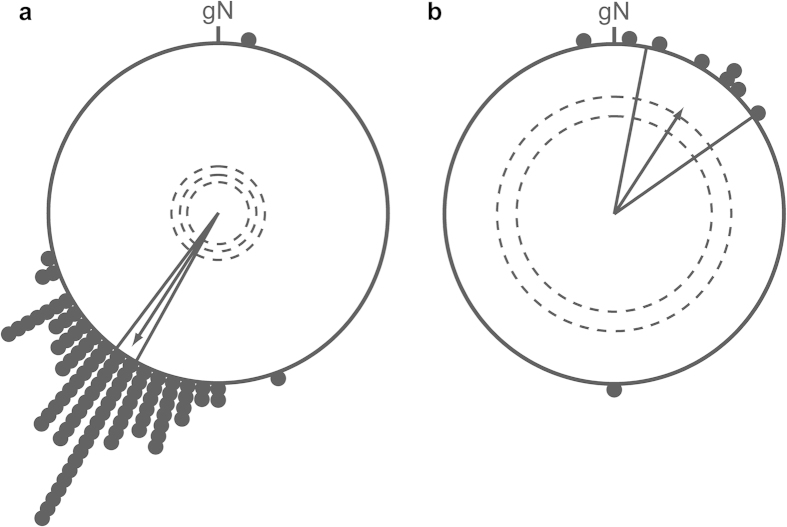
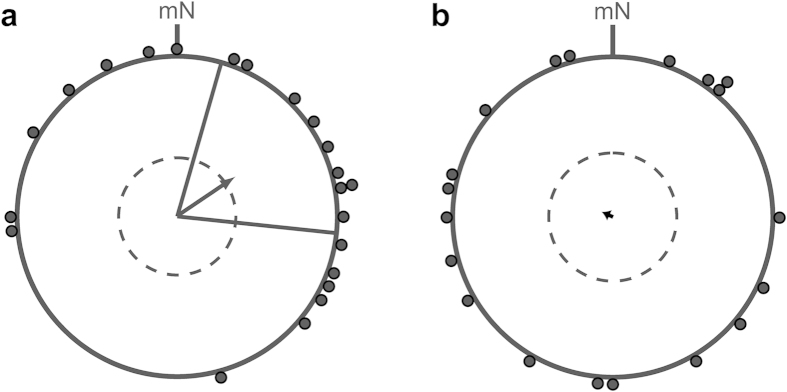
Migratory birds can use a variety of environmental cues for orientation. A primary calibration between the celestial and magnetic compasses seems to be fundamental prior to a bird's first autumn migration. Releasing hand-raised or rescued young birds back into the wild might therefore be a problem because they might not have established a functional orientation system during their first calendar year. Here, we test whether hand-raised European robins that did not develop any functional compass before or during their first autumn migration could relearn to orient if they were exposed to natural celestial cues during the subsequent winter and spring. When tested in the geomagnetic field without access to celestial cues, these birds could orient in their species-specific spring migratory direction. In contrast, control birds that were deprived of any natural celestial cues throughout remained unable to orient. Our experiments suggest that European robins are still capable of establishing a functional orientation system after their first autumn. Although the external reference remains speculative, most likely, natural celestial cues enabled our birds to calibrate their magnetic compass. Our data suggest that avian compass systems are more flexible than previously believed and have implications for the release of hand-reared migratory birds.
候鸟可以利用多种环境线索来定向。在鸟类首次秋季迁徙之前,天体罗盘和磁罗盘之间的初步校准似乎是至关重要的。因此,将人工饲养或救助的幼鸟放归野外可能会成为一个问题,因为它们在第一个自然年期间可能尚未建立起有效的定向系统。在此,我们测试了在首次秋季迁徙之前或期间没有形成任何有效罗盘的人工饲养的欧洲知更鸟,如果在随后的冬季和春季接触自然天体线索,是否能够重新学会定向。当在没有天体线索的地磁场中进行测试时,这些鸟类能够朝着其特定物种的春季迁徙方向定向。相比之下,在整个实验过程中被剥夺任何自然天体线索的对照鸟类仍然无法定向。我们的实验表明,欧洲知更鸟在首次秋季迁徙之后仍有能力建立一个有效的定向系统。尽管外部参考仍具有推测性,但最有可能的是,自然天体线索使我们的鸟类能够校准它们的磁罗盘。我们的数据表明,鸟类的罗盘系统比以前认为的更加灵活,这对人工饲养的候鸟放归具有启示意义。