Park Jin Hwan, Jo Youmi, Jang Song Yee, Kwon Haenaem, Irie Yasuhiko, Parsek Matthew R, Kim Myung Hee, Choi Sang Ho
National Research Laboratory of Molecular Microbiology and Toxicology, Department of Agricultural Biotechnology, and Center for Food Safety and Toxicology, Seoul National University, Seoul, South Korea.
Infection and Immunity Research Center, Korea Research Institute of Bioscience and Biotechnology, Daejeon, South Korea.
PLoS Pathog. 2015 Sep 25;11(9):e1005192. doi: 10.1371/journal.ppat.1005192. eCollection 2015 Sep.
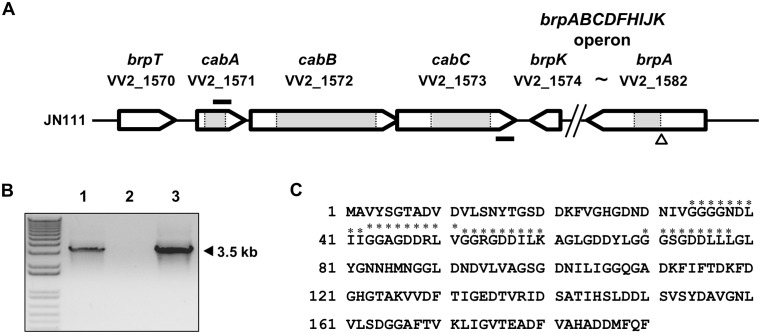
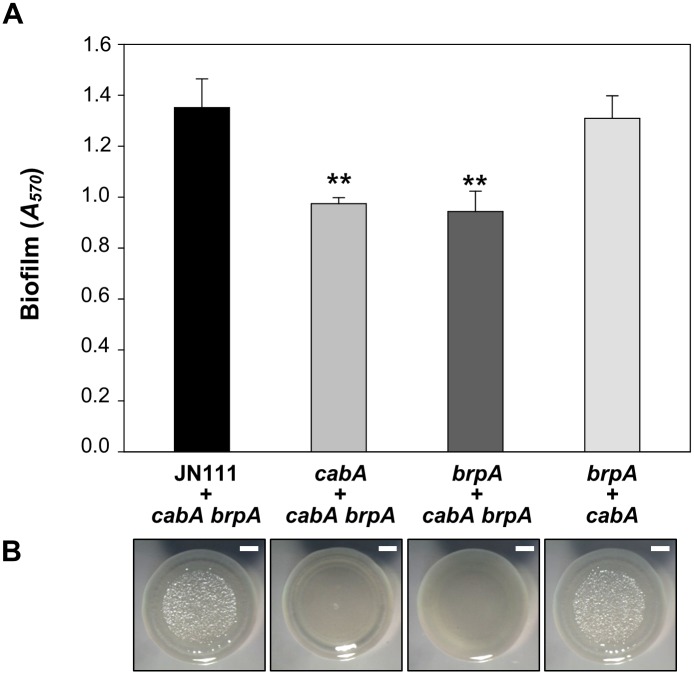
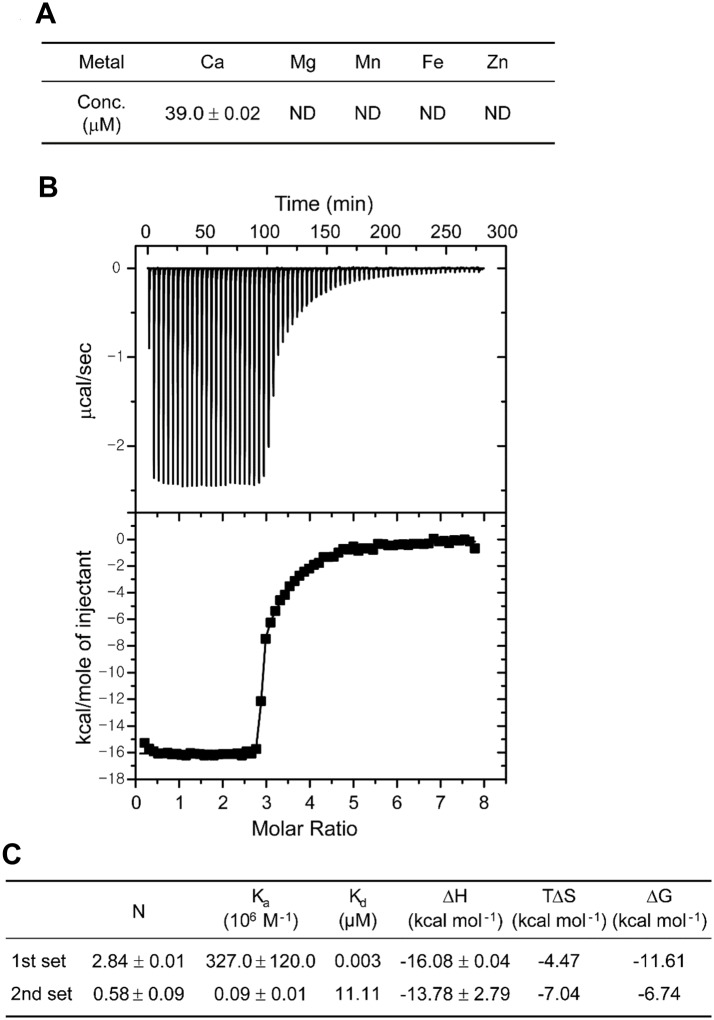
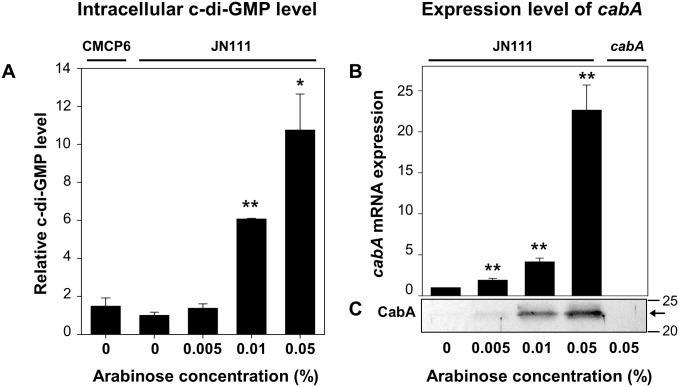
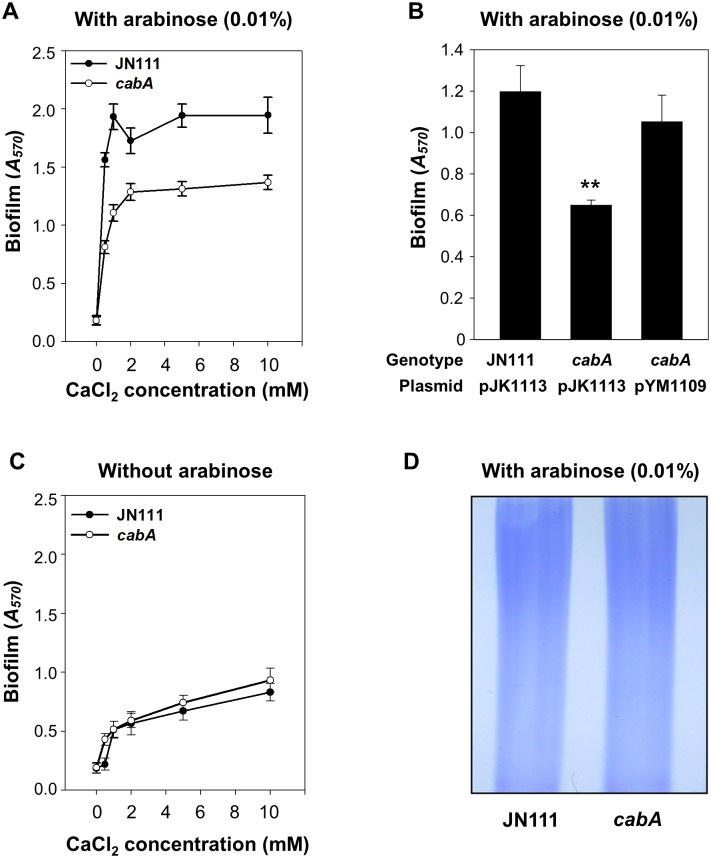
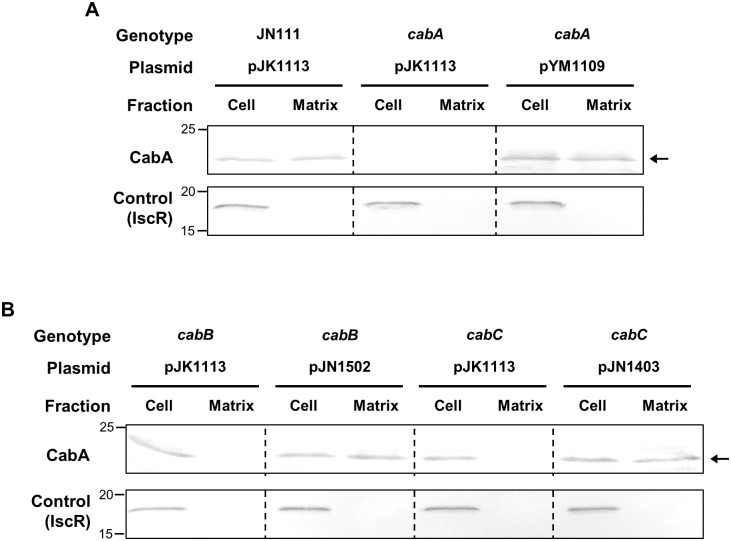
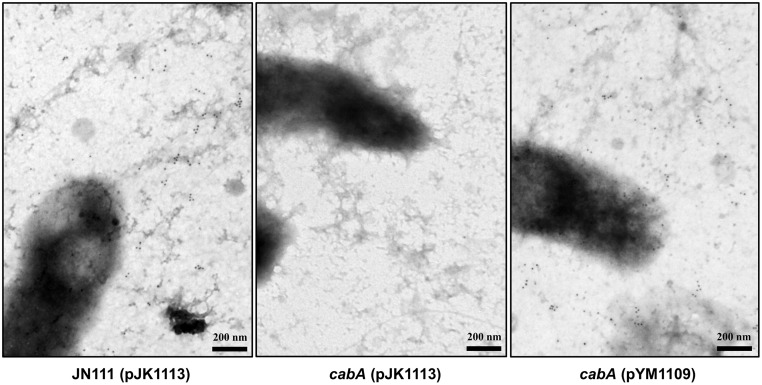
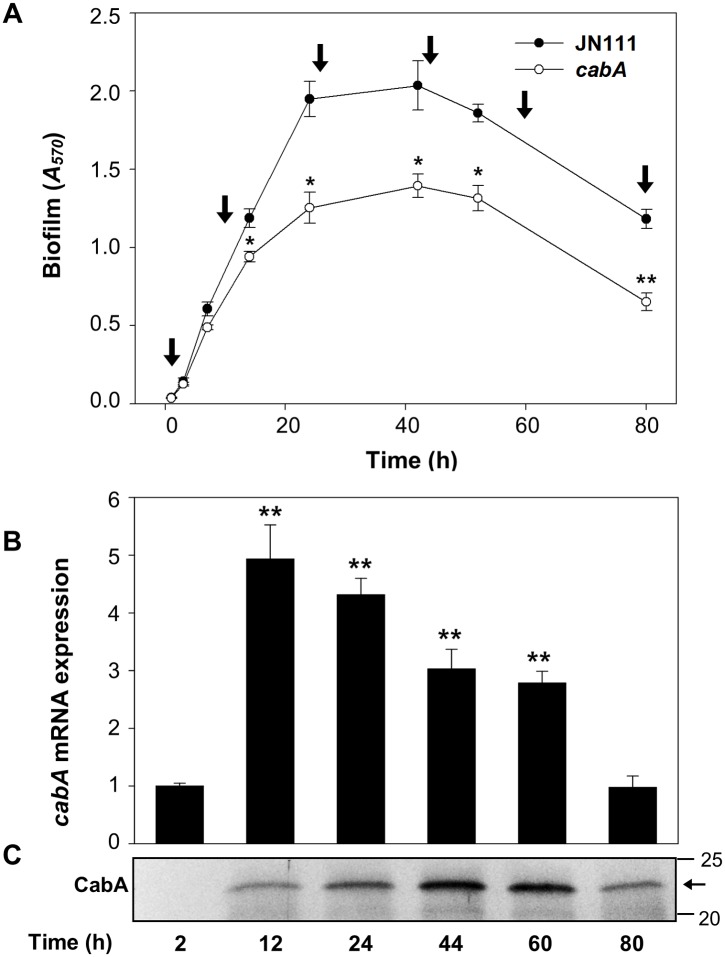
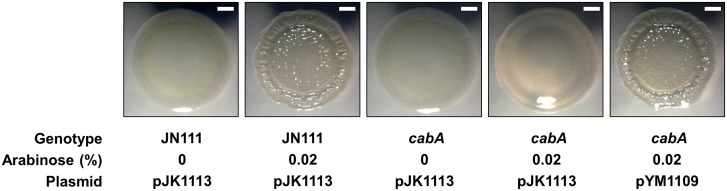
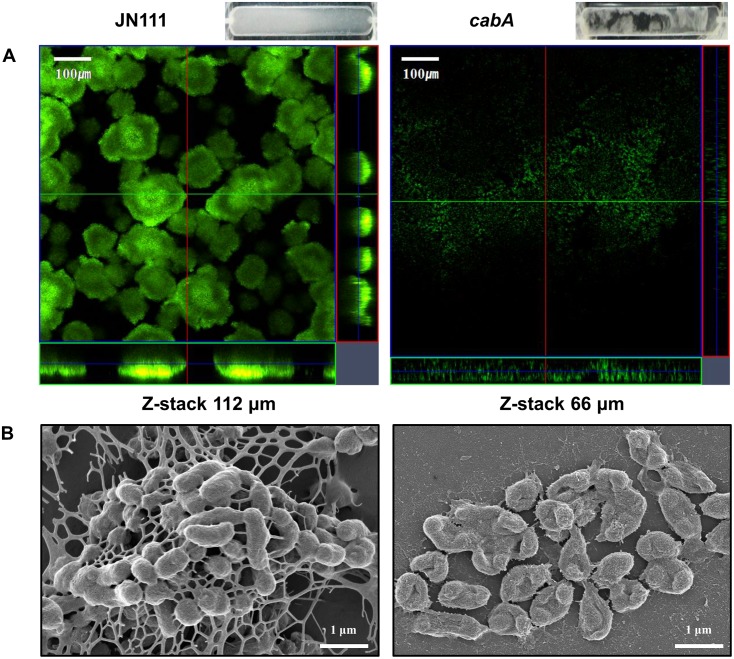
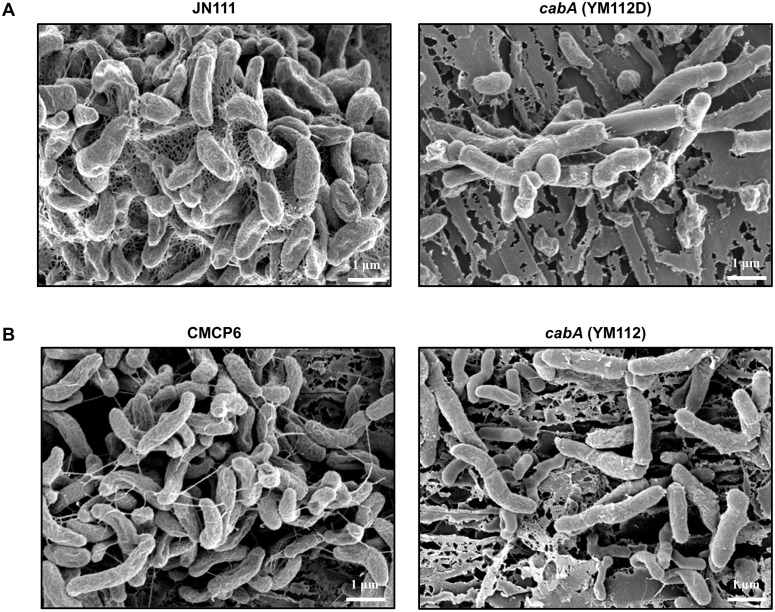
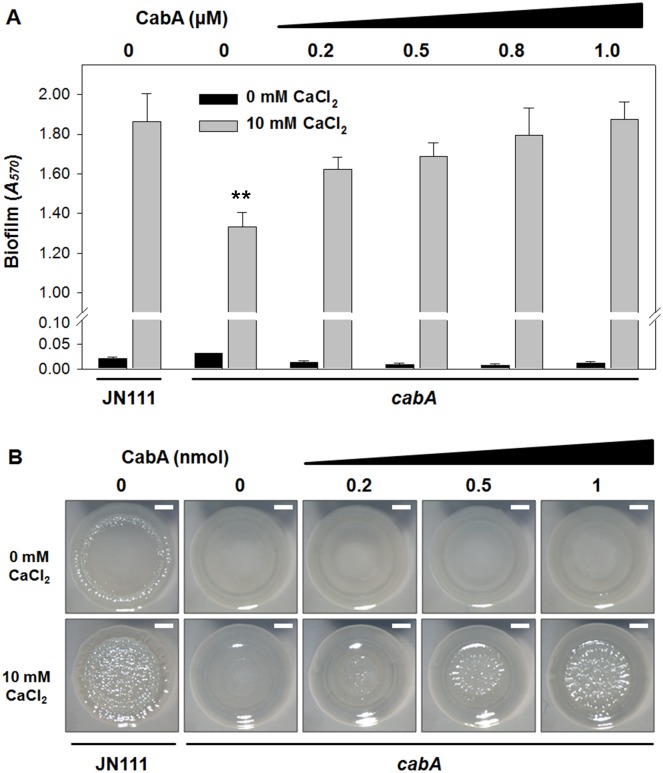
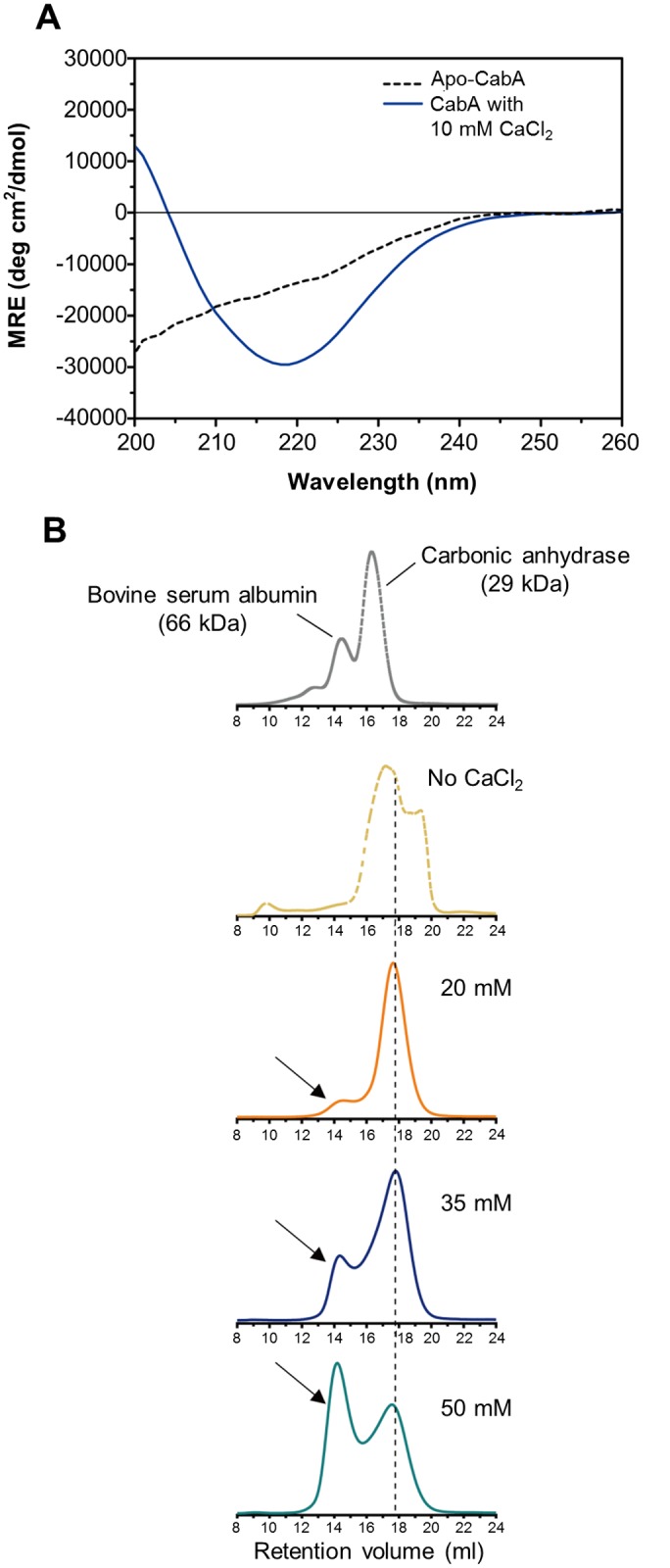
A transcriptome analysis identified Vibrio vulnificus cabABC genes which were preferentially expressed in biofilms. The cabABC genes were transcribed as a single operon. The cabA gene was induced by elevated 3',5'-cyclic diguanylic acid (c-di-GMP) and encoded a calcium-binding protein CabA. Comparison of the biofilms produced by the cabA mutant and its parent strain JN111 in microtiter plates using crystal-violet staining demonstrated that CabA contributed to biofilm formation in a calcium-dependent manner under elevated c-di-GMP conditions. Genetic and biochemical analyses revealed that CabA was secreted to the cell exterior through functional CabB and CabC, distributed throughout the biofilm matrix, and produced as the biofilm matured. These results, together with the observation that CabA also contributes to the development of rugose colony morphology, indicated that CabA is a matrix-associated protein required for maturation, rather than adhesion involved in the initial attachment, of biofilms. Microscopic comparison of the structure of biofilms produced by JN111 and the cabA mutant demonstrated that CabA is an extracellular matrix component essential for the development of the mature biofilm structures in flow cells and on oyster shells. Exogenously providing purified CabA restored the biofilm- and rugose colony-forming abilities of the cabA mutant when calcium was available. Circular dichroism and size exclusion analyses revealed that calcium binding induces CabA conformational changes which may lead to multimerization. Extracellular complementation experiments revealed that CabA can assemble a functional matrix only when exopolysaccharides coexist. Consequently, the combined results suggested that CabA is a structural protein of the extracellular matrix and multimerizes to a conformation functional in building robust biofilms, which may render V. vulnificus to survive in hostile environments and reach a concentrated infective dose.
转录组分析鉴定出了创伤弧菌的cabABC基因,这些基因在生物膜中优先表达。cabABC基因作为一个单一操纵子进行转录。cabA基因由升高的3',5'-环二鸟苷酸(c-di-GMP)诱导,编码一种钙结合蛋白CabA。使用结晶紫染色对cabA突变体及其亲本菌株JN111在微孔板中产生的生物膜进行比较,结果表明在c-di-GMP升高的条件下,CabA以钙依赖的方式促进生物膜形成。遗传和生化分析表明,CabA通过功能性的CabB和CabC分泌到细胞外,分布在整个生物膜基质中,并在生物膜成熟时产生。这些结果,连同CabA也有助于皱纹菌落形态发展的观察结果,表明CabA是生物膜成熟所需的与基质相关的蛋白质,而不是参与初始附着的粘附蛋白。对JN111和cabA突变体产生的生物膜结构进行显微镜比较表明,CabA是流动小室和牡蛎壳上成熟生物膜结构发育所必需的细胞外基质成分。当有钙存在时,外源提供纯化的CabA可恢复cabA突变体的生物膜形成和皱纹菌落形成能力。圆二色性和尺寸排阻分析表明,钙结合会诱导CabA构象变化,这可能导致多聚化。细胞外互补实验表明,只有当胞外多糖共存时,CabA才能组装功能性基质。因此,综合结果表明,CabA是细胞外基质的结构蛋白,多聚化为在构建坚固生物膜中起作用的构象,这可能使创伤弧菌在恶劣环境中生存并达到浓缩感染剂量。