Pontel Lucas B, Rosado Ivan V, Burgos-Barragan Guillermo, Garaycoechea Juan I, Yu Rui, Arends Mark J, Chandrasekaran Gayathri, Broecker Verena, Wei Wei, Liu Limin, Swenberg James A, Crossan Gerry P, Patel Ketan J
MRC Laboratory of Molecular Biology, Francis Crick Avenue, Cambridge CB2 0QH, UK.
MRC Laboratory of Molecular Biology, Francis Crick Avenue, Cambridge CB2 0QH, UK; Instituto de Biomedicina de Sevilla (IBiS) Hospital Universitario Virgen del Rocío/CSIC/Universidad de Sevilla, 41013 Seville, Spain.
Mol Cell. 2015 Oct 1;60(1):177-88. doi: 10.1016/j.molcel.2015.08.020. Epub 2015 Sep 24.
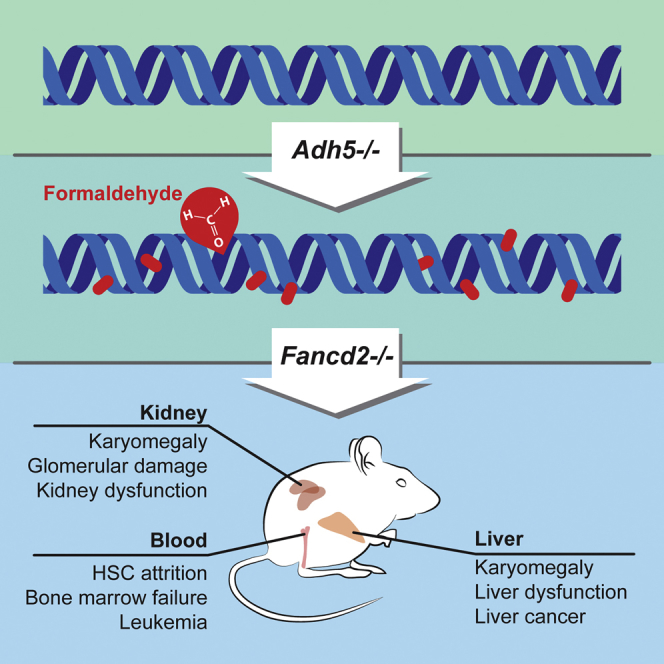
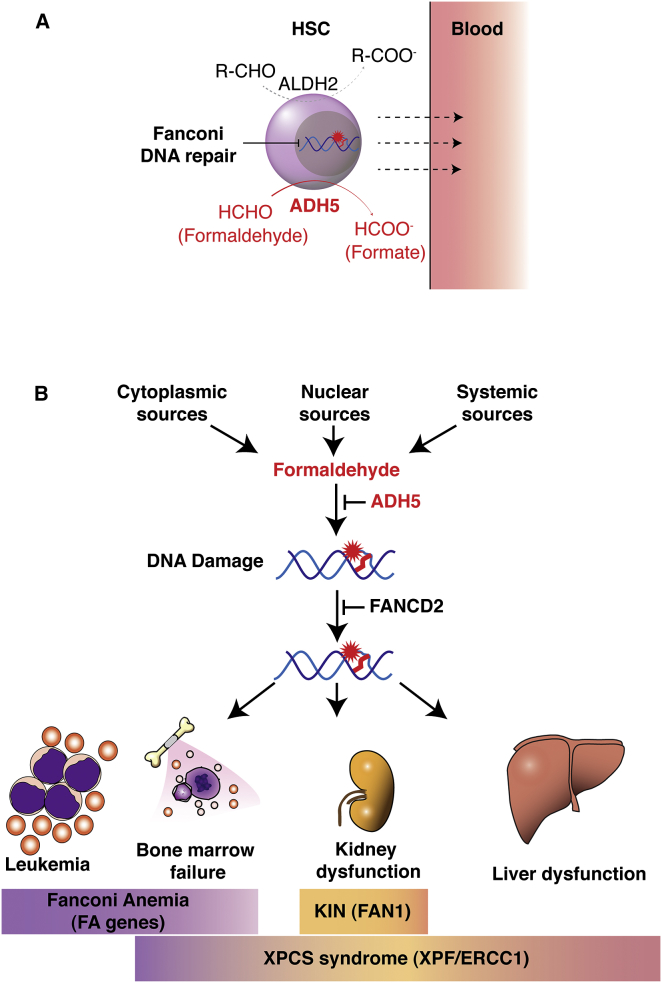
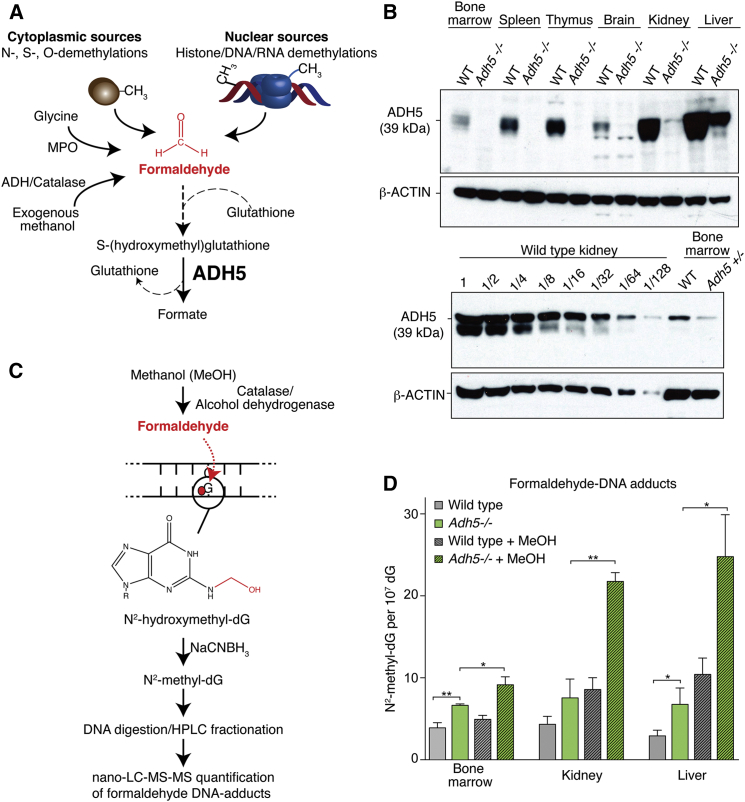
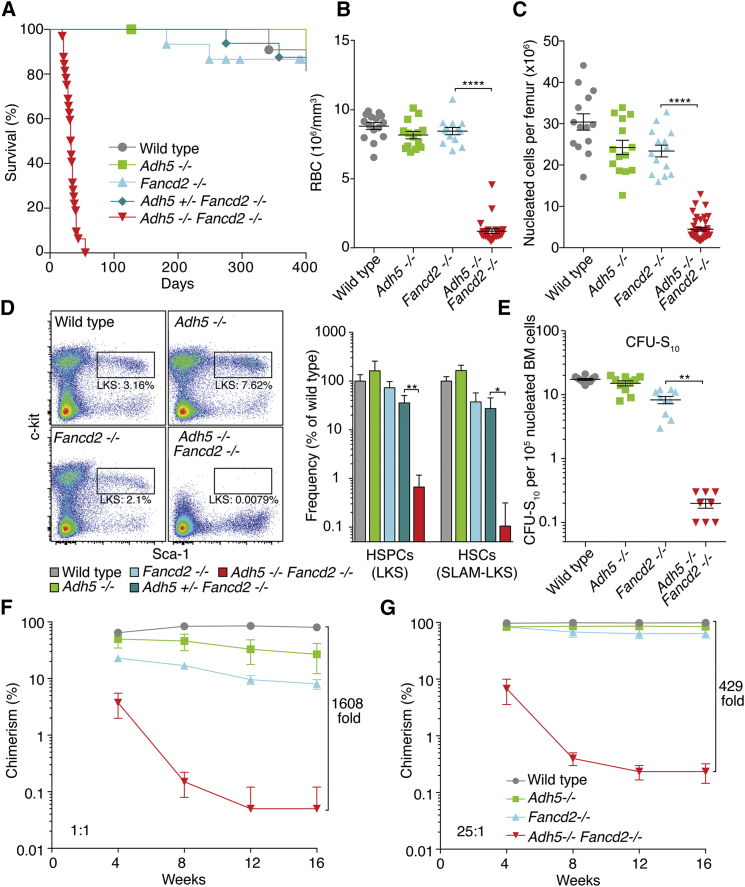
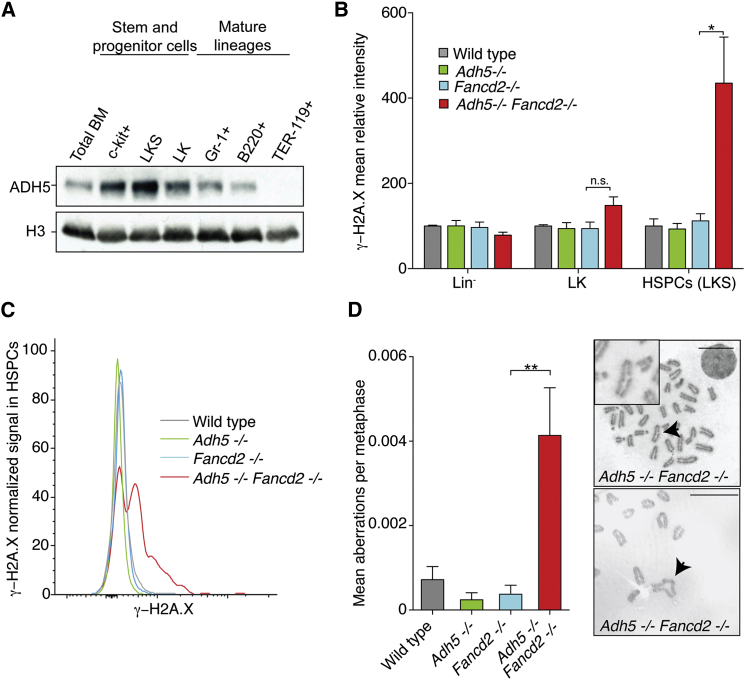
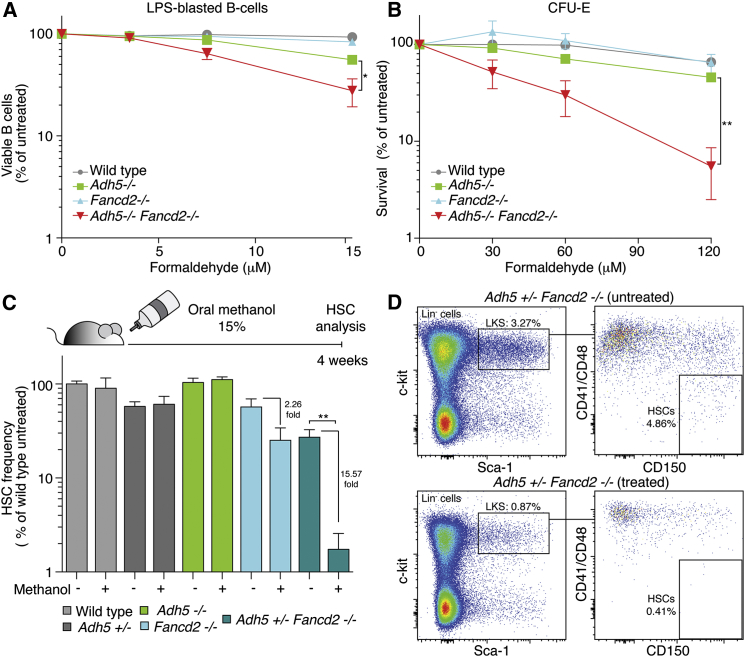
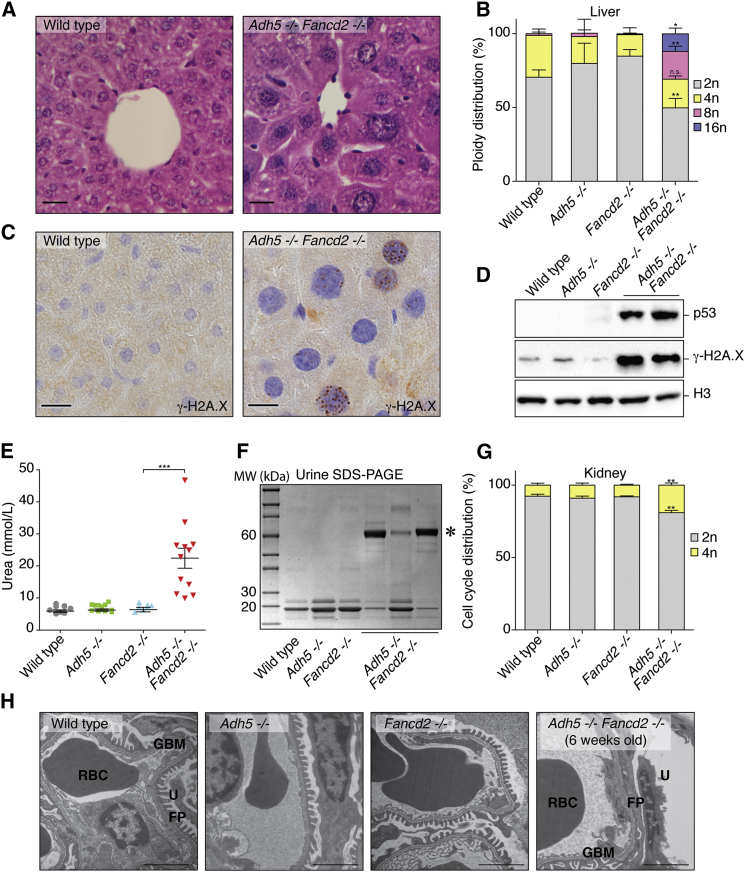
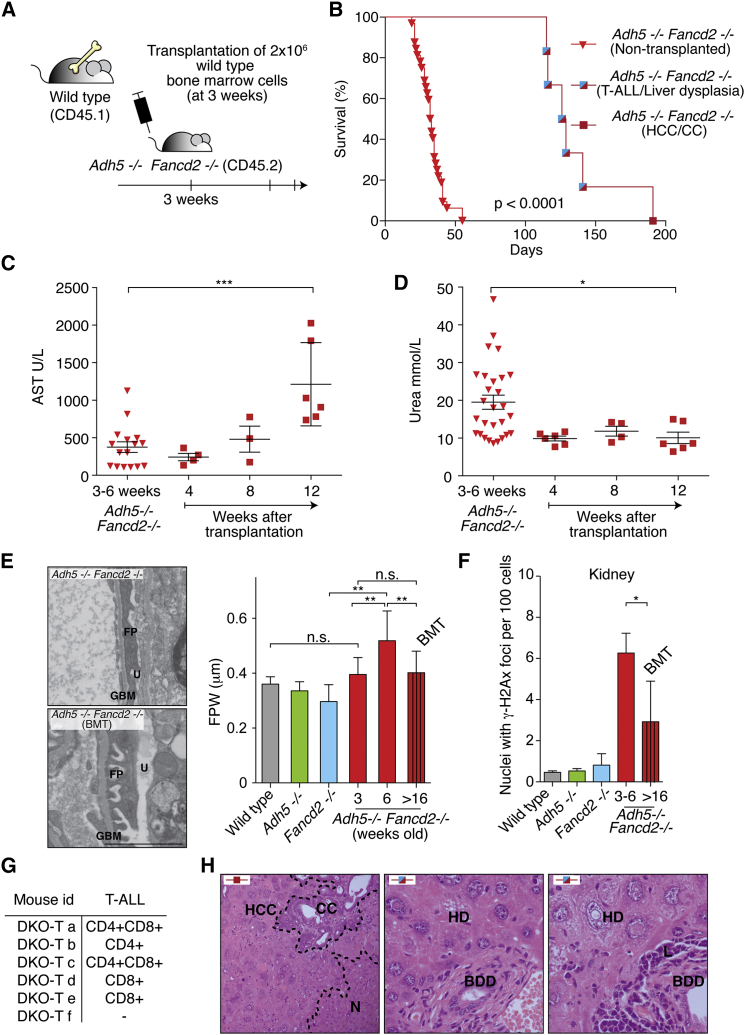
Endogenous formaldehyde is produced by numerous biochemical pathways fundamental to life, and it can crosslink both DNA and proteins. However, the consequences of its accumulation are unclear. Here we show that endogenous formaldehyde is removed by the enzyme alcohol dehydrogenase 5 (ADH5/GSNOR), and Adh5(-/-) mice therefore accumulate formaldehyde adducts in DNA. The repair of this damage is mediated by FANCD2, a DNA crosslink repair protein. Adh5(-/-)Fancd2(-/-) mice reveal an essential requirement for these protection mechanisms in hematopoietic stem cells (HSCs), leading to their depletion and precipitating bone marrow failure. More widespread formaldehyde-induced DNA damage also causes karyomegaly and dysfunction of hepatocytes and nephrons. Bone marrow transplantation not only rescued hematopoiesis but, surprisingly, also preserved nephron function. Nevertheless, all of these animals eventually developed fatal malignancies. Formaldehyde is therefore an important source of endogenous DNA damage that is counteracted in mammals by a conserved protection mechanism.
内源性甲醛由生命所必需的众多生化途径产生,它能使DNA和蛋白质发生交联。然而,其积累的后果尚不清楚。在此我们表明,内源性甲醛可被乙醇脱氢酶5(ADH5/GSNOR)清除,因此Adh5基因敲除小鼠在DNA中积累甲醛加合物。这种损伤的修复由DNA交联修复蛋白FANCD2介导。Adh5基因敲除Fancd2基因敲除小鼠显示,造血干细胞(HSC)中的这些保护机制至关重要,会导致其耗竭并引发骨髓衰竭。更广泛的甲醛诱导的DNA损伤还会导致肝细胞核肿大以及肝细胞和肾单位功能障碍。骨髓移植不仅挽救了造血功能,而且令人惊讶的是,还保留了肾单位功能。然而,所有这些动物最终都患上了致命的恶性肿瘤。因此,甲醛是内源性DNA损伤的一个重要来源,在哺乳动物中通过一种保守的保护机制来对抗。