Wurzer Bettina, Zaffagnini Gabriele, Fracchiolla Dorotea, Turco Eleonora, Abert Christine, Romanov Julia, Martens Sascha
Max F. Perutz Laboratories, University of Vienna, Vienna Biocenter, Vienna, Austria.
Elife. 2015 Sep 28;4:e08941. doi: 10.7554/eLife.08941.
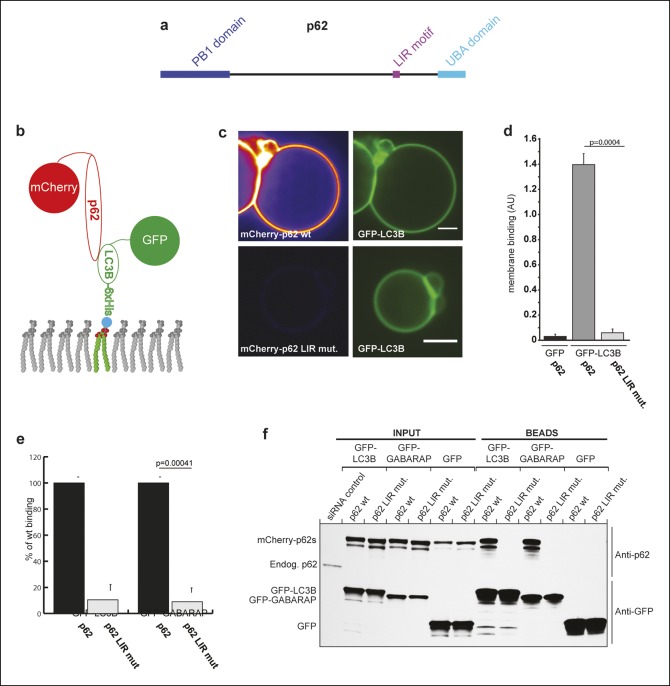
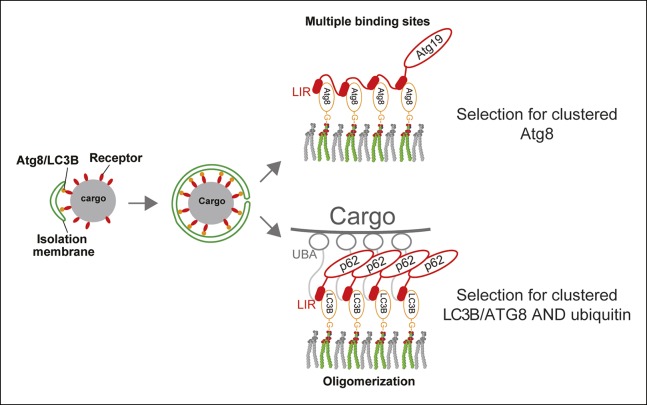
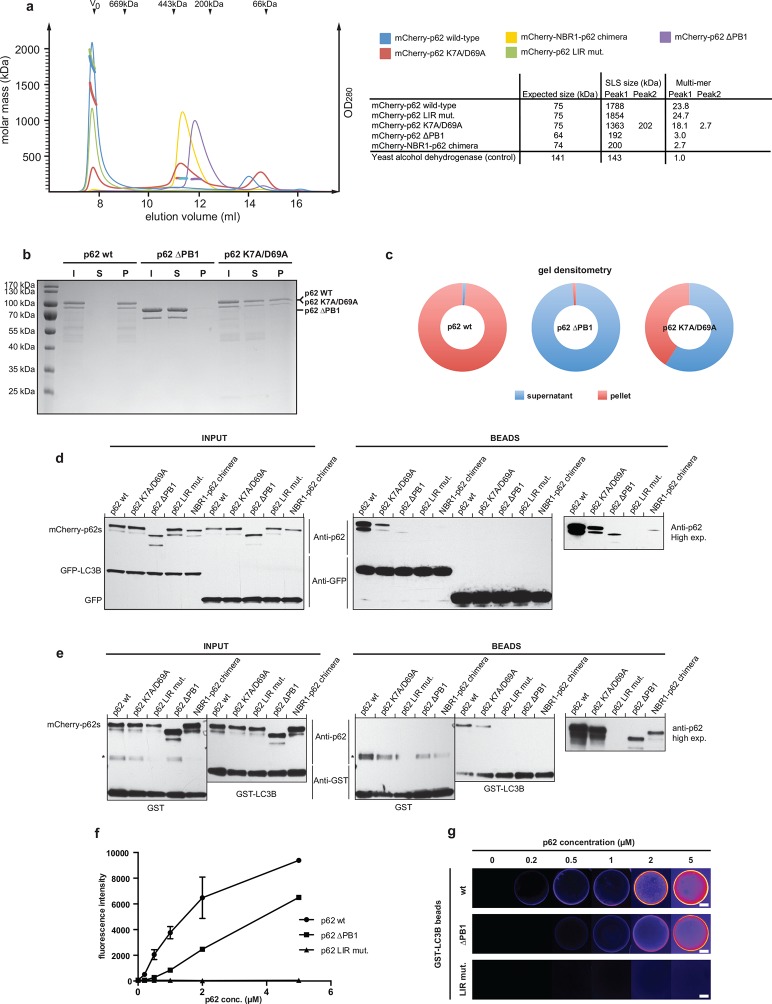
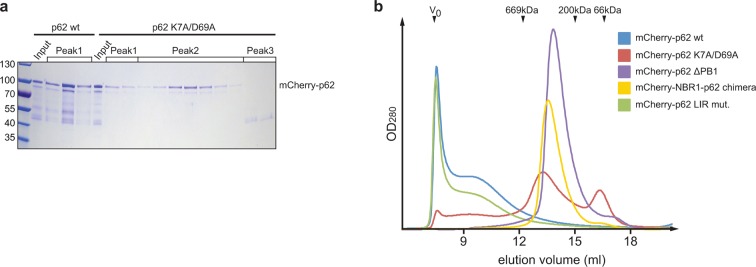
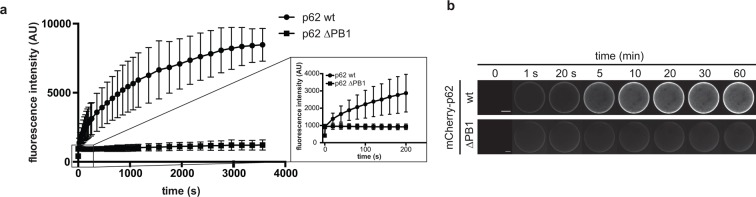
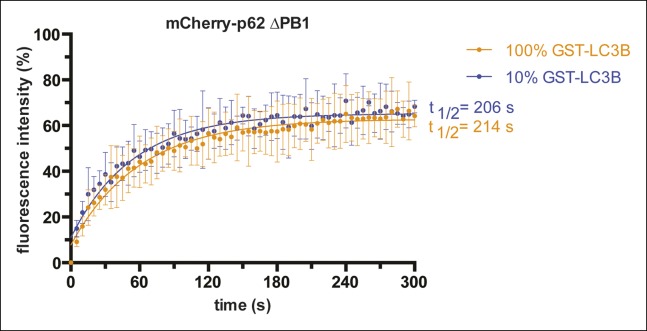
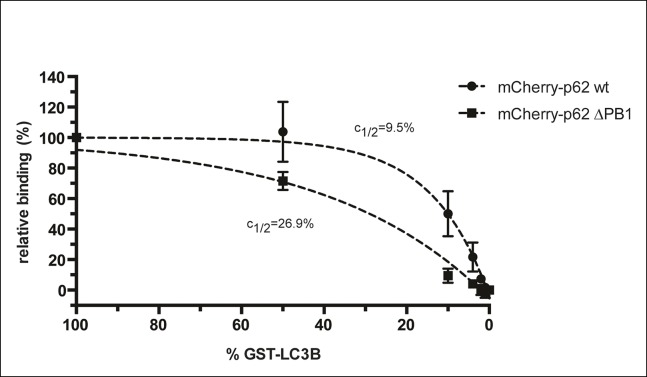
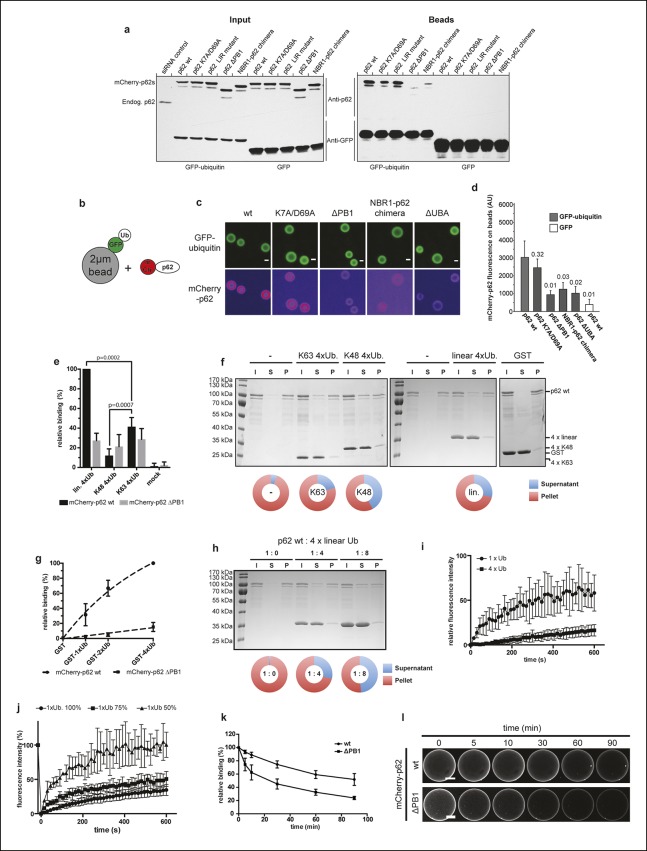
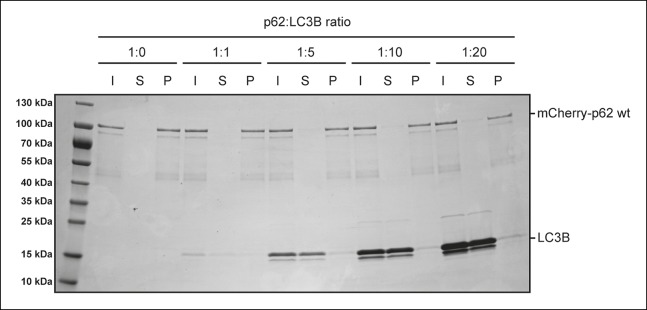
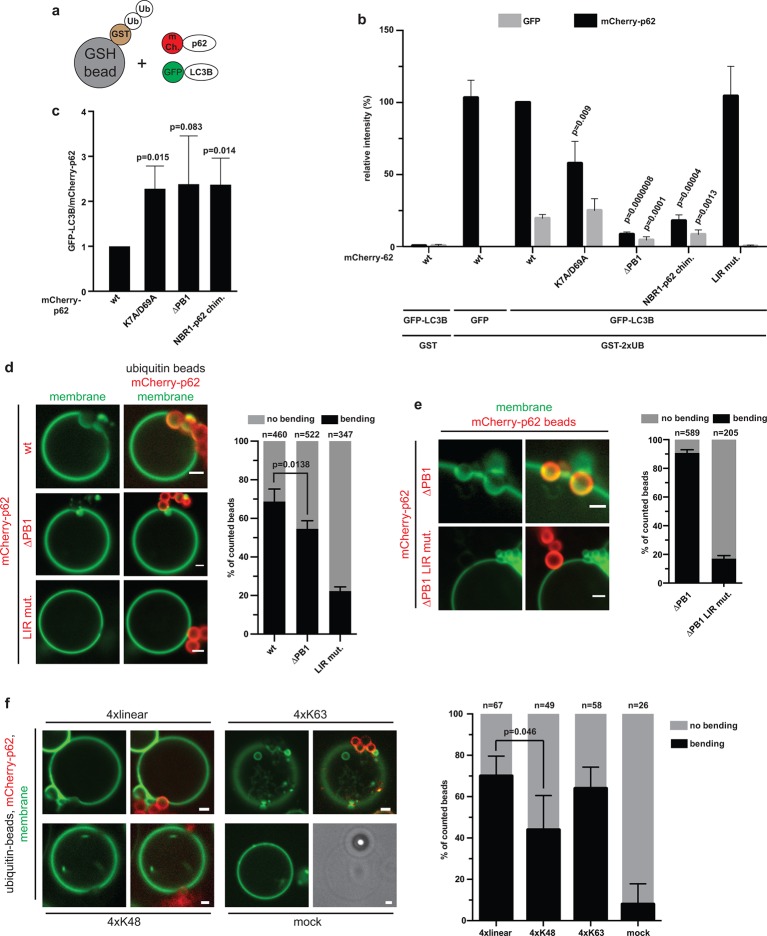
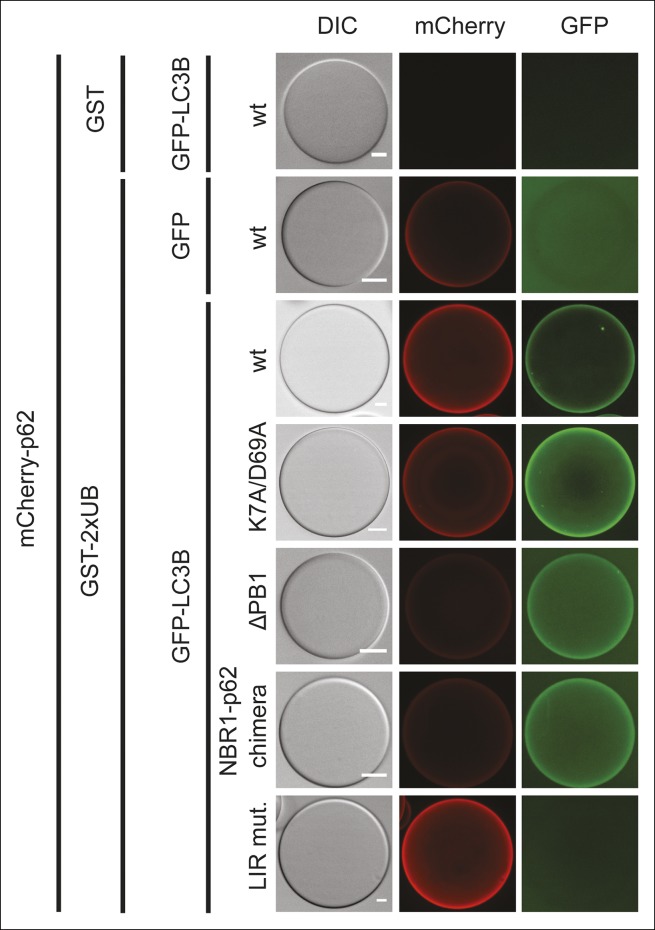
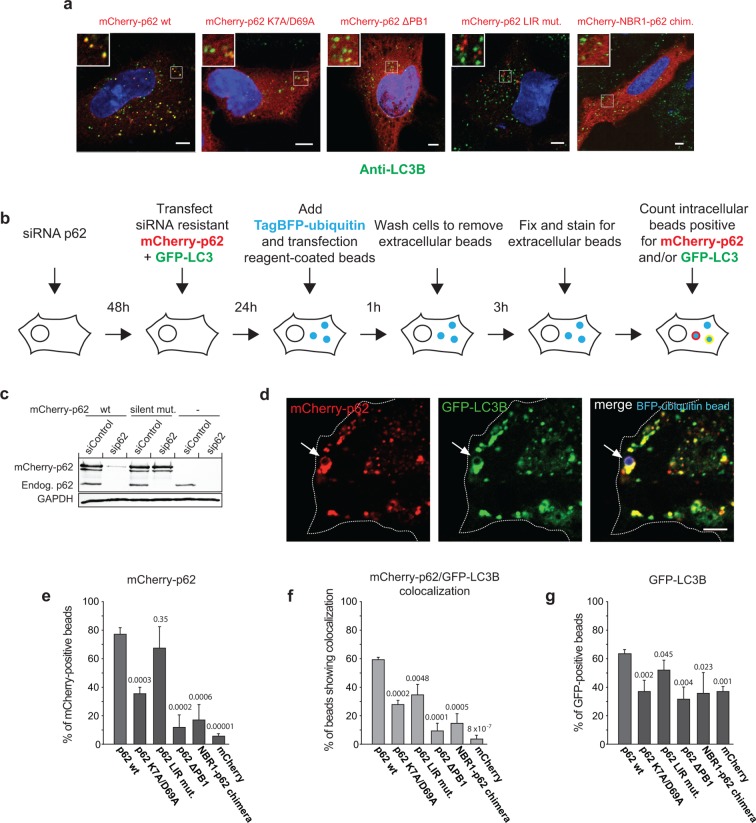
Autophagy is a major pathway for the clearance of harmful material from the cytoplasm. During autophagy, cytoplasmic material is delivered into the lysosomal system by organelles called autophagosomes. Autophagosomes form in a de novo manner and, in the course of their formation, isolate cargo material from the rest of the cytoplasm. Cargo specificity is conferred by autophagic cargo receptors that selectively link the cargo to the autophagosomal membrane decorated with ATG8 family proteins such as LC3B. Here we show that the human cargo receptor p62/SQSTM-1 employs oligomerization to stabilize its interaction with LC3B and linear ubiquitin when they are clustered on surfaces. Thus, oligomerization enables p62 to simultaneously select for the isolation membrane and the ubiquitinated cargo. We further show in a fully reconstituted system that the interaction of p62 with ubiquitin and LC3B is sufficient to bend the membrane around the cargo.
自噬是从细胞质中清除有害物质的主要途径。在自噬过程中,细胞质物质通过称为自噬体的细胞器被输送到溶酶体系统。自噬体以从头合成的方式形成,在其形成过程中,将货物物质与细胞质的其余部分隔离开来。货物特异性由自噬货物受体赋予,这些受体选择性地将货物与装饰有ATG8家族蛋白(如LC3B)的自噬体膜连接起来。在这里,我们表明人类货物受体p62/SQSTM-1利用寡聚化来稳定其与LC3B和线性泛素在表面聚集时的相互作用。因此,寡聚化使p62能够同时选择隔离膜和泛素化货物。我们在一个完全重构的系统中进一步表明,p62与泛素和LC3B的相互作用足以使膜围绕货物弯曲。