Farina Antonietta Rosella, Cappabianca Lucia, Ruggeri Pierdomenico, Gneo Luciana, Maccarone Rita, Mackay Andrew Reay
Department of Applied Clinical and Biotechnological Sciences, University of L'Aquila, L'Aquila, Italy.
Department of Medical-Surgical Science and Biotechnology, University of Rome "La Sapienza", Latina, Italy.
Oncotarget. 2015 Nov 3;6(34):35636-51. doi: 10.18632/oncotarget.5802.
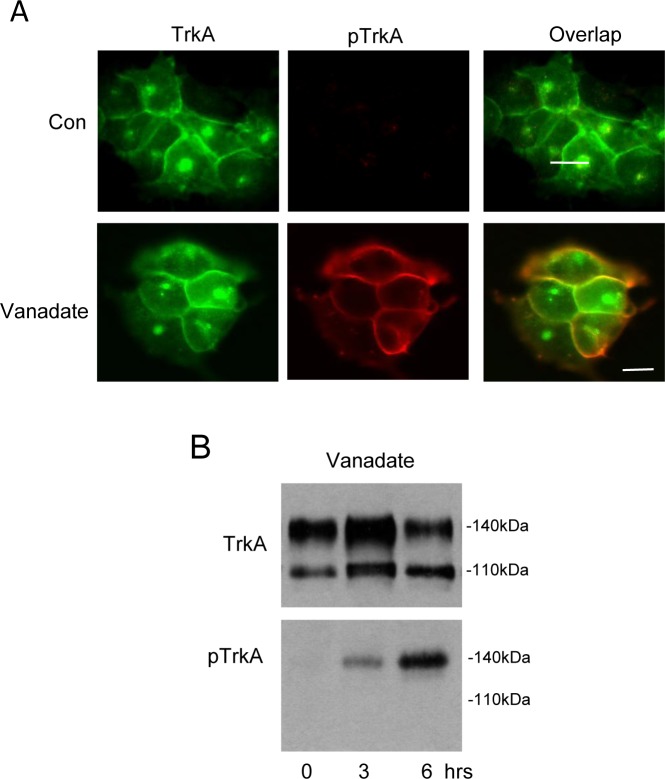
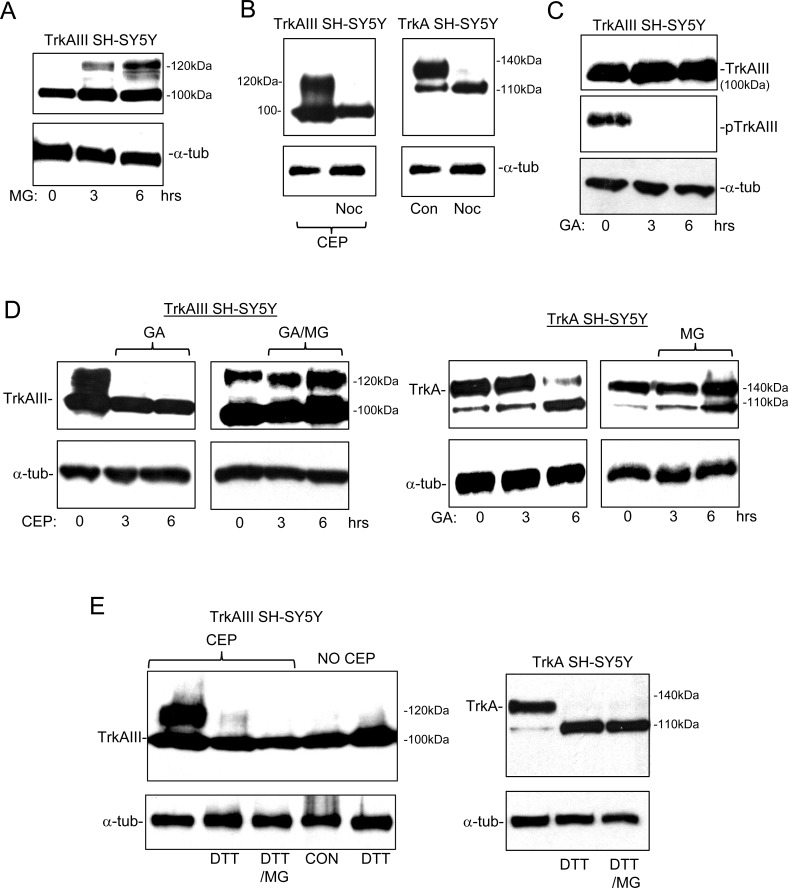
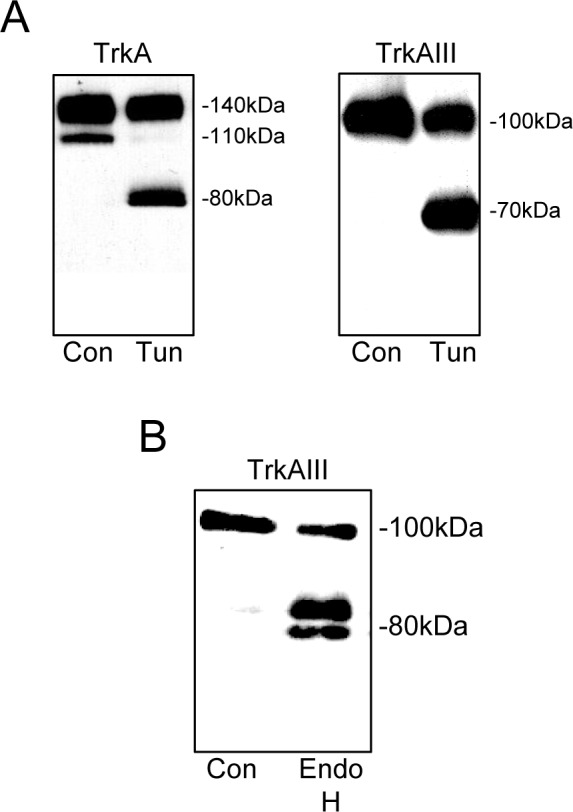
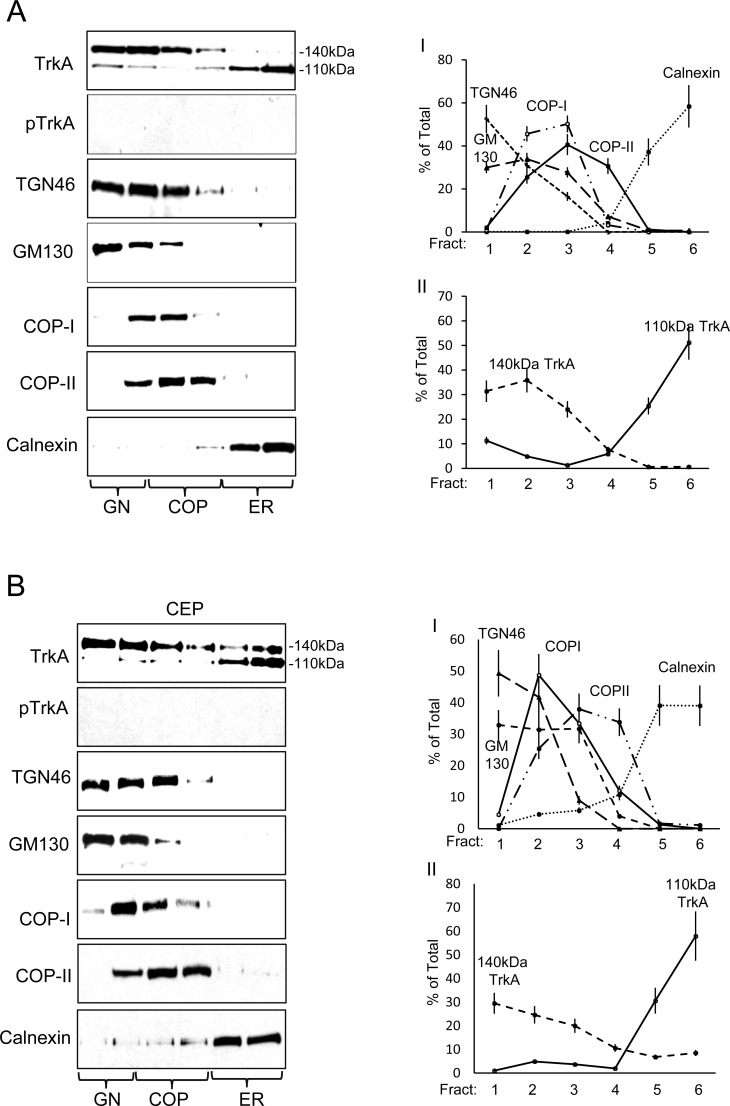
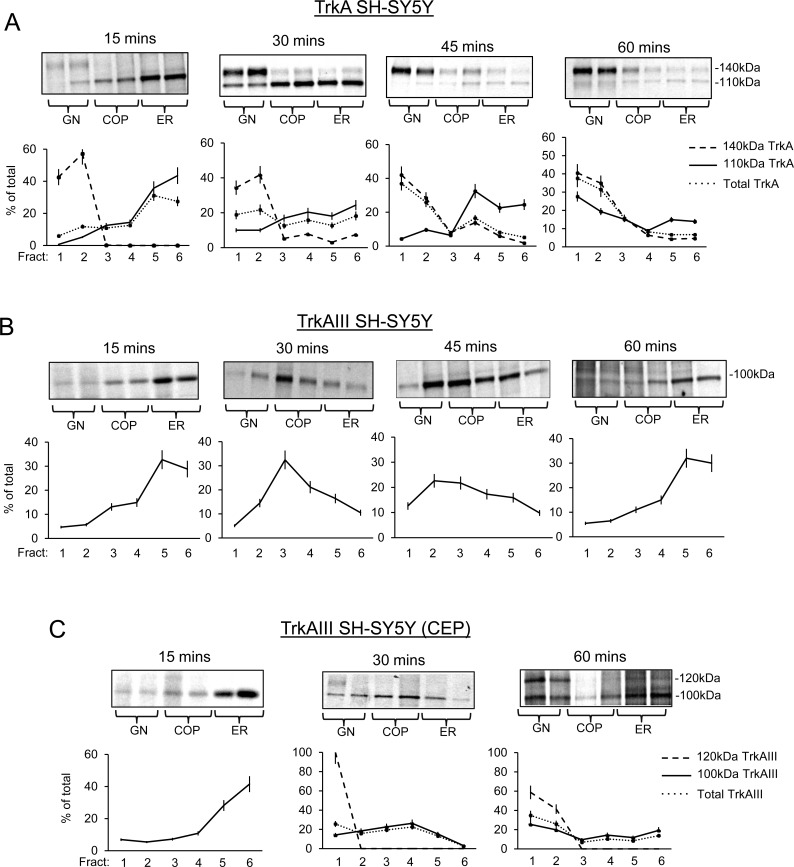
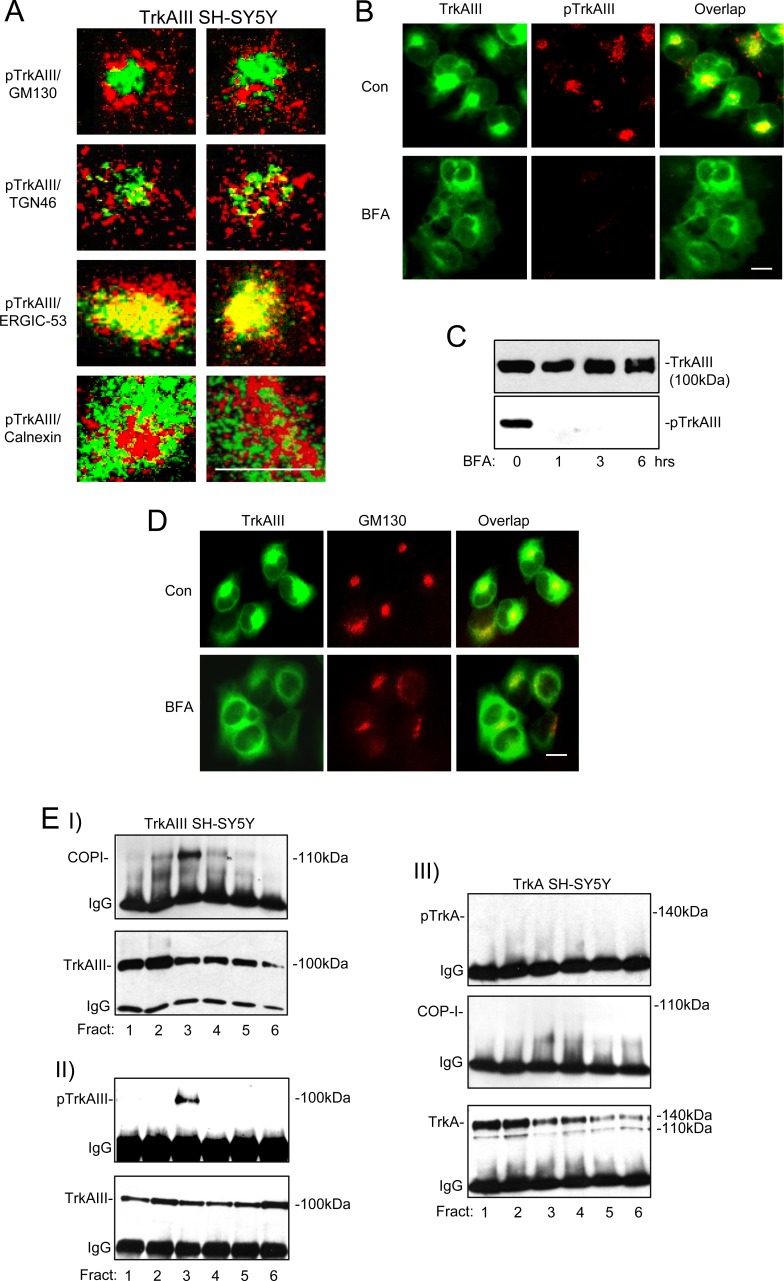
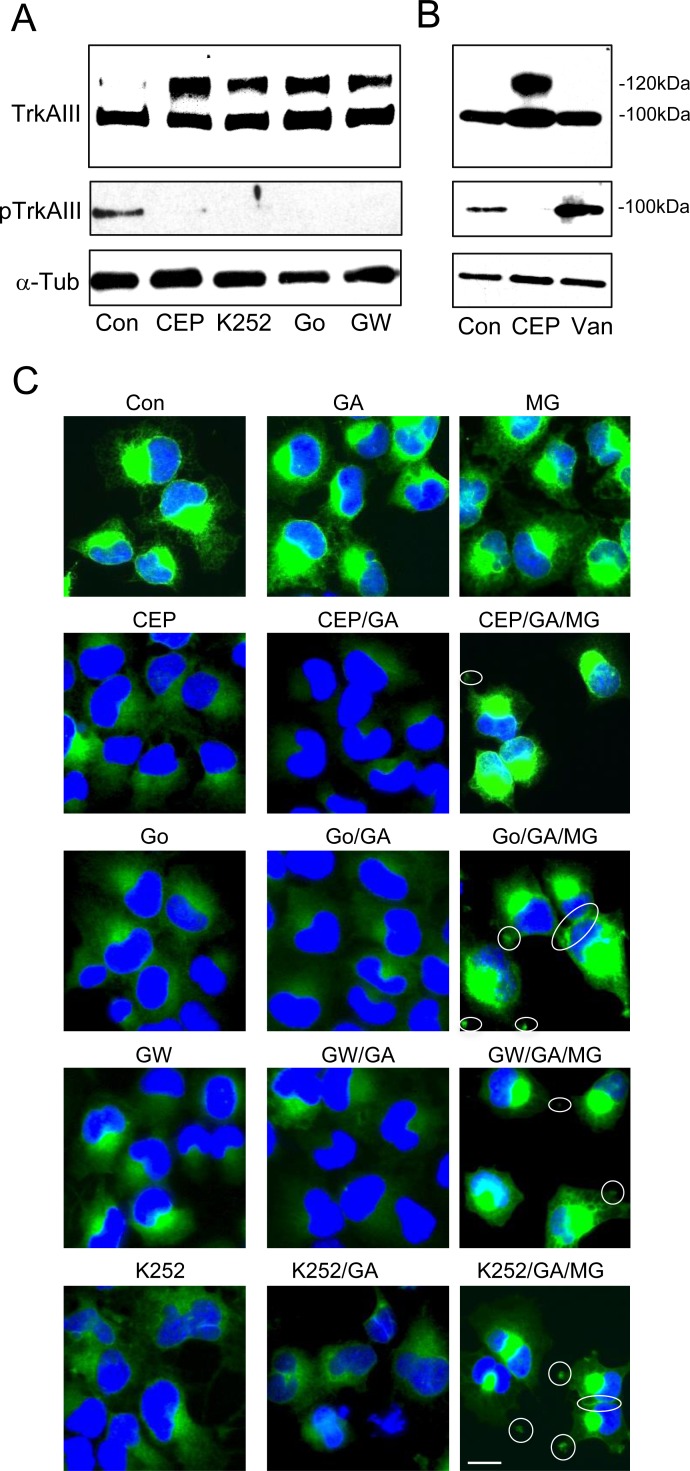
In human SH-SY5Y neuroblastoma (NB) cells, nascent immature N-glycosylated 110kDa TrkA moves rapidly from the endoplasmic reticulum (ER) to the Golgi Network (GN), where it matures into the 140kDa receptor prior to being transported to the cell surface, creating GN and cell surface pools of inactive receptor maintained below the spontaneous activation threshold by a full compliment of inhibitory domains and endogenous PTPases. In contrast, the oncogenic alternative TrkAIII splice variant is not expressed at the cell surface but re-localises to intracellular membranes, within which it exhibits spontaneous ERGIC/COPI-associated activation and oncogenic Akt signalling. In this study, we characterise the mechanism responsible for TrkAIII re-localisation. Spontaneous TrkAIII activation, facilitated by D4 IG-like domain and N-glycosylation site omission, increases spontaneous activation potential by altering intracellular trafficking, inhibiting cell surface expression and eliminating an important inhibitory domain. TrkAIII, spontaneously activated within the permissive ERGIC/COPI compartment, rather than moving in an anterograde direction to the GN exhibits retrograde transport back to the ER, where it is inactivated. This sets-up self-perpetuating TrkAIII re-cycling between the ERGIC and ER, that ensures continual accumulation above the spontaneous activation threshold of the ERGIC/COPI compartment. This is reversed by TrkA tyrosine kinase inhibitors, which promote anterograde transport of inactivated TrkAIII to the GN, resulting in GN-associated TrkAIII maturation to a 120kDa species that is degraded at the proteasome.
在人SH-SY5Y神经母细胞瘤(NB)细胞中,新生的未成熟N-糖基化110kDa TrkA迅速从内质网(ER)转运至高尔基体网络(GN),在那里它成熟为140kDa受体,然后被转运到细胞表面,形成GN和细胞表面的无活性受体池,通过完整的抑制结构域和内源性蛋白酪氨酸磷酸酶维持在自发激活阈值以下。相比之下,致癌性的TrkAIII剪接变体不在细胞表面表达,而是重新定位于细胞内膜,在其中它表现出自发的内质网-高尔基体中间腔/衣被蛋白I(ERGIC/COPI)相关激活和致癌性Akt信号传导。在本研究中,我们描述了负责TrkAIII重新定位的机制。由D4免疫球蛋白样结构域和N-糖基化位点缺失促进的TrkAIII自发激活,通过改变细胞内运输、抑制细胞表面表达和消除一个重要的抑制结构域来增加自发激活潜力。在允许的ERGIC/COPI区室中自发激活的TrkAIII,不是顺行转运至GN,而是逆行运回ER,在那里它被灭活。这建立了TrkAIII在ERGIC和ER之间的自我延续循环,确保在ERGIC/COPI区室的自发激活阈值之上持续积累。这被TrkA酪氨酸激酶抑制剂逆转,后者促进失活的TrkAIII顺行转运至GN,导致与GN相关的TrkAIII成熟为120kDa的物种,该物种在蛋白酶体中被降解。