Li Mingyu, Page-McCaw Patrick, Chen Wenbiao
Department of Molecular Physiology and Biophysics, Vanderbilt University School of Medicine, Nashville, TN.
Department of Molecular Physiology and Biophysics, Vanderbilt University School of Medicine, Nashville, TN
Diabetes. 2016 Jan;65(1):96-109. doi: 10.2337/db15-0085. Epub 2015 Sep 29.
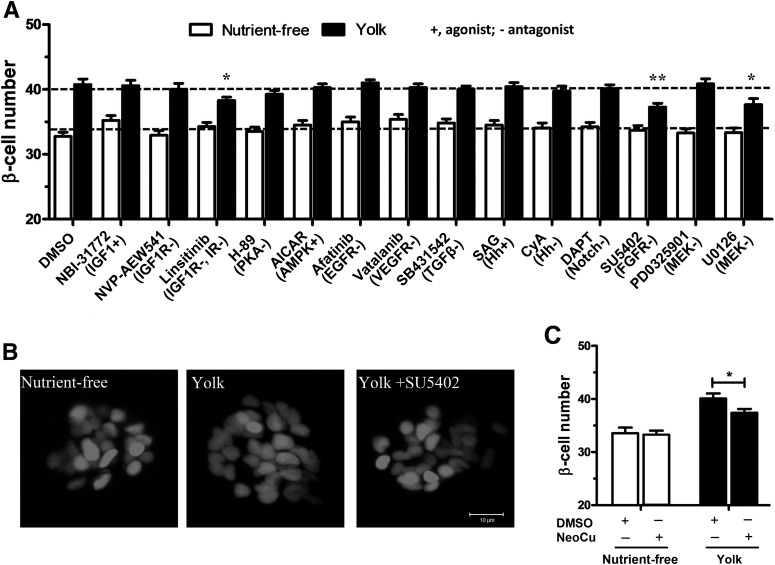
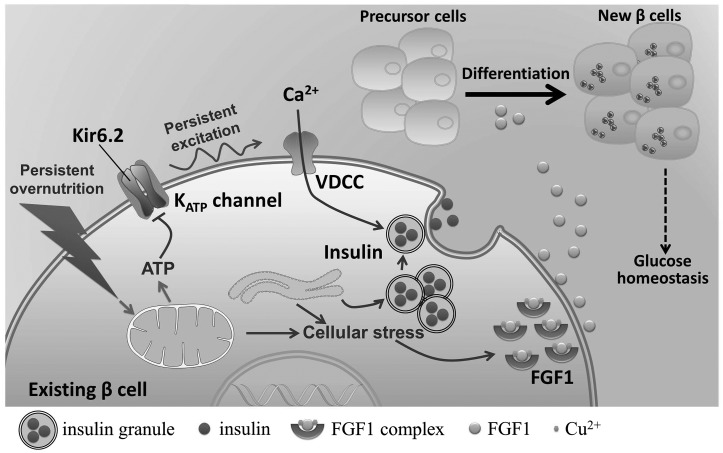
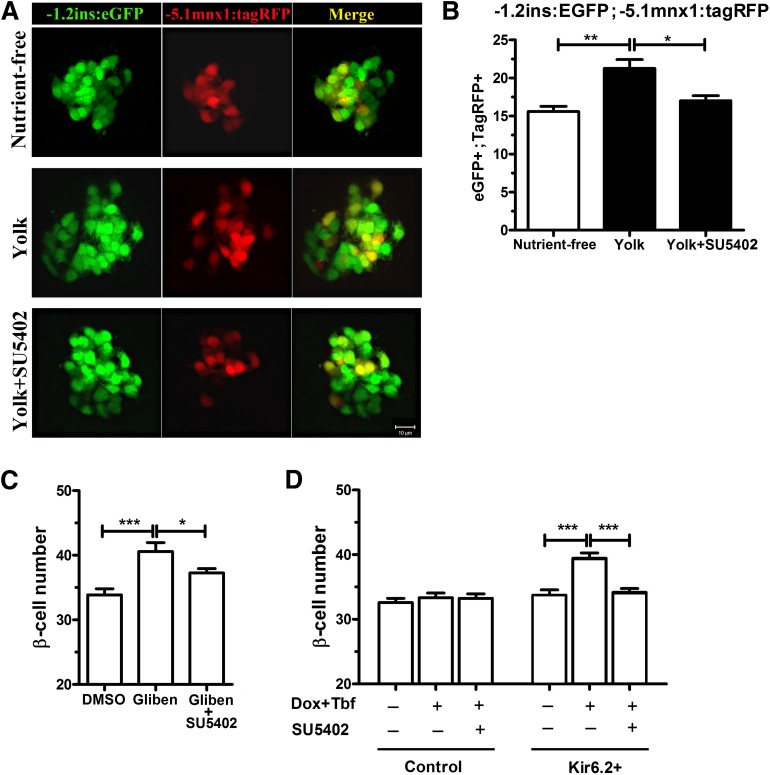
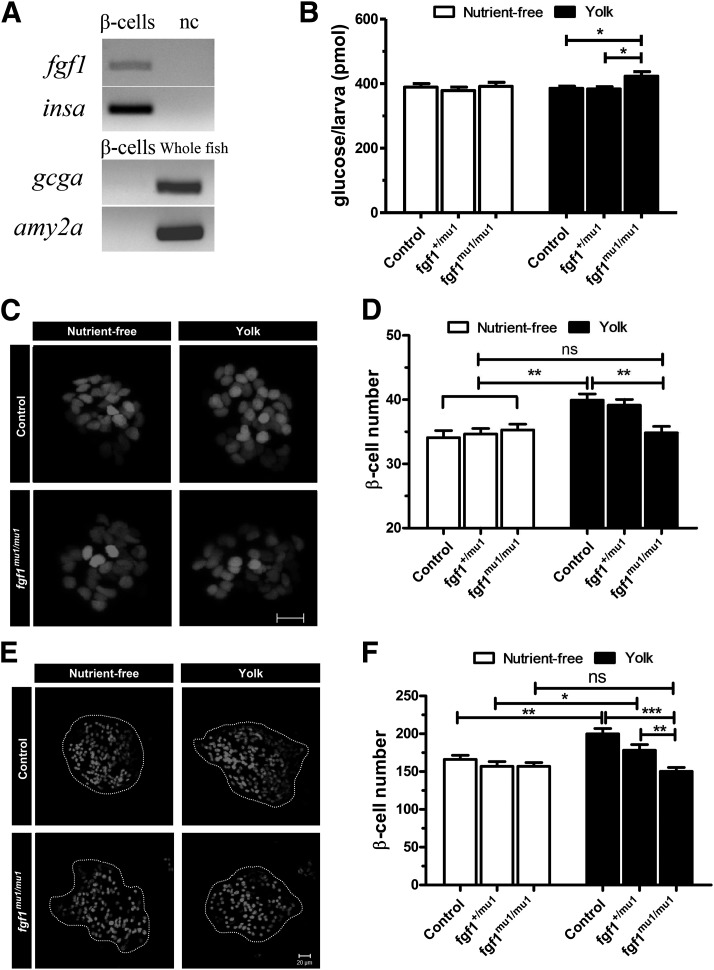
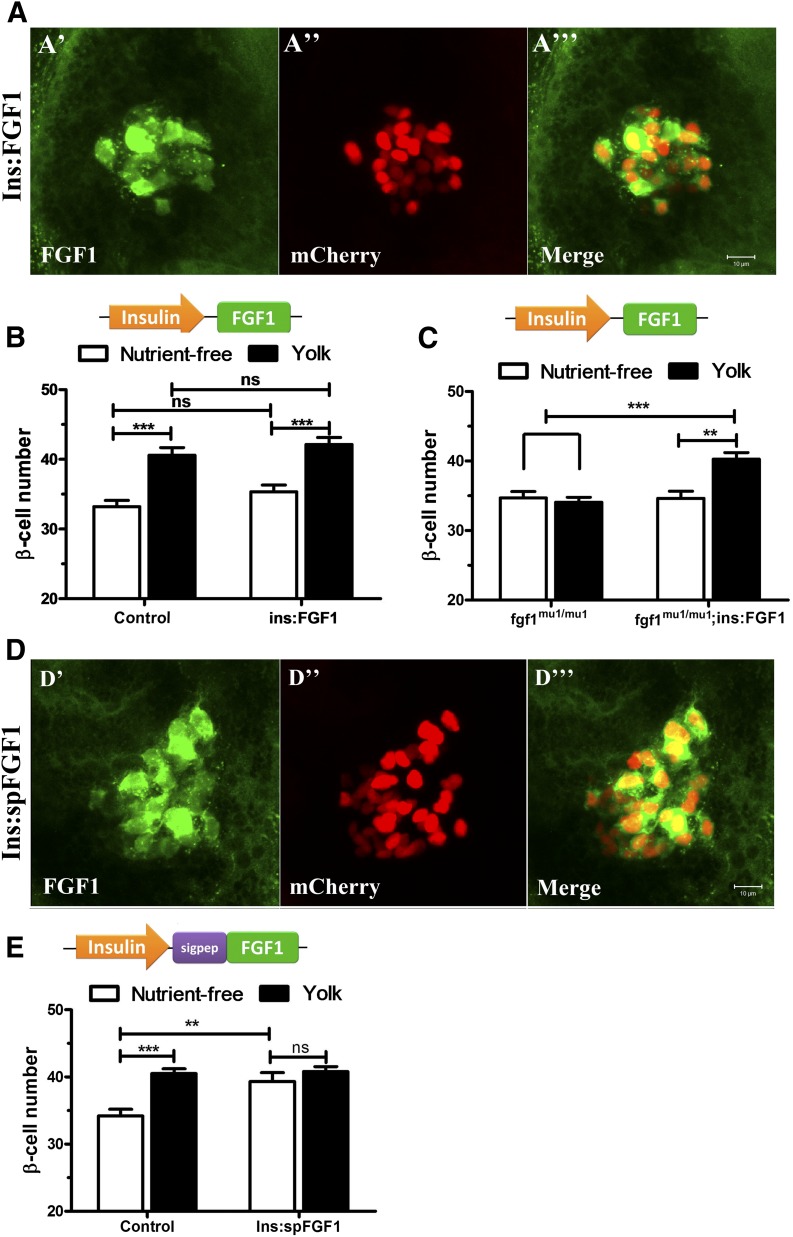
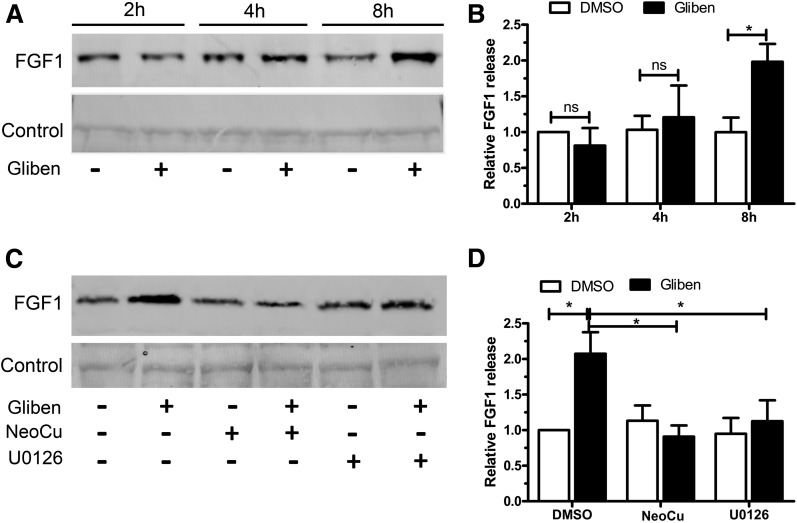
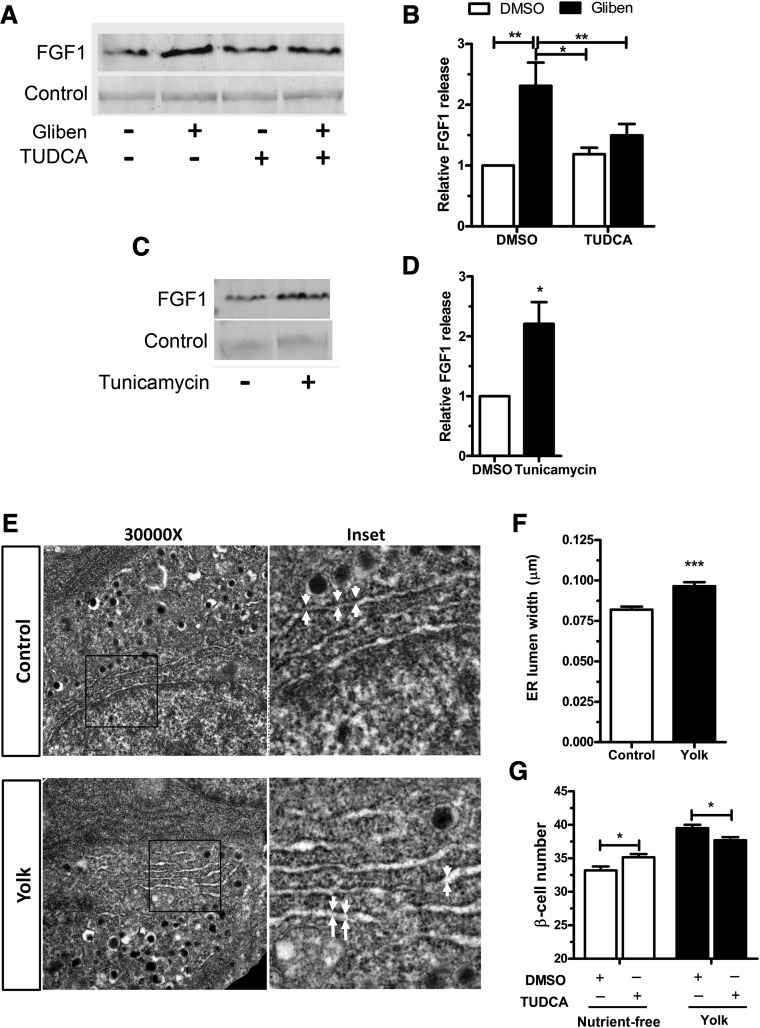
Increased insulin demand resulting from insulin resistance and/or overnutrition induces a compensatory increase in β-cell mass. The physiological factors responsible for the compensation have not been fully characterized. In zebrafish, overnutrition rapidly induces compensatory β-cell differentiation through triggering the release of a paracrine signal from persistently activated β-cells. We identified Fgf1 signaling as a key component of the overnutrition-induced β-cell differentiation signal in a small molecule screen. Fgf1 was confirmed as the overnutrition-induced β-cell differentiation signal, as inactivation of fgf1 abolished the compensatory β-cell differentiation. Furthermore, expression of human FGF1 solely in β-cells in fgf1(-/-) animals rescued the compensatory response, indicating that β-cells can be the source of FGF1. Additionally, constitutive secretion of FGF1 with an exogenous signal peptide increased β-cell number in the absence of overnutrition. These results demonstrate that fgf1 is necessary and FGF1 expression in β-cells is sufficient for the compensatory β-cell differentiation. We further show that FGF1 is secreted during prolonged activation of cultured mammalian β-cells and that endoplasmic reticulum stress acts upstream of FGF1 release. Thus, the recently discovered antidiabetes function of FGF1 may act partially through increasing β-cell differentiation.
胰岛素抵抗和/或营养过剩导致的胰岛素需求增加会诱导β细胞质量的代偿性增加。负责这种代偿的生理因素尚未完全明确。在斑马鱼中,营养过剩通过触发持续激活的β细胞释放旁分泌信号,迅速诱导代偿性β细胞分化。在一项小分子筛选中,我们确定Fgf1信号是营养过剩诱导的β细胞分化信号的关键组成部分。Fgf1被确认为营养过剩诱导的β细胞分化信号,因为fgf1的失活消除了代偿性β细胞分化。此外,在fgf1(-/-)动物中仅在β细胞中表达人FGF1可挽救代偿反应,表明β细胞可以是FGF1的来源。此外,用外源性信号肽组成性分泌FGF1在没有营养过剩的情况下增加了β细胞数量。这些结果表明,fgf1是必需的,并且β细胞中FGF1的表达足以实现代偿性β细胞分化。我们进一步表明,FGF1在培养的哺乳动物β细胞长期激活期间分泌,并且内质网应激在FGF1释放的上游起作用。因此,最近发现的FGF1的抗糖尿病功能可能部分通过增加β细胞分化起作用。