Mojica Maria F, Bonomo Robert A, Fast Walter
Medical Service, Louis Stokes Cleveland Department of Veterans Affairs Medical Center, 10701 East Blvd., Cleveland, OH 44106, USA.
Division of Medicinal Chemistry, College of Pharmacy, University of Texas, Austin TX, 78712, USA.
Curr Drug Targets. 2016;17(9):1029-50. doi: 10.2174/1389450116666151001105622.
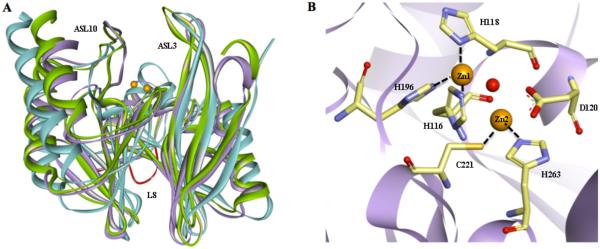
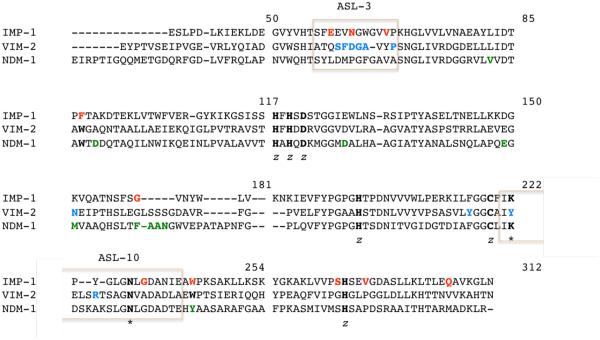
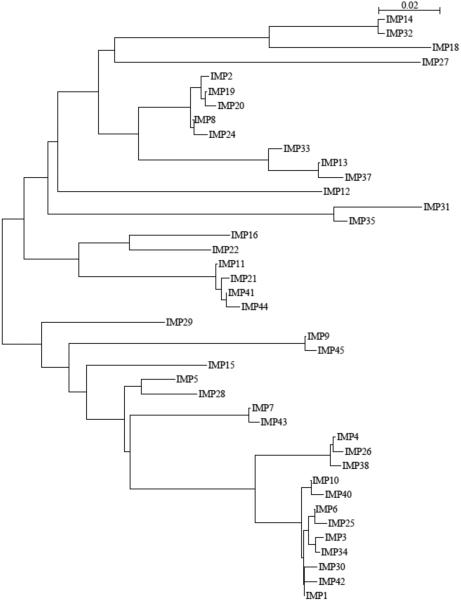
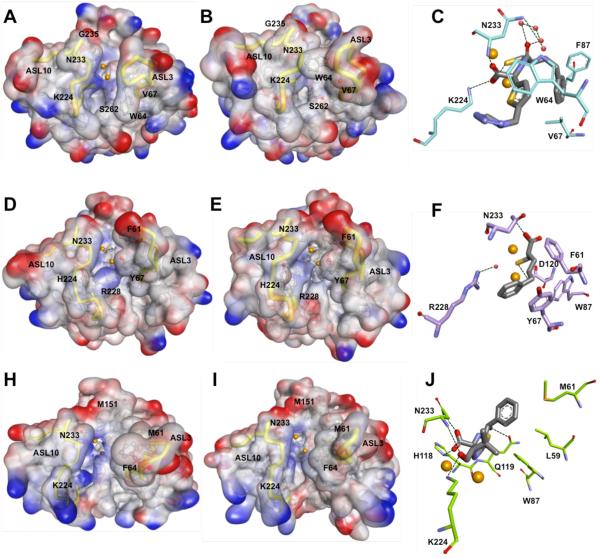
Metallo-β-Lactamases (MBLs) are class Bβ-lactamases that hydrolyze almost all clinically-availableβ-lactam antibiotics. MBLs feature the distinctive αβ/βα sandwich fold of the metallo-hydrolase/oxidoreductase superfamily and possess a shallow active-site groove containing one or two divalent zinc ions, flanked by flexible loops. According to sequence identity and zinc ion dependence, MBLs are classified into three subclasses (B1, B2 and B3), of which the B1 subclass enzymes have emerged as the most clinically significant. Differences among the active site architectures, the nature of zinc ligands, and the catalytic mechanisms have limited the development of a common inhibitor. In this review, we will describe the molecular epidemiology and structural studies of the most prominent representatives of class B1 MBLs (NDM-1, IMP-1 and VIM-2) and describe the implications for inhibitor design to counter this growing clinical threat.
金属β-内酰胺酶(MBLs)是B类β-内酰胺酶,可水解几乎所有临床上可用的β-内酰胺抗生素。MBLs具有金属水解酶/氧化还原酶超家族独特的αβ/βα三明治折叠结构,其活性位点凹槽较浅,含有一个或两个二价锌离子,两侧为柔性环。根据序列同一性和锌离子依赖性,MBLs可分为三个亚类(B1、B2和B3),其中B1亚类酶已成为临床上最重要的酶。活性位点结构、锌配体性质和催化机制的差异限制了通用抑制剂的开发。在这篇综述中,我们将描述B1类MBLs最突出代表(NDM-1、IMP-1和VIM-2)的分子流行病学和结构研究,并描述针对这一日益严重的临床威胁进行抑制剂设计的意义。