Institute of Molecular and Cellular Biology of Rosario (IBR, CONICET-UNR) and Biophysics Area, Faculty of Biochemistry and Pharmaceutical Sciences, National University of Rosario, Ocampo y Esmeralda, CONICET-Rosario, Rosario 2000, Argentina.
Antibiotics (Basel). 2014 Jul 1;3(3):285-316. doi: 10.3390/antibiotics3030285.
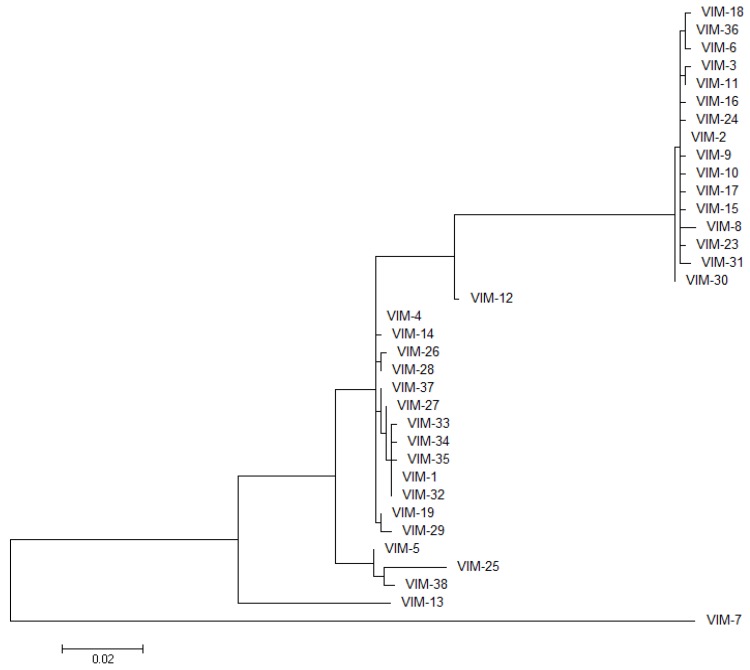
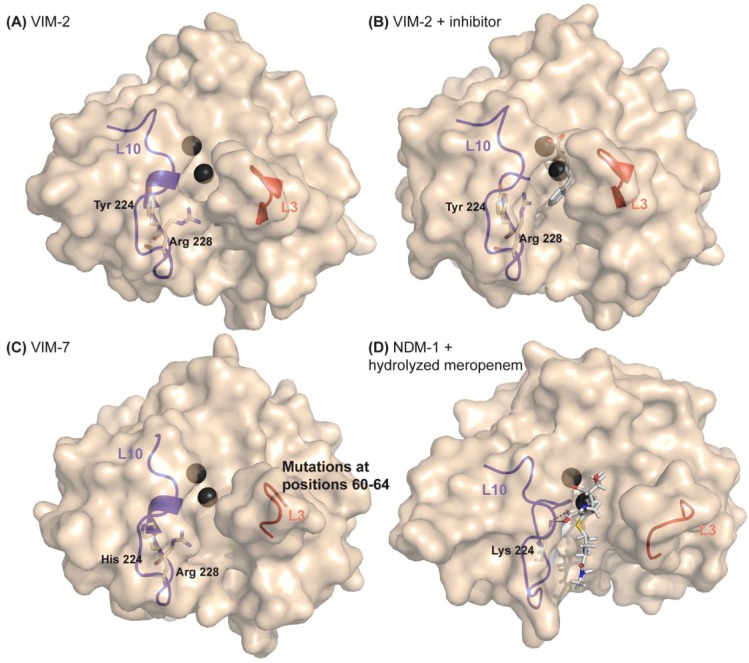
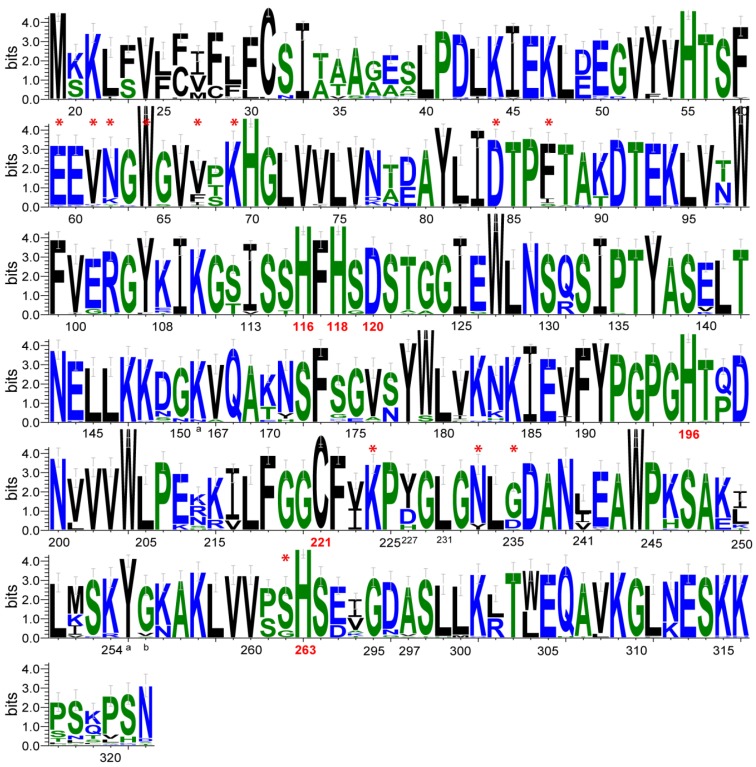
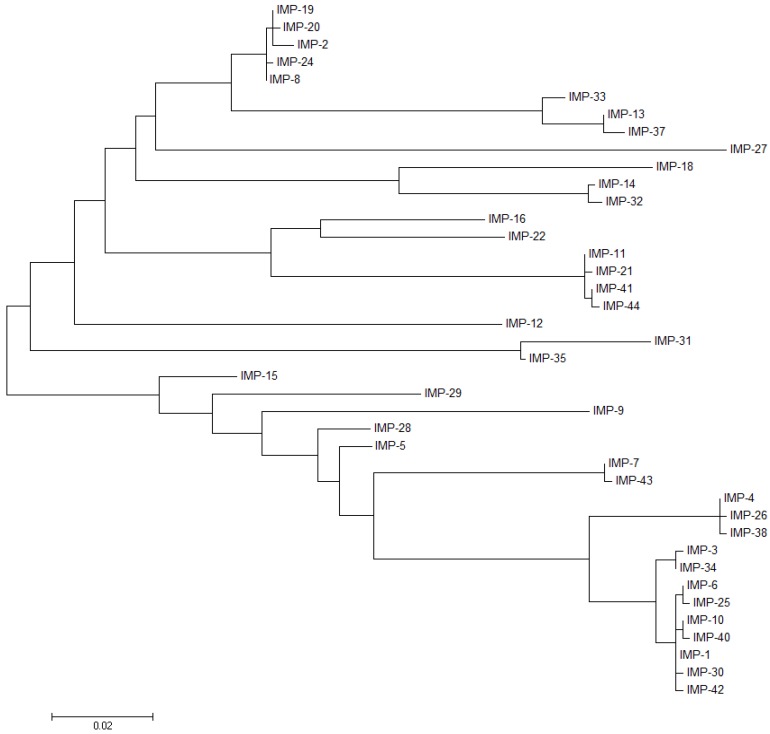
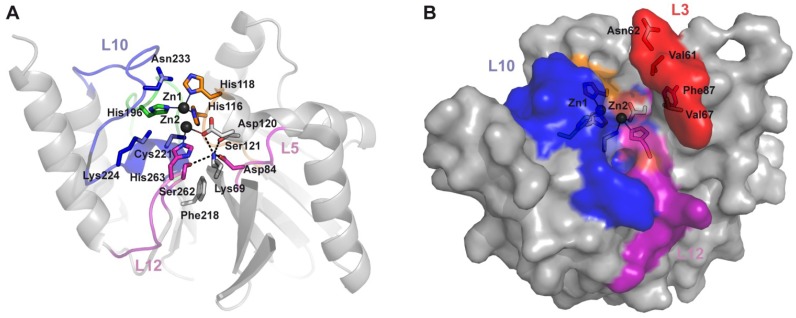
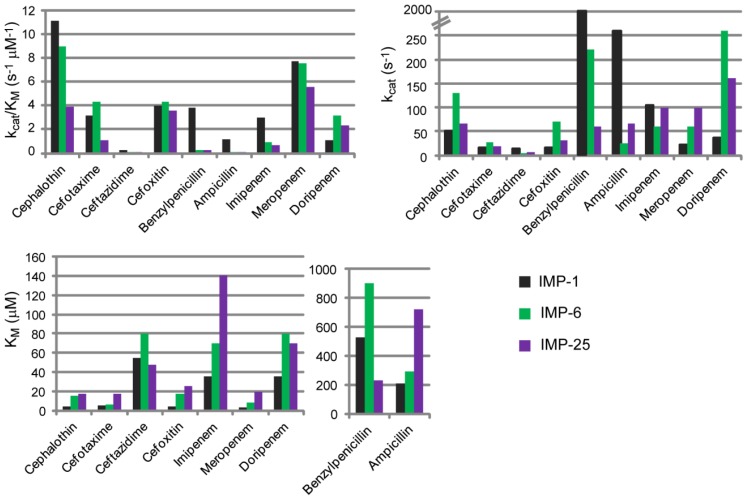
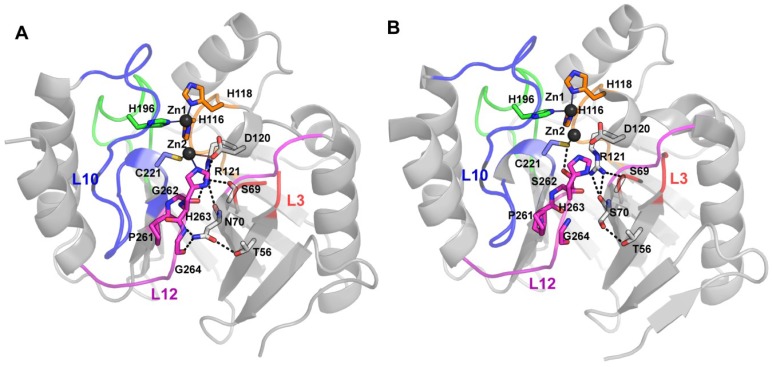
The production of β-lactamase enzymes is one of the most distributed resistance mechanisms towards β-lactam antibiotics. Metallo-β-lactamases constitute a worrisome group of these kinds of enzymes, since they present a broad spectrum profile, being able to hydrolyze not only penicillins, but also the latest generation of cephalosporins and carbapenems, which constitute at present the last resource antibiotics. The VIM, IMP, and NDM enzymes comprise the main groups of clinically relevant metallo-β-lactamases. Here we present an update of the features of the natural variants that have emerged and of the ones that have been engineered in the laboratory, in an effort to find sequence and structural determinants of substrate preferences. This knowledge is of upmost importance in novel drug design efforts. We also discuss the advances in knowledge achieved by means of in vitro directed evolution experiments, and the potential of this approach to predict natural evolution of metallo-β-lactamases.
β-内酰胺酶的产生是对β-内酰胺类抗生素产生耐药性的最主要机制之一。金属β-内酰胺酶是这类酶中令人担忧的一类,因为它们具有广谱的特性,不仅能够水解青霉素,还能够水解最新一代的头孢菌素和碳青霉烯类抗生素,而后者是目前的最后一线抗生素。VIM、IMP 和 NDM 酶构成了临床上相关的主要金属β-内酰胺酶组。在这里,我们介绍了已出现的天然变异体和实验室工程改造的变体的特征更新,以努力寻找底物偏好的序列和结构决定因素。这一知识在新型药物设计工作中至关重要。我们还讨论了通过体外定向进化实验获得的知识进展,以及该方法预测金属β-内酰胺酶自然进化的潜力。