Baldridge Gerald D, Markowski Todd W, Witthuhn Bruce A, Higgins LeeAnn, Baldridge Abigail S, Fallon Ann M
Department of Entomology, University of Minnesota, 1980 Folwell Ave., St. Paul, MN, 55108, USA.
Department of Biochemistry, Molecular Biology and Biophysics, University of Minnesota, Minneapolis, MN, 55455, USA.
In Vitro Cell Dev Biol Anim. 2016 Jan;52(1):77-88. doi: 10.1007/s11626-015-9949-0. Epub 2015 Oct 1.
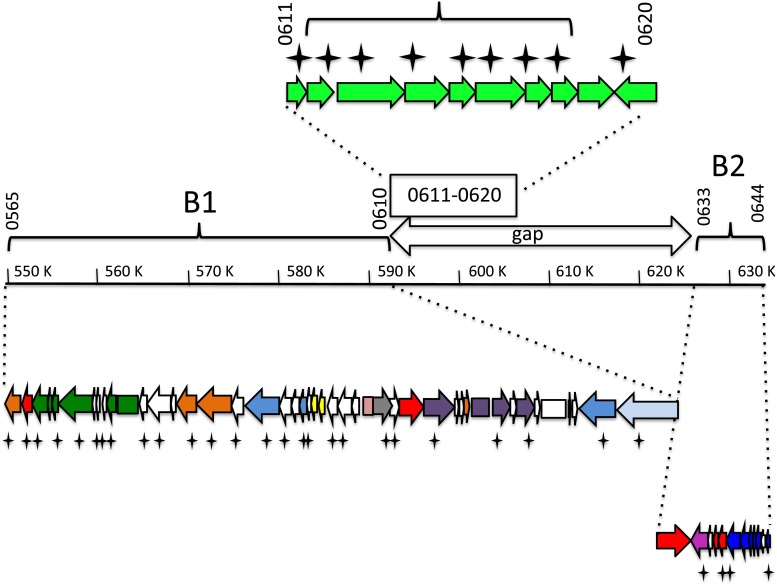
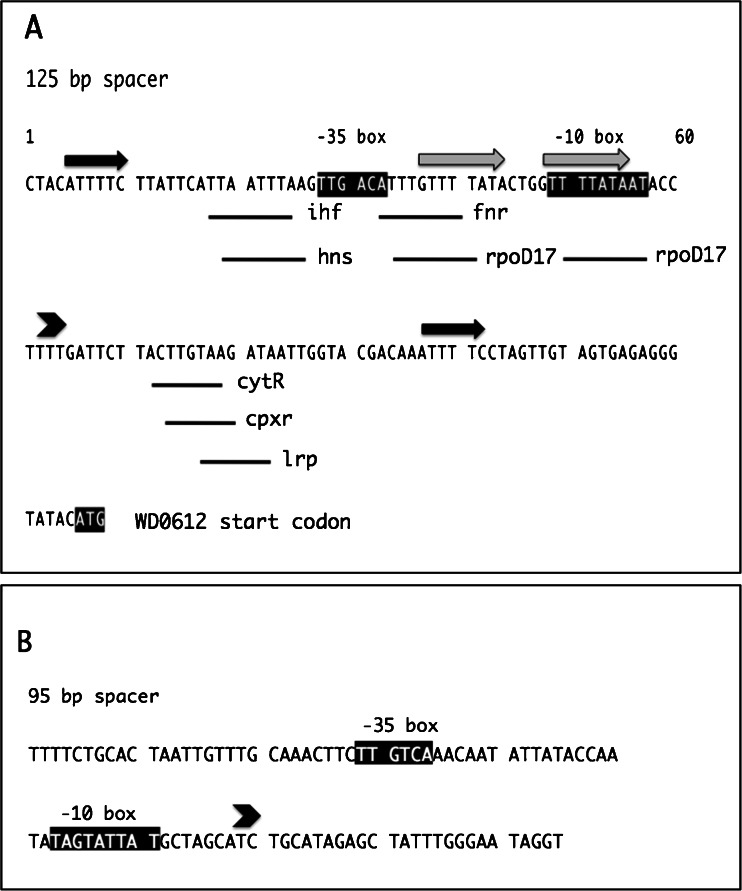
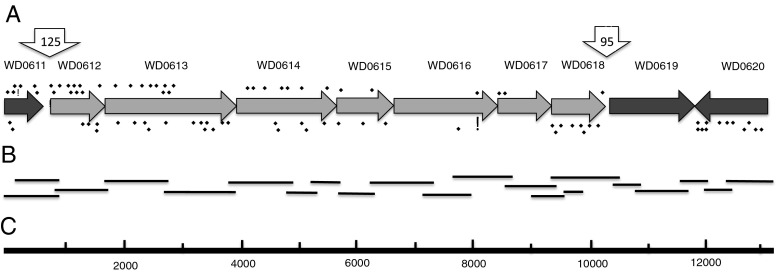
Wolbachia pipientis (Rickettsiales), an obligate intracellular alphaproteobacterium in insects, manipulates host reproduction to maximize invasion of uninfected insect populations. Modification of host population structure has potential applications for control of pest species, particularly if Wolbachia can be maintained, manipulated, and genetically engineered in vitro. Although Wolbachia maintains an obligate mutualism with genome stability in nematodes, arthropods can be co-infected with distinct Wolbachia strains, and horizontal gene transfer between strains is potentially mediated by WO phages encoded within Wolbachia genomes. Proteomic analysis of a robust, persistent infection of a mosquito cell line with wStr from the planthopper, Laodelphax striatellus, revealed expression of a full array of WO phage genes, as well as nine of ten non-phage genes that occur between two distinct clusters of WOMelB genes in the genome of wMel, which infects Drosophila melanogaster. These non-phage genes encode potential host-adaptive proteins and are expressed in wStr at higher levels than phage structural proteins. A subset of seven of the non-phage genes is flanked by highly conserved non-coding sequences, including a putative promoter element, that are not present in a syntenically arranged array of homologs in plasmids from three tick-associated Rickettsia spp. These studies expand our understanding of wStr in a host cell line derived from the mosquito, Aedes albopictus, and provide a basis for investigating conditions that favor the lytic phase of the WO phage life cycle and recovery of infectious phage particles.
嗜虫沃巴赫氏体(立克次氏体目)是一种昆虫体内的专性细胞内α-变形菌,它操纵宿主繁殖以最大化对未感染昆虫种群的入侵。宿主种群结构的改变对于害虫物种的控制具有潜在应用价值,特别是如果沃巴赫氏体能够在体外维持、操纵和进行基因工程改造。尽管沃巴赫氏体在线虫中与基因组稳定性保持专性共生关系,但节肢动物可能会被不同的沃巴赫氏体菌株共同感染,并且菌株之间的水平基因转移可能由沃巴赫氏体基因组中编码的WO噬菌体介导。对来自灰飞虱的wStr在蚊细胞系中进行的稳健、持续感染的蛋白质组分析显示,一系列WO噬菌体基因以及wMel基因组中两个不同的WOMelB基因簇之间出现的十个非噬菌体基因中的九个都有表达,wMel感染黑腹果蝇。这些非噬菌体基因编码潜在的宿主适应性蛋白,并且在wStr中的表达水平高于噬菌体结构蛋白。七个非噬菌体基因的一个子集两侧是高度保守的非编码序列,包括一个推定的启动子元件,而在来自三种蜱传立克次氏体属物种的质粒中同系物的同线性排列阵列中不存在这些序列。这些研究扩展了我们对源自白纹伊蚊的宿主细胞系中wStr的理解,并为研究有利于WO噬菌体生命周期裂解阶段的条件和感染性噬菌体颗粒的回收提供了基础。