Ahmed Rasha R, Mahmoud Ayman, Ahmed Osama M, Metwalli Ali, Ebaid Hossam
Cell Biology and Histology Division, Zoology Department, Faculty of Science, Beni-Suef University, Beni-Suef, Egypt.
Physiology Division, Zoology Department, Faculty of Science, Beni-Suef University, Beni-Suef, Egypt.
Biol Res. 2015 Oct 1;48:54. doi: 10.1186/s40659-015-0044-5.
Impaired wound healing is a complication of diabetes and a serious problem in clinical practice. We previously found that whey protein (WP) was able to regulate wound healing normally in streptozotocin (STZ)-diabetic models. This subsequent study was designed to assess the effect of WP on heat shock protein-72 (Hsp72) and keratin16 (Krt16) expression during wound healing in diabetic rats.
WP at a dosage of 100 mg/kg of body weight was orally administered daily to wounded normal and STZ-diabetic rats for 8 days.
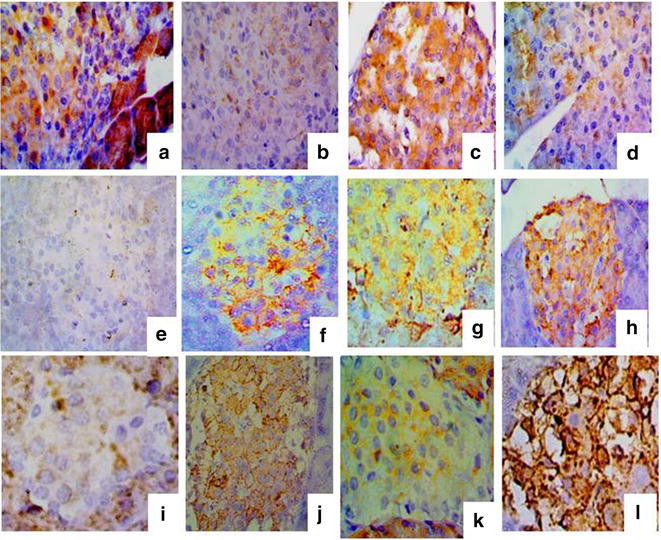
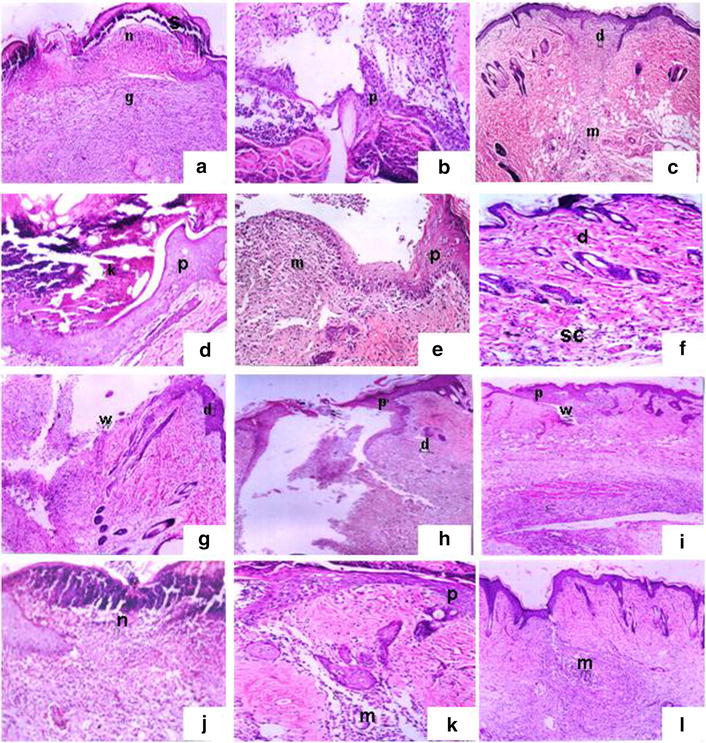
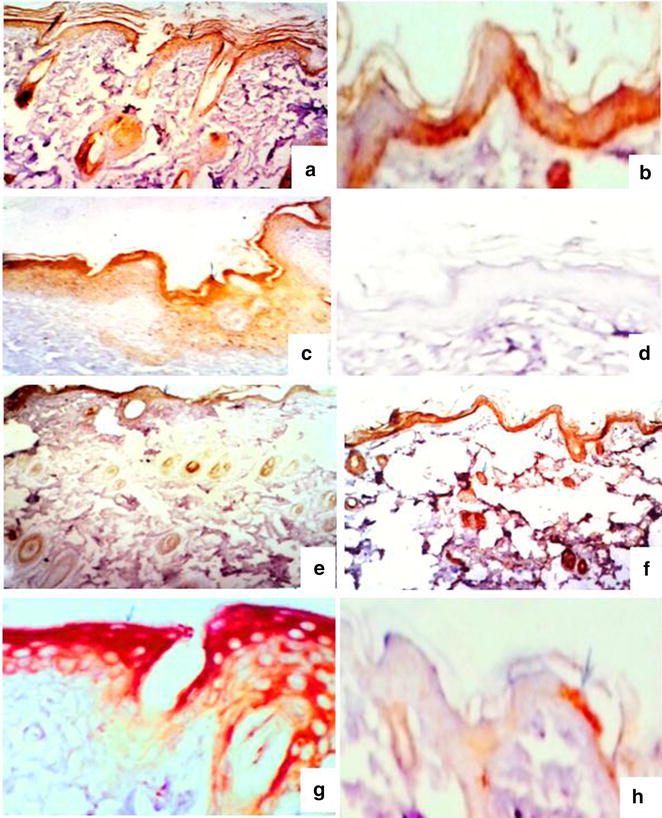
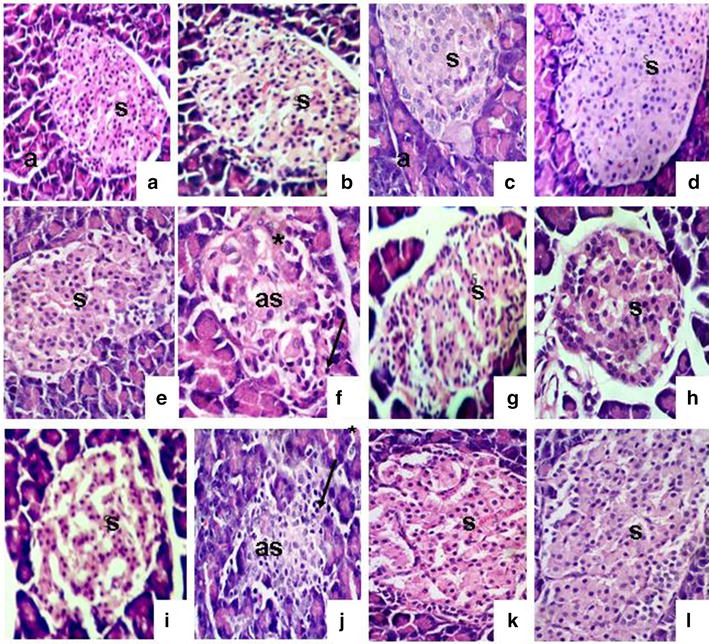
At day 4, the WP-treated diabetic wound was significantly reduced compared to that in the corresponding control. Diabetic wounded rats developed severe inflammatory infiltration and moderate capillary dilatation and regeneration. Treated rats had mild necrotic formation, moderate infiltration, moderate to severe capillary dilatation and regeneration, in addition to moderate epidermal formation. Hsp72 and Krt16 densities showed low and dense activity in diabetic wounded and diabetic wounded treated groups, respectively. At day 8, WP-treatment of diabetic wounded animals revealed great amelioration with complete recovery and closure of the wound. Reactivity of Hsp72 and Krt16 was reversed, showing dense and low, or medium and low, activity in the diabetic wounded and diabetic wounded treated groups, respectively. Hsp72 expression in the pancreas was found to show dense reactivity with WP-treated diabetic wound rats.
This data provides evidence for the potential impact of WP in the up-regulation of Hsp72 and Krt16 in T1D, resulting in an improved wound healing process in diabetic models.
伤口愈合受损是糖尿病的一种并发症,也是临床实践中的一个严重问题。我们之前发现,乳清蛋白(WP)能够使链脲佐菌素(STZ)诱导的糖尿病模型中的伤口正常愈合。本后续研究旨在评估WP对糖尿病大鼠伤口愈合过程中热休克蛋白72(Hsp72)和角蛋白16(Krt16)表达的影响。
对受伤的正常大鼠和STZ诱导的糖尿病大鼠每天口服剂量为100mg/kg体重的WP,持续8天。
在第4天,与相应对照组相比,接受WP治疗的糖尿病伤口明显缩小。糖尿病受伤大鼠出现严重的炎症浸润以及中度的毛细血管扩张和再生。接受治疗的大鼠除了有中度的表皮形成外,还有轻度坏死形成、中度浸润、中度至重度的毛细血管扩张和再生。Hsp72和Krt16密度在糖尿病受伤组和糖尿病受伤治疗组中分别显示为低活性和高活性。在第8天,对糖尿病受伤动物进行WP治疗显示伤口有很大改善,完全恢复并愈合。Hsp72和Krt16的反应性发生了逆转,在糖尿病受伤组和糖尿病受伤治疗组中分别显示为高活性和低活性,或中活性和低活性。在接受WP治疗的糖尿病伤口大鼠的胰腺中发现Hsp72表达呈高反应性。
该数据为WP在1型糖尿病中上调Hsp72和Krt16的潜在影响提供了证据,从而改善了糖尿病模型中的伤口愈合过程。