Arizmendi Brian, Kaszniak Alfred W, O'Connor Mary-Frances
University of Arizona, USA.
University of Arizona, USA.
Neuroimage. 2016 Jan 1;124(Pt A):968-976. doi: 10.1016/j.neuroimage.2015.09.054. Epub 2015 Oct 3.
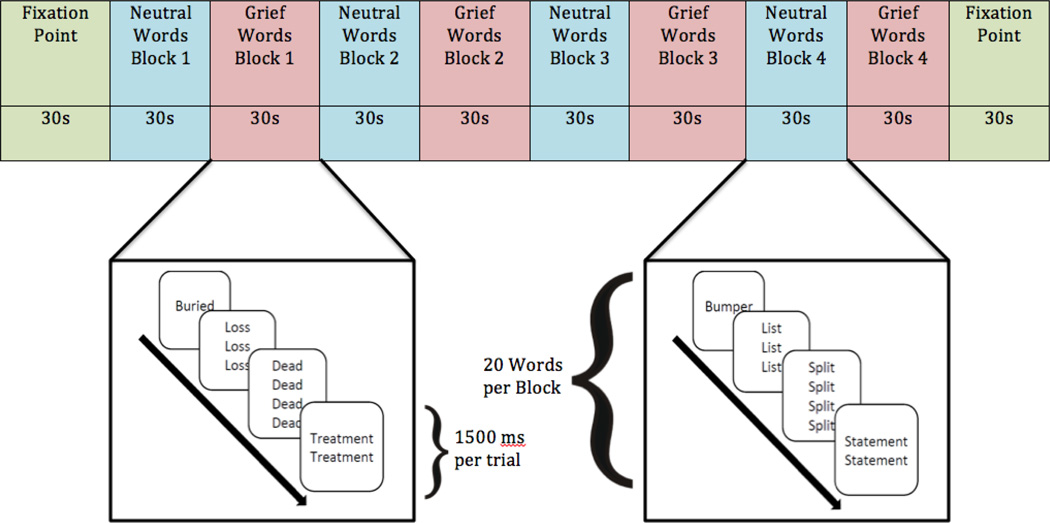
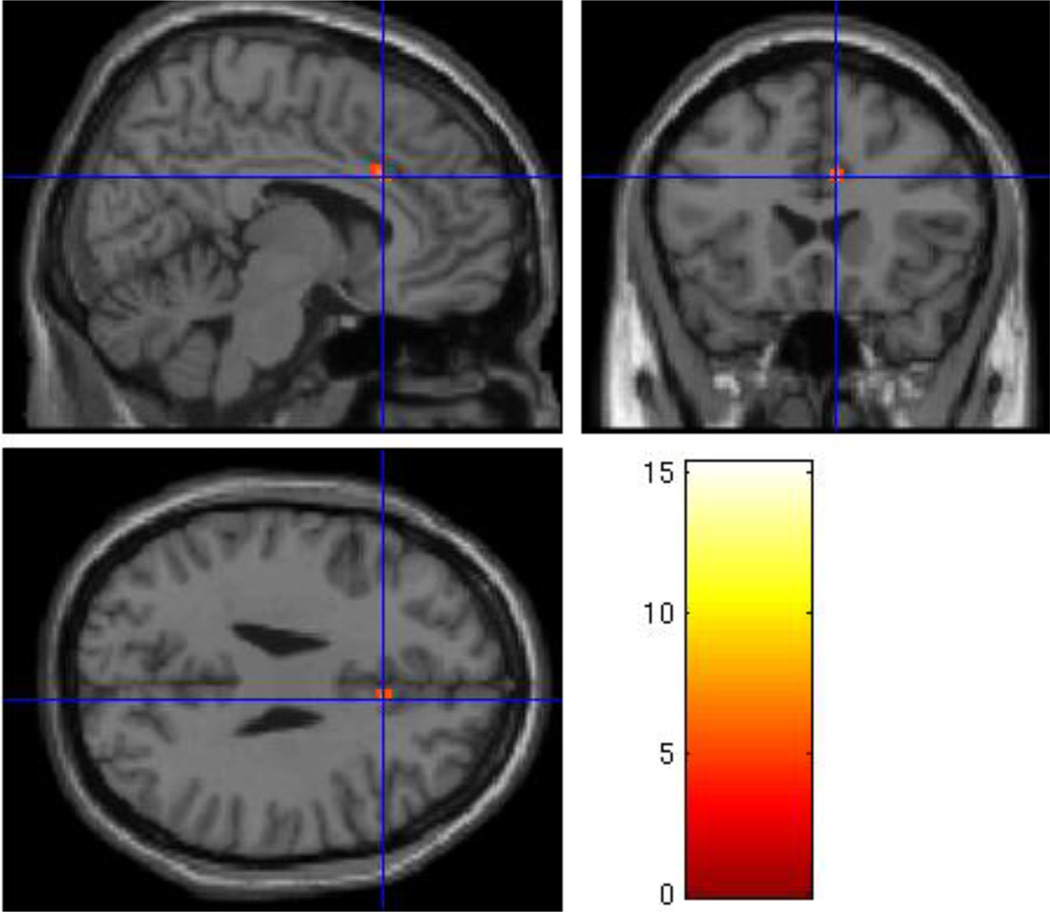
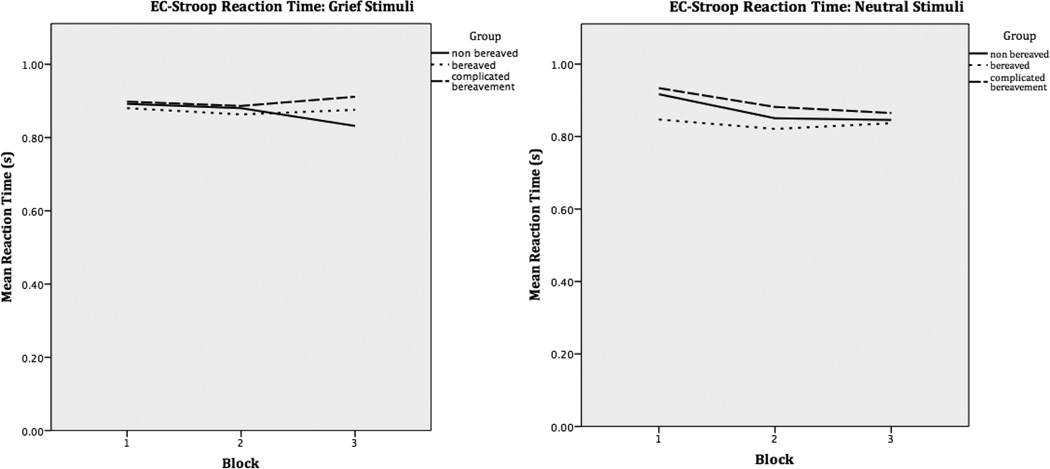
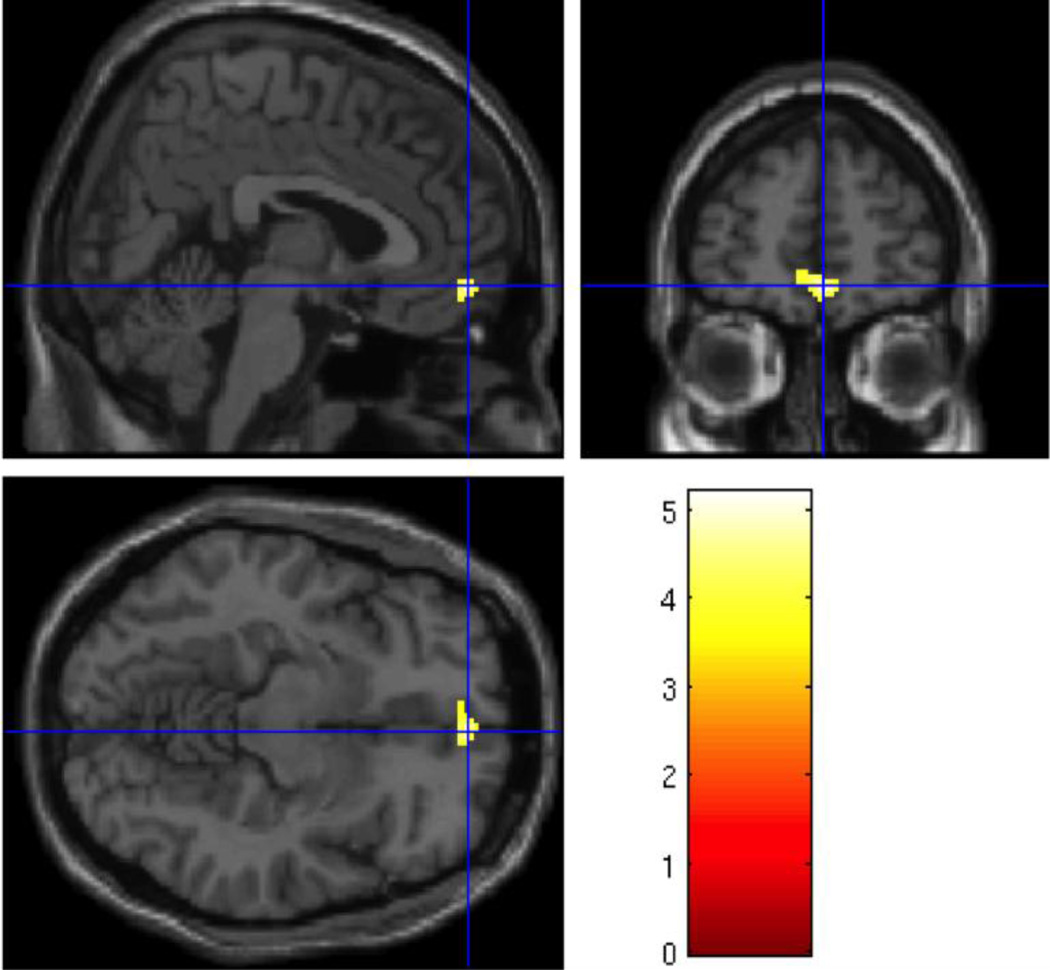
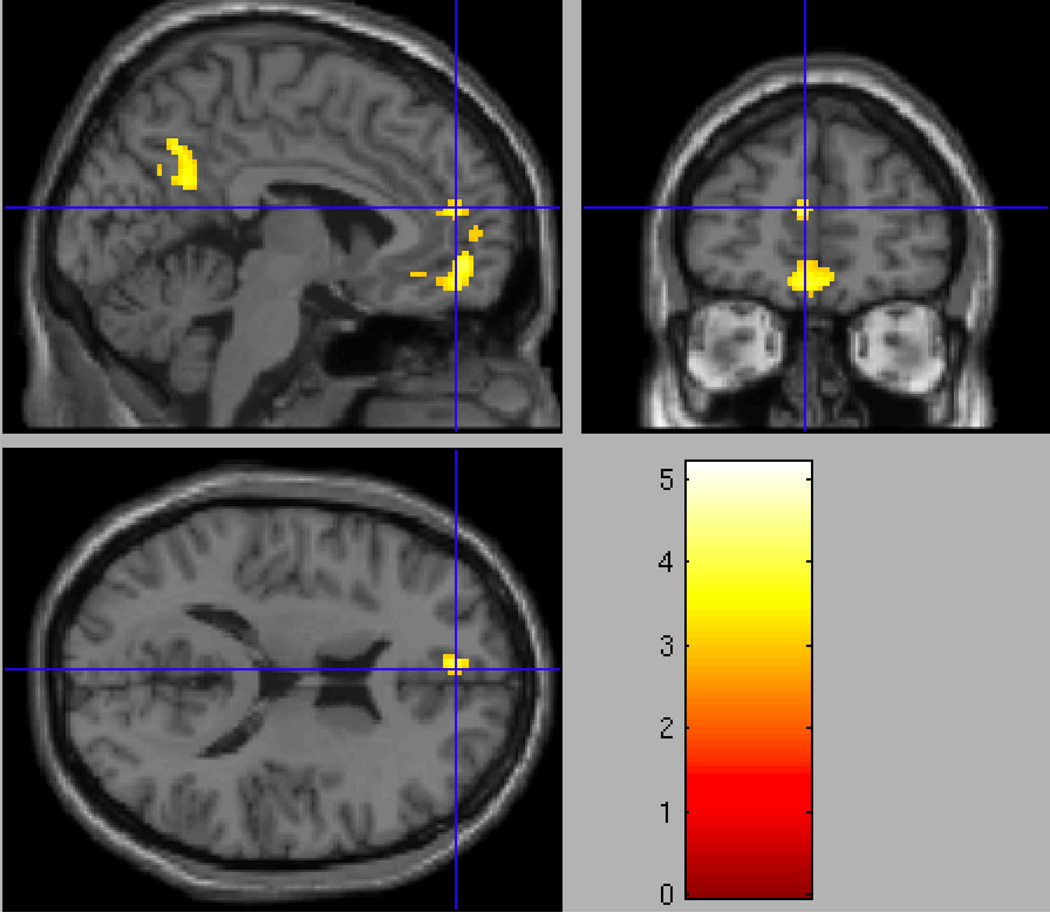
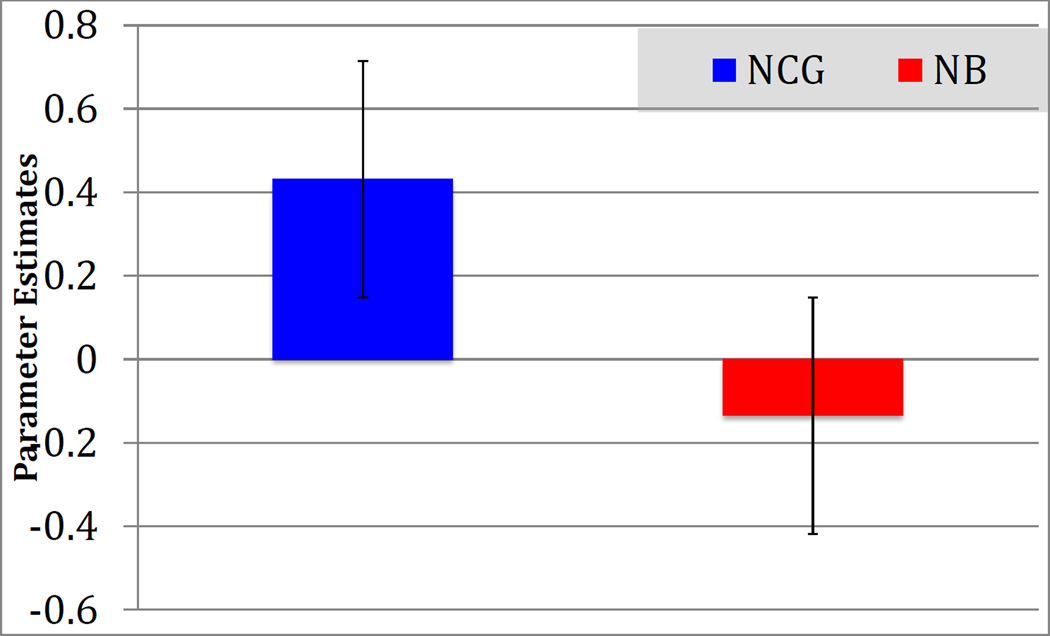
Complicated Grief, marked by a persistent and intrusive grief lasting beyond the expected period of adaptation, is associated with a relative inability to disengage from idiographic loss-relevant stimuli (O'Connor and Arizmendi, 2014). In other populations, functional magnetic resonance imaging (fMRI) studies investigating the neural networks associated with this bias consistently implicate the anterior cingulate cortex (ACC) during emotion regulation. In the present study, twenty-eight older adults were categorized into three groups based on grief severity: Complicated Grief (n=8), Non-Complicated Grief (n=9), and Nonbereaved, married controls (n=11). Using a block design, all participants completed 8 blocks (20 stimuli per block) of the ecStroop task during fMRI data acquisition. Differences in neural activity during grief-related (as opposed to neutral) stimuli across groups were examined. Those with Complicated Grief showed an absence of increased rostral ACC (rACC) and fronto-cortical recruitment relative to Nonbereaved controls. Activity in the orbitofrontal cortex (x=6, y=54, z=-10) was significantly elevated in the Non-Complicated Grief group when compared to Nonbereaved controls. Post hoc analysis evidenced activity in the dorsal ACC in the Complicated Grief and Nonbereaved groups late in the task. These findings, supported by behavioral data, suggest a relative inability to recruit the regions necessary for successful completion of this emotional task in those with Complicated Grief. This deficit was not observed in recruitment of the orbitofrontal cortex and the rACC during processing of idiographic semantic stimuli in Non-Complicated Grief.
复杂性悲伤的特征是持续且难以摆脱的悲伤,持续时间超出预期的适应期,这与相对无法从与特定损失相关的刺激中脱离有关(奥康纳和阿里兹门迪,2014年)。在其他人群中,功能磁共振成像(fMRI)研究调查与这种偏差相关的神经网络时,在情绪调节过程中始终涉及前扣带回皮质(ACC)。在本研究中,28名老年人根据悲伤严重程度分为三组:复杂性悲伤组(n = 8)、非复杂性悲伤组(n = 9)和未丧亲的已婚对照组(n = 11)。采用组块设计,所有参与者在fMRI数据采集期间完成了8个组块(每个组块20个刺激)的情绪冲突Stroop任务。检查了各组在与悲伤相关(而非中性)刺激期间的神经活动差异。与未丧亲的对照组相比,复杂性悲伤组的喙部前扣带回皮质(rACC)和额叶皮质募集没有增加。与未丧亲的对照组相比,非复杂性悲伤组眶额皮质(x = 6,y = 54,z = -10)的活动显著升高。事后分析表明,在任务后期,复杂性悲伤组和未丧亲组的背侧ACC有活动。这些发现得到行为数据的支持,表明复杂性悲伤者相对无法募集成功完成这项情感任务所需的区域。在非复杂性悲伤者处理特定语义刺激过程中,眶额皮质和rACC的募集未观察到这种缺陷。