Wang Qianqian, Liu Jinyang, Wang Yu, Zhao Yang, Jiang Haiyang, Cheng Beijiu
Key Laboratory of Crop Biology of Anhui Province, Anhui Agricultural University, No. 130, Changjiang West Road, Hefei 230036, China.
Int J Mol Sci. 2015 Sep 30;16(10):23517-44. doi: 10.3390/ijms161023517.
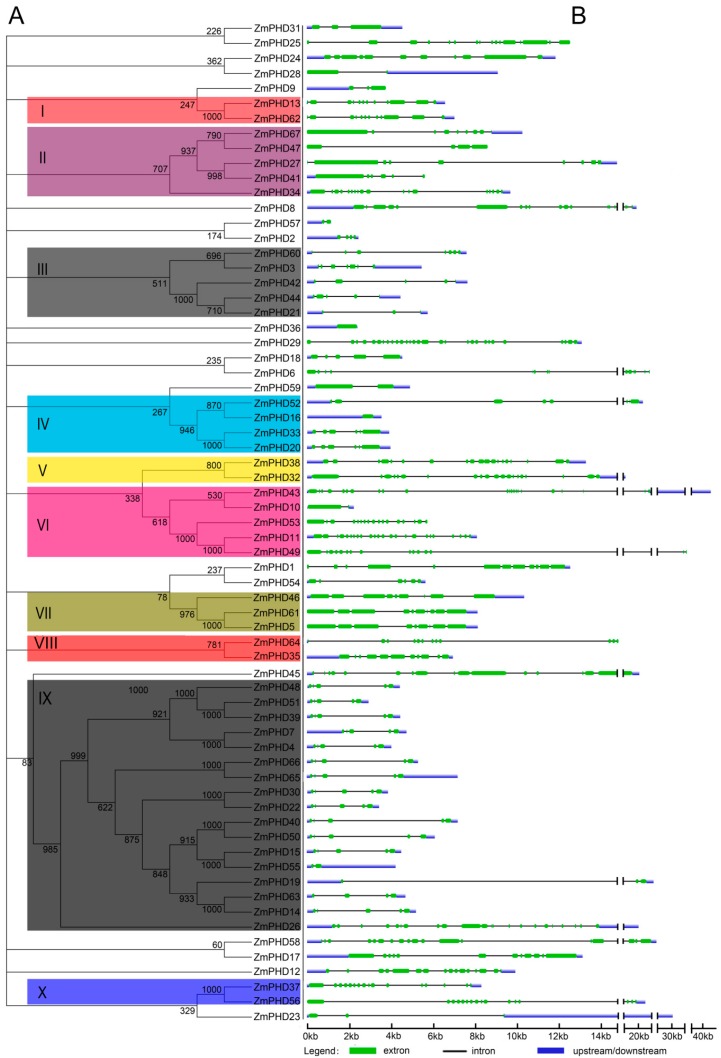
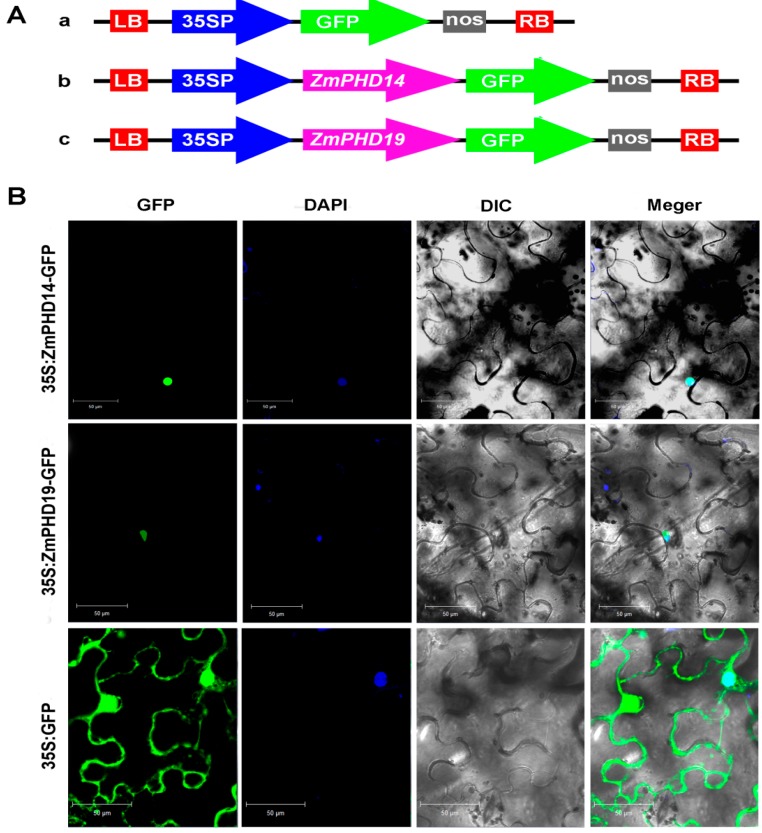
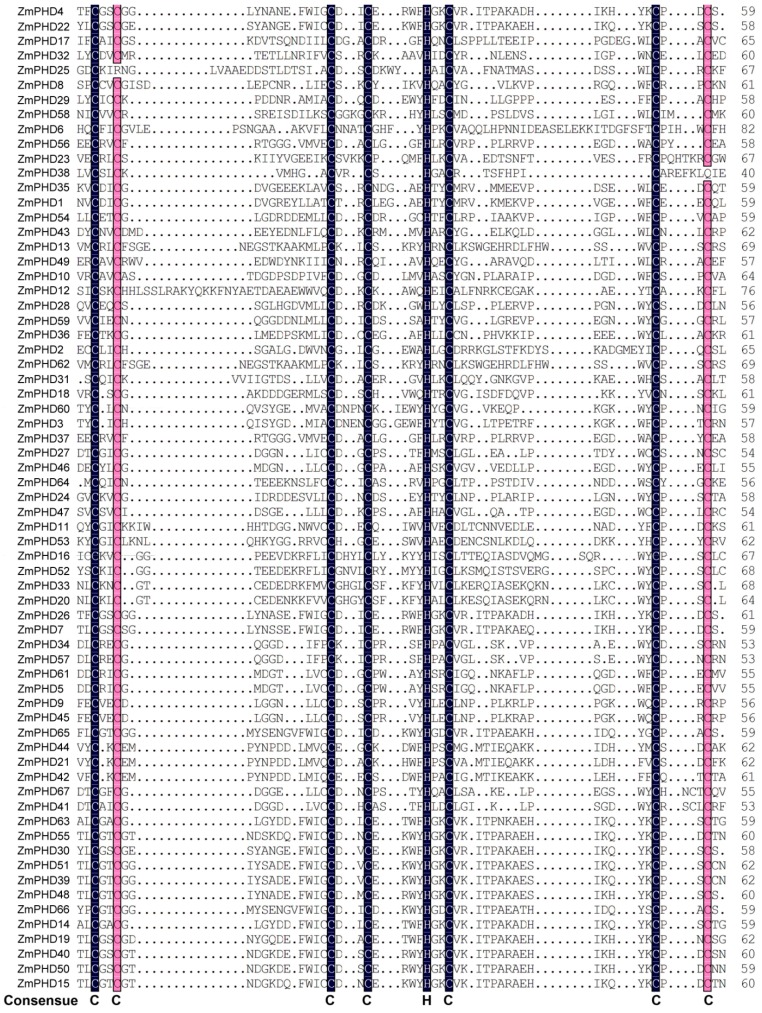
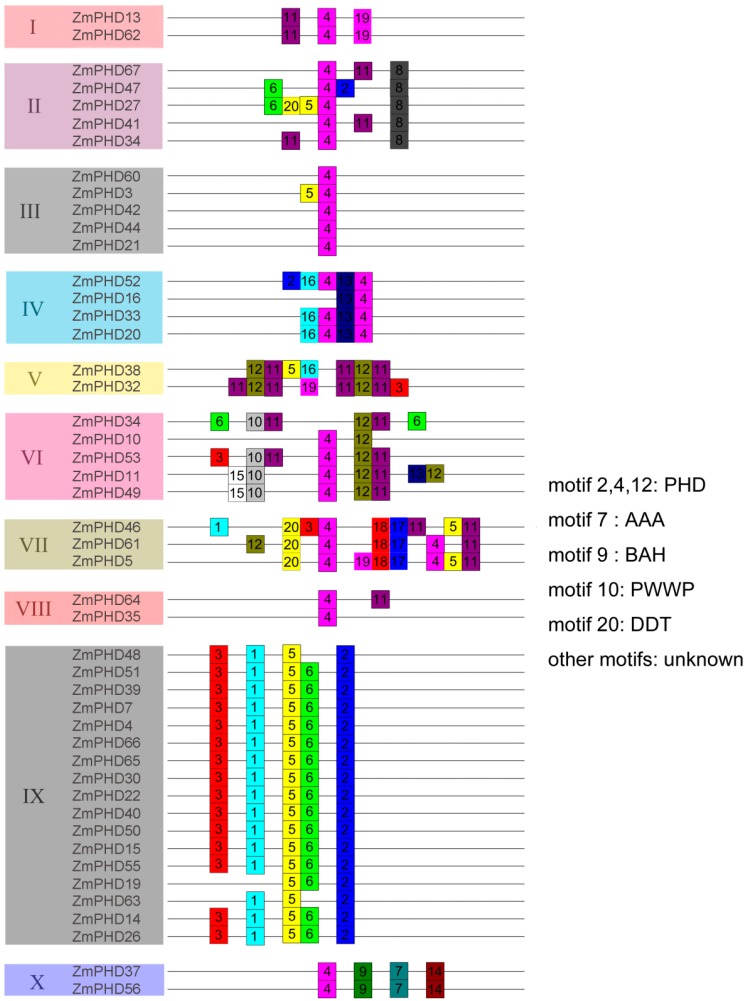
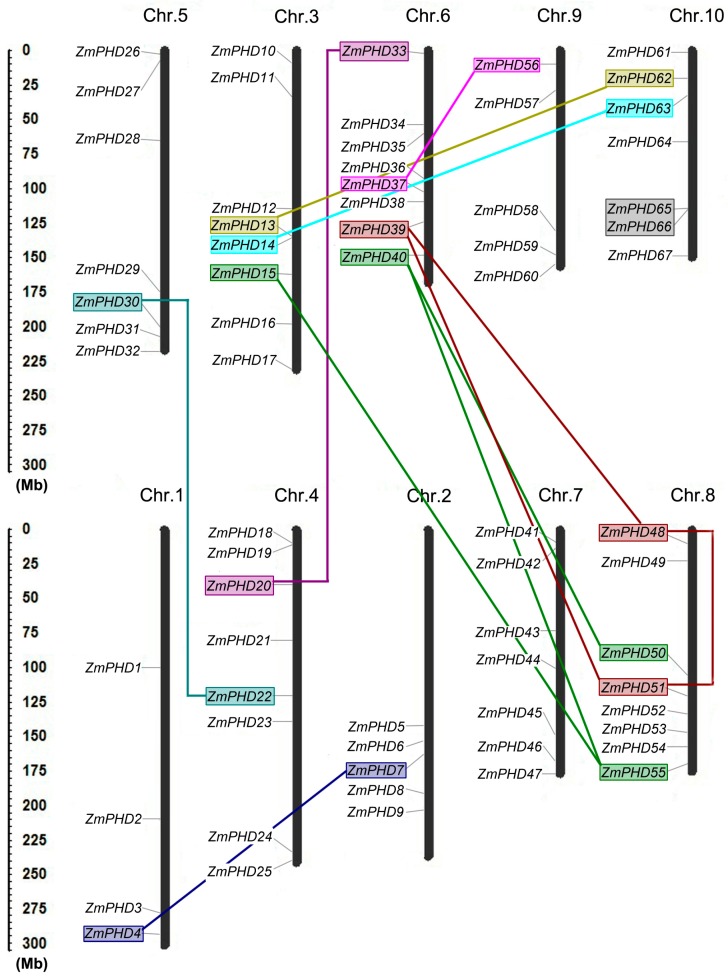
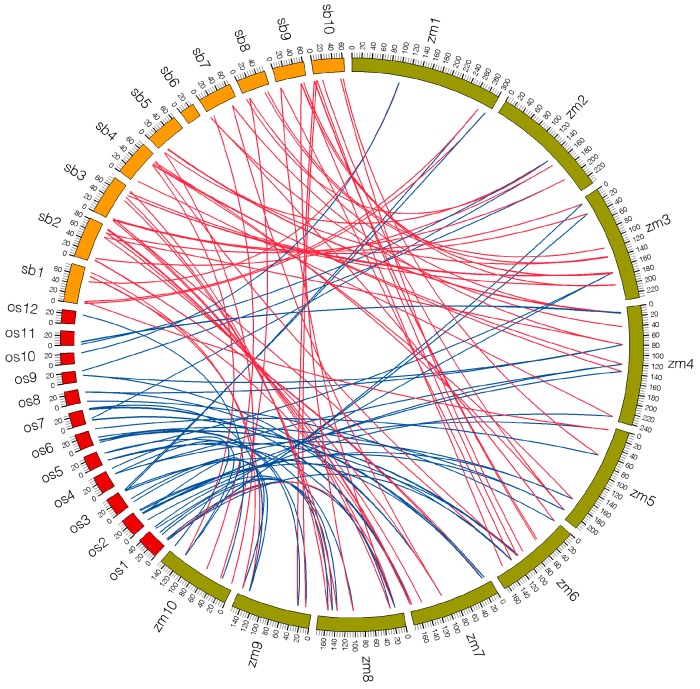
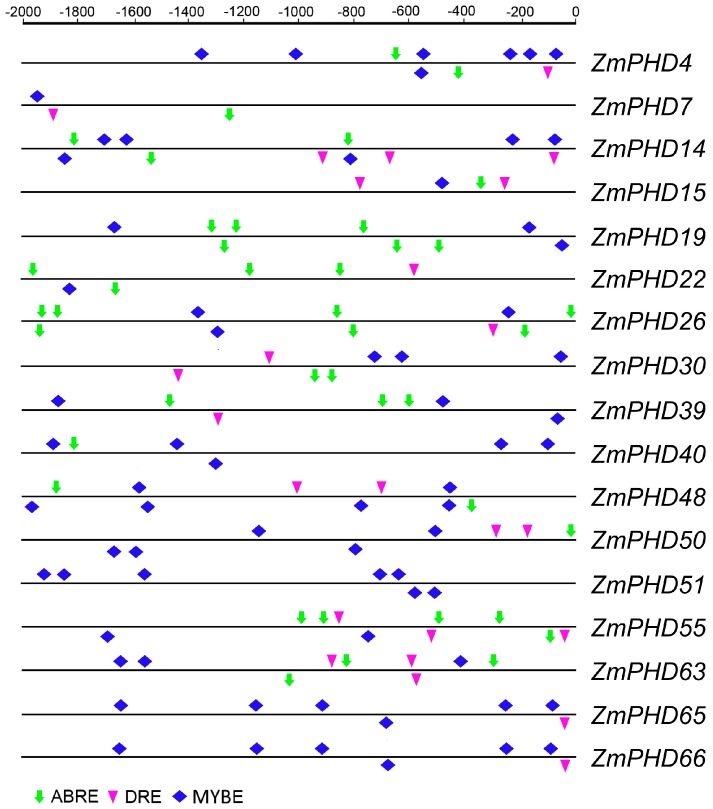
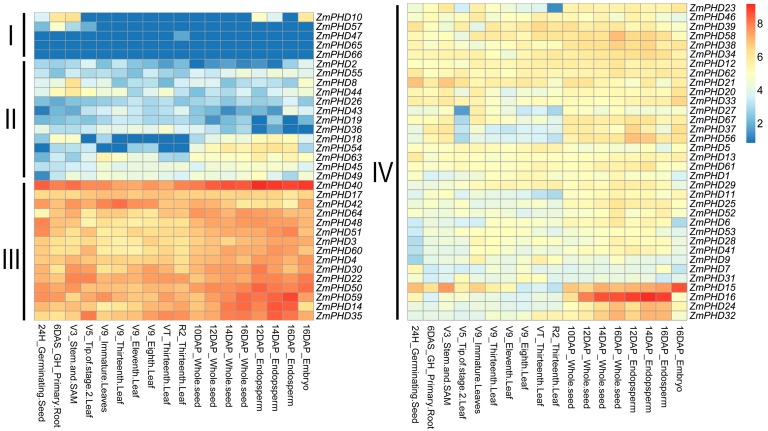
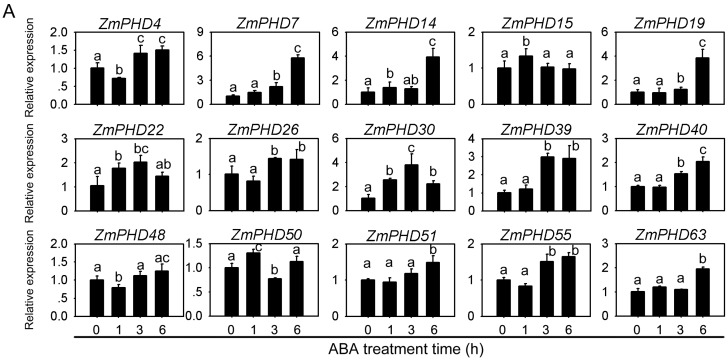
Plant homeodomain (PHD)-finger proteins were found universally in eukaryotes and known as key players in regulating transcription and chromatin structure. Many PHD-finger proteins have been well studied on structure and function in animals. Whereas, only a few of plant PHD-finger factors had been characterized, and majority of PHD-finger proteins were functionally unclear. In this study, a complete comprehensive analysis of maize PHD family is presented. Sixty-seven PHD-finger genes in maize were identified and further divided into ten groups according to phylogenetic analysis that was supported by motif and intron/exon analysis. These genes were unevenly distributed on ten chromosomes and contained 12 segmental duplication events, suggesting that segmental duplications were the major contributors in expansion of the maize PHD family. The paralogous genes mainly experienced purifying selection with restrictive functional divergence after the duplication events on the basis of the Ka/Ks ratio. Gene digital expression analysis showed that the PHD family had a wide expression profile in maize development. In addition, 15 potential stress response genes were detected by promoter cis-element and expression analysis. Two proteins ZmPHD14 and ZmPHD19 were located in the nucleus. These results provided a solid base for future functional genome study of the PHD-finger family in maize and afforded important clues for characterizing and cloning potentially important candidates in response to abiotic stresses.
植物同源异型域(PHD)-指蛋白在真核生物中普遍存在,是调控转录和染色质结构的关键因子。许多PHD-指蛋白在动物的结构和功能方面已得到充分研究。然而,仅有少数植物PHD-指因子得到了表征,大多数PHD-指蛋白的功能尚不清楚。在本研究中,对玉米PHD家族进行了全面的综合分析。鉴定出玉米中的67个PHD-指基因,并根据系统发育分析进一步分为十组,该分析得到了基序和内含子/外显子分析的支持。这些基因不均匀地分布在十条染色体上,包含12个片段重复事件,表明片段重复是玉米PHD家族扩张的主要因素。基于Ka/Ks比值,旁系同源基因在重复事件后主要经历了纯化选择和有限的功能分化。基因数字表达分析表明,PHD家族在玉米发育过程中具有广泛的表达谱。此外,通过启动子顺式元件和表达分析检测到15个潜在的胁迫响应基因。两种蛋白ZmPHD14和ZmPHD19定位于细胞核。这些结果为未来玉米PHD-指家族的功能基因组研究提供了坚实基础,并为鉴定和克隆响应非生物胁迫的潜在重要候选基因提供了重要线索。