Silvennoinen Mika, Ahtiainen Juha P, Hulmi Juha J, Pekkala Satu, Taipale Ritva S, Nindl Bradley C, Laine Tanja, Häkkinen Keijo, Selänne Harri, Kyröläinen Heikki, Kainulainen Heikki
Department of Biology of Physical Activity, University of Jyväskylä, Jyväskylä, Finland
Department of Biology of Physical Activity, University of Jyväskylä, Jyväskylä, Finland.
Physiol Rep. 2015 Oct;3(10). doi: 10.14814/phy2.12563.
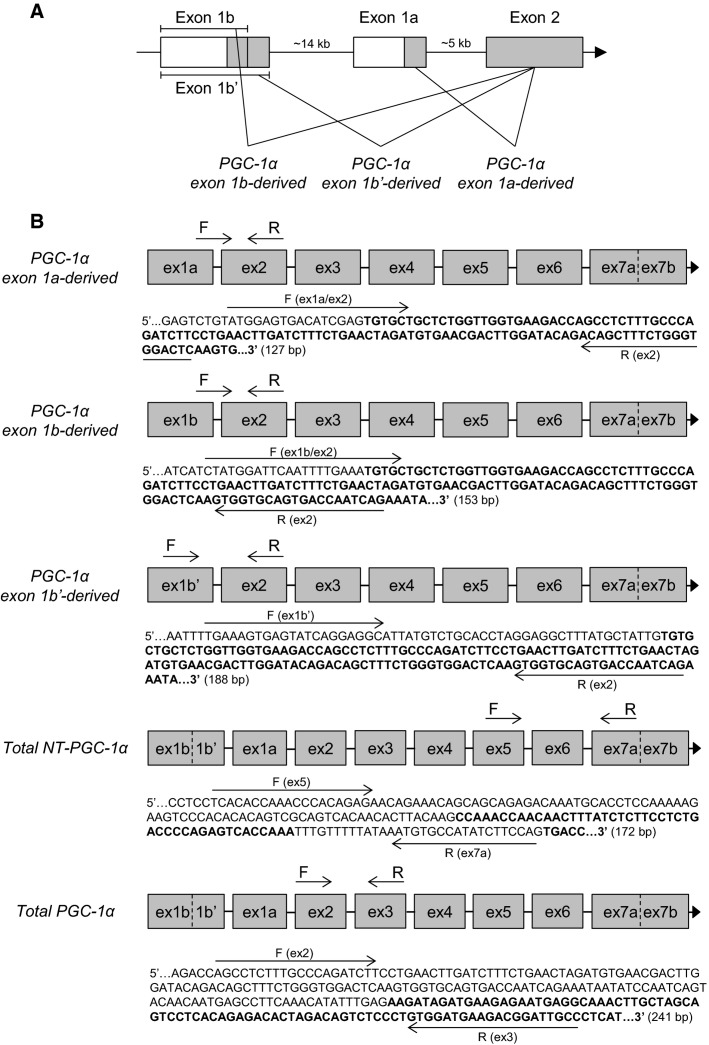
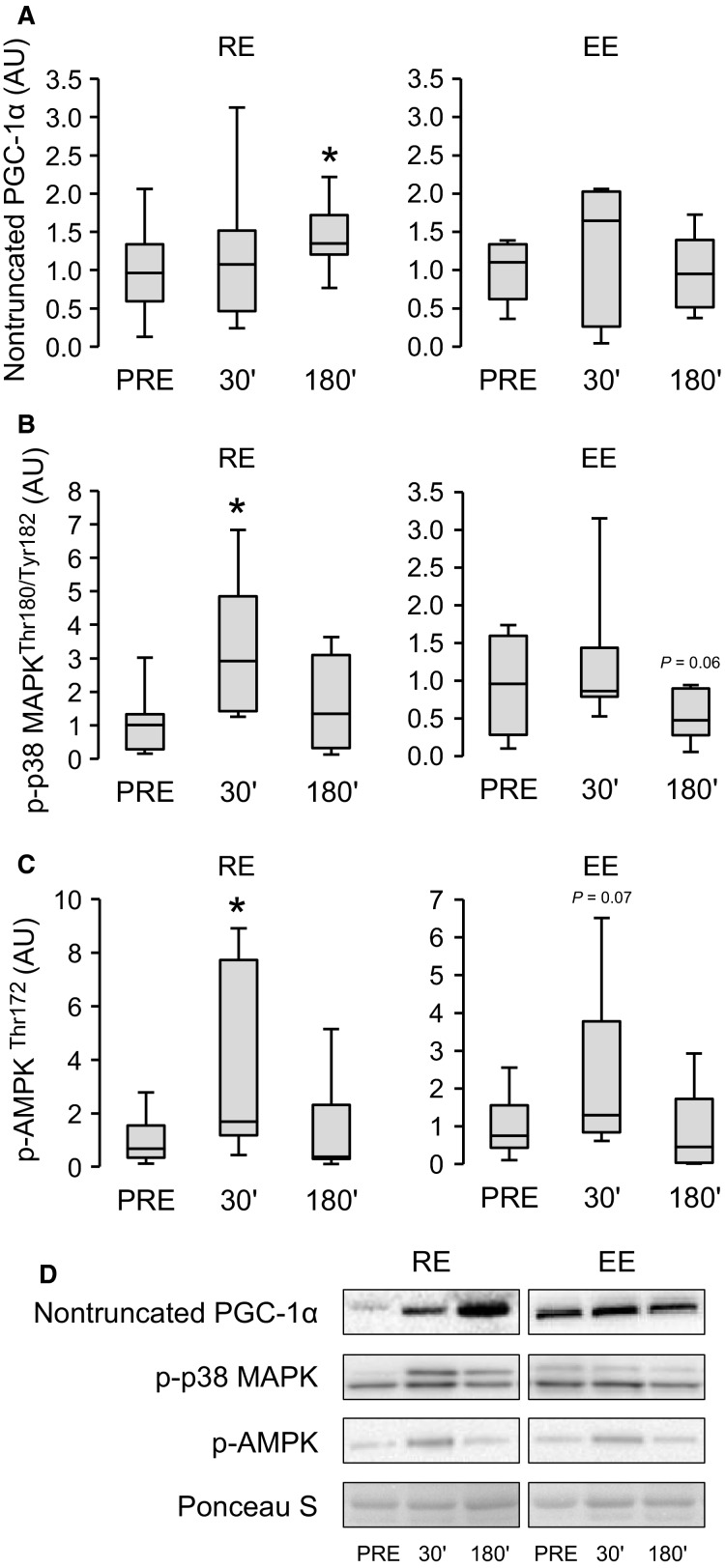
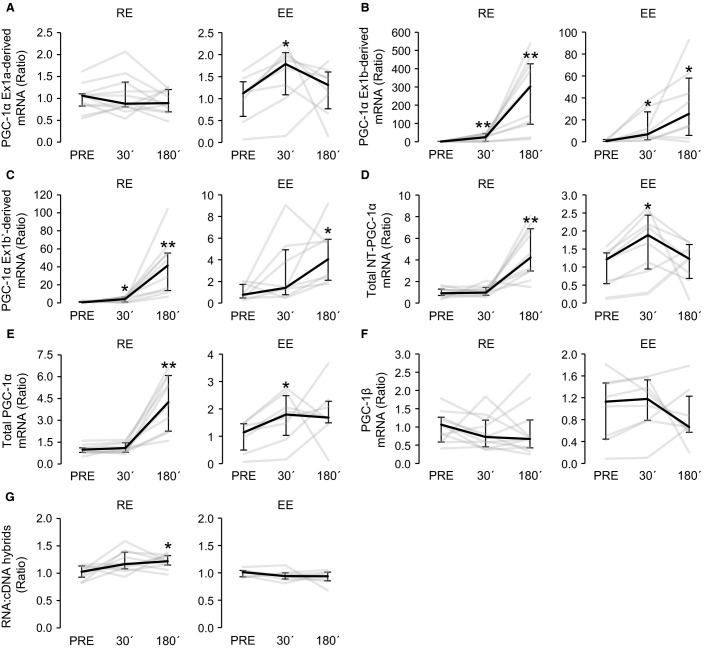
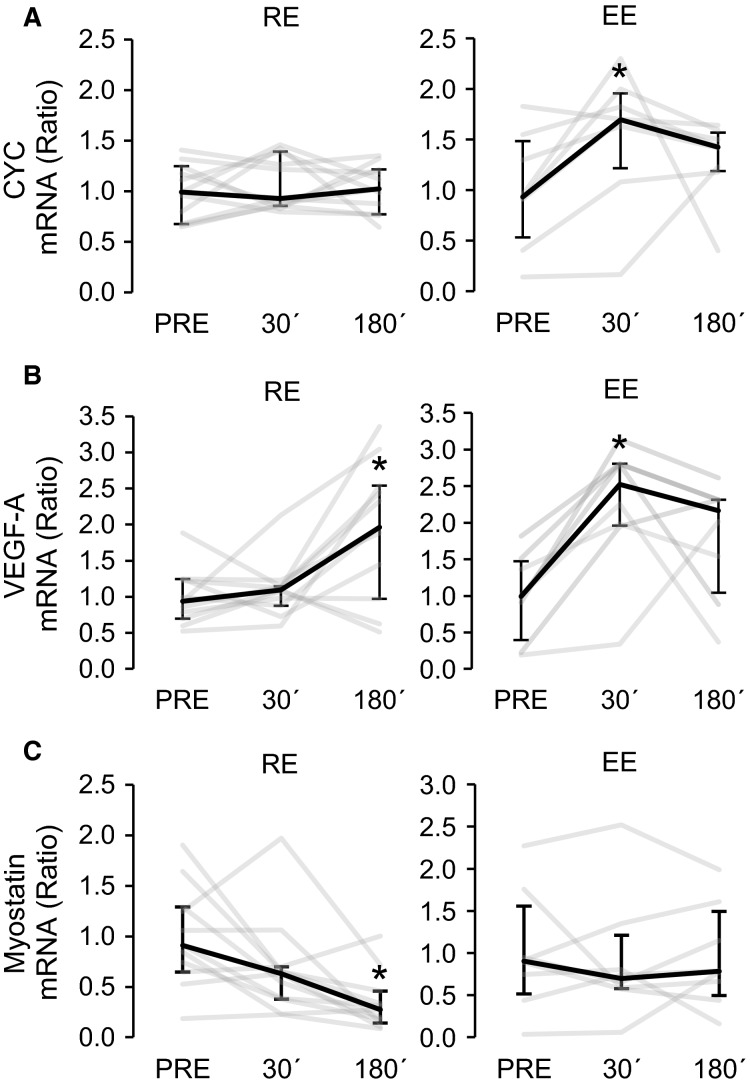
The primary aim of the present study was to investigate the acute gene expression responses of PGC-1 isoforms and PGC-1α target genes related to mitochondrial biogenesis (cytochrome C), angiogenesis (VEGF-A), and muscle hypertrophy (myostatin), after a resistance or endurance exercise bout. In addition, the study aimed to elucidate whether the expression changes of studied transcripts were linked to phosphorylation of AMPK and MAPK p38. Nineteen physically active men were divided into resistance exercise (RE, n = 11) and endurance exercise (EE, n = 8) groups. RE group performed leg press exercise (10 × 10 RM, 50 min) and EE walked on a treadmill (~80% HRmax, 50 min). Muscle biopsies were obtained from the vastus lateralis muscle before, 30 min, and 180 min after exercise. EE and RE significantly increased the gene expression of alternative promoter originated PGC-1α exon 1b- and 1bxs'-derived isoforms, whereas the proximal promoter originated exon 1a-derived transcripts were less inducible and were upregulated only after EE. Truncated PGC-1α transcripts were upregulated both after EE and RE. Neither RE nor EE affected the expression of PGC-1β. EE upregulated the expression of cytochrome C and VEGF-A, whereas RE upregulated VEGF-A and downregulated myostatin. Both EE and RE increased the levels of p-AMPK and p-MAPK p38, but these changes were not linked to the gene expression responses of PGC-1 isoforms. The present study comprehensively assayed PGC-1 transcripts in human skeletal muscle and showed exercise mode-specific responses thus improving the understanding of early signaling events in exercise-induced muscle adaptations.
本研究的主要目的是调查在进行一次抗阻或耐力运动后,与线粒体生物合成(细胞色素C)、血管生成(血管内皮生长因子A)和肌肉肥大(肌肉生长抑制素)相关的PGC-1亚型和PGC-1α靶基因的急性基因表达反应。此外,该研究旨在阐明所研究转录本的表达变化是否与AMPK和丝裂原活化蛋白激酶p38的磷酸化有关。19名身体活跃的男性被分为抗阻运动组(RE,n = 11)和耐力运动组(EE,n = 8)。RE组进行腿举运动(10×10RM,50分钟),EE组在跑步机上行走(约80%最大心率,50分钟)。在运动前、运动后30分钟和180分钟从股外侧肌获取肌肉活检样本。EE和RE显著增加了由替代启动子产生的PGC-1α外显子1b和1bxs'衍生亚型的基因表达,而由近端启动子产生的外显子1a衍生转录本的诱导性较低,仅在EE后上调。截短的PGC-1α转录本在EE和RE后均上调。RE和EE均未影响PGC-1β的表达。EE上调了细胞色素C和血管内皮生长因子A的表达,而RE上调了血管内皮生长因子A并下调了肌肉生长抑制素。EE和RE均增加了p-AMPK和p-丝裂原活化蛋白激酶p38的水平,但这些变化与PGC-1亚型的基因表达反应无关。本研究全面检测了人类骨骼肌中的PGC-1转录本,并显示了运动模式特异性反应,从而增进了对运动诱导的肌肉适应中早期信号事件的理解。