Dilshad Erum, Cusido Rosa Maria, Ramirez Estrada Karla, Bonfill Mercedes, Mirza Bushra
Department of Biochemistry, Faculty of Biological sciences, Quaid-i-Azam University, Islamabad, Pakistan.
Laboratorio de Fisiología Vegetal, Facultad de Farmacia, Universidad de Barcelona, Spain.
PLoS One. 2015 Oct 7;10(10):e0140266. doi: 10.1371/journal.pone.0140266. eCollection 2015.
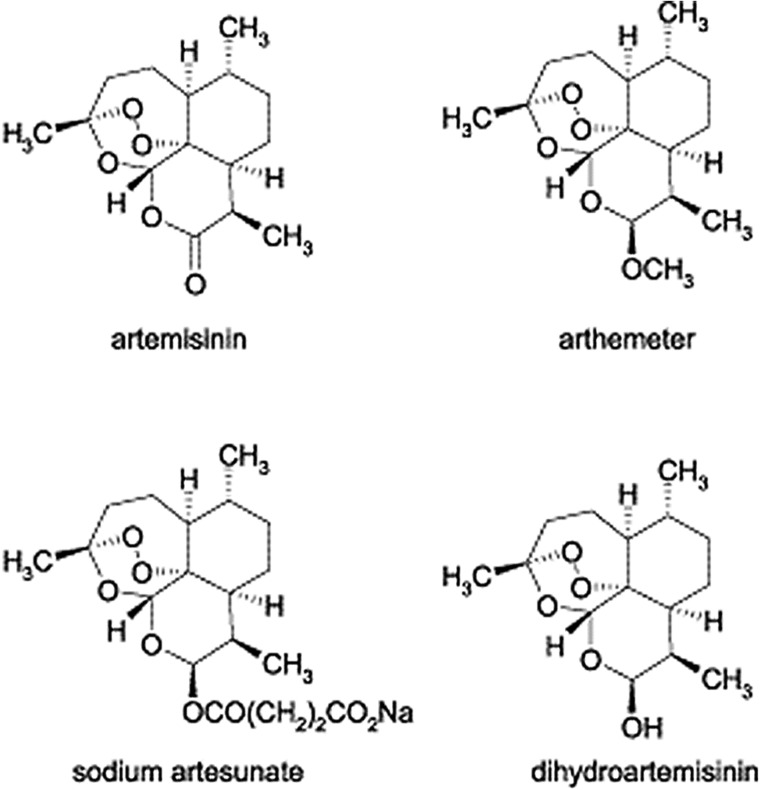
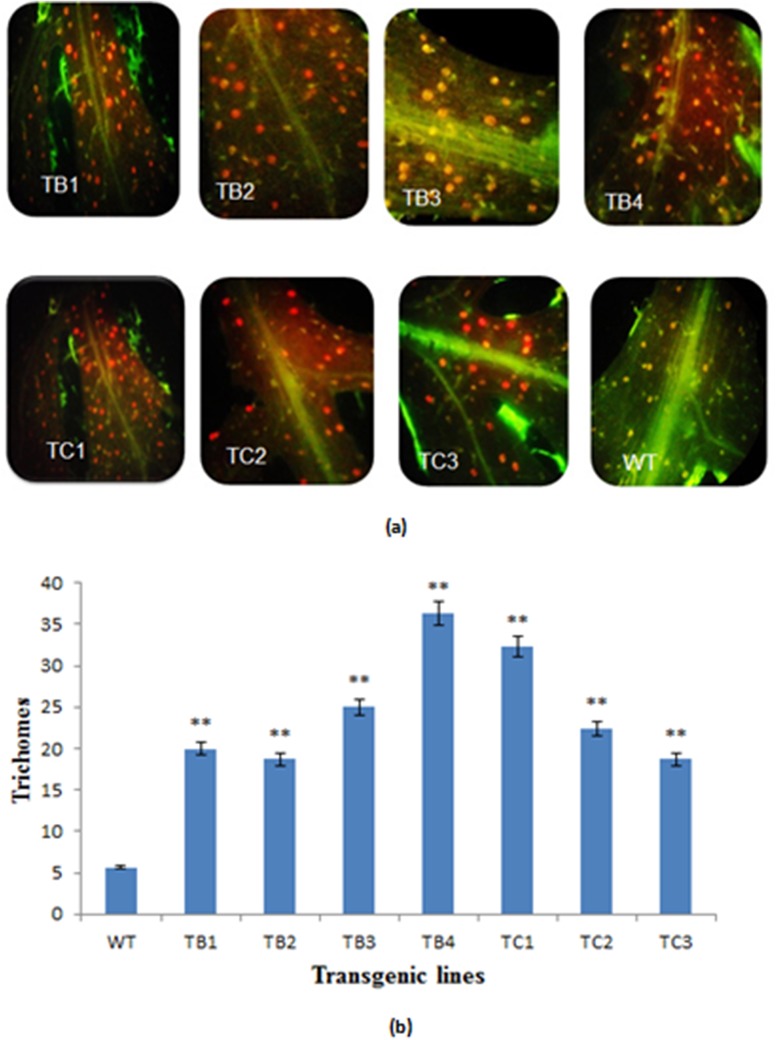
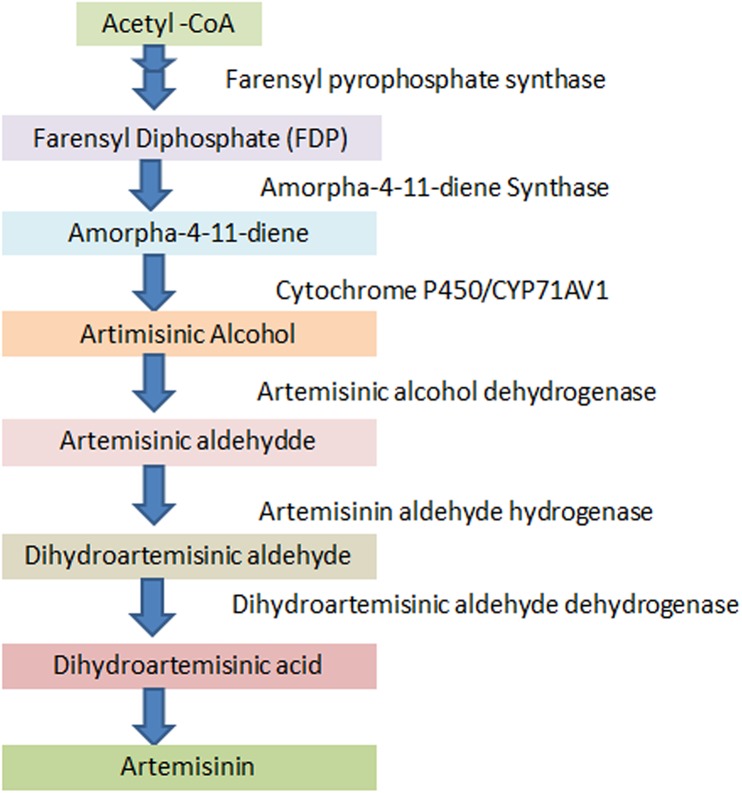
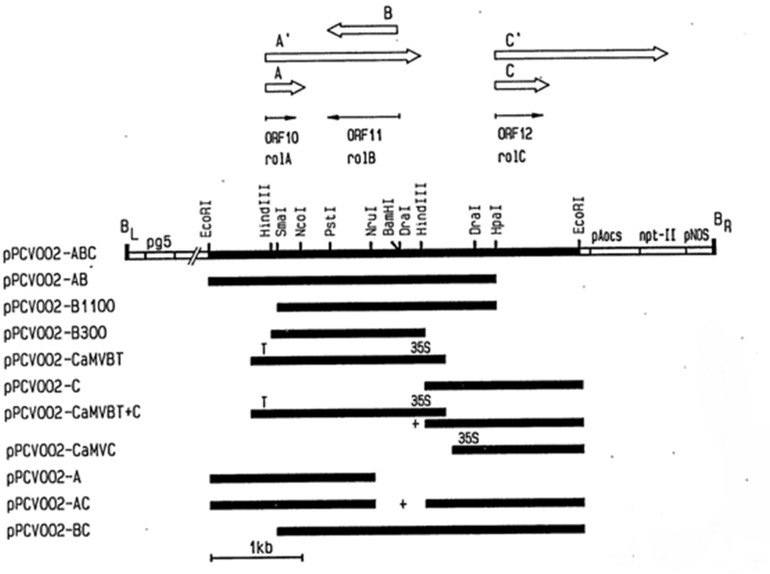
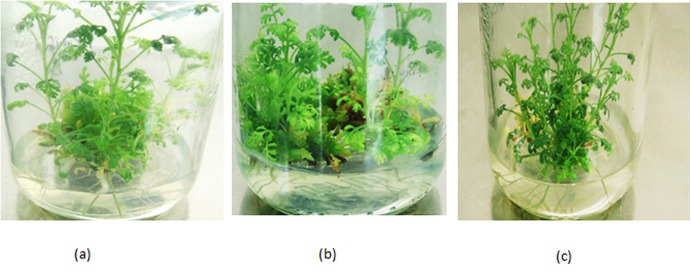
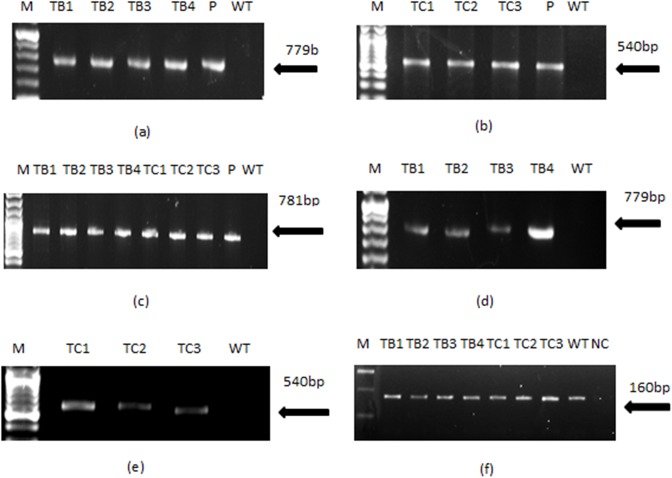
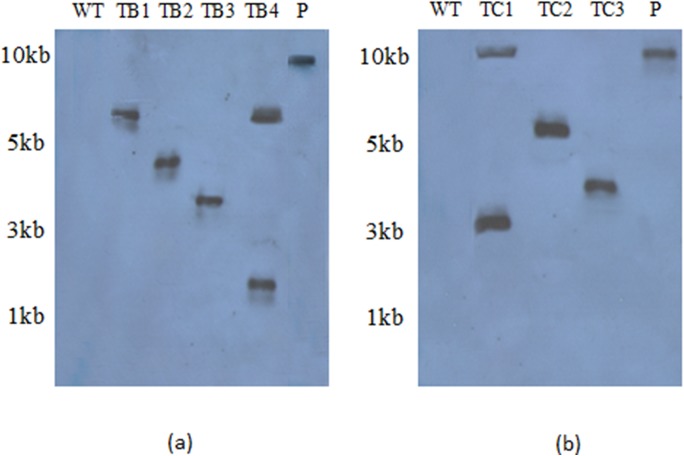
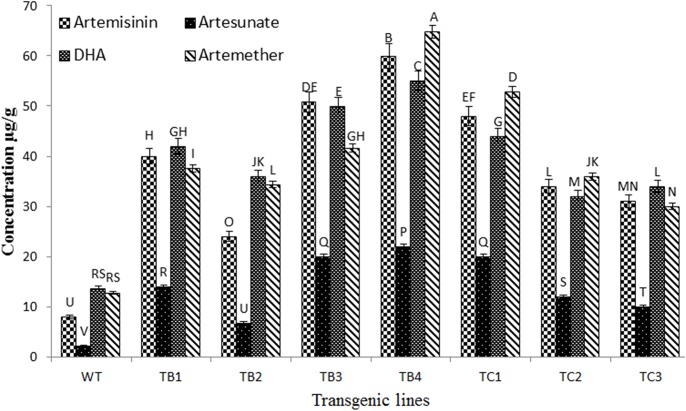
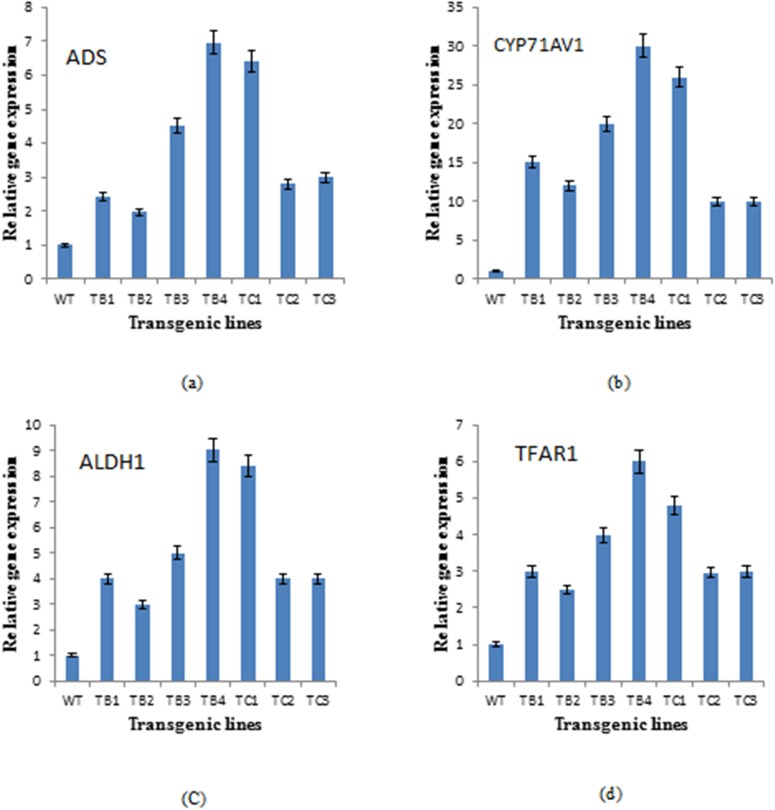
The potent antimalarial drug artemisinin has a high cost, since its only viable source to date is Artemisia annua (0.01-0.8% DW). There is therefore an urgent need to design new strategies to increase its production or to find alternative sources. In the current study, Artemisia carvifolia Buch was selected with the aim of detecting artemisinin and then enhancing the production of the target compound and its derivatives. These metabolites were determined by LC-MS in the shoots of A. carvifolia wild type plants at the following concentrations: artemisinin (8μg/g), artesunate (2.24μg/g), dihydroartemisinin (13.6μg/g) and artemether (12.8μg/g). Genetic transformation of A. carvifolia was carried out with Agrobacterium tumefaciens GV3101 harboring the rol B and rol C genes. Artemisinin content increased 3-7-fold in transgenics bearing the rol B gene, and 2.3-6-fold in those with the rol C gene. A similar pattern was observed for artemisinin analogues. The dynamics of artemisinin content in transgenics and wild type A.carvifolia was also correlated with the expression of genes involved in its biosynthesis. Real time qPCR analysis revealed the differential expression of genes involved in artemisinin biosynthesis, i.e. those encoding amorpha-4, 11 diene synthase (ADS), cytochrome P450 (CYP71AV1), and aldehyde dehydrogenase 1 (ALDH1), with a relatively higher transcript level found in transgenics than in the wild type plant. Also, the gene related to trichome development and sesquiterpenoid biosynthesis (TFAR1) showed an altered expression in the transgenics compared to wild type A.carvifolia, which was in accordance with the trichome density of the respective plants. The trichome index was significantly higher in the rol B and rol C gene-expressing transgenics with an increased production of artemisinin, thereby demonstrating that the rol genes are effective inducers of plant secondary metabolism.
强效抗疟药物青蒿素成本高昂,因为迄今为止其唯一可行的来源是黄花蒿(干重的0.01 - 0.8%)。因此,迫切需要设计新策略来提高其产量或寻找替代来源。在当前研究中,选择了野艾蒿以检测青蒿素,然后提高目标化合物及其衍生物的产量。通过液相色谱 - 质谱联用(LC - MS)测定了野艾蒿野生型植株地上部分中这些代谢物的含量,具体浓度如下:青蒿素(8μg/g)、青蒿琥酯(2.24μg/g)、双氢青蒿素(13.6μg/g)和蒿甲醚(12.8μg/g)。利用携带rol B和rol C基因的根癌农杆菌GV3101对野艾蒿进行了遗传转化。携带rol B基因的转基因植株中青蒿素含量增加了3至7倍,携带rol C基因的转基因植株中青蒿素含量增加了2.3至6倍。青蒿素类似物也呈现出类似的模式。转基因和野生型野艾蒿中青蒿素含量的动态变化也与其生物合成相关基因的表达相关。实时定量PCR分析揭示了参与青蒿素生物合成的基因的差异表达,即编码紫穗槐 - 4,11 - 二烯合酶(ADS)、细胞色素P450(CYP71AV1)和醛脱氢酶1(ALDH1)的基因,转基因植株中的转录水平相对高于野生型植株。此外,与毛状体发育和倍半萜生物合成相关的基因(TFAR1)在转基因植株中的表达与野生型野艾蒿相比发生了改变,这与各植株的毛状体密度一致。在表达rol B和rol C基因且青蒿素产量增加的转基因植株中,毛状体指数显著更高,从而证明rol基因是植物次生代谢的有效诱导剂。