Yuan Chun-Hui, Sun Xiao-Ming, Zhu Cheng-Liang, Liu Shao-Ping, Wu Long, Chen Hao, Feng Mao-Hui, Wu Ke, Wang Fu-Bing
Department of Laboratory Medicine, Zhongnan Hospital of Wuhan University, Wuchang District, Wuhan 430071, P.R. China.
Department of Immunology, School of Basic Medical Sciences, Wuhan University, Wuchang District, Wuhan 430071, P.R. China.
Oncotarget. 2015 Oct 13;6(31):32138-53. doi: 10.18632/oncotarget.5171.
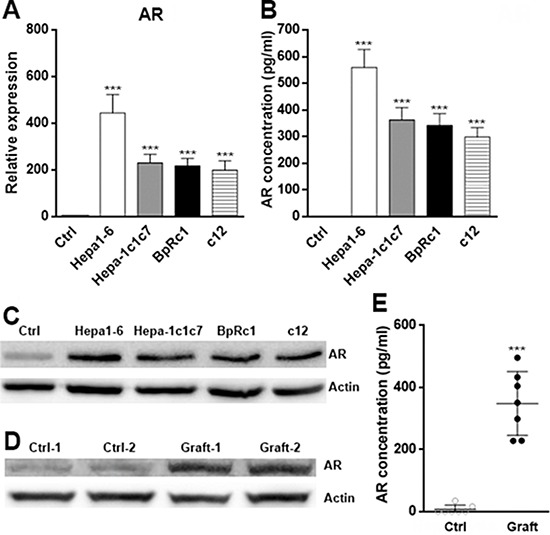
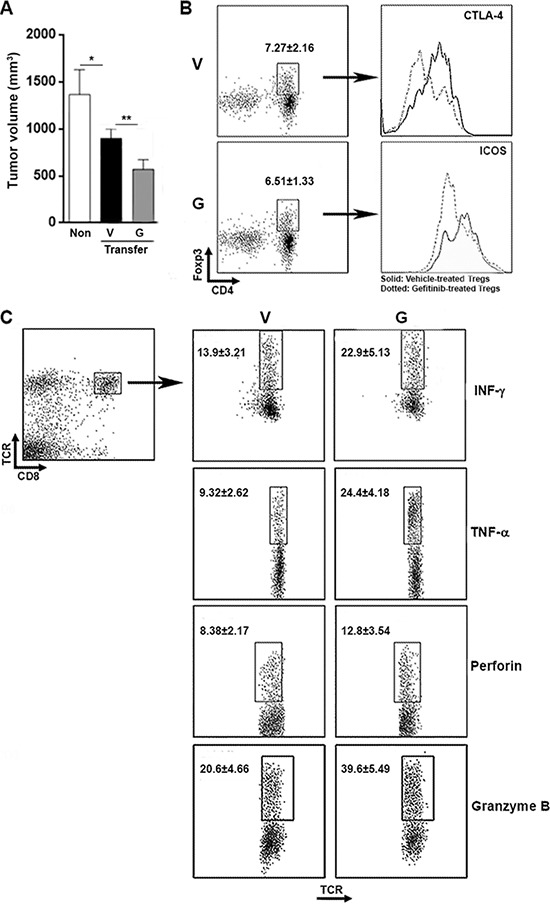
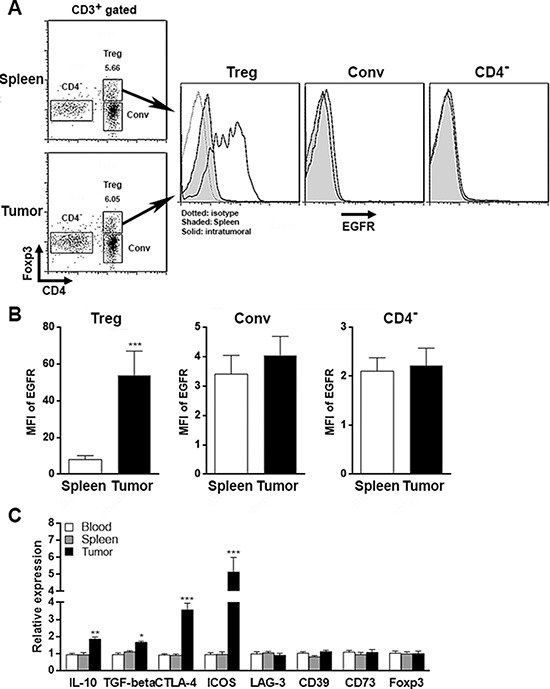
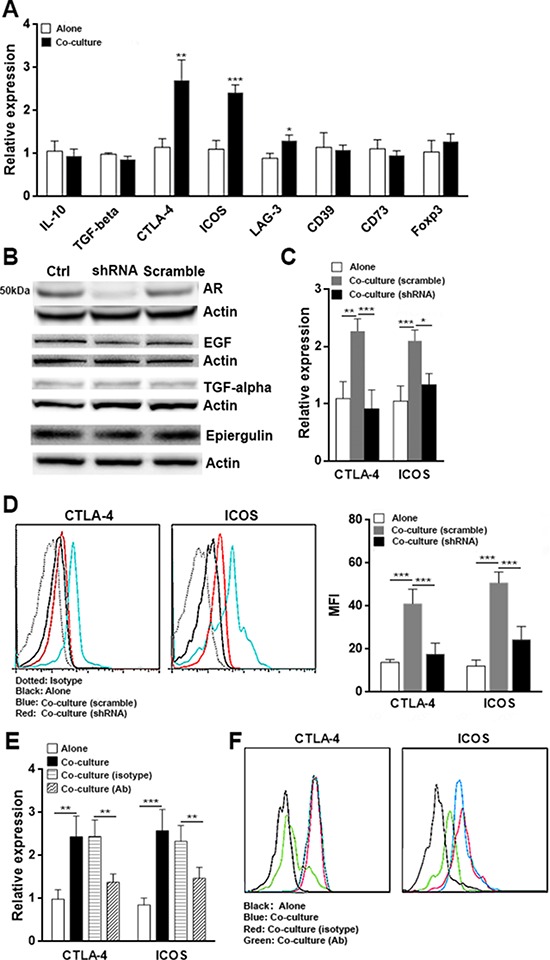
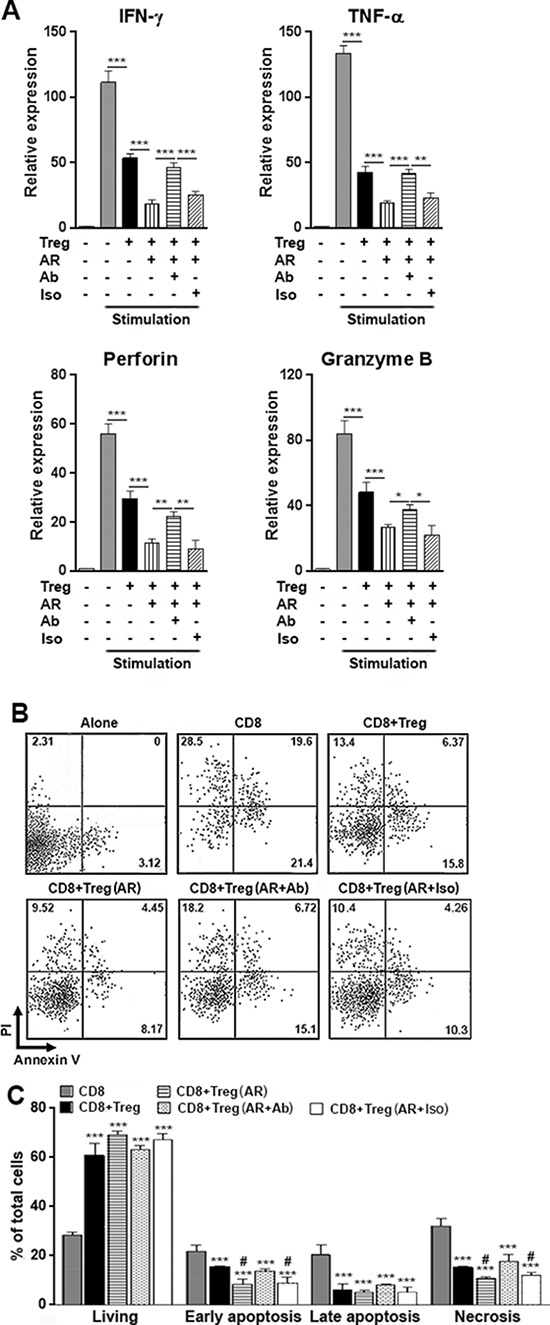
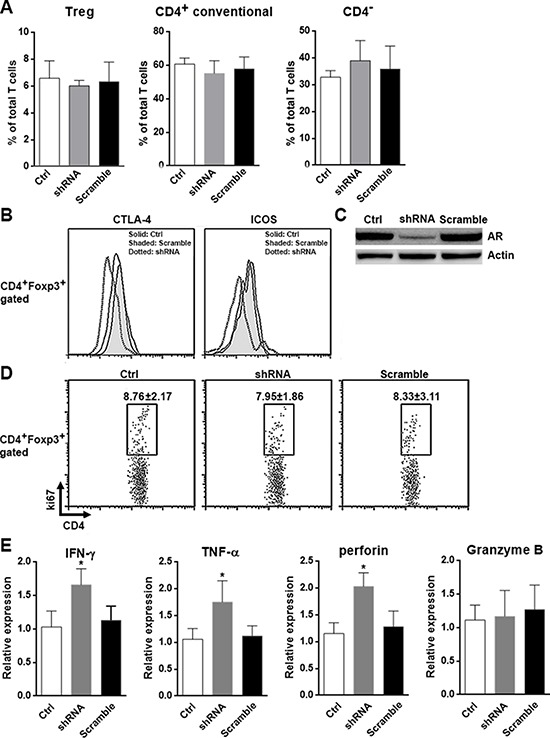
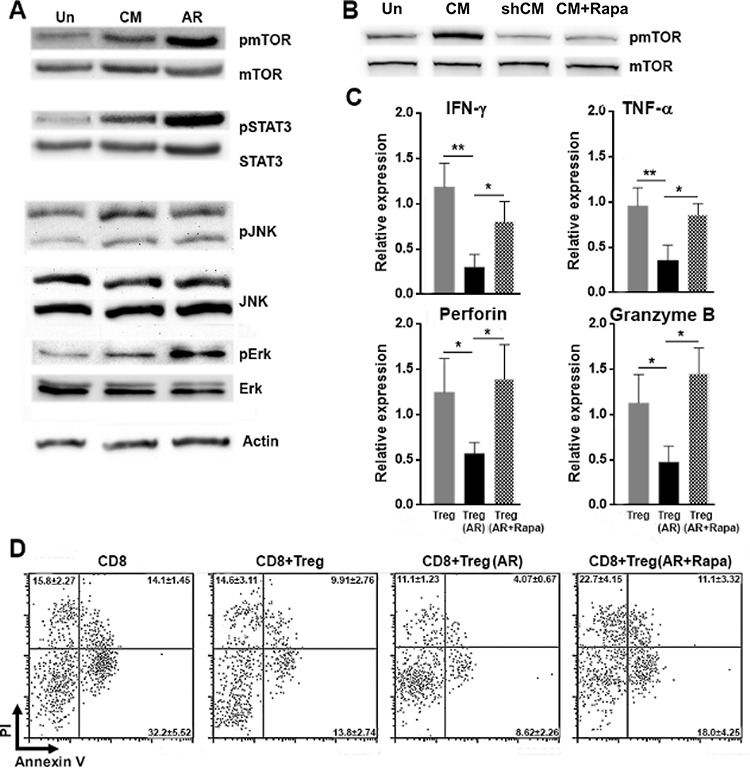
CD8+ T cell-mediated immune response plays an important role in inhibiting progression of hepatocellular carcinoma (HCC). For strategic immunotherapy, it is critical to understand why some of the tumor cells escape from this immune attack. In this study, we investigated how HCC cells alter endogenous anti-tumor immunity and their related signaling pathways. We found that HCC cells, both in vitro and in vivo, substantially secret and express amphiregulin (AR). AR in turn activates immunosuppressive function of intratumoral CD4+Foxp3+ regulatory T cells (Tregs), a major inhibitor of CD8+ T cells. Using either lentiviral siRNA, or AR neutralizing antibody, we blocked the expression and function of AR to test the specificity of AR mediated activation of Tregs, Biochemical and cell biology studies were followed and confirmed that blocking of AR inhibited Tregs activation. In addition, we found that AR can trigger the activation of rapamycin complex 1(mTORC1) signaling in Tregs. The mTORC1 inhibitor rapamycin treatment led to compromise Treg function and resulted in enhancing anti-tumor function of CD8+ T cells. Blocking AR/EGFR signaling in Tregs with Gefitinib also enhanced anti-tumor immunity and decreased tumor size in a mouse xenograft tumor model. Taken together, our study suggested a novel mechanism of functional interaction between HCC and Tregs for regulating anti-tumor function of CD8+ T cells.
CD8 + T细胞介导的免疫反应在抑制肝细胞癌(HCC)进展中起重要作用。对于战略性免疫治疗而言,了解为何一些肿瘤细胞能逃脱这种免疫攻击至关重要。在本研究中,我们调查了肝癌细胞如何改变内源性抗肿瘤免疫及其相关信号通路。我们发现,肝癌细胞在体外和体内均大量分泌和表达双调蛋白(AR)。AR继而激活肿瘤内CD4 + Foxp3 +调节性T细胞(Tregs)的免疫抑制功能,Tregs是CD8 + T细胞的主要抑制剂。我们使用慢病毒siRNA或AR中和抗体阻断AR的表达和功能,以测试AR介导的Tregs激活的特异性,随后进行了生化和细胞生物学研究,并证实阻断AR可抑制Tregs激活。此外,我们发现AR可触发Tregs中雷帕霉素复合物1(mTORC1)信号的激活。mTORC1抑制剂雷帕霉素处理导致Treg功能受损,并增强了CD8 + T细胞的抗肿瘤功能。在小鼠异种移植肿瘤模型中,用吉非替尼阻断Tregs中的AR/EGFR信号也增强了抗肿瘤免疫力并减小了肿瘤大小。综上所述,我们的研究揭示了肝癌与Tregs之间调节CD8 + T细胞抗肿瘤功能的功能相互作用新机制。