Department of Infectious Diseases & Immunology, Faculty of Veterinary Medicine, University of Utrecht, 3584 CL Utrecht, The Netherlands.
Immunity. 2013 Feb 21;38(2):275-84. doi: 10.1016/j.immuni.2012.09.023. Epub 2013 Jan 17.
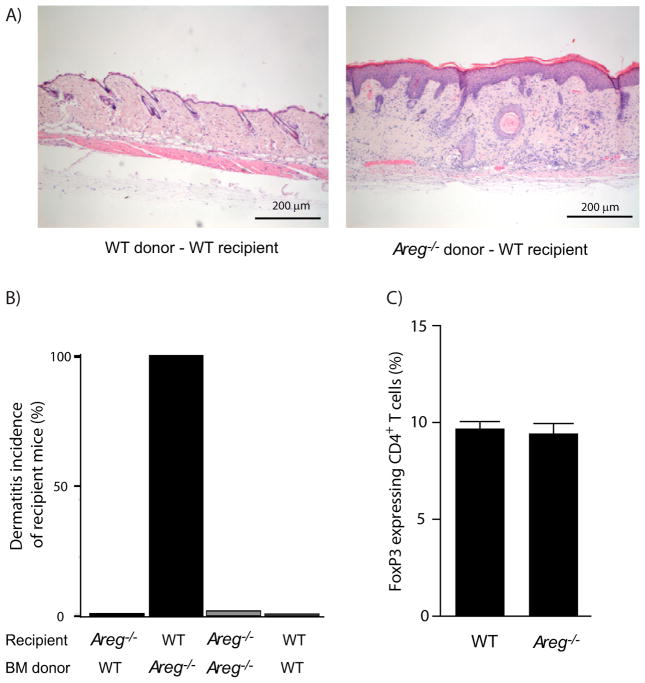
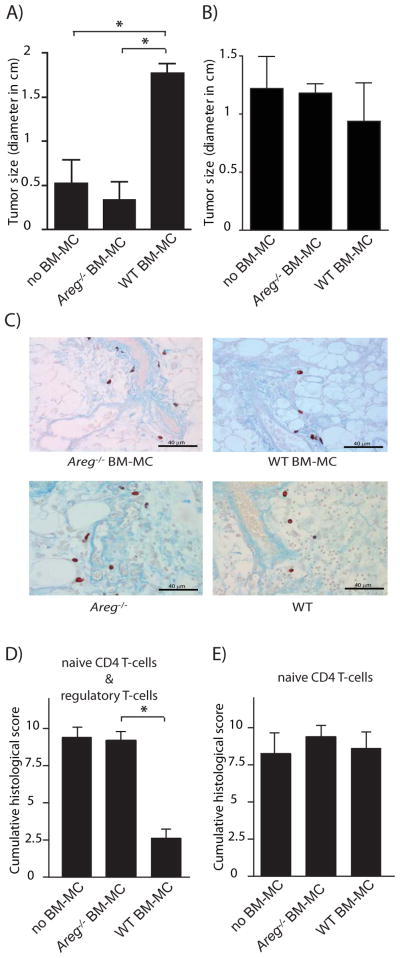
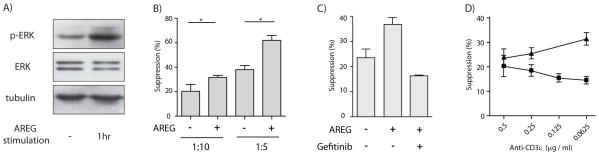
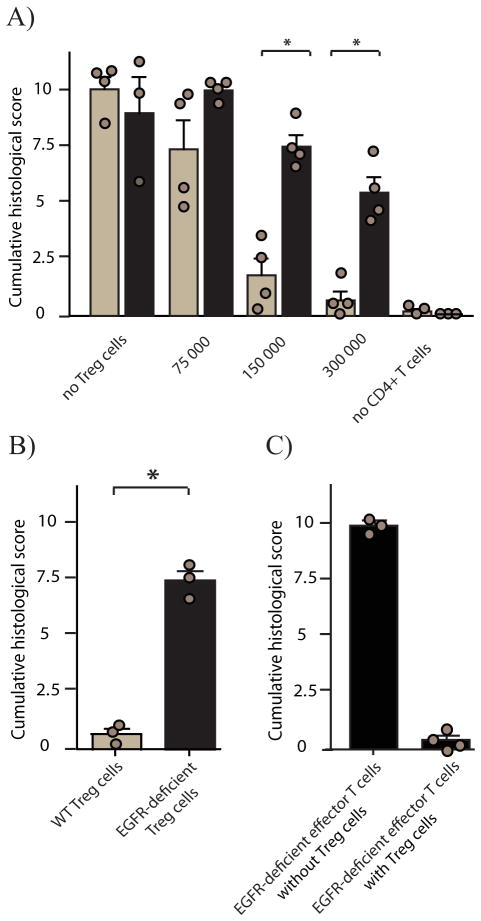
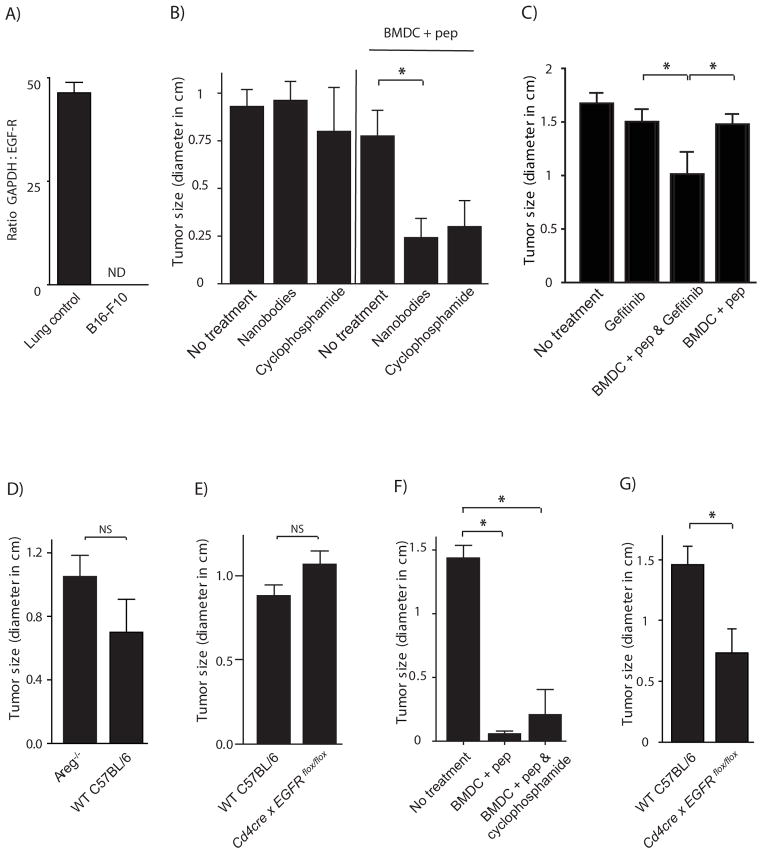
Epidermal growth factor receptor (EGFR) is known to be critically involved in tissue development and homeostasis as well as in the pathogenesis of cancer. Here we showed that Foxp3(+) regulatory T (Treg) cells express EGFR under inflammatory conditions. Stimulation with the EGF-like growth factor Amphiregulin (AREG) markedly enhanced Treg cell function in vitro, and in a colitis and tumor vaccination model we showed that AREG was critical for efficient Treg cell function in vivo. In addition, mast cell-derived AREG fully restored optimal Treg cell function. These findings reveal EGFR as a component in the regulation of local immune responses and establish a link between mast cells and Treg cells. Targeting of this immune regulatory mechanism may contribute to the therapeutic successes of EGFR-targeting treatments in cancer patients.
表皮生长因子受体 (EGFR) 已知在组织发育和稳态以及癌症的发病机制中起着关键作用。在这里,我们表明 Foxp3(+)调节性 T (Treg) 细胞在炎症条件下表达 EGFR。用 EGF 样生长因子 Amphiregulin (AREG) 刺激显着增强了 Treg 细胞在体外的功能,并且在结肠炎和肿瘤疫苗模型中,我们表明 AREG 对于 Treg 细胞在体内的有效功能至关重要。此外,肥大细胞衍生的 AREG 完全恢复了最佳的 Treg 细胞功能。这些发现揭示了 EGFR 是局部免疫反应调节的一个组成部分,并建立了肥大细胞和 Treg 细胞之间的联系。针对这种免疫调节机制可能有助于 EGFR 靶向治疗在癌症患者中的治疗成功。