Sangal Vartul, Blom Jochen, Sutcliffe Iain C, von Hunolstein Christina, Burkovski Andreas, Hoskisson Paul A
Faculty of Health and Life Sciences, Northumbria University, Newcastle upon Tyne, NE1 8ST, UK.
Heinrich-Buff-Ring 58, Justus-Liebig-Universität, 35392, Gießen, Germany.
BMC Genomics. 2015 Oct 9;16:765. doi: 10.1186/s12864-015-1980-8.
Non-toxigenic Corynebacterium diphtheriae strains are emerging as a major cause of severe pharyngitis and tonsillitis as well as invasive diseases such as endocarditis, septic arthritis, splenic abscesses and osteomyelitis. C. diphtheriae strains have been reported to vary in their ability to adhere and invade different cell lines. To identify the genetic basis of variation in the degrees of pathogenicity, we sequenced the genomes of four strains of C. diphtheriae (ISS 3319, ISS 4060, ISS 4746 and ISS 4749) that are well characterised in terms of their ability to adhere and invade mammalian cells.
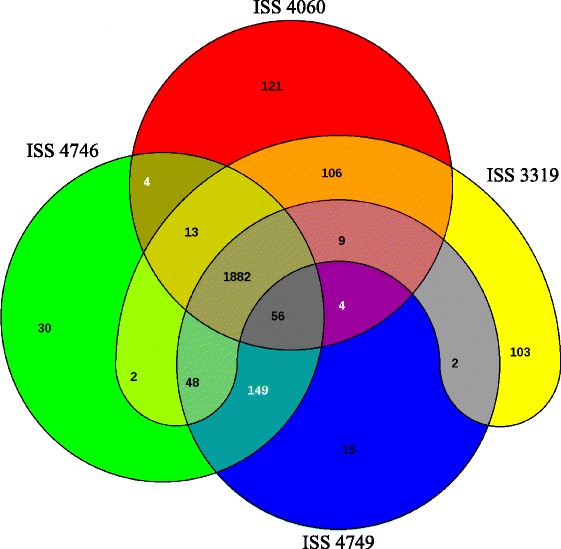
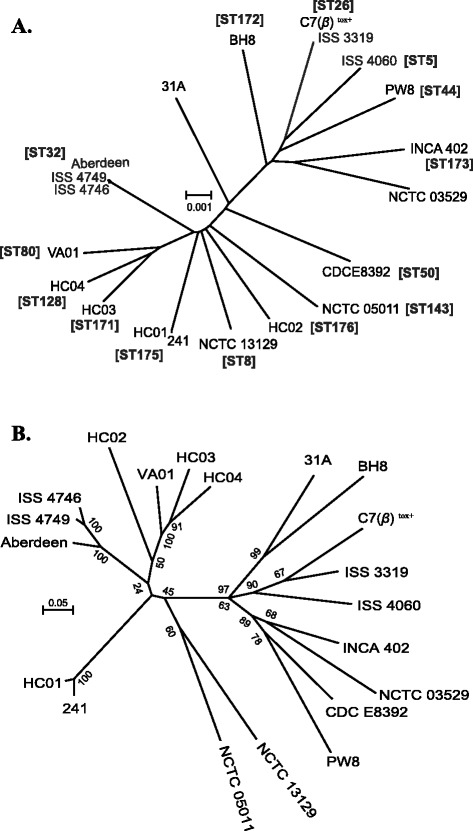
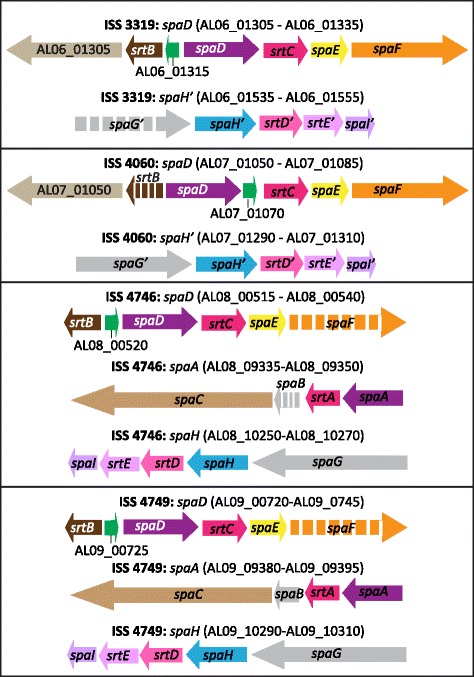
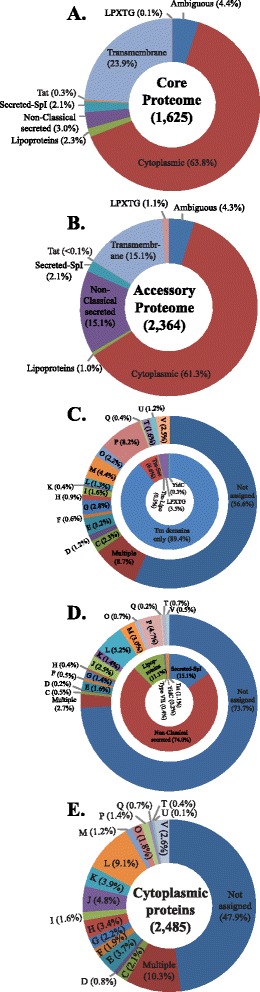
Comparative analyses of 20 C. diphtheriae genome sequences, including 16 publicly available genomes, revealed a pan-genome comprising 3,989 protein coding sequences that include 1,625 core genes and 2,364 accessory genes. Most of the genomic variation between these strains relates to uncharacterised genes encoding hypothetical proteins or transposases. Further analyses of protein sequences using an array of bioinformatic tools predicted most of the accessory proteome to be located in the cytoplasm. The membrane-associated and secreted proteins are generally involved in adhesion and virulence characteristics. The genes encoding membrane-associated proteins, especially the number and organisation of the pilus gene clusters (spa) including the number of genes encoding surface proteins with LPXTG motifs differed between different strains. Other variations were among the genes encoding extracellular proteins, especially substrate binding proteins of different functional classes of ABC transport systems and 'non-classical' secreted proteins.
The structure and organisation of the spa gene clusters correlates with differences in the ability of C. diphtheriae strains to adhere and invade the host cells. Furthermore, differences in the number of genes encoding membrane-associated proteins, e.g., additional proteins with LPXTG motifs could also result in variation in the adhesive properties between different strains. The variation in the secreted proteome may be associated with the degree of pathogenesis. While the role of the 'non-classical' secretome in virulence remains unclear, differences in the substrate binding proteins of various ABC transport systems and cytoplasmic proteins potentially suggest strain variation in nutritional requirements or a differential ability to utilize various carbon sources.
无毒产毒株白喉棒状杆菌正成为严重咽炎、扁桃体炎以及诸如心内膜炎、化脓性关节炎、脾脓肿和骨髓炎等侵袭性疾病的主要病因。据报道,白喉棒状杆菌菌株在粘附和侵袭不同细胞系的能力方面存在差异。为了确定致病性程度差异的遗传基础,我们对白喉棒状杆菌的四株菌株(ISS 3319、ISS 4060、ISS 4746和ISS 4749)的基因组进行了测序,这些菌株在粘附和侵袭哺乳动物细胞的能力方面具有良好的特征。
对20个白喉棒状杆菌基因组序列(包括16个公开可用的基因组)的比较分析揭示了一个泛基因组,其包含3989个蛋白质编码序列,其中包括1625个核心基因和2364个辅助基因。这些菌株之间的大多数基因组变异与编码假设蛋白质或转座酶的未表征基因有关。使用一系列生物信息学工具对蛋白质序列进行的进一步分析预测,大多数辅助蛋白质组位于细胞质中。膜相关蛋白和分泌蛋白通常参与粘附和毒力特性。编码膜相关蛋白的基因,特别是菌毛基因簇(spa)的数量和组织,包括编码具有LPXTG基序的表面蛋白的基因数量,在不同菌株之间存在差异。其他变异存在于编码细胞外蛋白的基因中,特别是不同功能类别的ABC转运系统的底物结合蛋白和“非经典”分泌蛋白。
spa基因簇的结构和组织与白喉棒状杆菌菌株粘附和侵袭宿主细胞的能力差异相关。此外,编码膜相关蛋白的基因数量差异,例如具有LPXTG基序的额外蛋白,也可能导致不同菌株之间粘附特性的差异。分泌蛋白质组的变异可能与发病程度有关。虽然“非经典”分泌组在毒力中的作用尚不清楚,但各种ABC转运系统的底物结合蛋白和细胞质蛋白的差异可能表明菌株在营养需求或利用各种碳源的能力方面存在差异。