Giles Andrew C, Opperman Karla J, Rankin Catharine H, Grill Brock
Department of Neuroscience, The Scripps Research Institute, Scripps Florida, Jupiter, Florida 33458.
Department of Psychology, University of British Columbia, Vancouver, British Columbia V6T 1Z4, Canada Brain Research Centre, University of British Columbia, Vancouver, British Columbia V6T 2B5, Canada.
G3 (Bethesda). 2015 Oct 13;5(12):2745-57. doi: 10.1534/g3.115.021410.
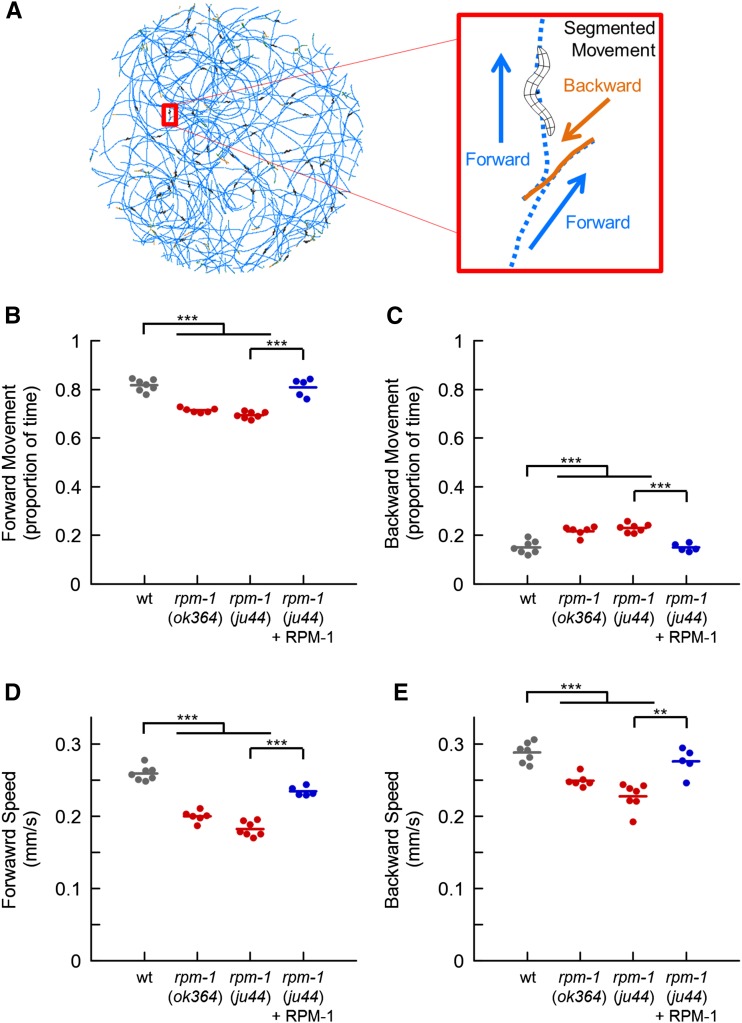
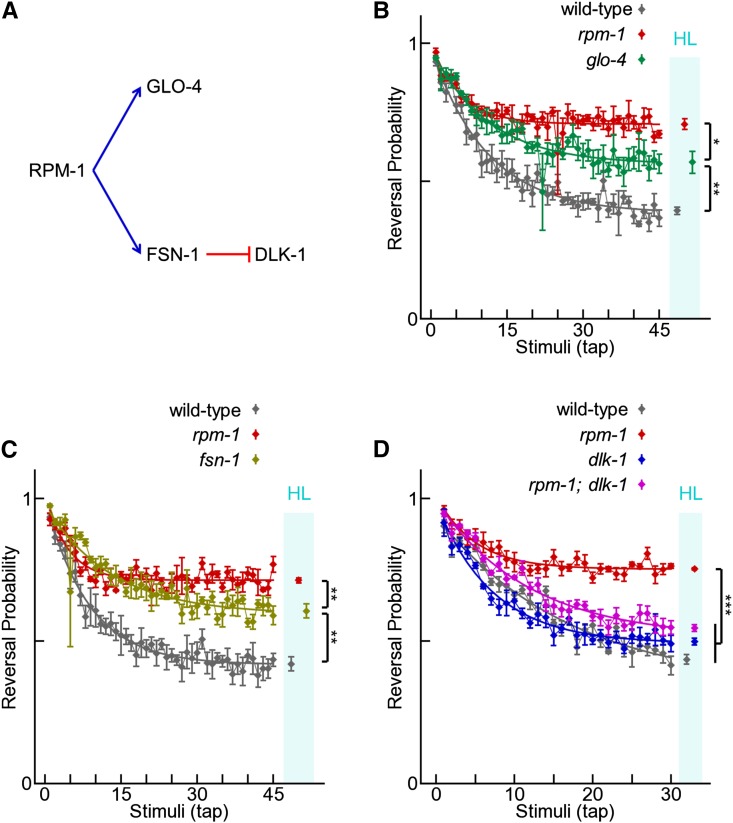
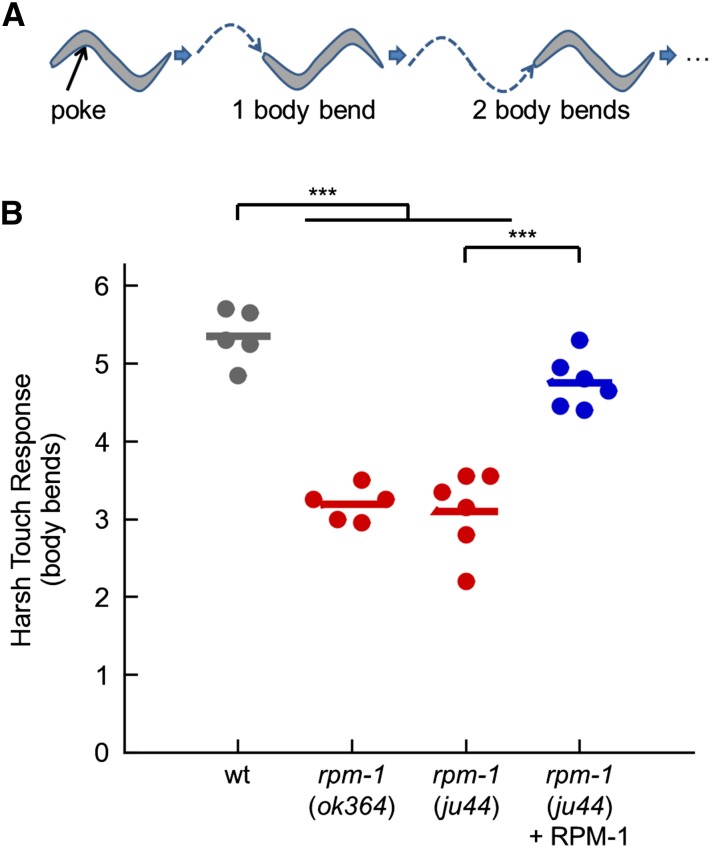
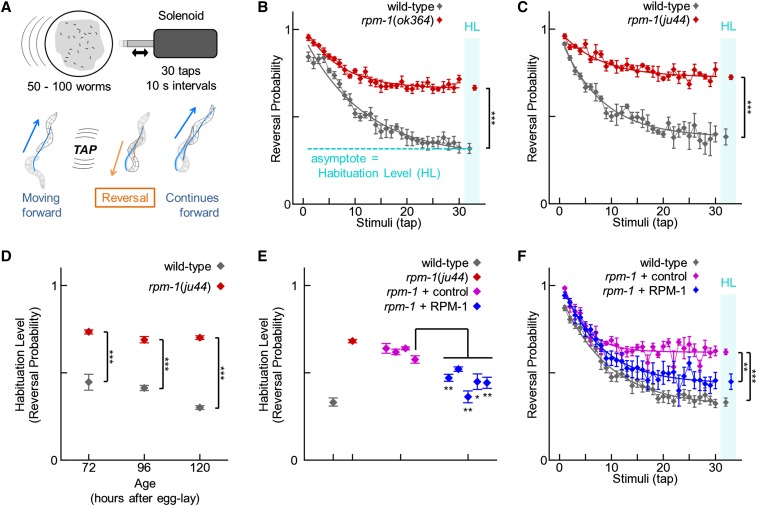
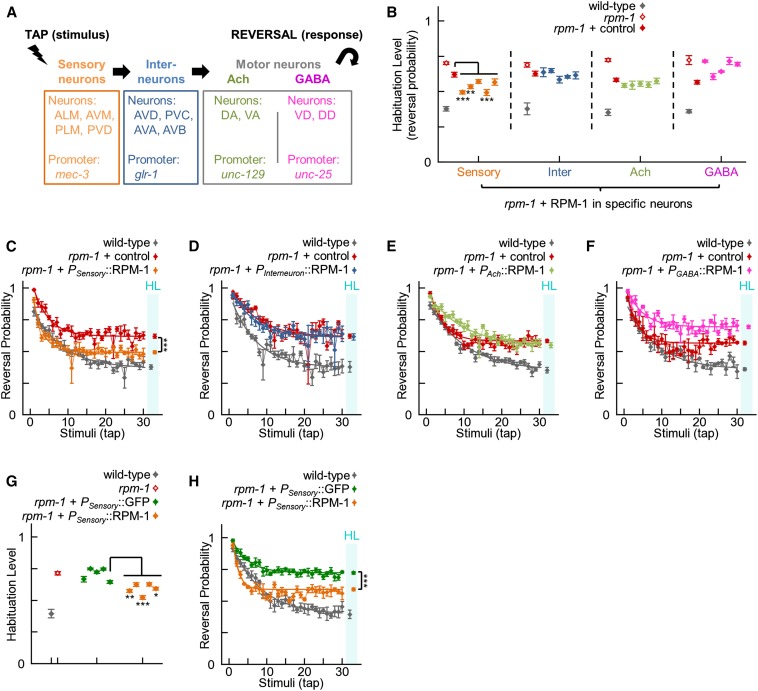
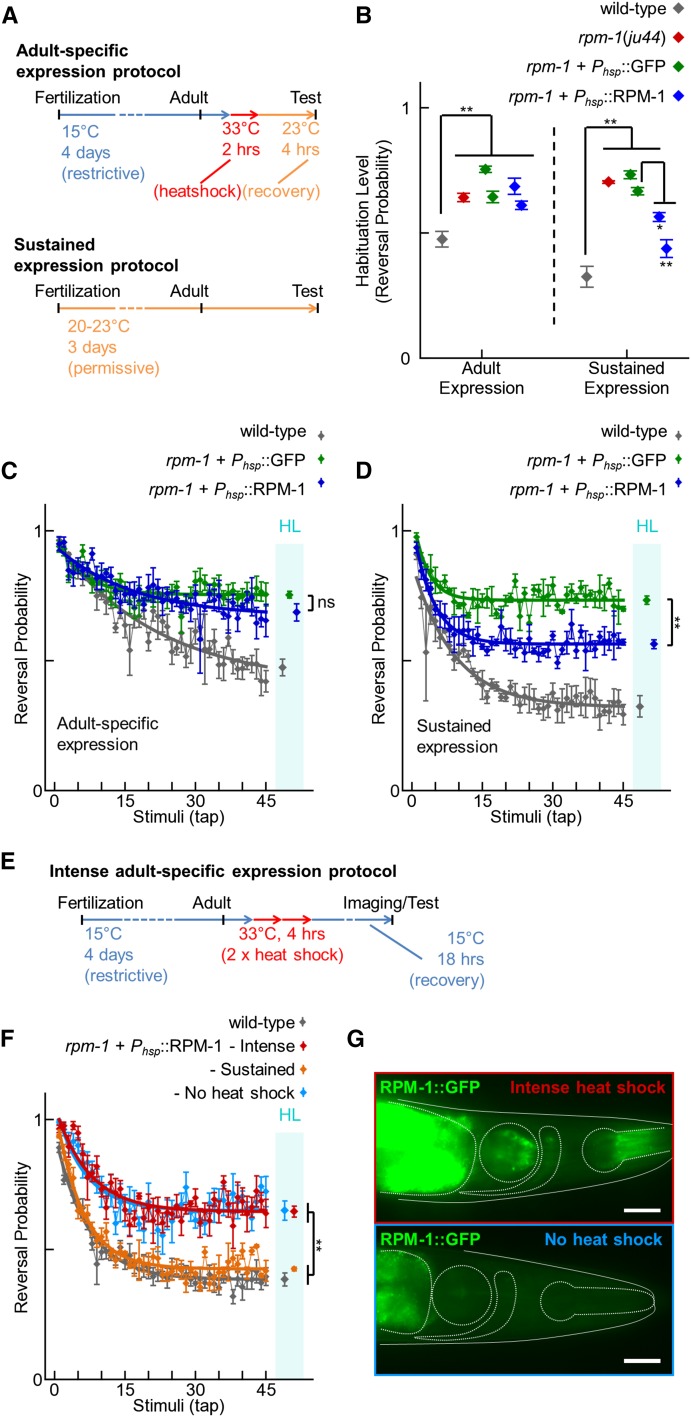
The PAM/Highwire/RPM-1 (PHR) proteins are signaling hubs that function as important regulators of neural development. Loss of function in Caenorhabditis elegans rpm-1 and Drosophila Highwire results in failed axon termination, inappropriate axon targeting, and abnormal synapse formation. Despite broad expression in the nervous system and relatively dramatic defects in synapse formation and axon development, very mild abnormalities in behavior have been found in animals lacking PHR protein function. Therefore, we hypothesized that large defects in behavior might only be detected in scenarios in which evoked, prolonged circuit function is required, or in which behavioral plasticity occurs. Using quantitative approaches in C. elegans, we found that rpm-1 loss-of-function mutants have relatively mild abnormalities in exploratory locomotion, but have large defects in evoked responses to harsh touch and learning associated with tap habituation. We explored the nature of the severe habituation defects in rpm-1 mutants further. To address what part of the habituation circuit was impaired in rpm-1 mutants, we performed rescue analysis with promoters for different neurons. Our findings indicate that RPM-1 function in the mechanosensory neurons affects habituation. Transgenic expression of RPM-1 in adult animals failed to rescue habituation defects, consistent with developmental defects in rpm-1 mutants resulting in impaired habituation. Genetic analysis showed that other regulators of neuronal development that function in the rpm-1 pathway (including glo-4, fsn-1, and dlk-1) also affected habituation. Overall, our findings suggest that developmental defects in rpm-1 mutants manifest most prominently in behaviors that require protracted or plastic circuit function, such as learning.
PAM/Highwire/RPM-1(PHR)蛋白是信号枢纽,作为神经发育的重要调节因子发挥作用。秀丽隐杆线虫rpm-1和果蝇Highwire功能丧失会导致轴突终止失败、轴突靶向异常和突触形成异常。尽管在神经系统中广泛表达,且在突触形成和轴突发育方面存在相对明显的缺陷,但在缺乏PHR蛋白功能的动物中仅发现了非常轻微的行为异常。因此,我们推测,只有在需要诱发的、长时间的回路功能或发生行为可塑性的情况下,才可能检测到行为上的大缺陷。通过在秀丽隐杆线虫中采用定量方法,我们发现rpm-1功能丧失突变体在探索性运动中存在相对轻微的异常,但在对强烈触摸的诱发反应以及与轻敲习惯化相关的学习方面存在较大缺陷。我们进一步探究了rpm-1突变体中严重习惯化缺陷的本质。为了确定rpm-1突变体中习惯化回路的哪一部分受损,我们用不同神经元的启动子进行了拯救分析。我们的研究结果表明,机械感觉神经元中的RPM-1功能影响习惯化。在成年动物中RPM-1的转基因表达未能拯救习惯化缺陷,这与rpm-1突变体中的发育缺陷导致习惯化受损一致。遗传分析表明,在rpm-1途径中发挥作用的其他神经元发育调节因子(包括glo-4、fsn-1和dlk-1)也影响习惯化。总体而言,我们的研究结果表明,rpm-1突变体中的发育缺陷在需要持久或可塑性回路功能的行为(如学习)中表现最为突出。