Biyazen Habtamu, Duguma Reta, Asaye Mebratu
College of Agro-Industry and Land Resource, Haramaya University, P.O. Box 226, Chiro, Ethiopia.
College of Veterinary Medicine and Agriculture, Addis Ababa University, P.O. Box 34, Debre Zeyit, Ethiopia.
J Vet Med. 2014;2014:374191. doi: 10.1155/2014/374191. Epub 2014 Sep 16.
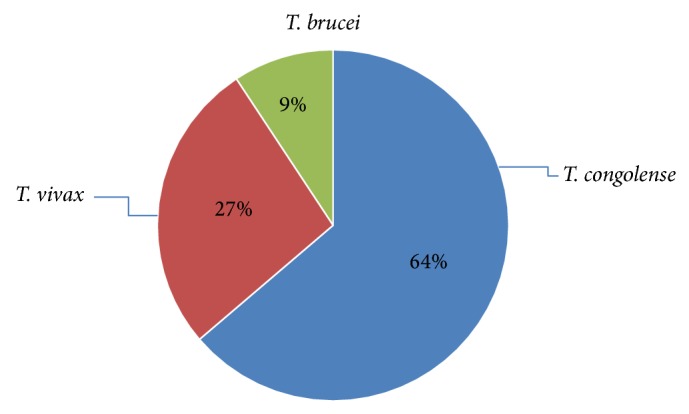
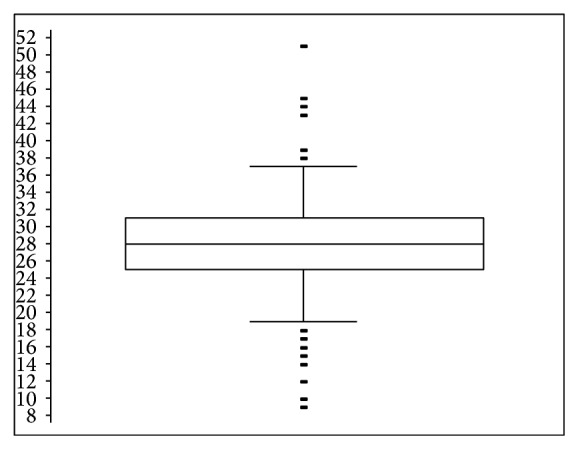
Cross-sectional study was conducted in Dale Wabera district of Kellem Wollega zone, Western Ethiopia, to determine the prevalence of bovine trypanosomosis and to evaluate association of bovine trypanosomosis to anaemia. Blood samples collected from 384 randomly selected cattle were subjected to parasitological and haematological analysis. For the parasitological survey, blood samples were examined using a buffy coat technique. The packed cell volume (PCV) value of each animal was also measured using hematocrit reader. The overall prevalence of trypanosomosis was 2.86%. The most common trypanosome species identified were Trypanosoma congolense (63.64%) followed by T. vivax (27.27%) and T. brucei (9%). The prevalence showed no significant difference in susceptibility between sex categories, age groups, and different body conditioned animals. The overall anaemia prevalence in the area was 19.27%. The anaemia prevalence was significantly higher in trypanosome positive cattle (54.54%) than in noninfected animals (18.23%) (P < 0.05). The mean PCV value of the infected animals was lower (22.36% ± 7.39%) compared to noninfected animals (27.86 ± 5.38%). There was statistically significant difference (P < 0.05) in the PCV values of infected and noninfected animals. In conclusion, this study confirmed that trypanosomosis poses a threat to cattle production in the area and also contributed to the occurrence of anaemia.
在埃塞俄比亚西部凯莱姆沃莱加区的戴尔瓦贝拉地区进行了一项横断面研究,以确定牛锥虫病的流行率,并评估牛锥虫病与贫血的关联。从384头随机挑选的牛身上采集血液样本,进行寄生虫学和血液学分析。对于寄生虫学调查,使用血沉棕黄层技术检查血液样本。还使用血细胞比容仪测量每头动物的红细胞压积(PCV)值。锥虫病的总体流行率为2.86%。鉴定出的最常见锥虫种类是刚果锥虫(63.64%),其次是活跃锥虫(27.27%)和布氏锥虫(9%)。在性别类别、年龄组和不同身体状况的动物之间,流行率在易感性方面没有显著差异。该地区的总体贫血流行率为19.27%。锥虫阳性牛的贫血流行率(54.54%)显著高于未感染动物(18.23%)(P < 0.05)。与未感染动物(27.86 ± 5.38%)相比,感染动物的平均PCV值较低(22.36% ± 7.39%)。感染和未感染动物的PCV值存在统计学显著差异(P < 0.05)。总之,本研究证实锥虫病对该地区的养牛业构成威胁,并且也是贫血发生的原因之一。