Pisa Diana, Alonso Ruth, Rábano Alberto, Rodal Izaskun, Carrasco Luis
Centro de Biología Molecular "Severo Ochoa". c/Nicolás Cabrera, 1. Universidad Autónoma de Madrid. Cantoblanco. 28049 Madrid. Spain.
Department of Neuropathology and Tissue Bank, Unidad de Investigación Proyecto Alzheimer, Fundación CIEN, Instituto de Salud Carlos III, Madrid. Spain.
Sci Rep. 2015 Oct 15;5:15015. doi: 10.1038/srep15015.
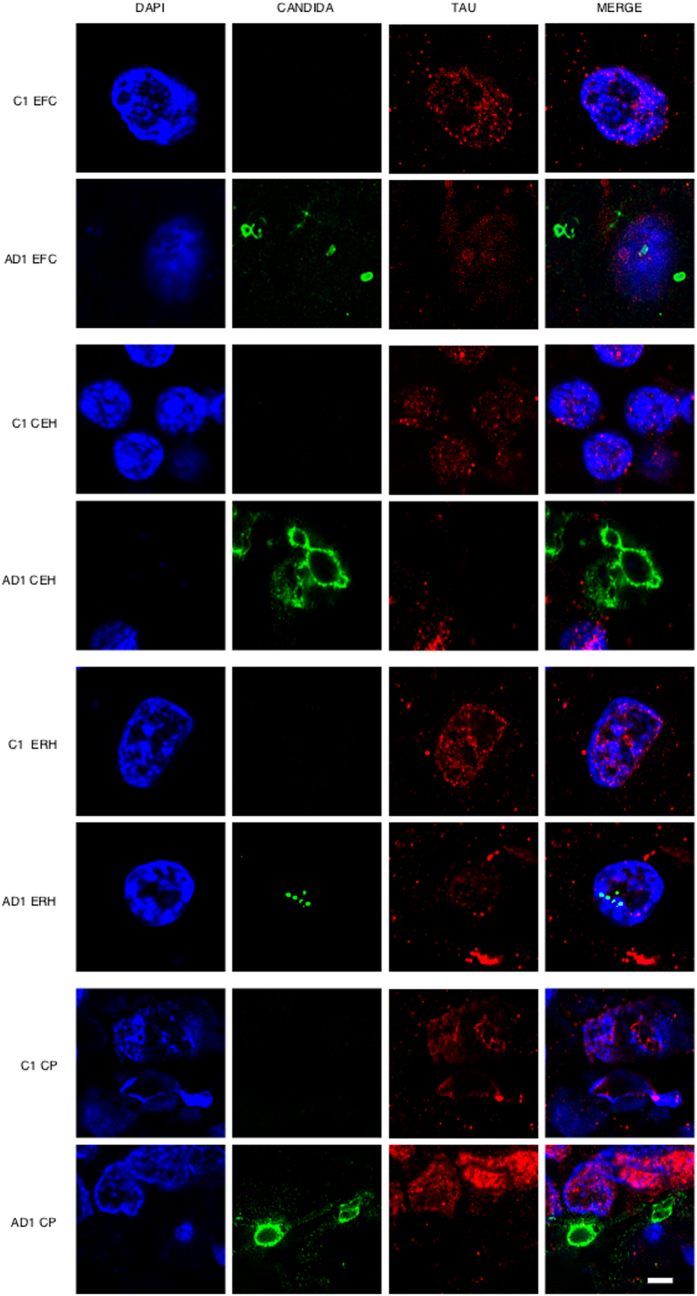
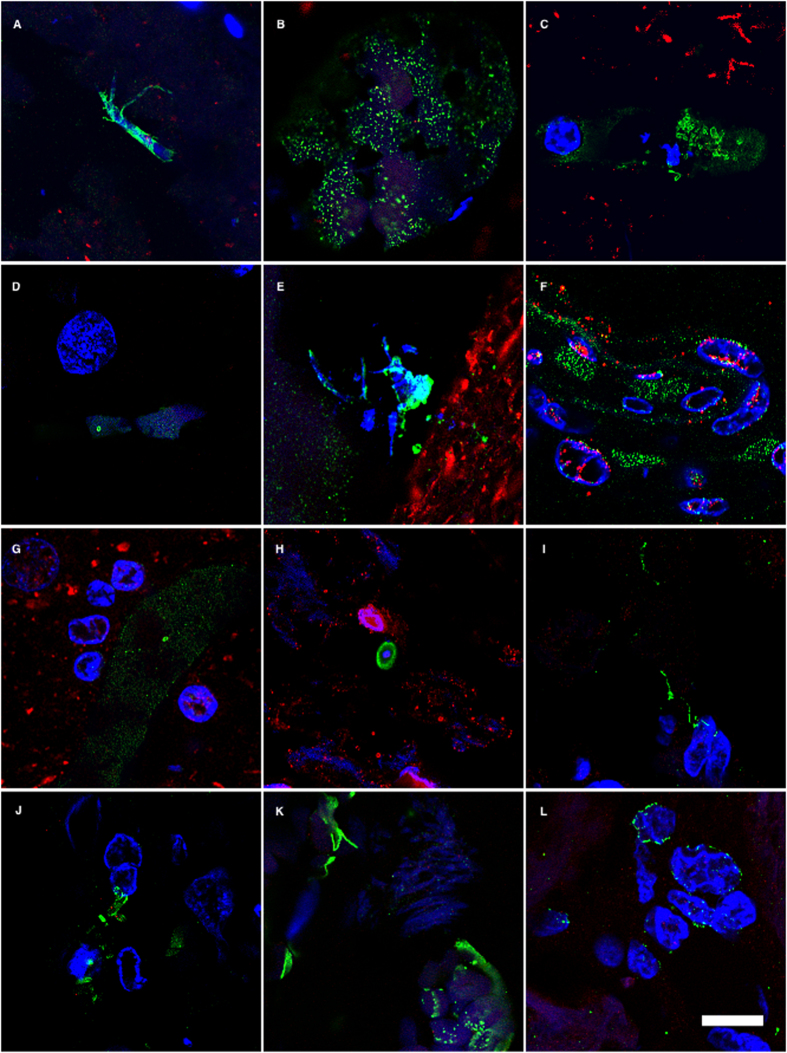
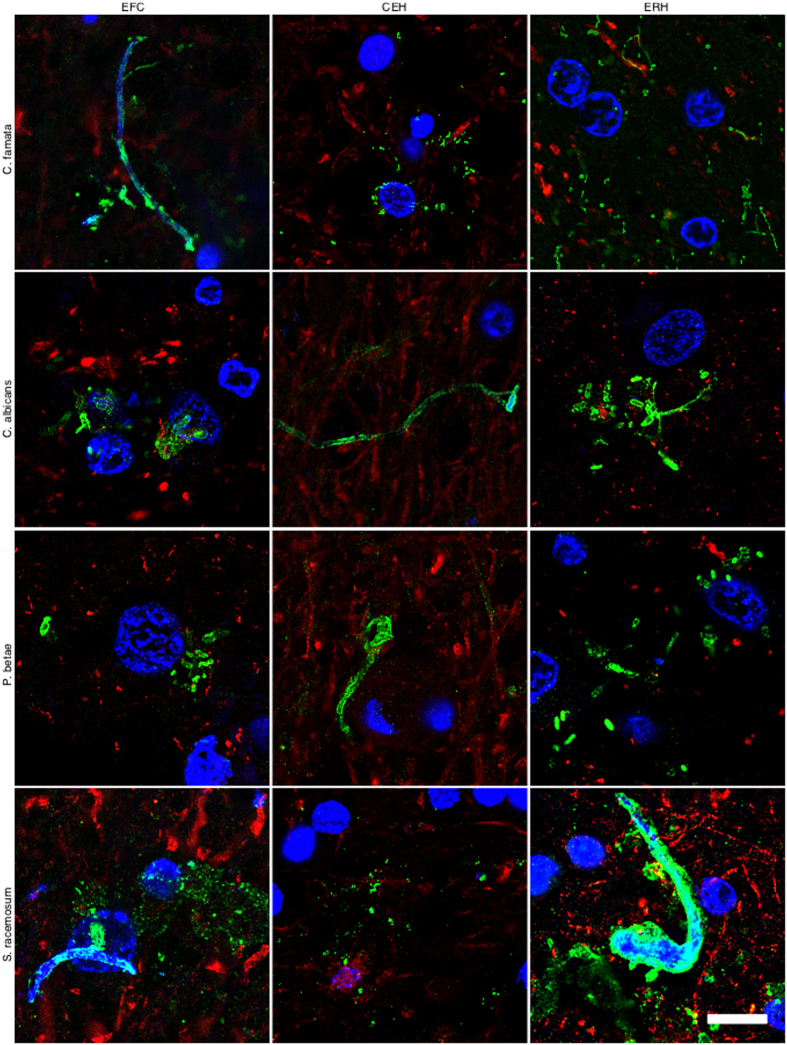
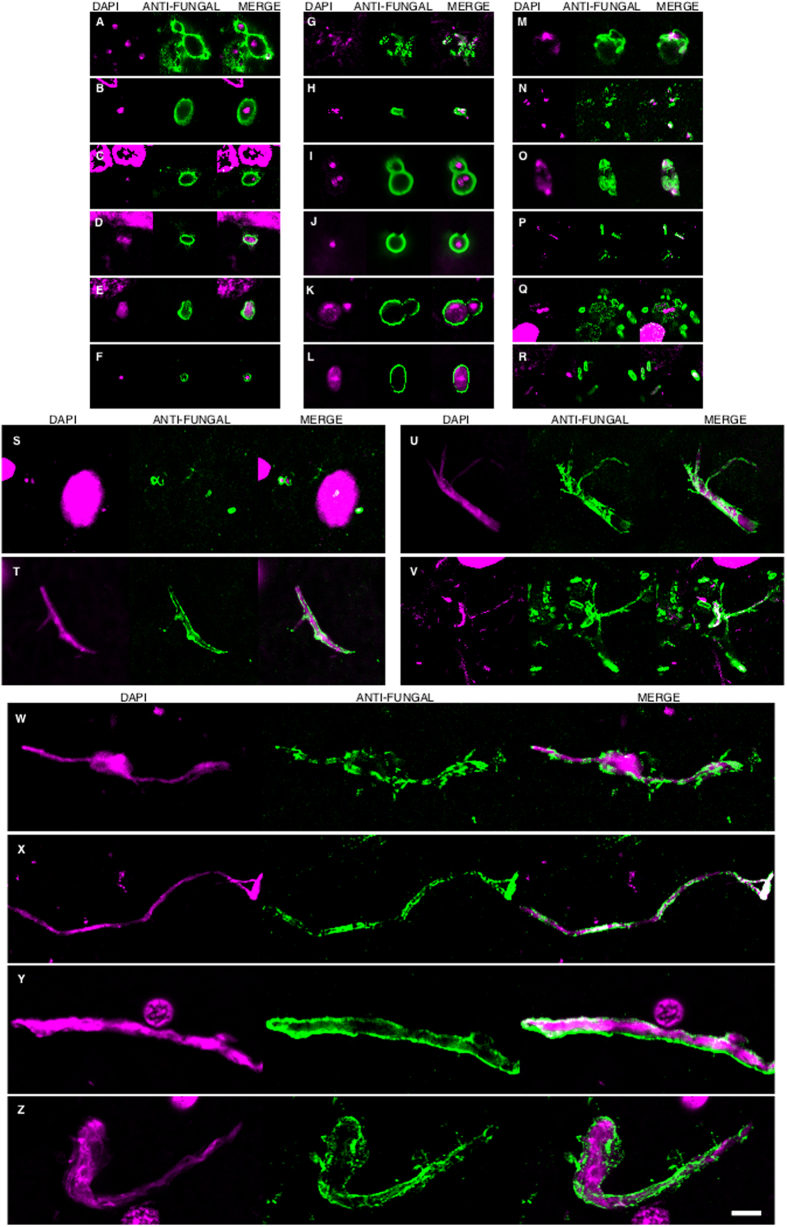
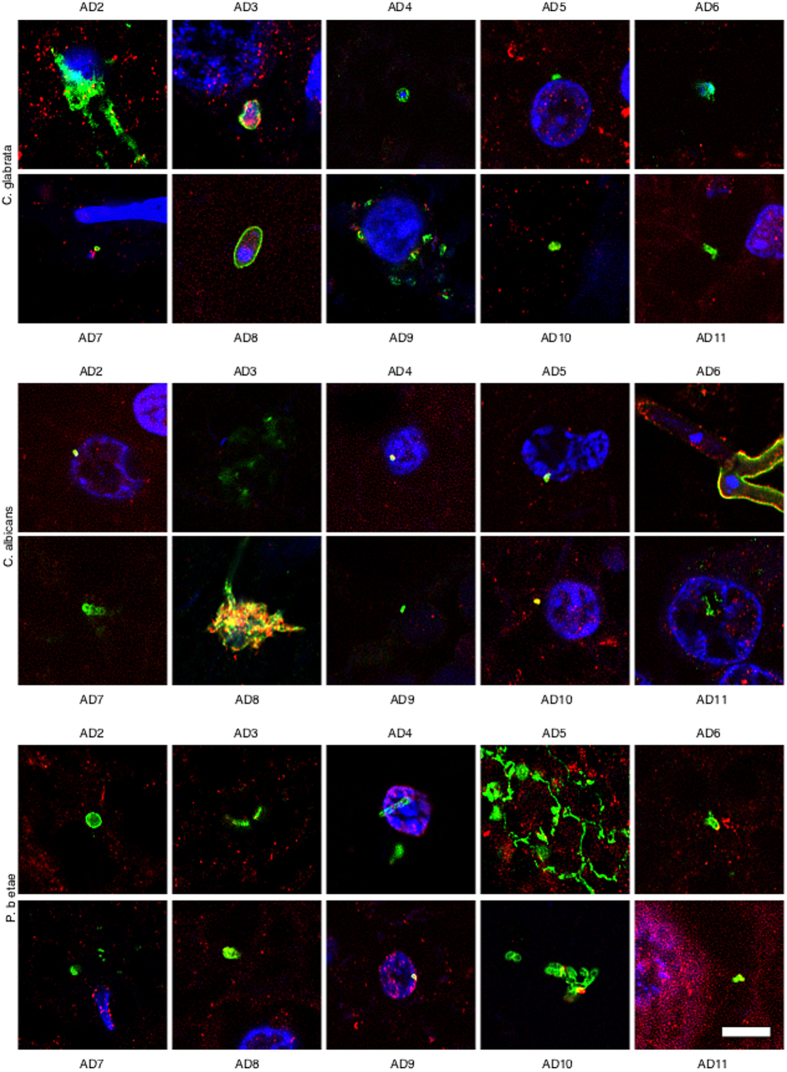
The possibility that Alzheimer's disease (AD) has a microbial aetiology has been proposed by several researchers. Here, we provide evidence that tissue from the central nervous system (CNS) of AD patients contain fungal cells and hyphae. Fungal material can be detected both intra- and extracellularly using specific antibodies against several fungi. Different brain regions including external frontal cortex, cerebellar hemisphere, entorhinal cortex/hippocampus and choroid plexus contain fungal material, which is absent in brain tissue from control individuals. Analysis of brain sections from ten additional AD patients reveals that all are infected with fungi. Fungal infection is also observed in blood vessels, which may explain the vascular pathology frequently detected in AD patients. Sequencing of fungal DNA extracted from frozen CNS samples identifies several fungal species. Collectively, our findings provide compelling evidence for the existence of fungal infection in the CNS from AD patients, but not in control individuals.
几位研究人员提出了阿尔茨海默病(AD)具有微生物病因的可能性。在此,我们提供证据表明,AD患者中枢神经系统(CNS)的组织中含有真菌细胞和菌丝。使用针对几种真菌的特异性抗体,可以在细胞内和细胞外检测到真菌物质。不同的脑区,包括额叶外侧皮质、小脑半球、内嗅皮质/海马体和脉络丛,都含有真菌物质,而对照个体的脑组织中则没有。对另外10名AD患者的脑切片分析显示,所有人都感染了真菌。在血管中也观察到真菌感染,这可能解释了AD患者中经常检测到的血管病理变化。从冷冻的CNS样本中提取的真菌DNA测序鉴定出了几种真菌物种。总体而言,我们的研究结果为AD患者的CNS中存在真菌感染提供了有力证据,而对照个体中则不存在。