Becs Gergely, Zarjou Abolfazl, Agarwal Anupam, Kovács Katalin Éva, Becs Ádám, Nyitrai Mónika, Balogh Enikő, Bányai Emese, Eaton John W, Arosio Paolo, Poli Maura, Jeney Viktória, Balla József, Balla György
Faculty of Medicine, Division of Nephrology, Department of Internal Medicine, University of Debrecen, Debrecen, Hungary.
Division of Nephrology, Department of Medicine, Nephrology Research and Training Center and Center for Free Radical Biology, University of Alabama at Birmingham, Birmingham, AL, USA.
J Cell Mol Med. 2016 Feb;20(2):217-30. doi: 10.1111/jcmm.12682. Epub 2015 Oct 26.
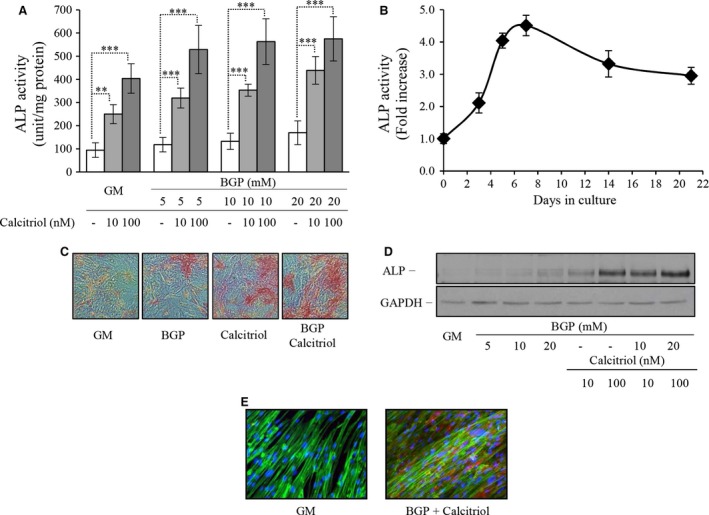
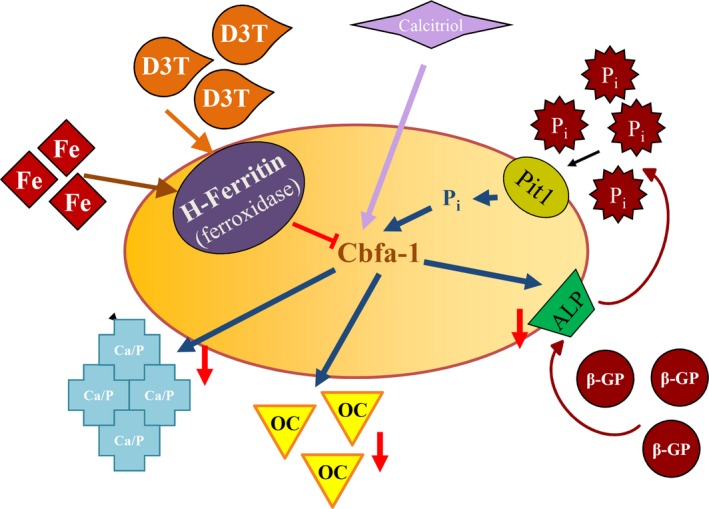
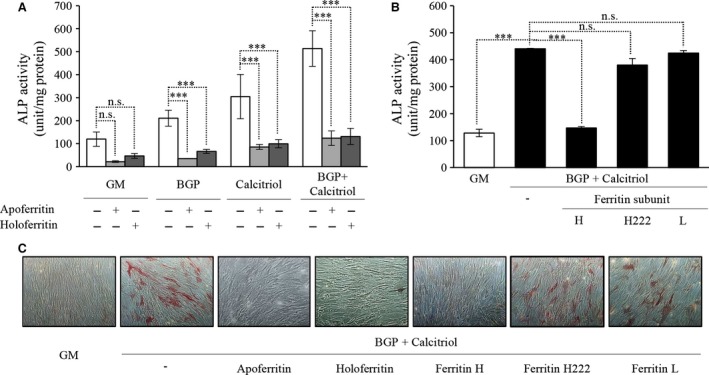
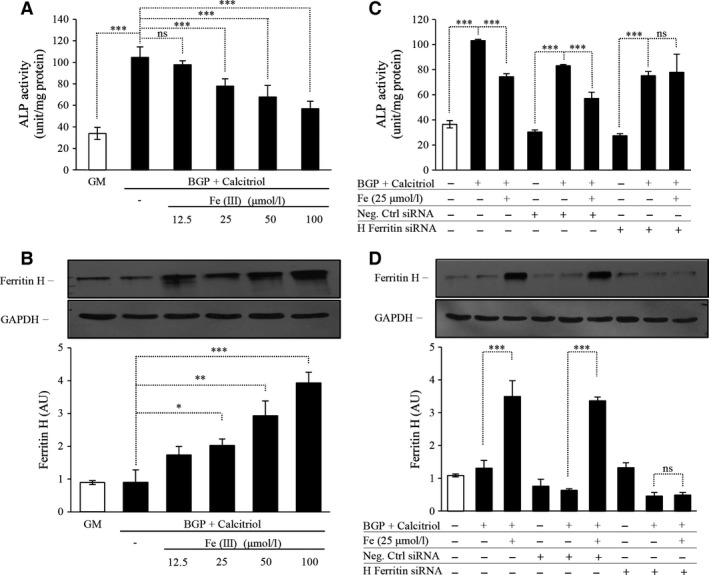
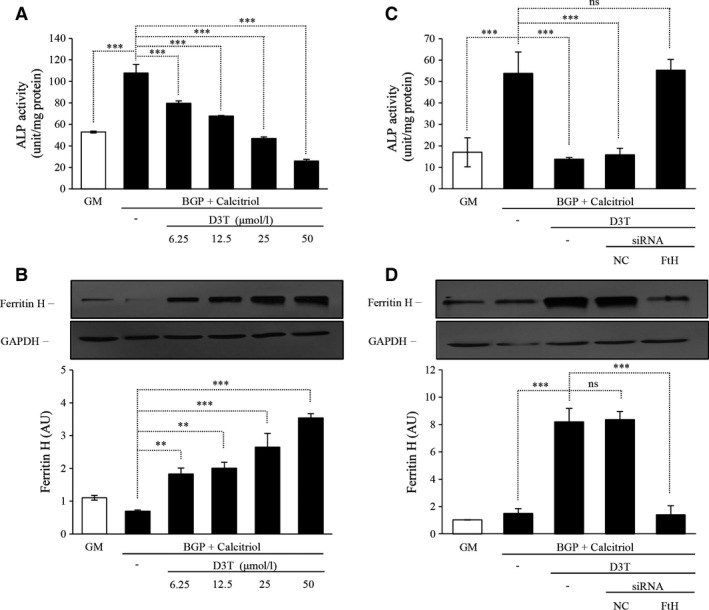
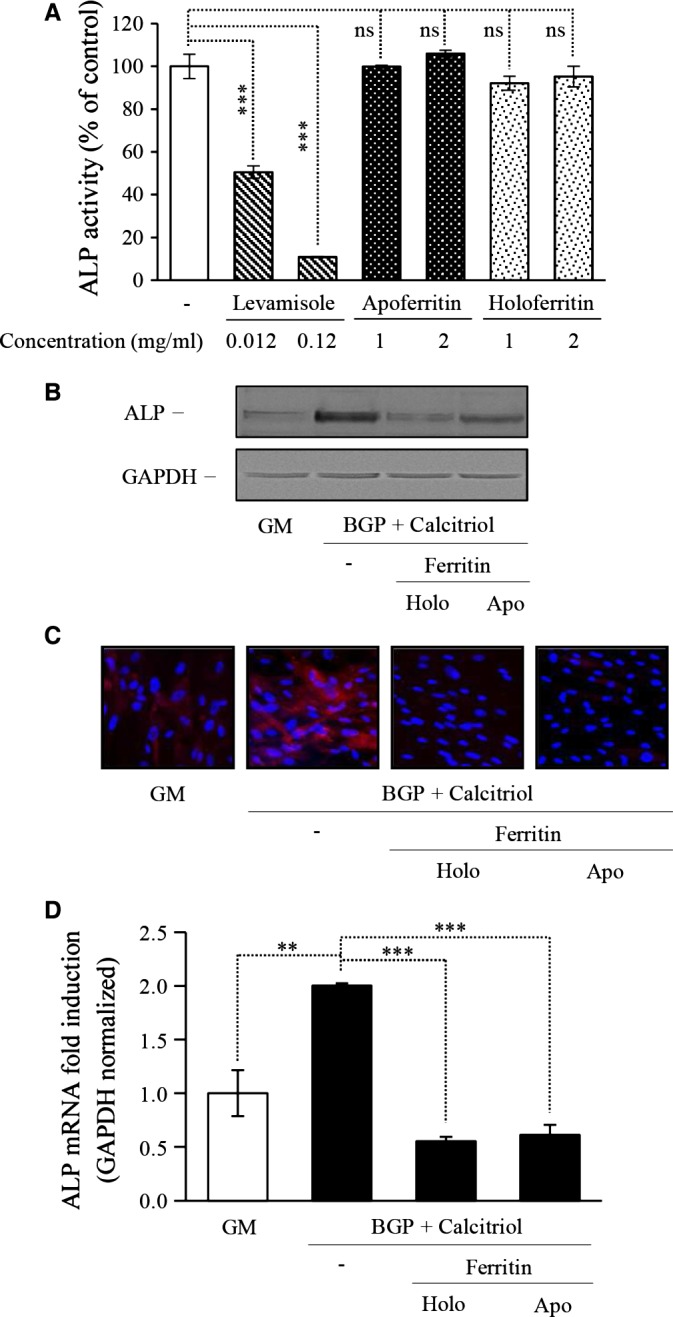
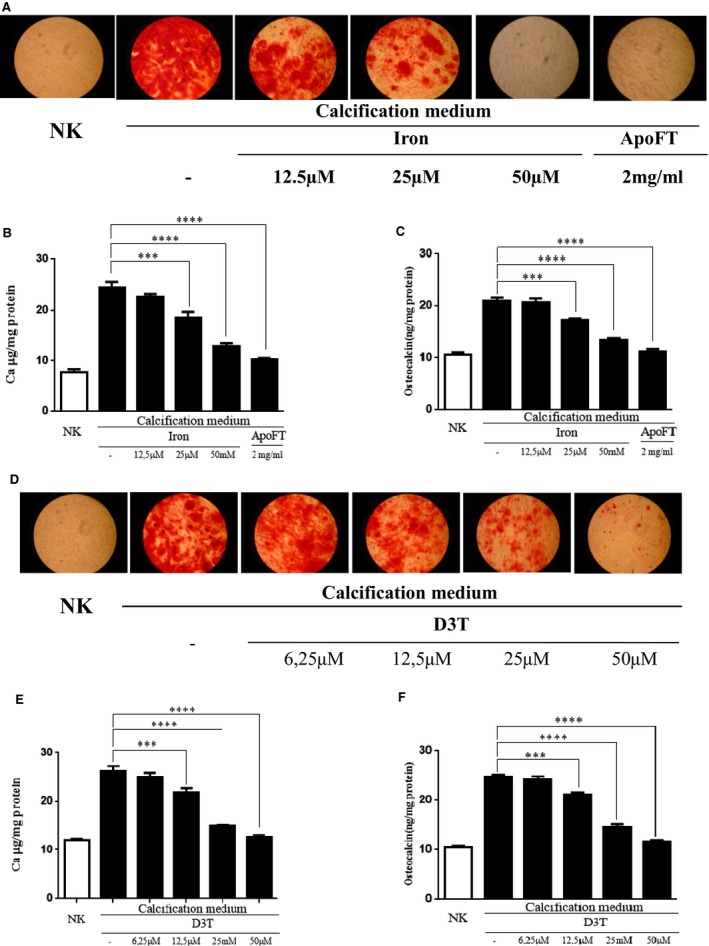
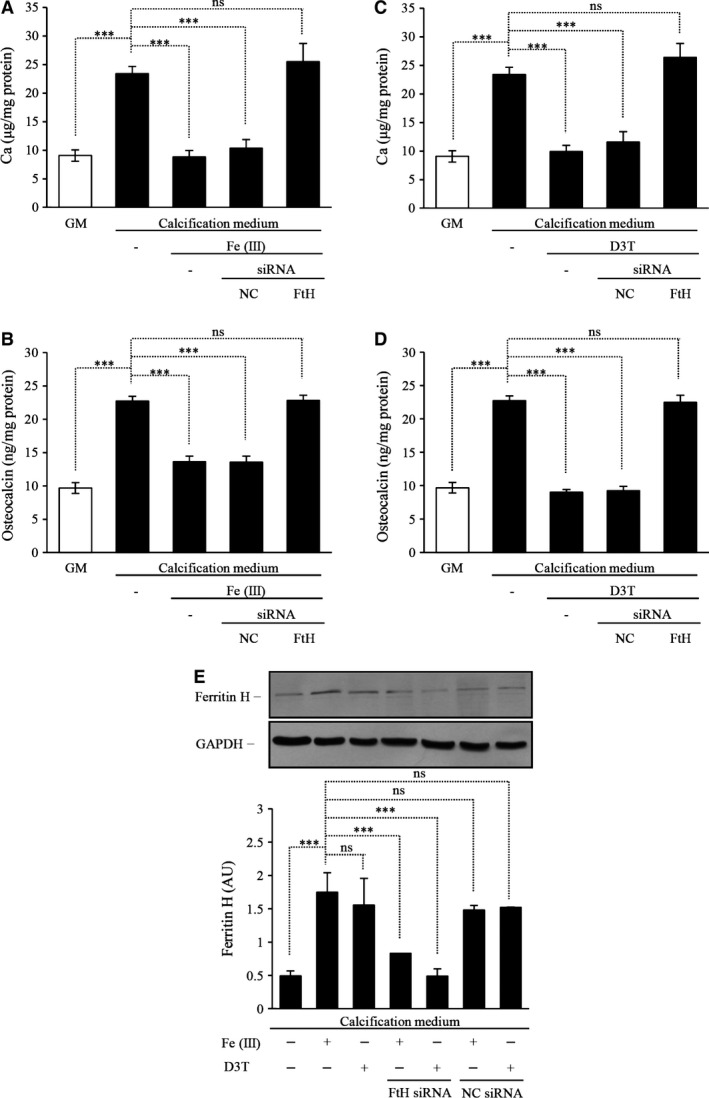
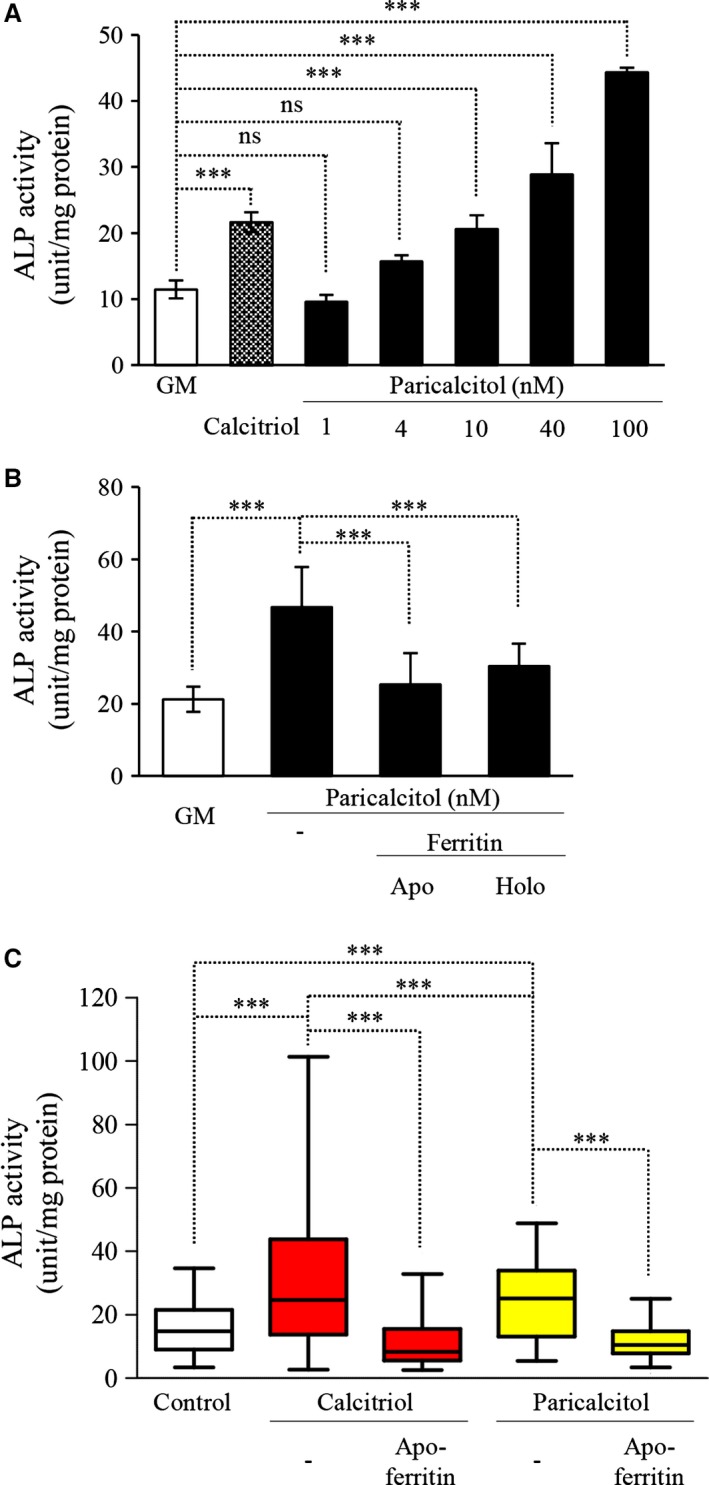
Vascular calcification is a frequent complication of atherosclerosis, diabetes and chronic kidney disease. In the latter group of patients, calcification is commonly seen in tunica media where smooth muscle cells (SMC) undergo osteoblastic transformation. Risk factors such as elevated phosphorus levels and vitamin D3 analogues have been identified. In the light of earlier observations by our group and others, we sought to inhibit SMC calcification via induction of ferritin. Human aortic SMC were cultured using β-glycerophosphate with activated vitamin D3 , or inorganic phosphate with calcium, and induction of alkaline phosphatase (ALP) and osteocalcin as well as accumulation of calcium were used to monitor osteoblastic transformation. In addition, to examine the role of vitamin D3 analogues, plasma samples from patients on haemodialysis who had received calcitriol or paricalcitol were tested for their tendency to induce calcification of SMC. Addition of exogenous ferritin mitigates the transformation of SMC into osteoblast-like cells. Importantly, pharmacological induction of heavy chain ferritin by 3H-1,2-Dithiole-3-thione was able to inhibit the SMC transition into osteoblast-like cells and calcification of extracellular matrix. Plasma samples collected from patients after the administration of activated vitamin D3 caused significantly increased ALP activity in SMC compared to the samples drawn prior to activated vitamin D3 and here, again induction of ferritin diminished the osteoblastic transformation. Our data suggests that pharmacological induction of ferritin prevents osteoblastic transformation of SMC. Hence, utilization of such agents that will cause enhanced ferritin synthesis may have important clinical applications in prevention of vascular calcification.
血管钙化是动脉粥样硬化、糖尿病和慢性肾病的常见并发症。在后者这类患者中,钙化常见于中膜,此处平滑肌细胞(SMC)会发生成骨细胞转化。已确定诸如磷水平升高和维生素D3类似物等风险因素。鉴于我们团队及其他团队早期的观察结果,我们试图通过诱导铁蛋白来抑制SMC钙化。使用β -甘油磷酸与活化维生素D3或无机磷酸盐与钙培养人主动脉SMC,并通过诱导碱性磷酸酶(ALP)和骨钙素以及钙的积累来监测成骨细胞转化。此外,为了研究维生素D3类似物的作用,对接受骨化三醇或帕立骨化醇的血液透析患者的血浆样本进行检测,以观察其诱导SMC钙化的倾向。添加外源性铁蛋白可减轻SMC向成骨样细胞的转化。重要的是,3H - 1,2 -二硫杂环戊烯 - 3 -硫酮对重链铁蛋白的药理学诱导能够抑制SMC向成骨样细胞的转变以及细胞外基质的钙化。与活化维生素D3给药前采集的样本相比,活化维生素D3给药后从患者采集的血浆样本导致SMC中ALP活性显著增加,而且在此处,铁蛋白的诱导再次减少了成骨细胞转化。我们的数据表明,铁蛋白的药理学诱导可预防SMC的成骨细胞转化。因此,使用能增强铁蛋白合成的此类药物可能在预防血管钙化方面具有重要的临床应用价值。