Iacobazzi D, Suleiman M-S, Ghorbel M, George S J, Caputo M, Tulloh R M
School of Clinical Sciences, Bristol Royal Infirmary, Bristol, UK.
School of Clinical Sciences, Bristol Royal Infirmary, Bristol, UK Department of Congenital Heart Disease, Bristol Royal Hospital for Children, Bristol, UK.
Heart. 2016 Jan;102(1):12-7. doi: 10.1136/heartjnl-2015-308348. Epub 2015 Oct 29.
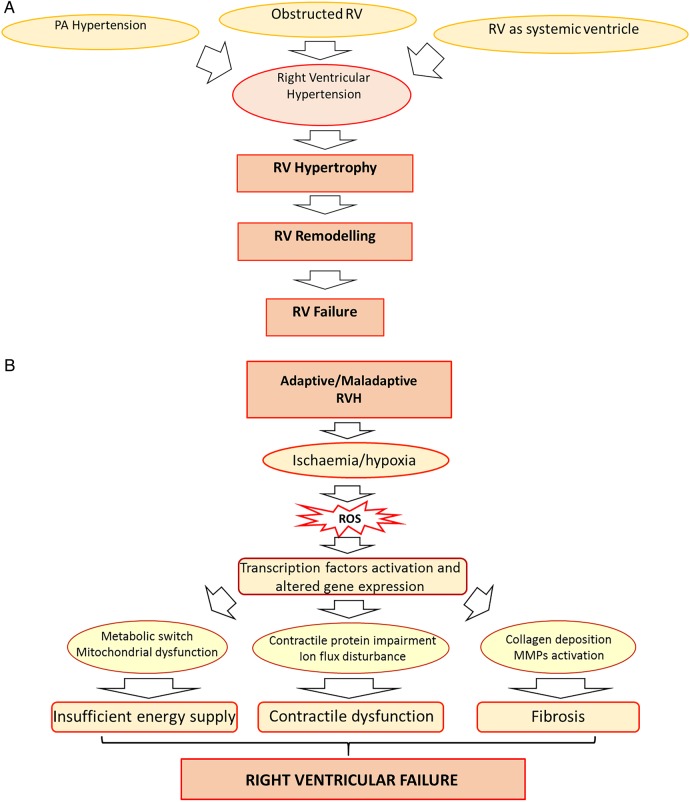
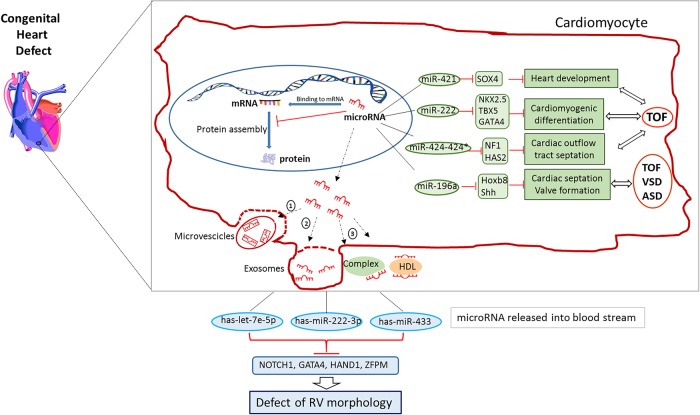
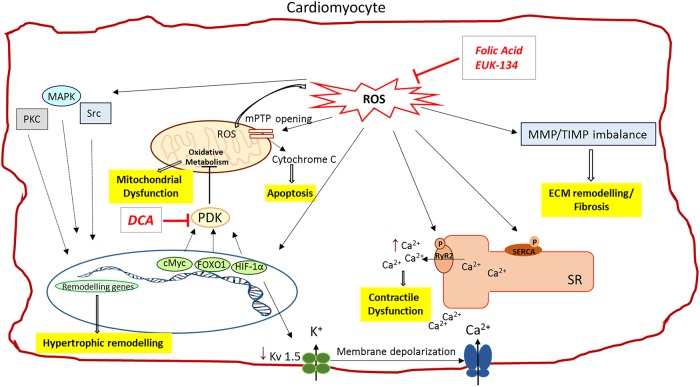
RV hypertrophy (RVH) is one of the triggers of RV failure in congenital heart disease (CHD). Therefore, improving our understanding of the cellular and molecular basis of this pathology will help in developing strategic therapeutic interventions to enhance patient benefit in the future. This review describes the potential mechanisms that underlie the transition from RVH to RV failure. In particular, it addresses structural and functional remodelling that encompass contractile dysfunction, metabolic changes, shifts in gene expression and extracellular matrix remodelling. Both ischaemic stress and reactive oxygen species production are implicated in triggering these changes and will be discussed. Finally, RV remodelling in response to various CHDs as well as the potential role of biomarkers will be addressed.
右心室肥厚(RVH)是先天性心脏病(CHD)中右心室衰竭的触发因素之一。因此,加深我们对这种病理状况的细胞和分子基础的理解,将有助于制定战略治疗干预措施,以在未来提高患者的受益。本综述描述了从RVH转变为RV衰竭的潜在机制。特别是,它探讨了结构和功能重塑,包括收缩功能障碍、代谢变化、基因表达改变和细胞外基质重塑。缺血应激和活性氧生成均与引发这些变化有关,并将进行讨论。最后,将探讨针对各种CHD的右心室重塑以及生物标志物的潜在作用。