Kareta Michael S, Sage Julien, Wernig Marius
Department of Pediatrics, Stanford University, Stanford, CA 94305, USA; Department of Genetics, Stanford University, Stanford, CA 94305, USA; Department of Pathology, Stanford University, Stanford, CA 94305, USA; Stanford Institute for Stem Cell Biology and Regenerative Medicine, Stanford University, Stanford, CA 94305, USA.
Department of Pediatrics, Stanford University, Stanford, CA 94305, USA; Department of Genetics, Stanford University, Stanford, CA 94305, USA; Stanford Institute for Stem Cell Biology and Regenerative Medicine, Stanford University, Stanford, CA 94305, USA.
Curr Opin Cell Biol. 2015 Dec;37:68-74. doi: 10.1016/j.ceb.2015.10.001. Epub 2015 Nov 11.
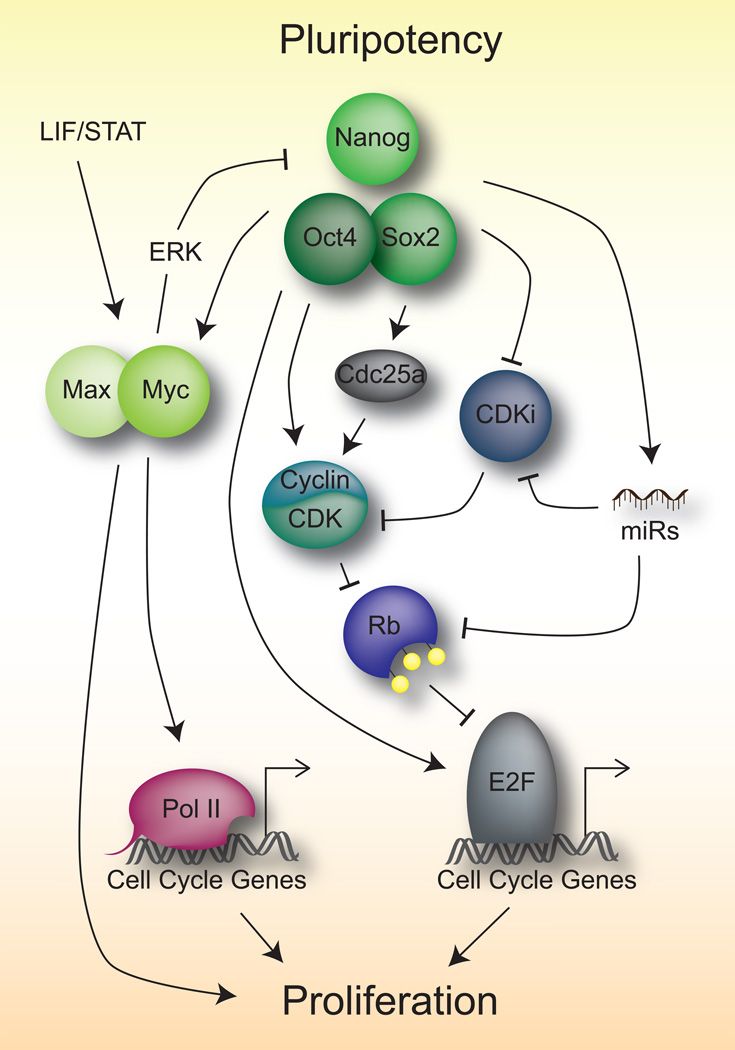
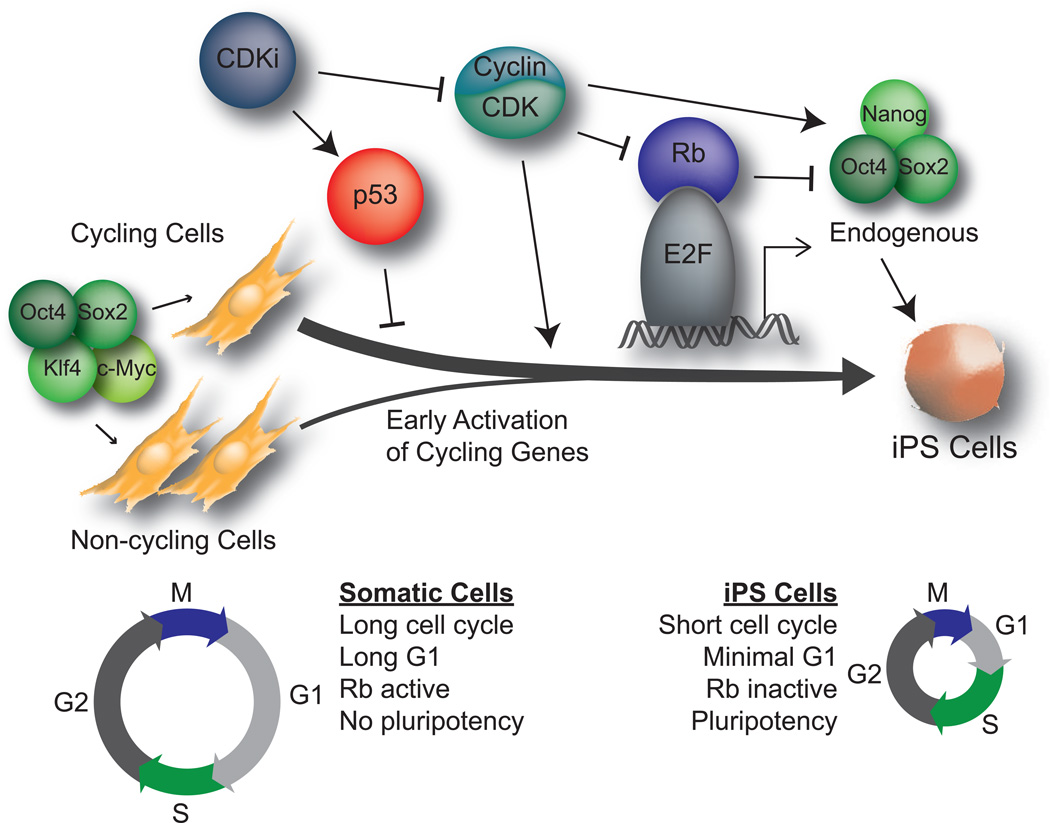
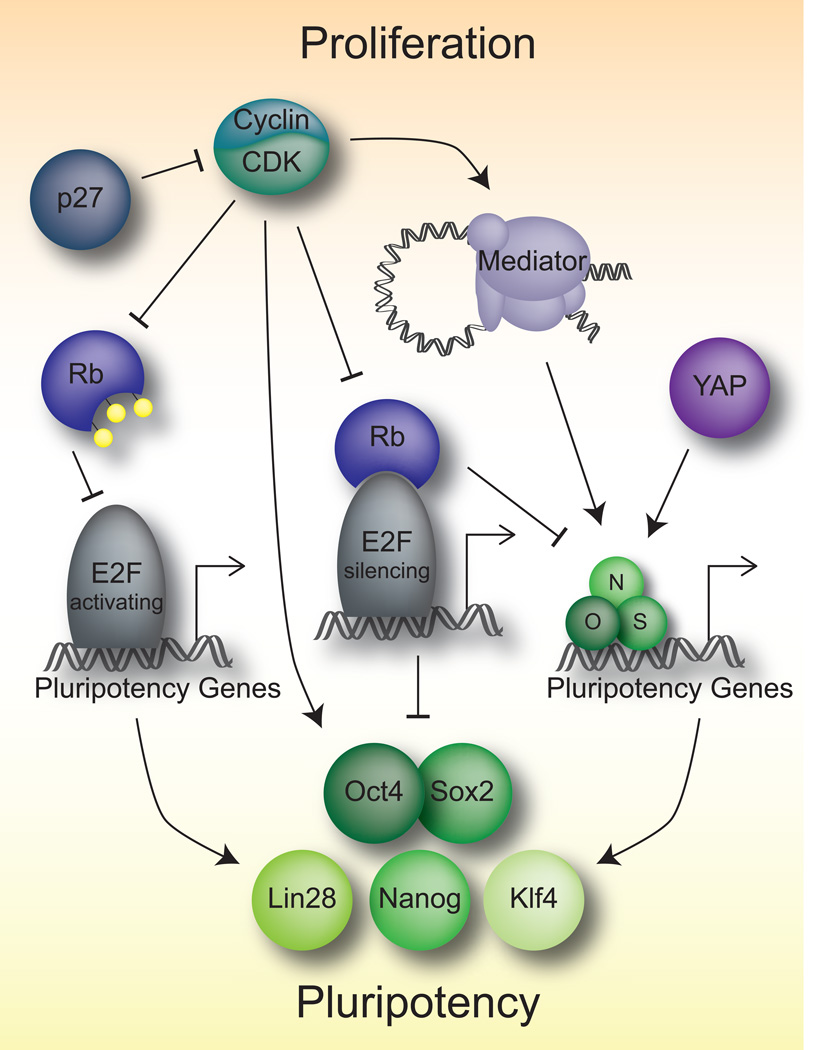
Pluripotent stem cells, defined by an unlimited self-renewal capacity and an undifferentiated state, are best typified by embryonic stem cells. These cells have a unique cell cycle compared to somatic cells as defined by a rapid progression through the cell cycle and a minimal time spent in G1. Recent reports indicate that pluripotency and cell cycle regulation are mechanistically linked. In this review, we discuss the reciprocal co-regulation of these processes, how this co-regulation may prevent differentiation, and how cellular reprogramming can re-establish the unique cell cycle regulation in induced pluripotent stem cells.
多能干细胞由无限的自我更新能力和未分化状态所定义,胚胎干细胞是其最佳代表。与体细胞相比,这些细胞具有独特的细胞周期,其特点是在细胞周期中进展迅速且在G1期花费的时间最短。最近的报告表明,多能性和细胞周期调控在机制上是相关联的。在本综述中,我们讨论了这些过程的相互共同调控、这种共同调控如何防止分化,以及细胞重编程如何在诱导多能干细胞中重新建立独特的细胞周期调控。