Department of Chemical Engineering, Monash University, Clayton, VIC 3800, Australia.
Department of Immunology and Pathology, Monash University, Melbourne, VIC 3004, Australia.
Vaccines (Basel). 2015 Oct 29;3(4):894-929. doi: 10.3390/vaccines3040894.
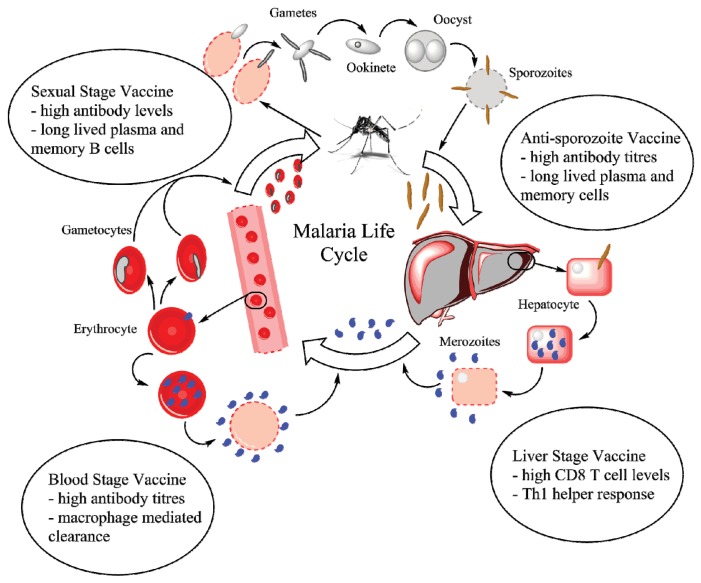
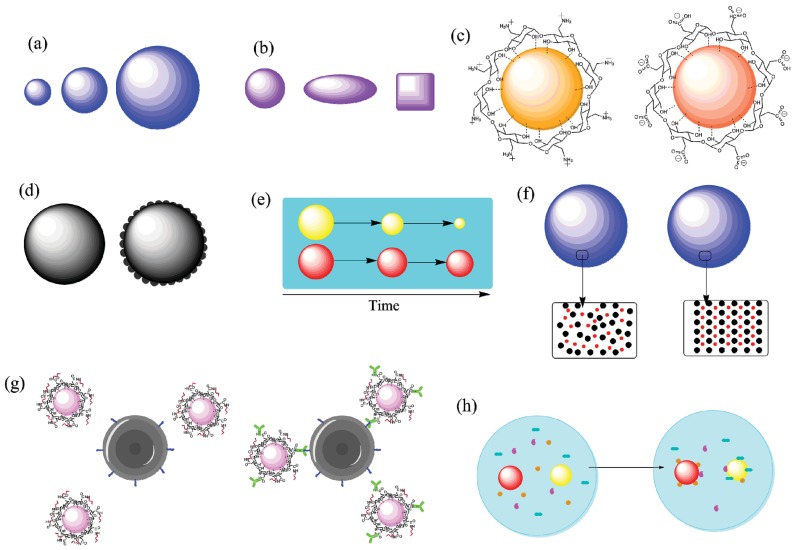
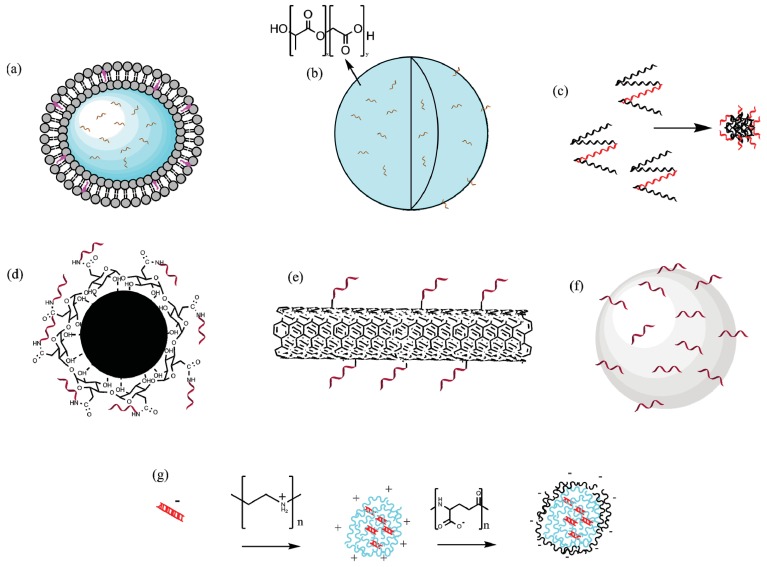
Malaria vaccine research has been ongoing since the 1980s with limited success. However, recent improvements in our understanding of the immune responses required to combat each stage of infection will allow for intelligent design of both antigens and their associated delivery vaccine vehicles/vectors. Synthetic carriers (also known as vectors) are usually particulate and have multiple properties, which can be varied to control how an associated vaccine interacts with the host, and consequently how the immune response develops. This review comprehensively analyzes both historical and recent studies in which synthetic carriers are used to deliver malaria vaccines. Furthermore, the requirements for a synthetic carrier, such as size, charge, and surface chemistry are reviewed in order to understand the design of effective particle-based vaccines against malaria, as well as providing general insights. Synthetic carriers have the ability to alter and direct the immune response, and a better control of particle properties will facilitate improved vaccine design in the near future.
疟疾疫苗的研究自 20 世纪 80 年代以来一直在进行,但收效甚微。然而,最近我们对免疫反应的理解有所提高,这有助于针对感染的各个阶段进行抗原和相关传递疫苗载体/载体的智能设计。合成载体(也称为载体)通常是颗粒状的,具有多种特性,可以改变这些特性来控制相关疫苗与宿主的相互作用,从而影响免疫反应的发展。本综述全面分析了使用合成载体来传递疟疾疫苗的历史和近期研究。此外,还回顾了合成载体的要求,如大小、电荷和表面化学性质,以了解针对疟疾的有效基于颗粒的疫苗的设计,并提供一般性的见解。合成载体能够改变和指导免疫反应,更好地控制颗粒特性将有助于在不久的将来改进疫苗设计。