McFarland Dennis J, Sarnacki William A, Wolpaw Jonathan R
National Center for Adaptive Neurotechnologies, Wadsworth Center, New York State Department of Health, PO box509, Empire State Plaza, Albany, NY 12201-0509, USA.
J Neural Eng. 2015 Dec;12(6):066021. doi: 10.1088/1741-2560/12/6/066021. Epub 2015 Nov 3.
Brain-computer interface (BCI) technology might contribute to rehabilitation of motor function. This speculation is based on the premise that modifying the electroencephalographic (EEG) activity will modify behavior, a proposition for which there is limited empirical data. The present study asked whether learned modulation of pre-movement sensorimotor rhythm (SMR) activity can affect motor performance in normal human subjects.
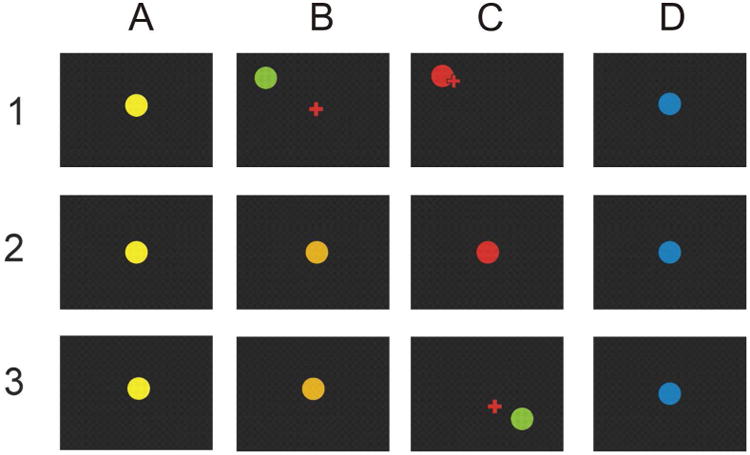
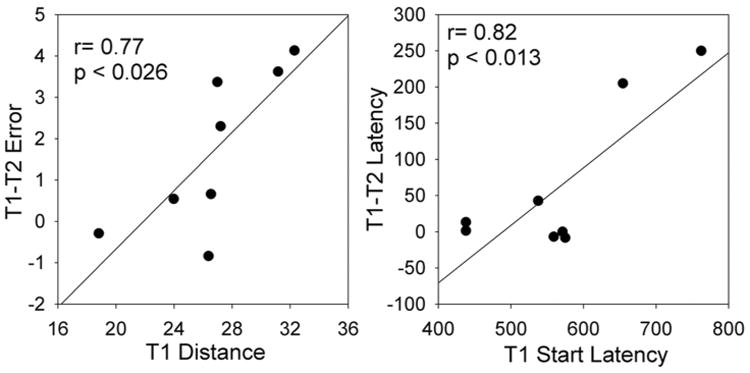
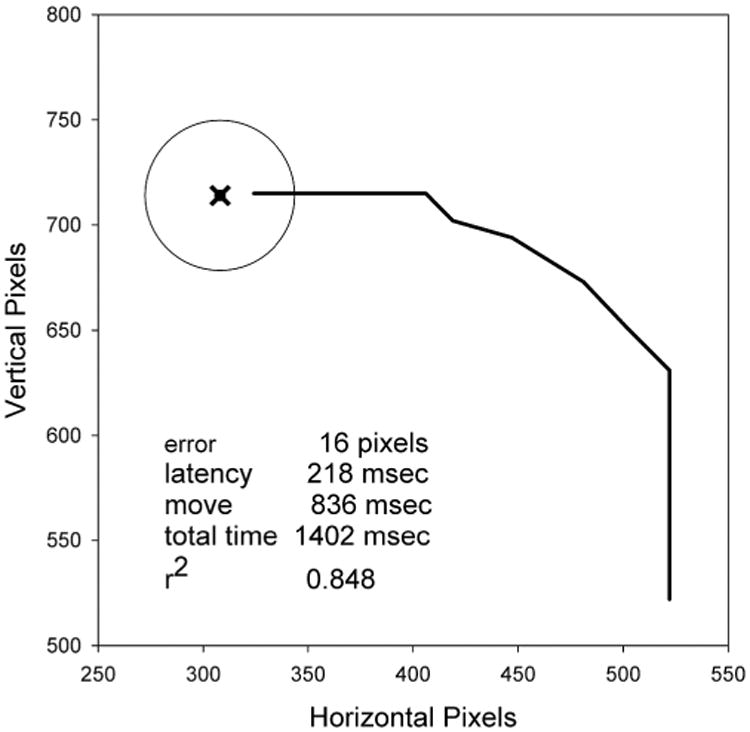
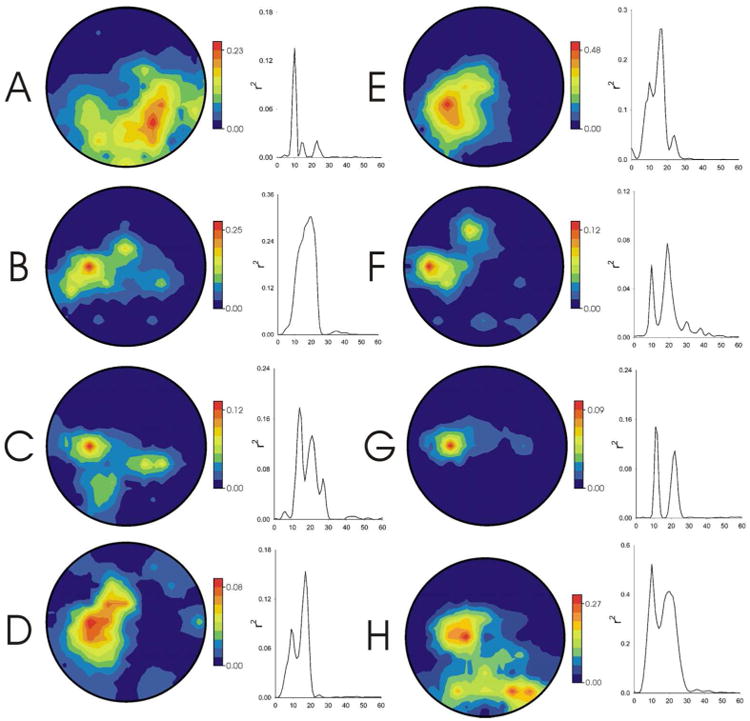
Eight individuals first performed a joystick-based cursor-movement task with variable warning periods. Targets appeared randomly on a video monitor and subjects moved the cursor to the target and pressed a select button within 2 s. SMR features in the pre-movement EEG that correlated with performance speed and accuracy were identified. The subjects then learned to increase or decrease these features to control a two-target BCI task. Following successful BCI training, they were asked to increase or decrease SMR amplitude in order to initiate the joystick task.
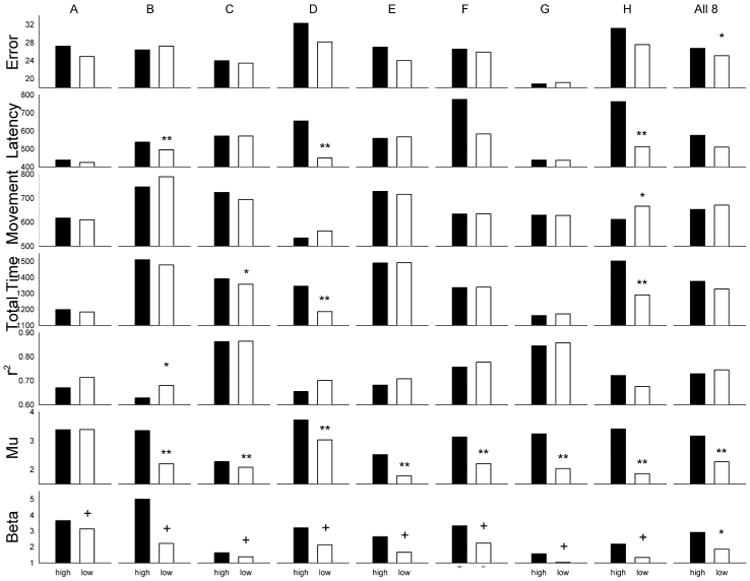
After BCI training, pre-movement SMR amplitude was correlated with performance in subjects with initial poor performance: lower amplitude was associated with faster and more accurate movement. The beneficial effect on performance of lower SMR amplitude was greater in subjects with lower initial performance levels.
These results indicate that BCI-based SMR training can affect a standard motor behavior. They provide a rationale for studies that integrate such training into rehabilitation protocols and examine its capacity to enhance restoration of useful motor function.
脑机接口(BCI)技术可能有助于运动功能的康复。这一推测基于这样一个前提,即改变脑电图(EEG)活动将改变行为,而这一命题的实证数据有限。本研究探讨了对运动前感觉运动节律(SMR)活动的习得性调节是否会影响正常人类受试者的运动表现。
八名受试者首先进行了一项基于操纵杆的光标移动任务,有不同的警告期。目标随机出现在视频监视器上,受试者将光标移至目标并在2秒内按下选择按钮。确定了运动前脑电图中与表现速度和准确性相关的SMR特征。然后,受试者学会增加或减少这些特征以控制双目标BCI任务。在成功完成BCI训练后,要求他们增加或减少SMR幅度以启动操纵杆任务。
在BCI训练后,初始表现较差的受试者运动前SMR幅度与表现相关:较低的幅度与更快、更准确的运动相关。初始表现水平较低的受试者中,较低SMR幅度对表现的有益影响更大。
这些结果表明基于BCI的SMR训练可以影响标准的运动行为。它们为将此类训练纳入康复方案并检验其增强有用运动功能恢复能力的研究提供了理论依据。