Engelman Richard, Baker Robert A, Likosky Donald S, Grigore Alina, Dickinson Timothy A, Shore-Lesserson Linda, Hammon John W
Department of Surgery, Baystate Medical Center and Tufts University School of Medicine, Springfield, Massachusetts; Cardiac Surgery Research and Perfusion, Flinders University and Flinders Medical Centre, Adelaide, South Australia, Australia; Department of Cardiac Surgery, University of Michigan, Ann Arbor, Michigan; Department of Anesthesiology, University of Nevada, Las Vegas, Nevada; Clinical Performance Improvement, SpecialtyCare, Nashville, Tennessee; Department of Anesthesiology, Hofstra Northshore-Long Island Jewish School of Medicine, New Hyde Park, New York; and Department of Cardiothoracic Surgery, Wake Forest University School of Medicine, Winston-Salem, North Carolina.
J Extra Corpor Technol. 2015 Sep;47(3):145-54.
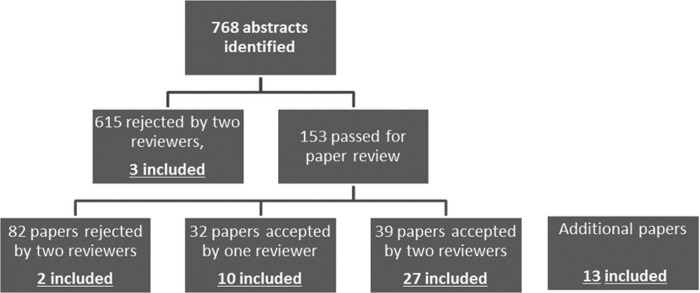
To improve our understanding of the evidence-based literature supporting temperature management during adult cardiopulmonary bypass, The Society of Thoracic Surgeons, the Society of Cardiovascular Anesthesiology and the American Society of ExtraCorporeal Technology tasked the authors to conduct a review of the peer-reviewed literature, including 1) optimal site for temperature monitoring, 2) avoidance of hyperthermia, 3) peak cooling temperature gradient and cooling rate, and 4) peak warming temperature gradient and rewarming rate. Authors adopted the American College of Cardiology/American Heart Association method for development clinical practice guidelines, and arrived at the following recommendation.
为了增进我们对支持成人体外循环期间体温管理的循证文献的理解,胸外科医师协会、心血管麻醉医师协会和美国体外技术学会责成作者对同行评议文献进行综述,内容包括:1)体温监测的最佳部位;2)避免体温过高;3)降温峰值温度梯度和降温速率;4)升温峰值温度梯度和复温速率。作者采用美国心脏病学会/美国心脏协会制定临床实践指南的方法,得出以下建议。