Majláth Zsófia, Török Nóra, Toldi József, Vécsei László
Department of Neurology, Faculty of Medicine, University of Szeged, Albert Szent-Györgyi Clinical Center, Semmelweis u. 6. H-6725 Szeged, Hungary.
Curr Neuropharmacol. 2016;14(2):200-9. doi: 10.2174/1570159x14666151113123221.
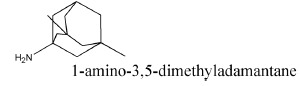
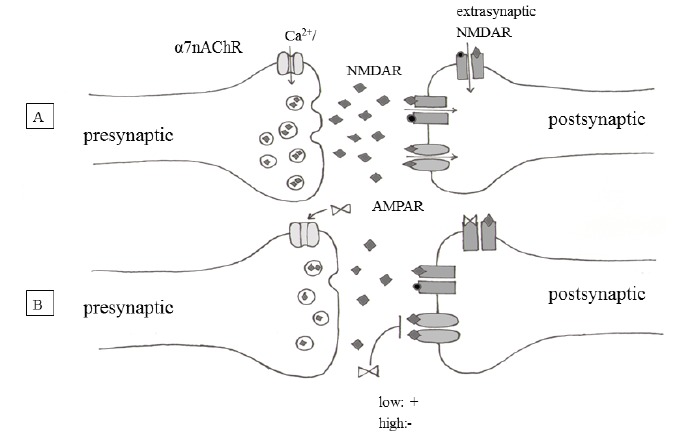
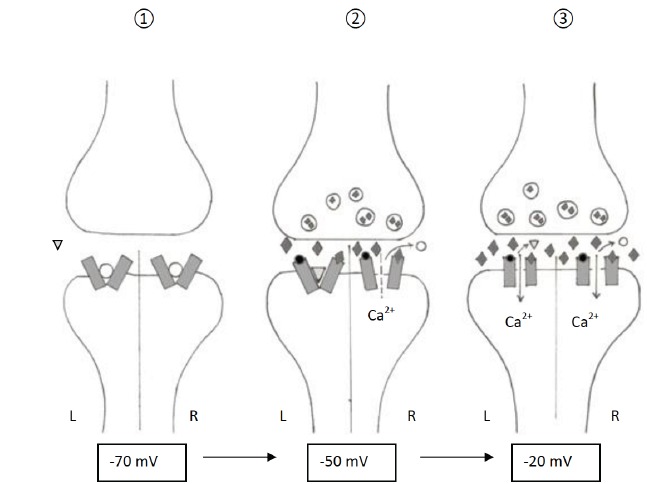
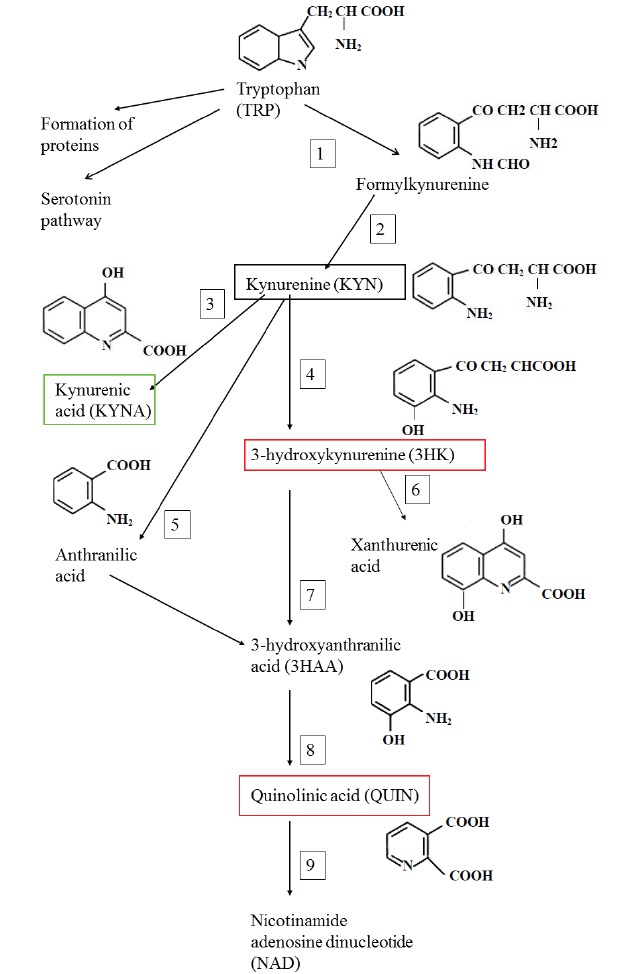
Glutamatergic neurotransmission, of special importance in the human brain, is implicated in key brain functions such as synaptic plasticity and memory. The excessive activation of N-methyl- D-aspartate (NMDA) receptors may result in excitotoxic neuronal damage; this process has been implicated in the pathomechanism of different neurodegenerative disorders, such as Alzheimer's disease (AD). Memantine is an uncompetitive antagonist of NMDA receptors with a favorable pharmacokinetic profile, and is therefore clinically well tolerated. Memantine is approved for the treatment of AD, but may additionally be beneficial for other dementia forms and pain conditions. Kynurenic acid (KYNA) is an endogenous antagonist of NMDA receptors which has been demonstrated under experimental conditions to be neuroprotective. The development of a well-tolerated NMDA antagonist may offer a novel therapeutic option for the treatment of neurodegenerative disease and pain syndromes. KYNA may be a valuable candidate for future drug development.
谷氨酸能神经传递在人类大脑中具有特殊重要性,与突触可塑性和记忆等关键脑功能有关。N-甲基-D-天冬氨酸(NMDA)受体的过度激活可能导致兴奋性毒性神经元损伤;这一过程与不同神经退行性疾病如阿尔茨海默病(AD)的发病机制有关。美金刚是一种具有良好药代动力学特征的非竞争性NMDA受体拮抗剂,因此在临床上耐受性良好。美金刚被批准用于治疗AD,但可能对其他痴呆形式和疼痛状况也有益处。犬尿喹啉酸(KYNA)是NMDA受体的内源性拮抗剂,在实验条件下已证明其具有神经保护作用。开发耐受性良好的NMDA拮抗剂可能为神经退行性疾病和疼痛综合征的治疗提供一种新的治疗选择。KYNA可能是未来药物开发的一个有价值的候选药物。