Pegorini Vinicius, Karam Leandro Zen, Pitta Christiano Santos Rocha, Cardoso Rafael, da Silva Jean Carlos Cardozo, Kalinowski Hypolito José, Ribeiro Richardson, Bertotti Fábio Luiz, Assmann Tangriani Simioni
Federal University of Technology-Paraná, Pato Branco-PR 85503-390, Brazil.
Pontifical Catholic University of Paraná, Curitiba 80215-901, Brazil.
Sensors (Basel). 2015 Nov 11;15(11):28456-71. doi: 10.3390/s151128456.
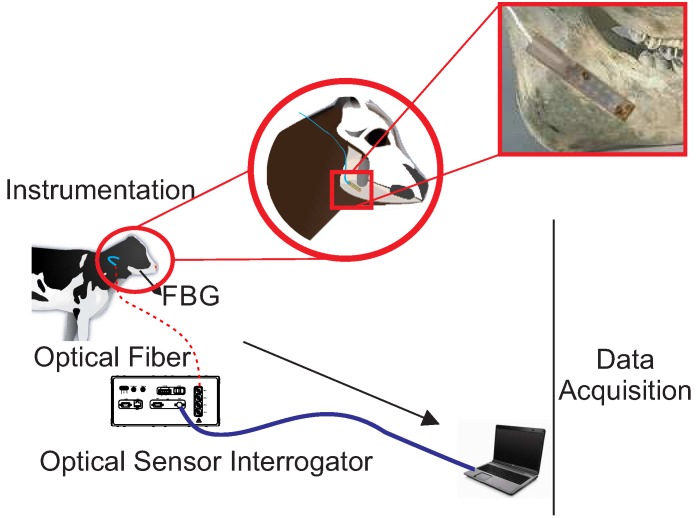
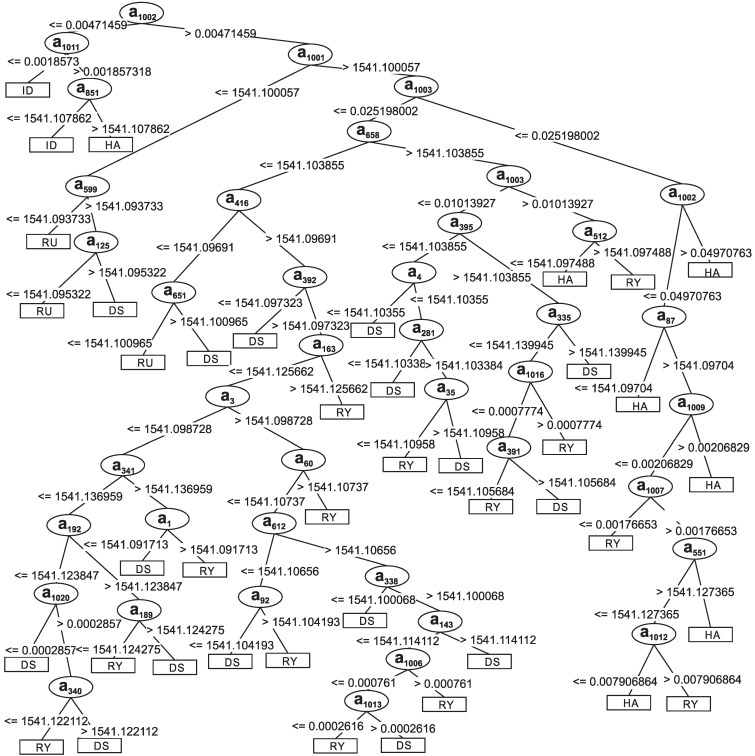
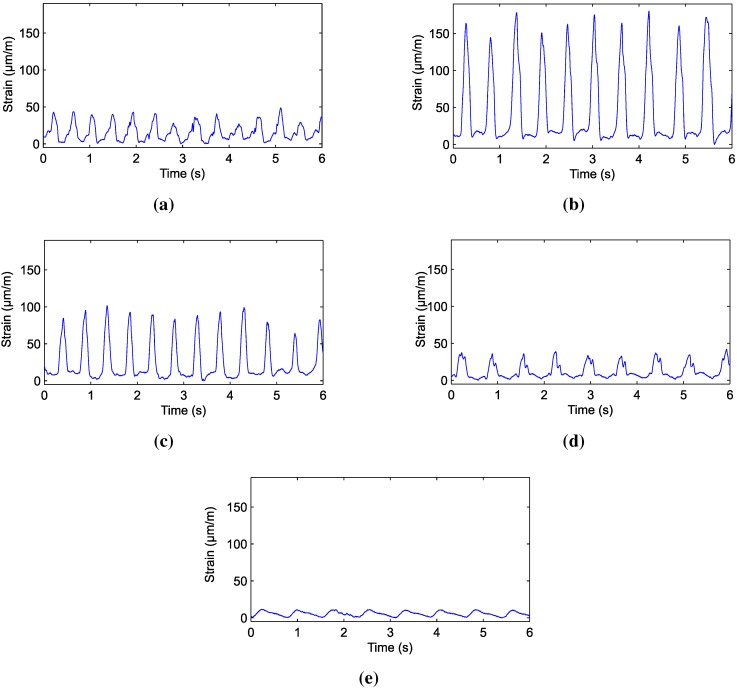
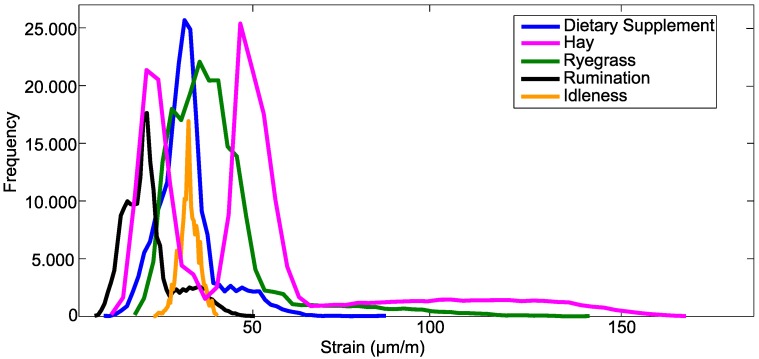
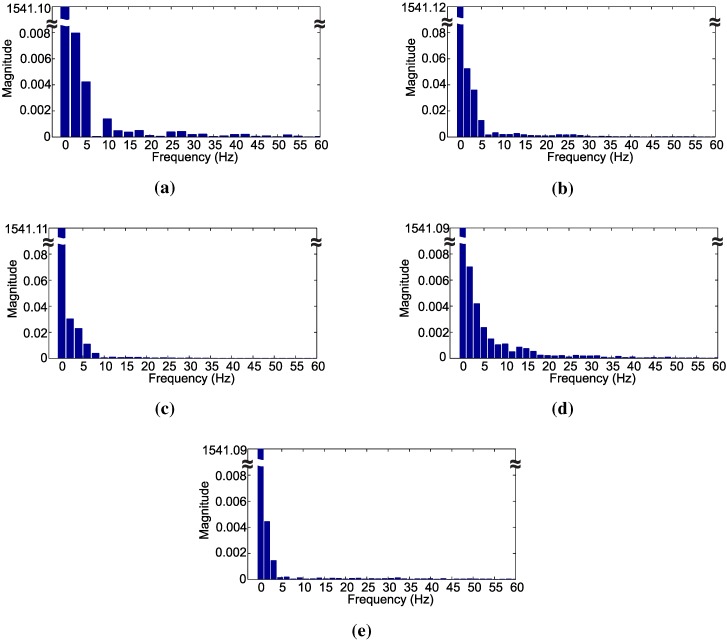
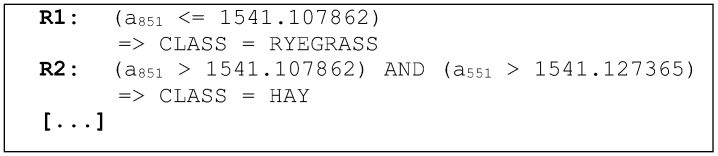
Pattern classification of ingestive behavior in grazing animals has extreme importance in studies related to animal nutrition, growth and health. In this paper, a system to classify chewing patterns of ruminants in in vivo experiments is developed. The proposal is based on data collected by optical fiber Bragg grating sensors (FBG) that are processed by machine learning techniques. The FBG sensors measure the biomechanical strain during jaw movements, and a decision tree is responsible for the classification of the associated chewing pattern. In this study, patterns associated with food intake of dietary supplement, hay and ryegrass were considered. Additionally, two other important events for ingestive behavior were monitored: rumination and idleness. Experimental results show that the proposed approach for pattern classification is capable of differentiating the five patterns involved in the chewing process with an overall accuracy of 94%.
放牧动物摄食行为的模式分类在与动物营养、生长和健康相关的研究中极为重要。本文开发了一种用于在体内实验中对反刍动物咀嚼模式进行分类的系统。该方案基于由光纤布拉格光栅传感器(FBG)收集的数据,这些数据通过机器学习技术进行处理。FBG传感器测量颌骨运动期间的生物力学应变,并且决策树负责对相关的咀嚼模式进行分类。在本研究中,考虑了与膳食补充剂、干草和黑麦草食物摄入相关的模式。此外,还监测了摄食行为的另外两个重要事件:反刍和空闲。实验结果表明,所提出的模式分类方法能够以94%的总体准确率区分咀嚼过程中涉及的五种模式。