Kamarajan Chella, Pandey Ashwini K, Chorlian David B, Manz Niklas, Stimus Arthur T, Anokhin Andrey P, Bauer Lance O, Kuperman Samuel, Kramer John, Bucholz Kathleen K, Schuckit Marc A, Hesselbrock Victor M, Porjesz Bernice
SUNY Downstate Medical Center, Brooklyn, NY, United States of America.
Washington University School of Medicine, St. Louis, MO, United States of America.
PLoS One. 2015 Nov 18;10(11):e0142659. doi: 10.1371/journal.pone.0142659. eCollection 2015.
Individuals at high risk to develop alcoholism often manifest neurocognitive deficits as well as increased impulsivity. Event-related oscillations (EROs) have been used to effectively measure brain (dys)function during cognitive tasks in individuals with alcoholism and related disorders and in those at risk to develop these disorders. The current study examines ERO theta power during reward processing as well as impulsivity in adolescent and young adult subjects at high risk for alcoholism.
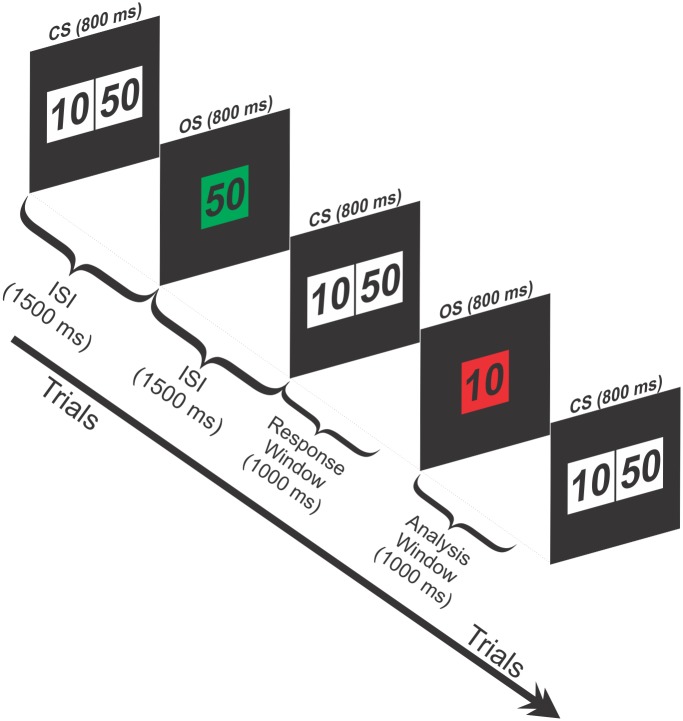
EROs were recorded during a monetary gambling task (MGT) in 12-25 years old participants (N = 1821; males = 48%) from high risk alcoholic families (HR, N = 1534) and comparison low risk community families (LR, N = 287) from the Collaborative Study on the Genetics of Alcoholism (COGA). Impulsivity scores and prevalence of externalizing diagnoses were also compared between LR and HR groups.
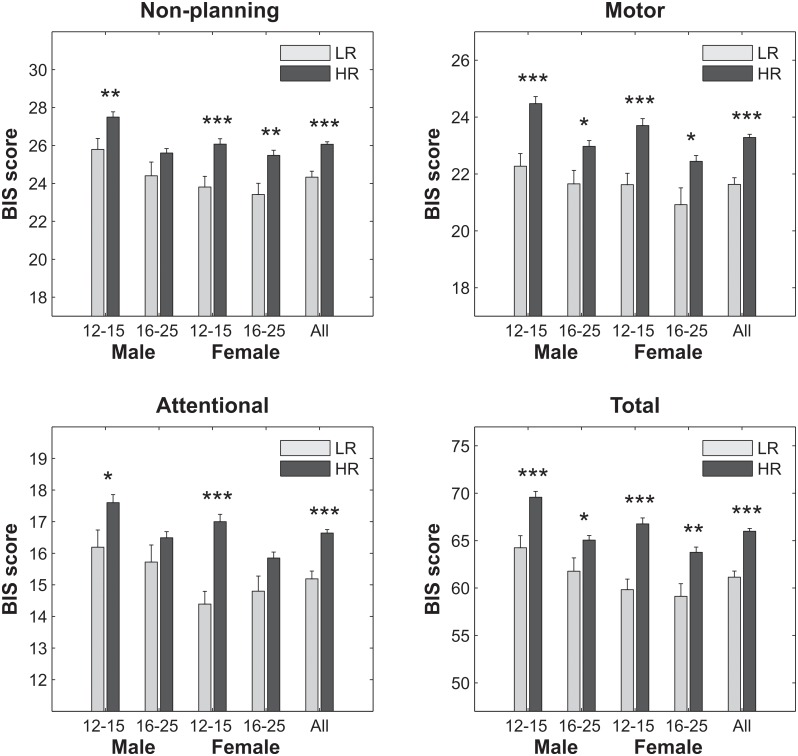
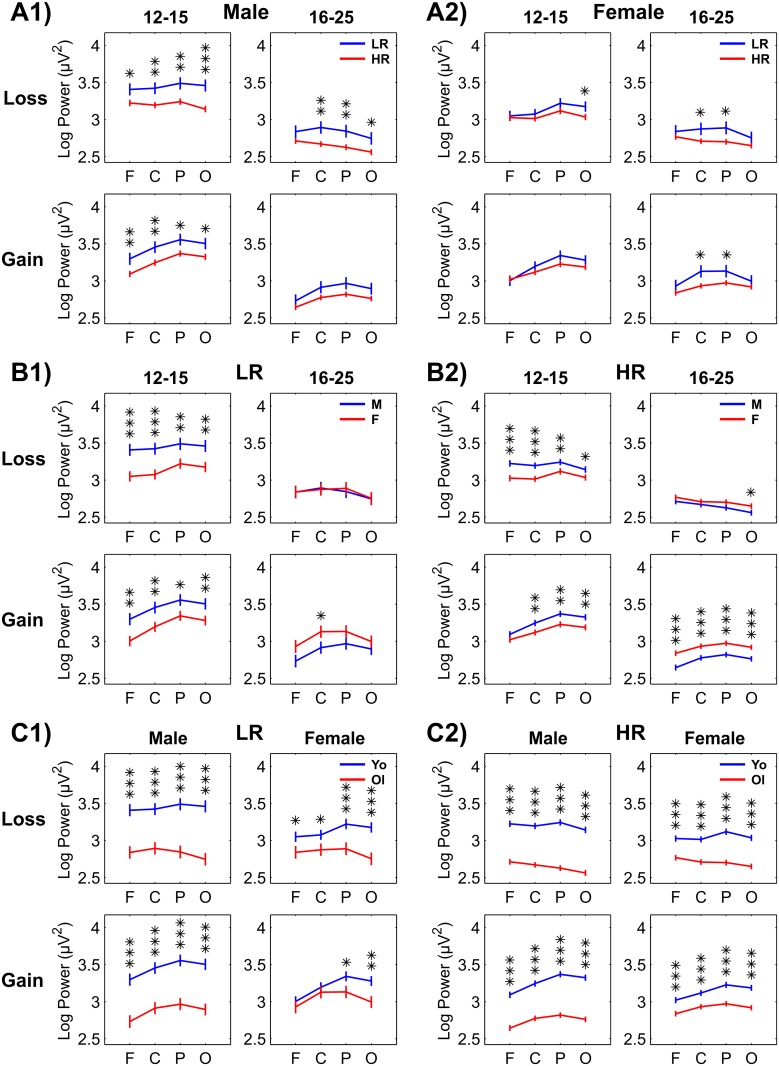
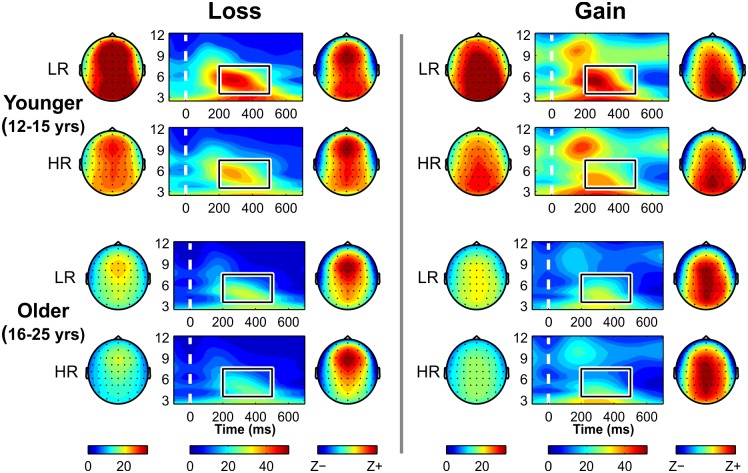
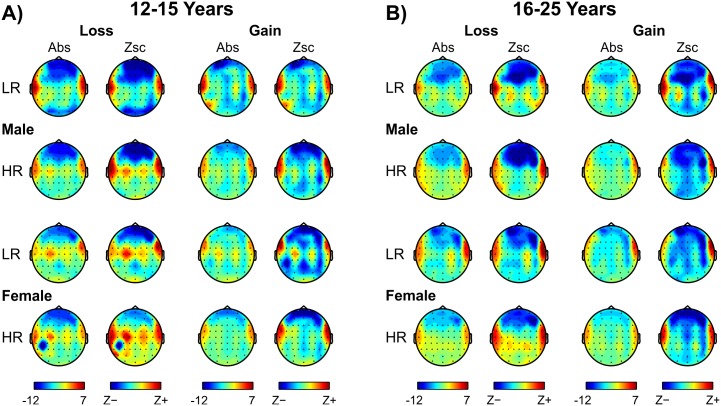
HR offspring showed lower theta power and decreased current source density (CSD) activity than LR offspring during loss and gain conditions. Younger males had higher theta power than younger females in both groups, while the older HR females showed more theta power than older HR males. Younger subjects showed higher theta power than older subjects in each comparison. Differences in topography (i.e., frontalization) between groups were also observed. Further, HR subjects across gender had higher impulsivity scores and increased prevalence of externalizing disorders compared to LR subjects.
As theta power during reward processing is found to be lower not only in alcoholics, but also in HR subjects, it is proposed that reduced reward-related theta power, in addition to impulsivity and externalizing features, may be related in a predisposition to develop alcoholism and related disorders.
有酗酒高风险的个体常表现出神经认知缺陷以及冲动性增加。事件相关振荡(ERO)已被用于有效测量酗酒及相关障碍个体以及有发展这些障碍风险的个体在认知任务期间的大脑(功能)失调。本研究考察了处于酗酒高风险的青少年和青年受试者在奖励处理过程中的ERO θ波功率以及冲动性。
在一项金钱赌博任务(MGT)中记录了来自酒精中毒遗传学合作研究(COGA)的高风险酗酒家庭(HR,N = 1534)和对照低风险社区家庭(LR,N = 287)的12至25岁参与者(N = 1821;男性 = 48%)的ERO。还比较了LR组和HR组之间的冲动性得分以及外化诊断的患病率。
在输赢条件下,HR后代的θ波功率和电流源密度(CSD)活动均低于LR后代。两组中年轻男性的θ波功率均高于年轻女性,而年长的HR女性的θ波功率高于年长的HR男性。在每次比较中,年轻受试者的θ波功率均高于年长受试者。还观察到两组之间在地形学(即额叶化)方面的差异。此外,与LR受试者相比,HR受试者在性别上的冲动性得分更高,外化障碍的患病率也更高。
由于发现不仅酗酒者,而且HR受试者在奖励处理过程中的θ波功率较低,因此提出除了冲动性和外化特征外,与奖励相关的θ波功率降低可能与发展为酗酒及相关障碍的易感性有关。