Department of Psychiatry and Behavioral Sciences, State University of New York Downstate Medical Center, Brooklyn, New York, USA.
Department of Psychiatry, Robert Wood Johnson Medical School, Rutgers University, New Brunswick, New Jersey, USA.
Genes Brain Behav. 2023 Oct;22(5):e12862. doi: 10.1111/gbb.12862. Epub 2023 Aug 17.
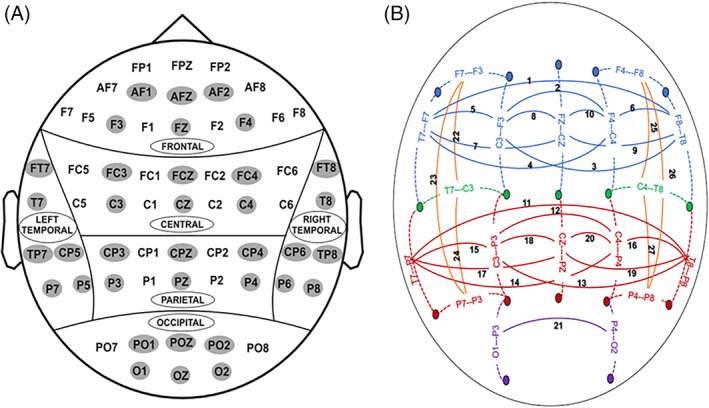
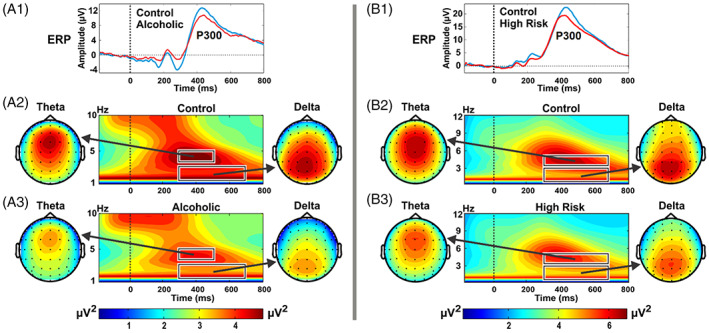
Alcohol use disorder (AUD) and related health conditions result from a complex interaction of genetic, neural and environmental factors, with differential impacts across the lifespan. From its inception, the Collaborative Study on the Genetics of Alcoholism (COGA) has focused on the importance of brain function as it relates to the risk and consequences of alcohol use and AUD, through the examination of noninvasively recorded brain electrical activity and neuropsychological tests. COGA's sophisticated neurophysiological and neuropsychological measures, together with rich longitudinal, multi-modal family data, have allowed us to disentangle brain-related risk and resilience factors from the consequences of prolonged and heavy alcohol use in the context of genomic and social-environmental influences over the lifespan. COGA has led the field in identifying genetic variation associated with brain functioning, which has advanced the understanding of how genomic risk affects AUD and related disorders. To date, the COGA study has amassed brain function data on over 9871 participants, 7837 with data at more than one time point, and with notable diversity in terms of age (from 7 to 97), gender (52% female), and self-reported race and ethnicity (28% Black, 9% Hispanic). These data are available to the research community through several mechanisms, including directly through the NIAAA, through dbGAP, and in collaboration with COGA investigators. In this review, we provide an overview of COGA's data collection methods and specific brain function measures assessed, and showcase the utility, significance, and contributions these data have made to our understanding of AUD and related disorders, highlighting COGA research findings.
酒精使用障碍(AUD)和相关健康状况是由遗传、神经和环境因素的复杂相互作用引起的,在整个生命周期中具有不同的影响。从一开始,酒精中毒遗传学合作研究(COGA)就专注于大脑功能的重要性,因为它与饮酒和 AUD 的风险和后果有关,通过检查非侵入性记录的脑电活动和神经心理学测试。COGA 复杂的神经生理和神经心理学测量方法,以及丰富的纵向、多模态家庭数据,使我们能够在基因组和社会环境影响下,从长期和大量饮酒的后果中分离出与大脑相关的风险和恢复力因素。COGA 在确定与大脑功能相关的遗传变异方面处于领先地位,这提高了人们对基因组风险如何影响 AUD 和相关疾病的理解。迄今为止,COGA 研究已经积累了超过 9871 名参与者的大脑功能数据,其中 7837 名参与者的数据超过一个时间点,并且在年龄(从 7 岁到 97 岁)、性别(52%为女性)和自我报告的种族和民族(28%为黑人,9%为西班牙裔)方面具有显著的多样性。这些数据通过多种机制向研究界提供,包括直接通过 NIAAA、通过 dbGAP 以及与 COGA 研究人员合作。在这篇综述中,我们提供了 COGA 数据收集方法和评估的特定大脑功能测量的概述,并展示了这些数据在我们对 AUD 和相关疾病的理解中的实用性、重要性和贡献,突出了 COGA 的研究发现。