Torres Pedro J, Fletcher Erin M, Gibbons Sean M, Bouvet Michael, Doran Kelly S, Kelley Scott T
Department of Biology, San Diego State University , San Diego, CA , United States.
Department of Medical Sciences, Harvard University , Boston, MA , United States.
PeerJ. 2015 Nov 5;3:e1373. doi: 10.7717/peerj.1373. eCollection 2015.
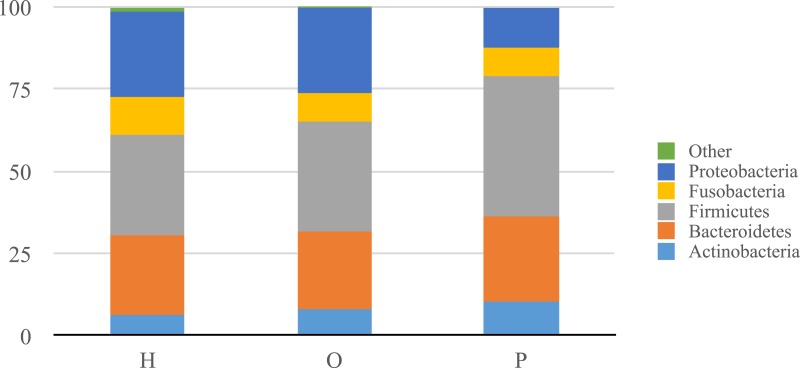
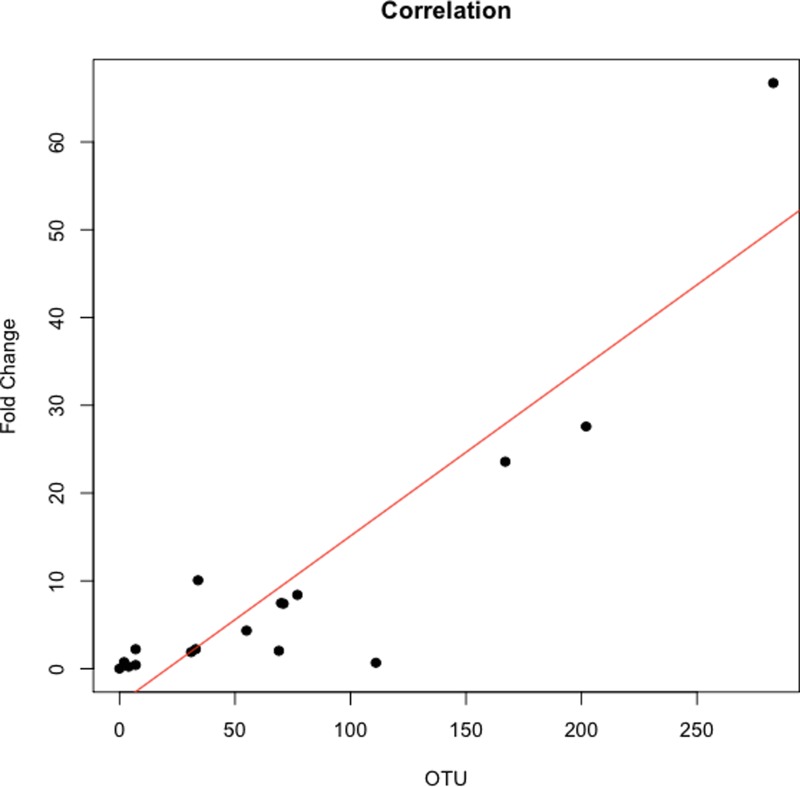
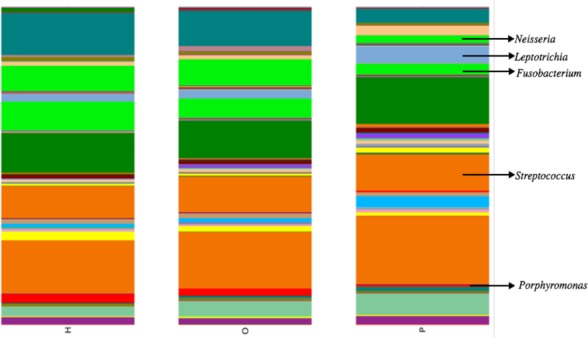
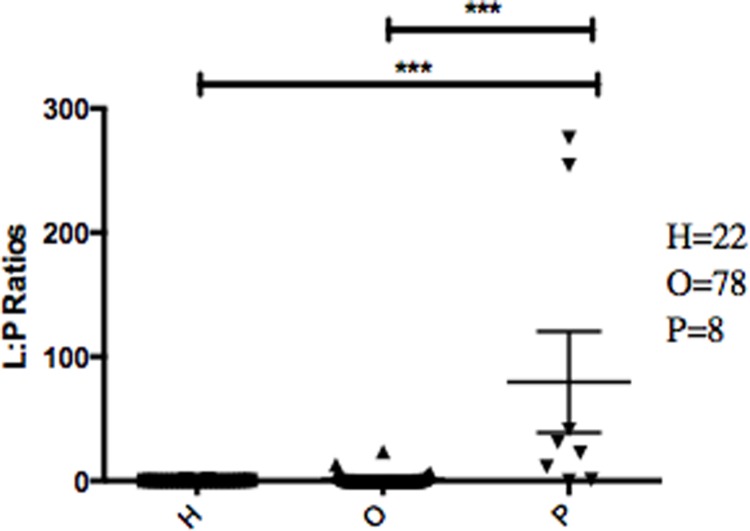
Clinical manifestations of pancreatic cancer often do not occur until the cancer has undergone metastasis, resulting in a very low survival rate. In this study, we investigated whether salivary bacterial profiles might provide useful biomarkers for early detection of pancreatic cancer. Using high-throughput sequencing of bacterial small subunit ribosomal RNA (16S rRNA) gene, we characterized the salivary microbiota of patients with pancreatic cancer and compared them to healthy patients and patients with other diseases, including pancreatic disease, non-pancreatic digestive disease/cancer and non-digestive disease/cancer. A total of 146 patients were enrolled at the UCSD Moores Cancer Center where saliva and demographic data were collected from each patient. Of these, we analyzed the salivary microbiome of 108 patients: 8 had been diagnosed with pancreatic cancer, 78 with other diseases and 22 were classified as non-diseased (healthy) controls. Bacterial 16S rRNA sequences were amplified directly from salivary DNA extractions and subjected to high-throughput sequencing (HTS). Several bacterial genera differed in abundance in patients with pancreatic cancer. We found a significantly higher ratio of Leptotrichia to Porphyromonas in the saliva of patients with pancreatic cancer than in the saliva of healthy patients or those with other disease (Kruskal-Wallis Test; P < 0.001). Leptotrichia abundances were confirmed using real-time qPCR with Leptotrichia specific primers. Similar to previous studies, we found lower relative abundances of Neisseria and Aggregatibacter in the saliva of pancreatic cancer patients, though these results were not significant at the P < 0.05 level (K-W Test; P = 0.07 and P = 0.09 respectively). However, the relative abundances of other previously identified bacterial biomarkers, e.g., Streptococcus mitis and Granulicatella adiacens, were not significantly different in the saliva of pancreatic cancer patients. Overall, this study supports the hypothesis that bacteria abundance profiles in saliva are useful biomarkers for pancreatic cancer though much larger patient studies are needed to verify their predictive utility.
胰腺癌的临床表现往往直到癌症发生转移才会出现,导致生存率极低。在本研究中,我们调查了唾液细菌谱是否可能为胰腺癌的早期检测提供有用的生物标志物。通过对细菌小亚基核糖体RNA(16S rRNA)基因进行高通量测序,我们对胰腺癌患者的唾液微生物群进行了特征分析,并将其与健康患者以及患有其他疾病的患者进行比较,这些疾病包括胰腺疾病、非胰腺消化系统疾病/癌症和非消化系统疾病/癌症。共有146名患者在加州大学圣地亚哥分校穆尔斯癌症中心入组,从每位患者那里收集了唾液和人口统计学数据。其中,我们分析了108名患者的唾液微生物组:8名被诊断为胰腺癌,78名患有其他疾病,22名被归类为无病(健康)对照。细菌16S rRNA序列直接从唾液DNA提取物中扩增,并进行高通量测序(HTS)。胰腺癌患者中几个细菌属的丰度有所不同。我们发现,胰腺癌患者唾液中纤毛菌与卟啉单胞菌的比例显著高于健康患者或患有其他疾病患者的唾液(Kruskal-Wallis检验;P<0.001)。使用纤毛菌特异性引物通过实时定量PCR确认了纤毛菌的丰度。与先前的研究相似,我们发现胰腺癌患者唾液中奈瑟菌属和聚集杆菌属的相对丰度较低,尽管这些结果在P<0.05水平上不显著(K-W检验;P分别为0.07和0.09)。然而,其他先前确定的细菌生物标志物,如缓症链球菌和毗邻颗粒链菌,在胰腺癌患者的唾液中的相对丰度没有显著差异。总体而言,本研究支持这样一种假设,即唾液中的细菌丰度谱是胰腺癌有用的生物标志物,尽管需要更大规模的患者研究来验证其预测效用。