Discipline of Optometry, School of Health Sciences, College of Health Sciences, University of KwaZulu-Natal, Durban, South Africa.
Department of Optometry, School of Allied Health Sciences, College Health and Allied Sciences, University of Cape Coast, Cape Coast, Ghana.
Ophthalmol Ther. 2015 Dec;4(2):115-28. doi: 10.1007/s40123-015-0042-2. Epub 2015 Nov 23.
Heliotropium indicum has several uses in traditional medicine attributable to its numerous bioactive compounds. It is used as a traditional remedy for cataracts in Ghana without any scientific verification. This study aimed at verifying the anti-cataract properties of an aqueous whole plant extract of H. indicum.
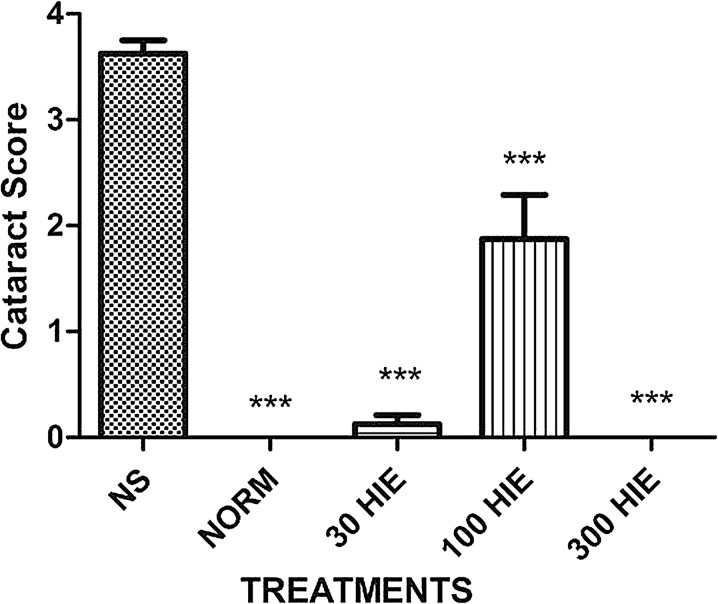
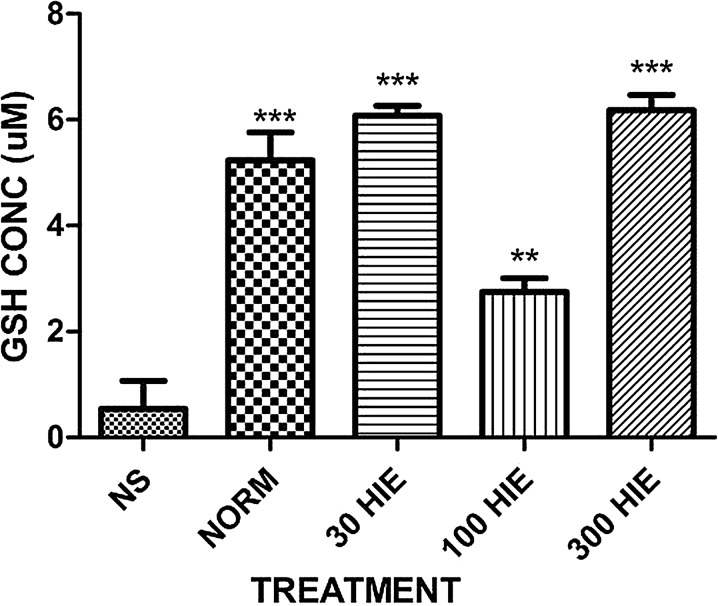
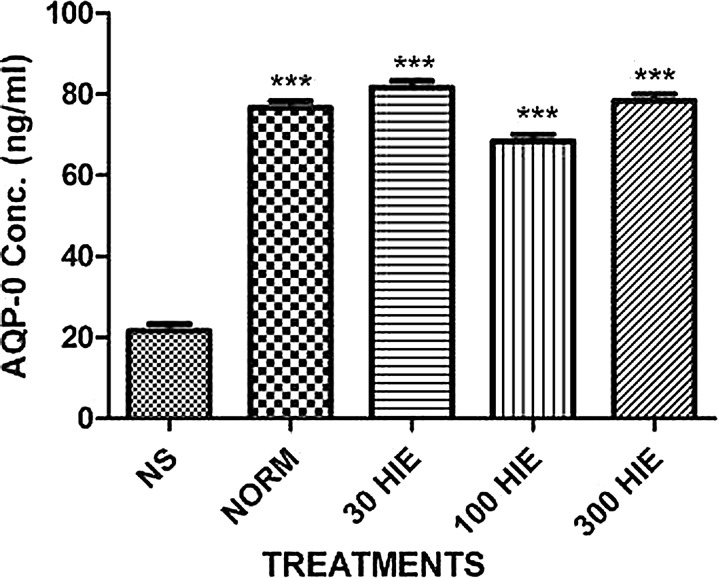
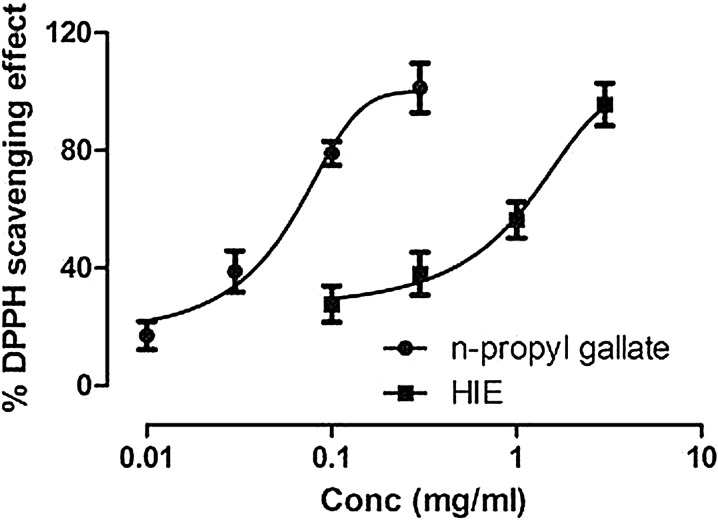
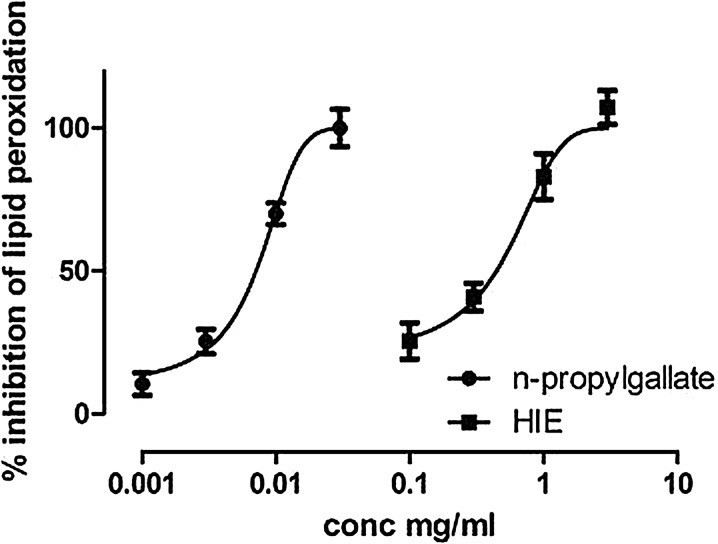
The effect (cataract score) of 30, 100, and 300 mg kg(-1) extract (bid for 21 days, per os) on the development of 30 µmol kg(-1) sodium selenite-induced cataract in 10-day-old rat pups was investigated. Soluble lens proteins alpha A and alpha B crystallins, total lens protein, total lens glutathione, and aquaporin 0 in enucleated lens homogenates were determined spectrophotometrically using commercially available kits. Histopathological studies on the lenses were also performed. The 2,2-diphenyl-1-picrylhydrazyl scavenging effect and linoleic acid autoxidation (antioxidant properties) of the extract (0.1-3.0 mg ml(-1)), compared to n-propyl gallate, were ascertained using standard procedures.
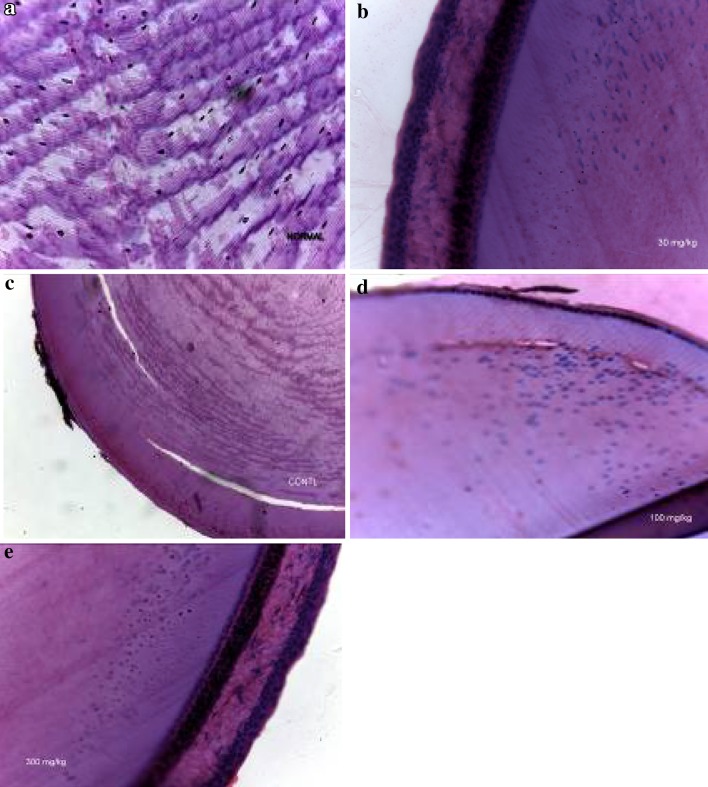
Cataract scores showed that the extract, at all dose levels, significantly alleviated selenite-induced cataracts (P ≤ 0.001). Markers of lens transparency (aquaporin 0, alpha A and B crystallins), as well as total lens proteins and lens glutathione levels, were significantly preserved (P ≤ 0.01-0.001). The extract exhibited activity relevant for scavenging free radicals and inhibition of lipid peroxidation. Epithelial and lens fiber integrity in the histopathological assessment were maintained with HIE treatment.
The aqueous whole plant extract of H. indicum significantly inhibited the development of cataracts in rats via multiple mechanisms.
希罗托普姆属植物因含有多种生物活性化合物而在传统医学中有多种用途。它在加纳被用作治疗白内障的传统药物,但没有任何科学依据。本研究旨在验证希罗托普姆属植物全草水提物的抗白内障特性。
研究了 30、100 和 300mg/kg(bid,连续 21 天,口服)提取物对 10 日龄幼鼠 30µmol/kg 亚硒酸钠诱导白内障发展的影响(白内障评分)。采用分光光度法,使用市售试剂盒测定去晶状体匀浆中可溶性晶状体蛋白αA 和αB 晶状蛋白、总晶状体蛋白、总晶状体谷胱甘肽和水通道蛋白 0。还对晶状体进行了组织病理学研究。采用标准程序,比较提取物(0.1-3.0mg/ml)与 n-丙基 gallate 的 2,2-二苯基-1-苦基肼清除作用和亚油酸自氧化(抗氧化特性)。
白内障评分表明,提取物在所有剂量水平均能显著减轻亚硒酸钠诱导的白内障(P≤0.001)。晶状体透明度标志物(水通道蛋白 0、αA 和 B 晶状蛋白)以及总晶状体蛋白和晶状体谷胱甘肽水平均显著保存(P≤0.01-0.001)。提取物表现出清除自由基和抑制脂质过氧化的活性。用 HIE 处理后,上皮和晶状体纤维完整性在组织病理学评估中得以维持。
希罗托普姆属植物全草水提物通过多种机制显著抑制了大鼠白内障的发展。