Ejsmond Maciej Jan, Radwan Jacek
Institute of Environmental Sciences, Jagiellonian University, Kraków, Poland.
Department of Arctic Biology, The University Centre in Svalbard, Svalbard, Norway.
PLoS Comput Biol. 2015 Nov 24;11(11):e1004627. doi: 10.1371/journal.pcbi.1004627. eCollection 2015 Nov.
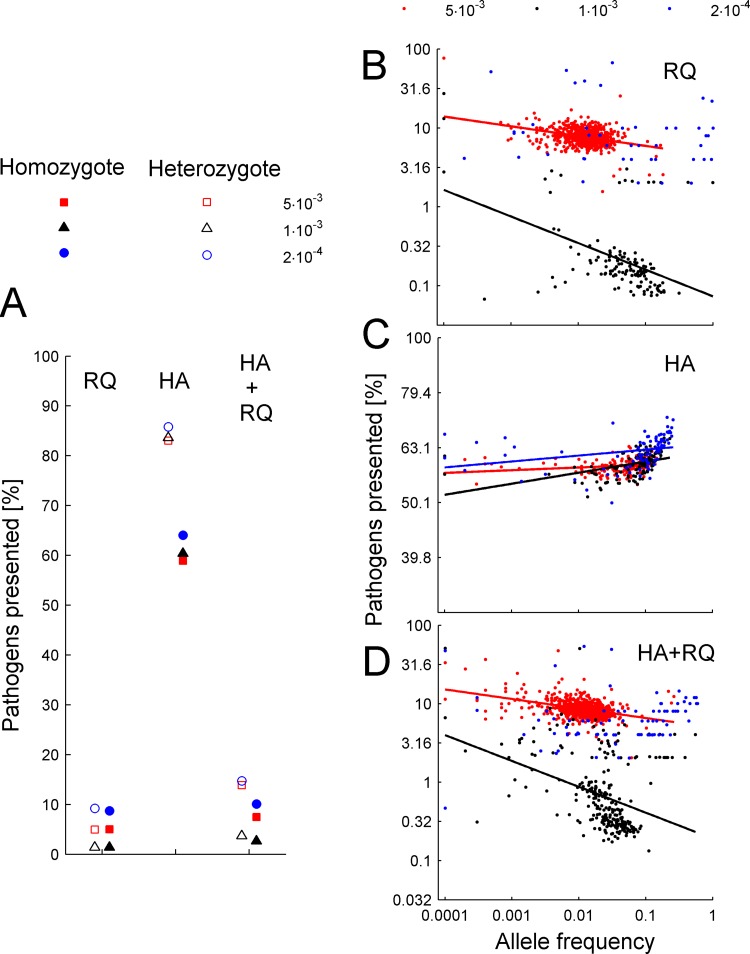
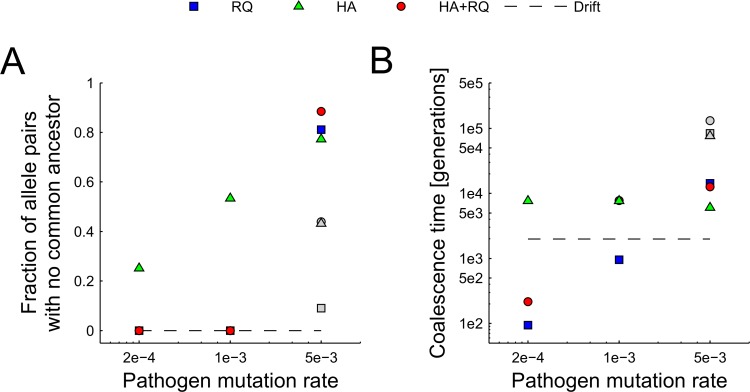
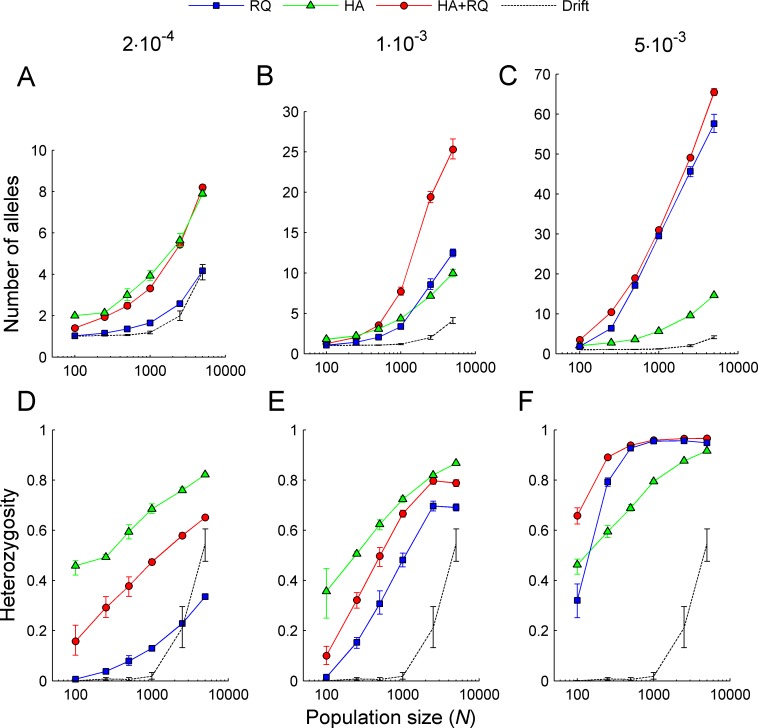
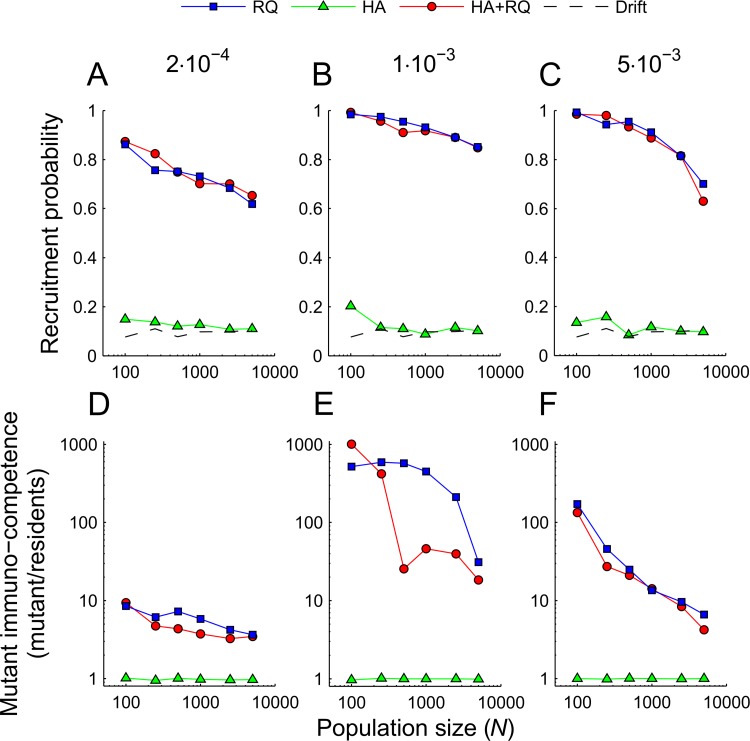
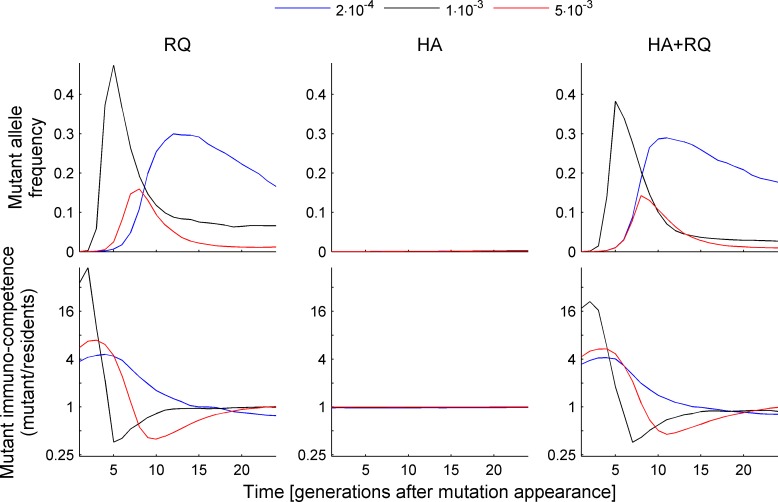
Major Histocompatibility Complex (MHC) genes code for proteins involved in the incitation of the adaptive immune response in vertebrates, which is achieved through binding oligopeptides (antigens) of pathogenic origin. Across vertebrate species, substitutions of amino acids at sites responsible for the specificity of antigen binding (ABS) are positively selected. This is attributed to pathogen-driven balancing selection, which is also thought to maintain the high polymorphism of MHC genes, and to cause the sharing of allelic lineages between species. However, the nature of this selection remains controversial. We used individual-based computer simulations to investigate the roles of two phenomena capable of maintaining MHC polymorphism: heterozygote advantage and host-pathogen arms race (Red Queen process). Our simulations revealed that levels of MHC polymorphism were high and driven mostly by the Red Queen process at a high pathogen mutation rate, but were low and driven mostly by heterozygote advantage when the pathogen mutation rate was low. We found that novel mutations at ABSs are strongly favored by the Red Queen process, but not by heterozygote advantage, regardless of the pathogen mutation rate. However, while the strong advantage of novel alleles increased the allele turnover rate, under a high pathogen mutation rate, allelic lineages persisted for a comparable length of time under Red Queen and under heterozygote advantage. Thus, when pathogens evolve quickly, the Red Queen is capable of explaining both positive selection and long coalescence times, but the tension between the novel allele advantage and persistence of alleles deserves further investigation.
主要组织相容性复合体(MHC)基因编码参与激发脊椎动物适应性免疫反应的蛋白质,这一过程通过结合病原来源的寡肽(抗原)来实现。在整个脊椎动物物种中,负责抗原结合特异性(ABS)位点的氨基酸替换受到正选择。这归因于病原体驱动的平衡选择,这种选择也被认为维持了MHC基因的高度多态性,并导致物种间等位基因谱系的共享。然而,这种选择的本质仍存在争议。我们使用基于个体的计算机模拟来研究能够维持MHC多态性的两种现象的作用:杂合子优势和宿主 - 病原体军备竞赛(红皇后效应)。我们的模拟结果显示,在高病原体突变率下,MHC多态性水平较高且主要由红皇后效应驱动,但在病原体突变率较低时,多态性水平较低且主要由杂合子优势驱动。我们发现,无论病原体突变率如何,红皇后效应强烈支持ABS位点的新突变,但杂合子优势则不然。然而,虽然新等位基因的强大优势增加了等位基因周转率,但在高病原体突变率下,红皇后效应和杂合子优势下的等位基因谱系持续时间相当。因此,当病原体快速进化时,红皇后效应能够解释正选择和较长的合并时间,但新等位基因优势与等位基因持久性之间的矛盾值得进一步研究。