Eichler Anja, Gramlich Gabriela, Kellerhals Thomas, Tobler Leonhard, Schwikowski Margit
Paul Scherrer Institut, CH-5232 Villigen PSI, Switzerland. ; Oeschger Centre for Climate Change Research, University of Bern, CH-3012 Bern, Switzerland.
Paul Scherrer Institut, CH-5232 Villigen PSI, Switzerland. ; Oeschger Centre for Climate Change Research, University of Bern, CH-3012 Bern, Switzerland. ; Department for Chemistry and Biochemistry, University of Bern, Freiestrasse 3, CH-3012 Bern, Switzerland.
Sci Adv. 2015 Mar 6;1(2):e1400196. doi: 10.1126/sciadv.1400196. eCollection 2015 Mar.
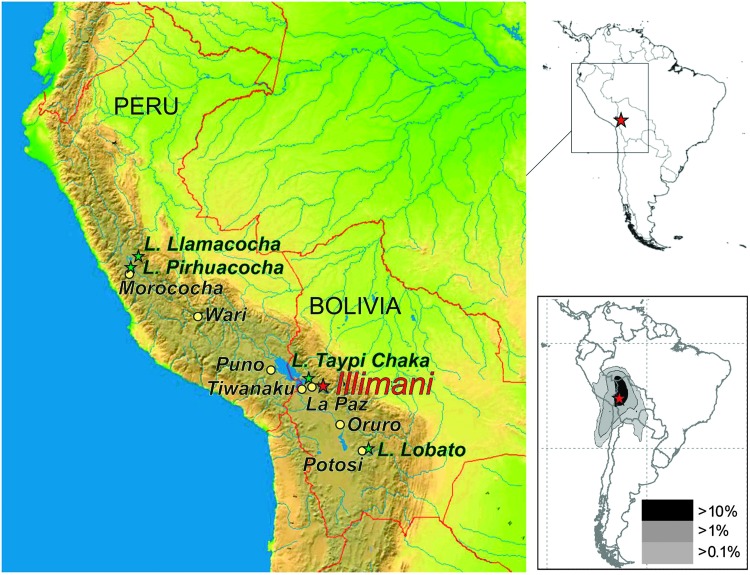
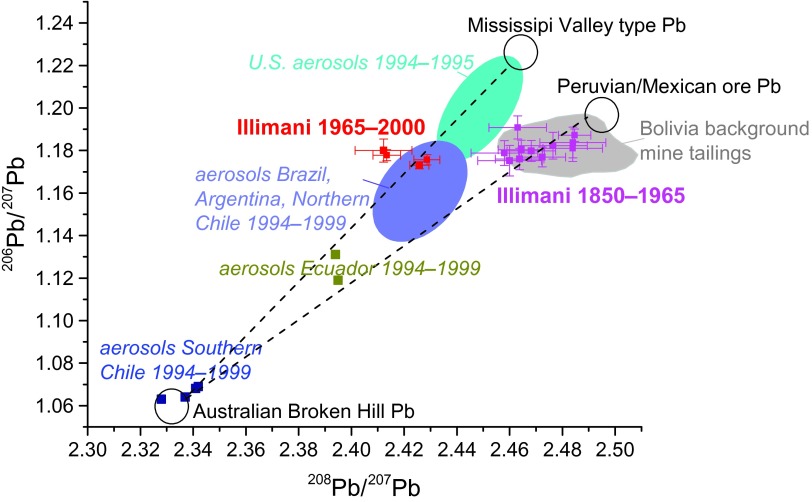
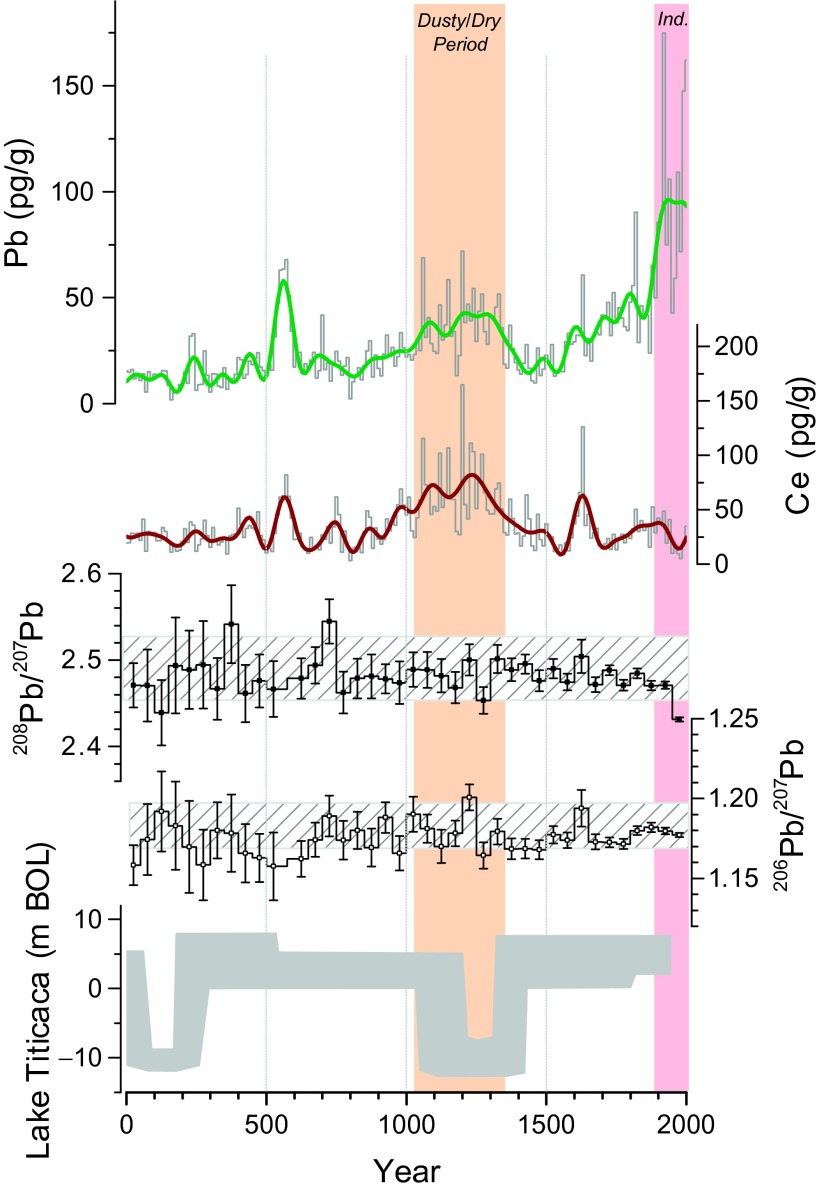
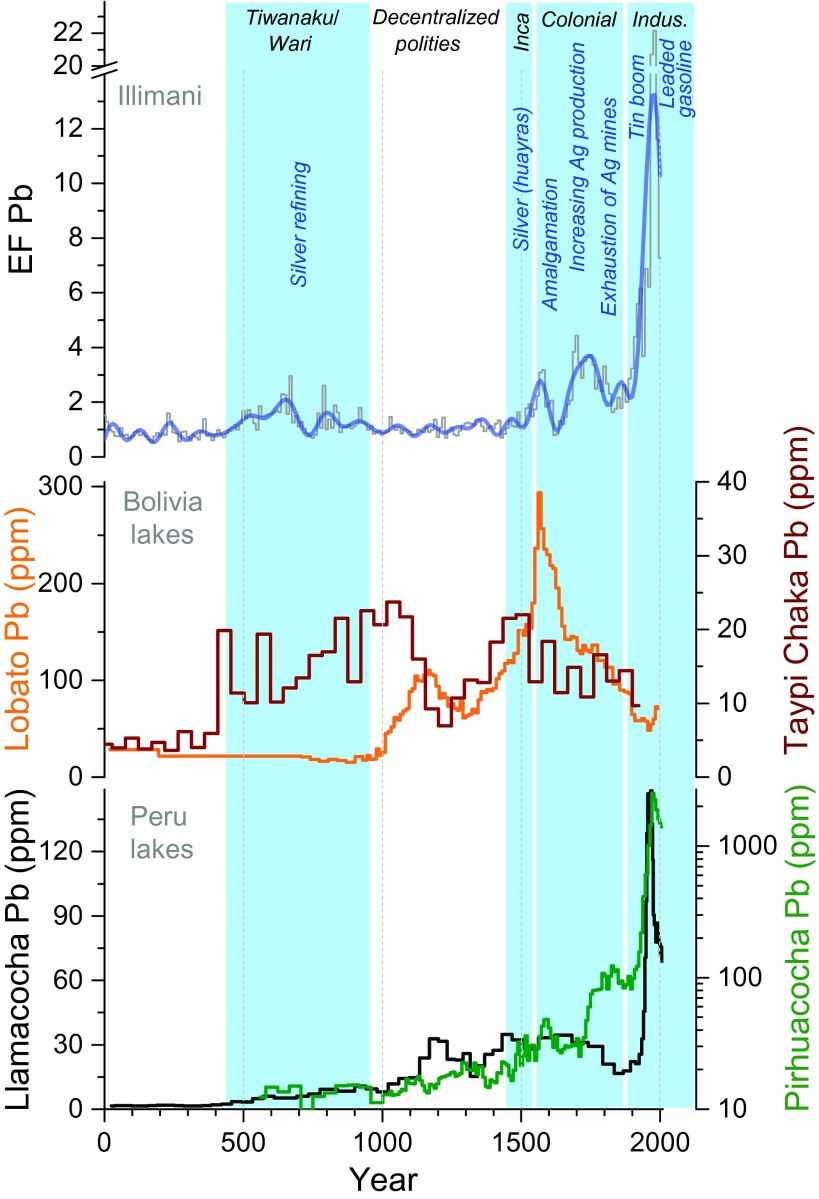
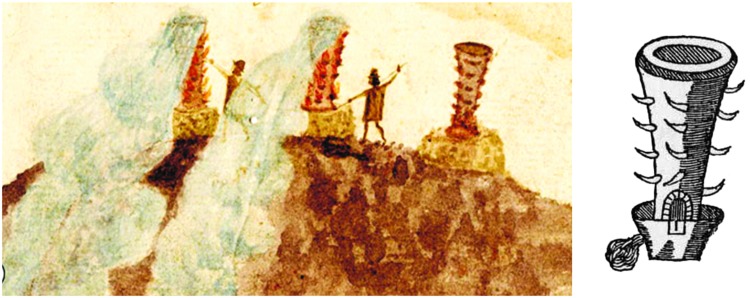
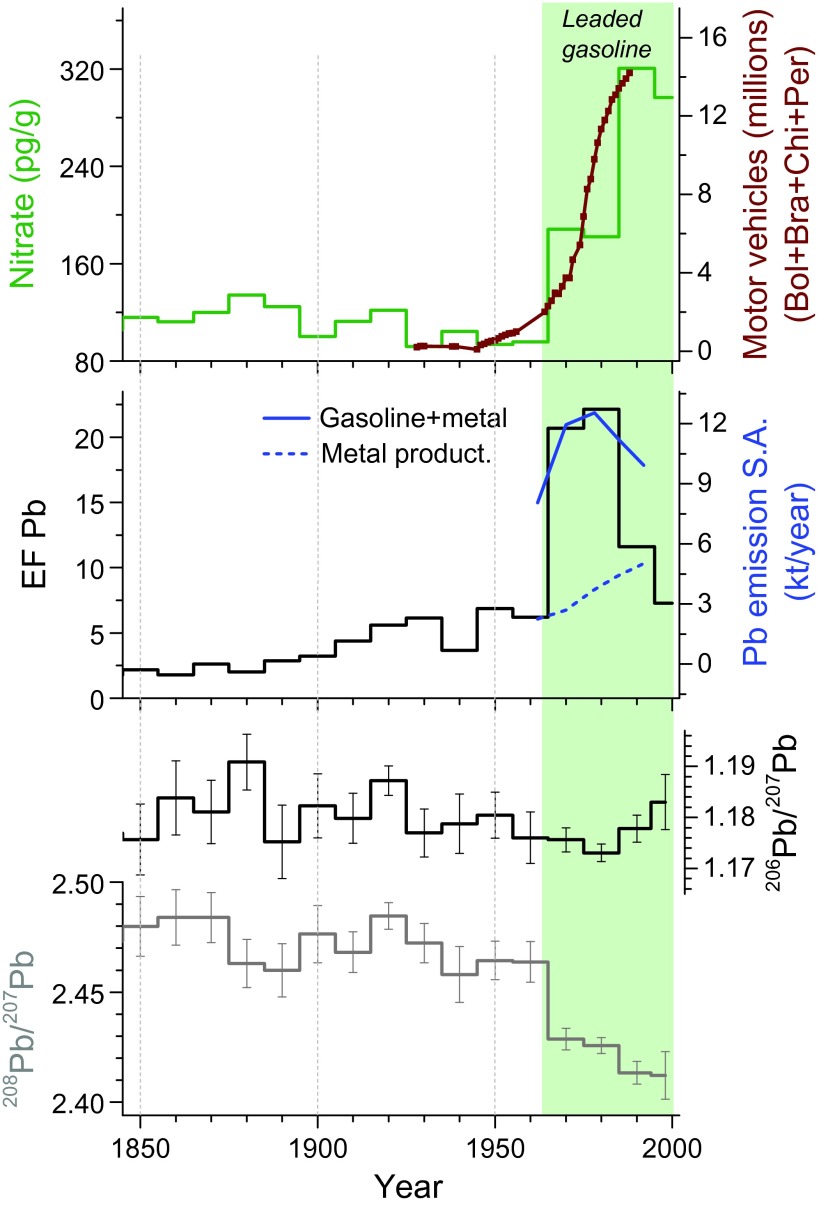
Exploitation of the extensive polymetallic deposits of the Andean Altiplano in South America since precolonial times has caused substantial emissions of neurotoxic lead (Pb) into the atmosphere; however, its historical significance compared to recent Pb pollution from leaded gasoline is not yet resolved. We present a comprehensive Pb emission history for the last two millennia for South America, based on a continuous, high-resolution, ice core record from Illimani glacier. Illimani is the highest mountain of the eastern Bolivian Andes and is located at the northeastern margin of the Andean Altiplano. The ice core Pb deposition history revealed enhanced Pb enrichment factors (EFs) due to metallurgical processing for silver production during periods of the Tiwanaku/Wari culture (AD 450-950), the Inca empires (AD 1450-1532), colonial times (AD 1532-1900), and tin production at the beginning of the 20th century. After the 1960s, Pb EFs increased by a factor of 3 compared to the emission level from metal production, which we attribute to gasoline-related Pb emissions. Our results show that anthropogenic Pb pollution levels from road traffic in South America exceed those of any historical metallurgy in the last two millennia, even in regions with exceptional high local metallurgical activity.
自前殖民时代以来,对南美洲安第斯高原广泛的多金属矿床进行开采,已导致大量具有神经毒性的铅(Pb)排放到大气中;然而,与近期含铅汽油造成的铅污染相比,其历史意义尚未得到解决。我们基于伊利马尼冰川连续的高分辨率冰芯记录,呈现了南美洲过去两千年的全面铅排放历史。伊利马尼山是玻利维亚安第斯山脉东部的最高峰,位于安第斯高原的东北边缘。冰芯铅沉积历史显示,在蒂瓦纳库/瓦里文化时期(公元450 - 950年)、印加帝国时期(公元1450 - 1532年)、殖民时期(公元1532 - 1900年)以及20世纪初锡生产期间,由于银生产的冶金加工,铅富集因子(EFs)有所增强。20世纪60年代后,铅富集因子相比金属生产的排放水平增加了3倍,我们将此归因于与汽油相关的铅排放。我们的结果表明,南美洲道路交通产生的人为铅污染水平超过了过去两千年中任何历史冶金活动产生的污染水平,即使在当地冶金活动异常活跃的地区也是如此。