Singh Ajit P, Pandey Bipin K, Deveshwar Priyanka, Narnoliya Laxmi, Parida Swarup K, Giri Jitender
National Institute of Plant Genome Research, Jawaharlal Nehru University New Delhi, India.
National Institute of Plant Genome Research, Jawaharlal Nehru University New Delhi, India ; Department of Botany, Sri Aurobindo College, University of Delhi New Delhi, India.
Front Plant Sci. 2015 Nov 10;6:975. doi: 10.3389/fpls.2015.00975. eCollection 2015.
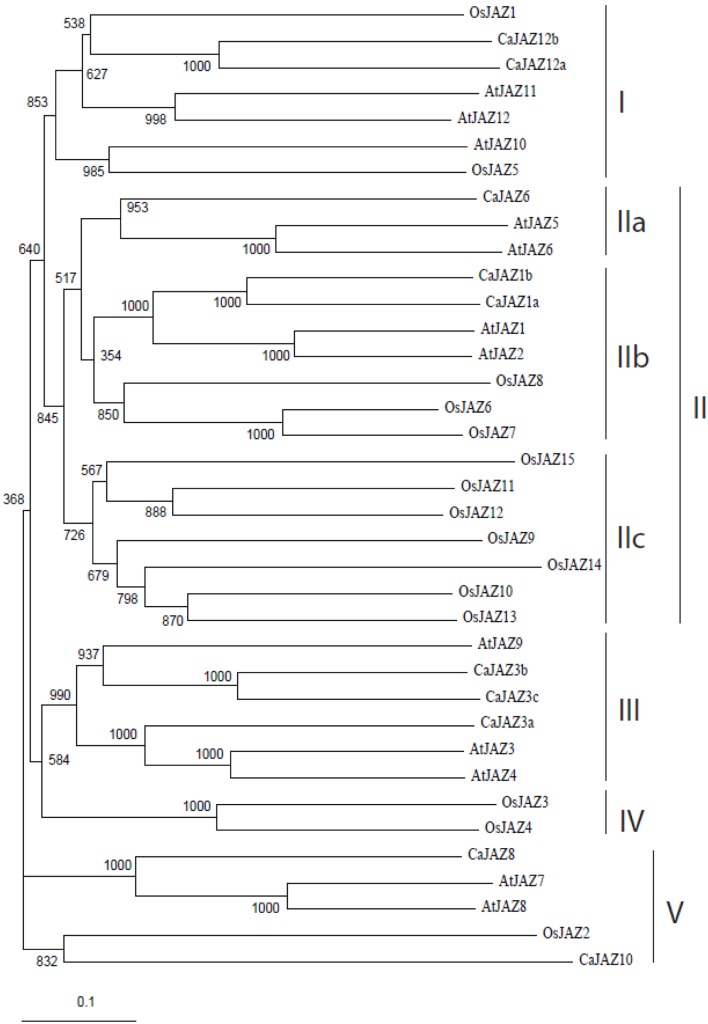
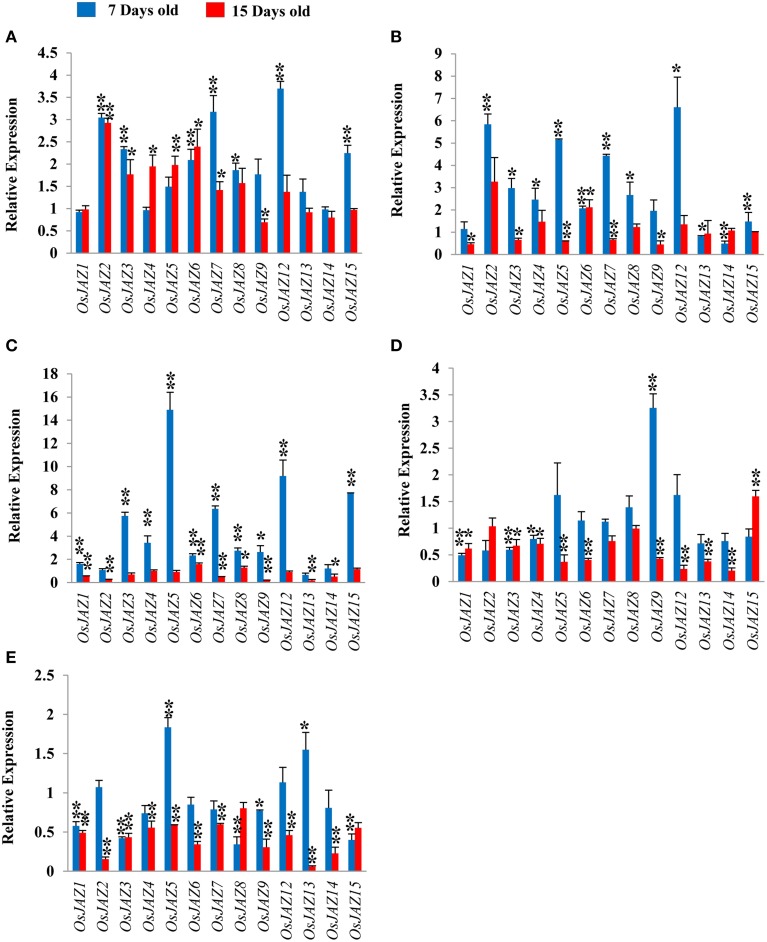
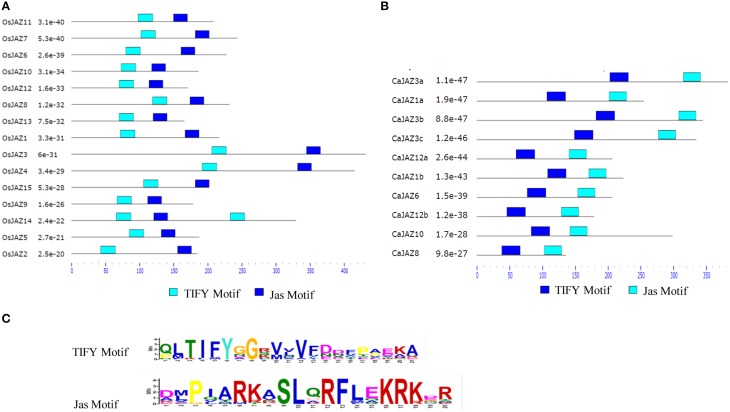
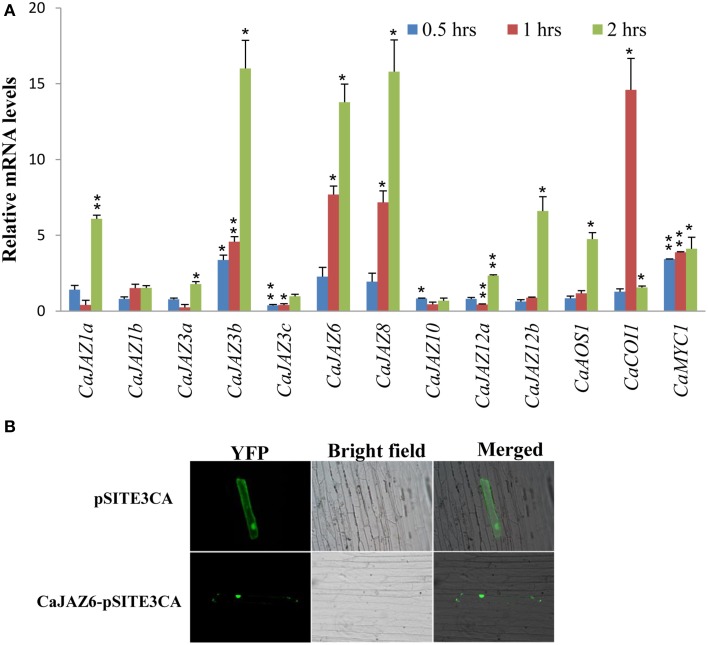
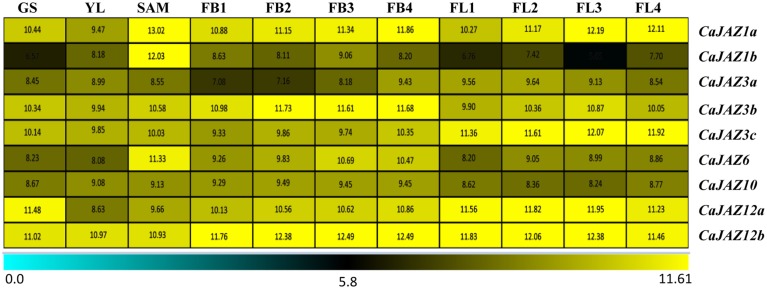
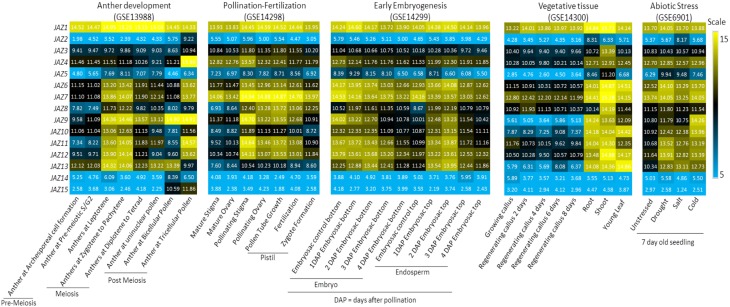
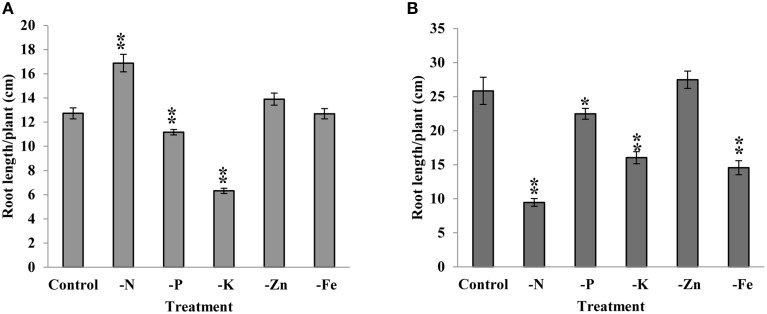
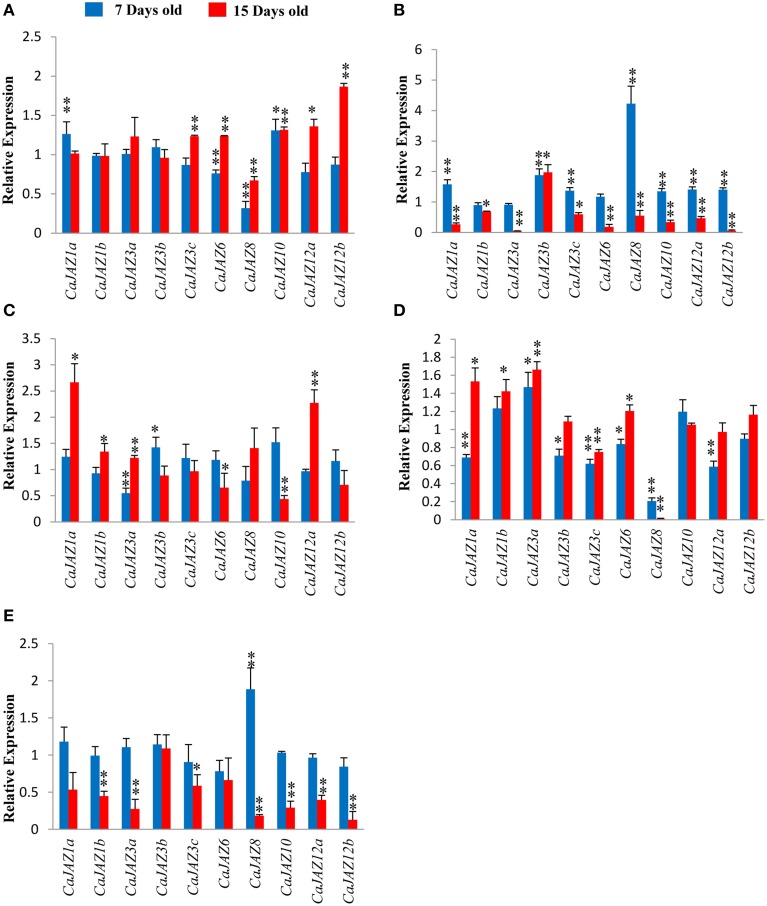
Jasmonates (JA) are well-known phytohormones which play important roles in plant development and defense against pathogens. Jasmonate ZIM domain (JAZ) proteins are plant-specific proteins and act as transcriptional repressors of JA-responsive genes. JA regulates both biotic and abiotic stress responses in plants; however, its role in nutrient deficiency responses is very elusive. Although, JA is well-known for root growth inhibition, little is known about behavior of JAZ genes in response to nutrient deficiencies, under which root architectural alteration is an important adaptation. Using protein sequence homology and a conserved-domains approach, here we identify 10 novel JAZ genes from the recently sequenced Chickpea genome, which is one of the most nutrient efficient crops. Both rice and chickpea JAZ genes express in tissue- and stimuli-specific manners. Many of which are preferentially expressed in root. Our analysis further showed differential expression of JAZ genes under macro (NPK) and micronutrients (Zn, Fe) deficiency in rice and chickpea roots. While both rice and chickpea JAZ genes showed a certain level of specificity toward type of nutrient deficiency, generally majority of them showed induction under K deficiency. Generally, JAZ genes showed an induction at early stages of stress and expression declined at later stages of macro-nutrient deficiency. Our results suggest that JAZ genes might play a role in early nutrient deficiency response both in monocot and dicot roots, and information generated here can be further used for understanding the possible roles of JA in root architectural alterations for nutrient deficiency adaptations.
茉莉酸(JA)是著名的植物激素,在植物发育和抵御病原体方面发挥着重要作用。茉莉酸ZIM结构域(JAZ)蛋白是植物特有的蛋白,作为JA应答基因的转录抑制因子发挥作用。JA调节植物中的生物和非生物胁迫反应;然而,其在营养缺乏反应中的作用却非常难以捉摸。尽管JA以抑制根生长而闻名,但对于JAZ基因在营养缺乏(在此情况下根系结构改变是一种重要的适应性反应)时的行为却知之甚少。利用蛋白质序列同源性和保守结构域方法,我们在此从最近测序的鹰嘴豆基因组中鉴定出10个新的JAZ基因,鹰嘴豆是营养利用效率最高的作物之一。水稻和鹰嘴豆的JAZ基因均以组织和刺激特异性方式表达。其中许多基因在根中优先表达。我们的分析进一步表明,水稻和鹰嘴豆根在大量元素(氮磷钾)和微量元素(锌、铁)缺乏时JAZ基因的表达存在差异。虽然水稻和鹰嘴豆的JAZ基因对营养缺乏类型都表现出一定程度的特异性,但总体上它们中的大多数在钾缺乏时表现出诱导。一般来说,JAZ基因在胁迫早期表现出诱导,在大量元素缺乏后期表达下降。我们的结果表明,JAZ基因可能在单子叶植物和双子叶植物根对早期营养缺乏的反应中发挥作用,此处产生的信息可进一步用于理解JA在根系结构改变以适应营养缺乏方面的可能作用。