Takakura Hiromasa, Nishijo Hisao, Ishikawa Akihiro, Shojaku Hideo
Department of Otorhinolaryngology, Head and Neck Surgery, Graduate School of Medicine and Pharmaceutical Sciences, University of Toyama , Toyama , Japan.
System Emotional Science, Graduate School of Medicine and Pharmaceutical Sciences, University of Toyama , Toyama , Japan.
Front Hum Neurosci. 2015 Nov 17;9:620. doi: 10.3389/fnhum.2015.00620. eCollection 2015.
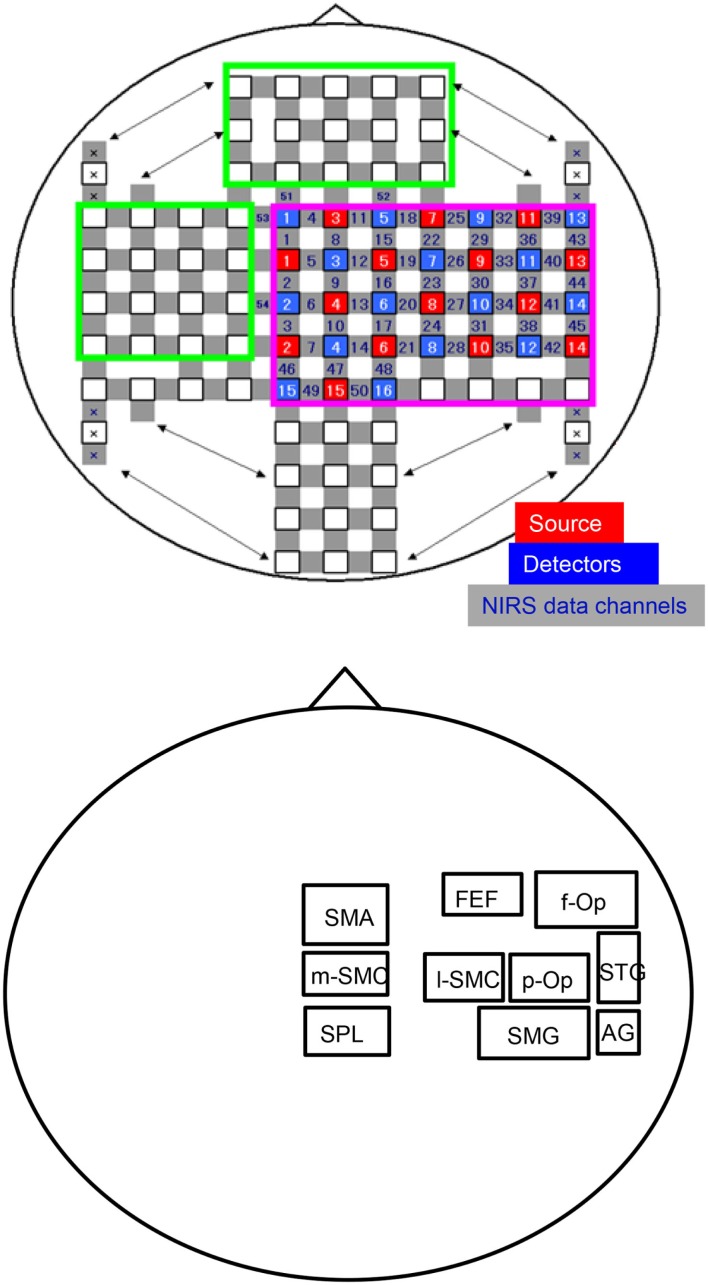
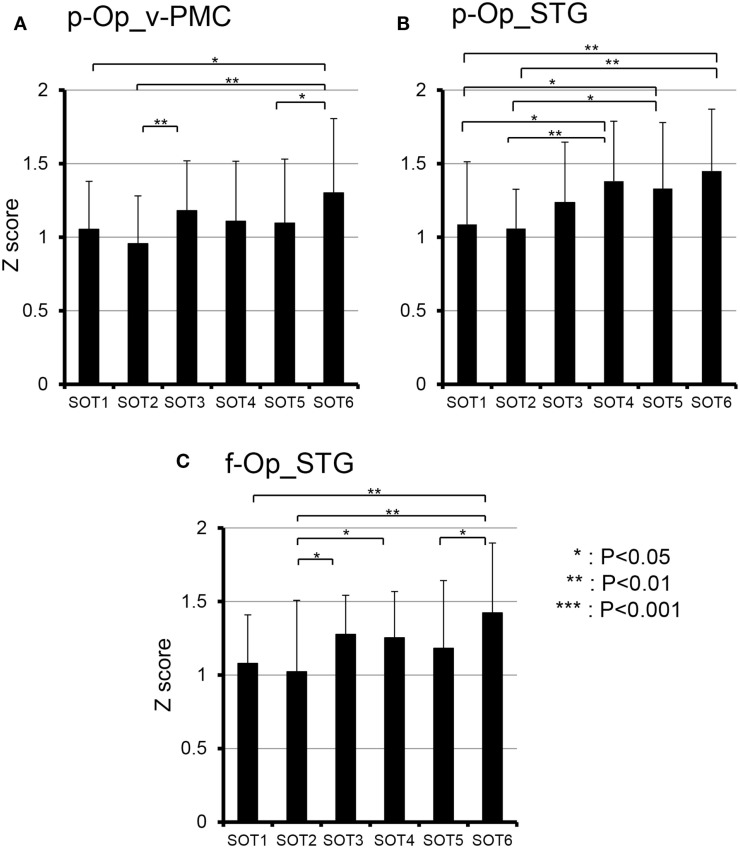
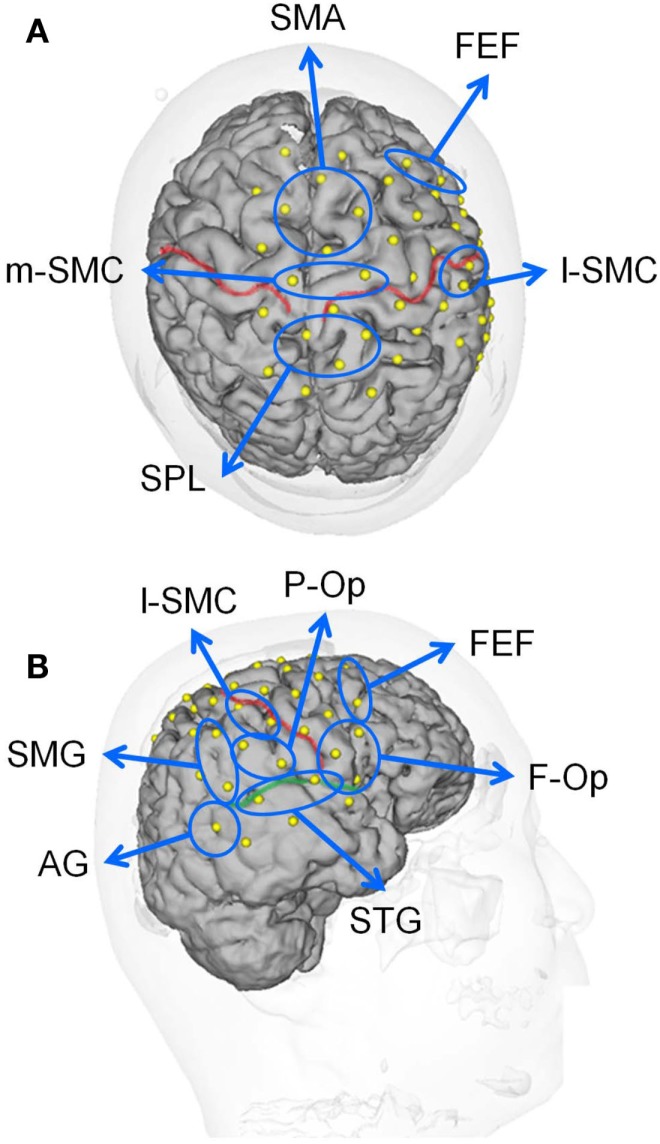
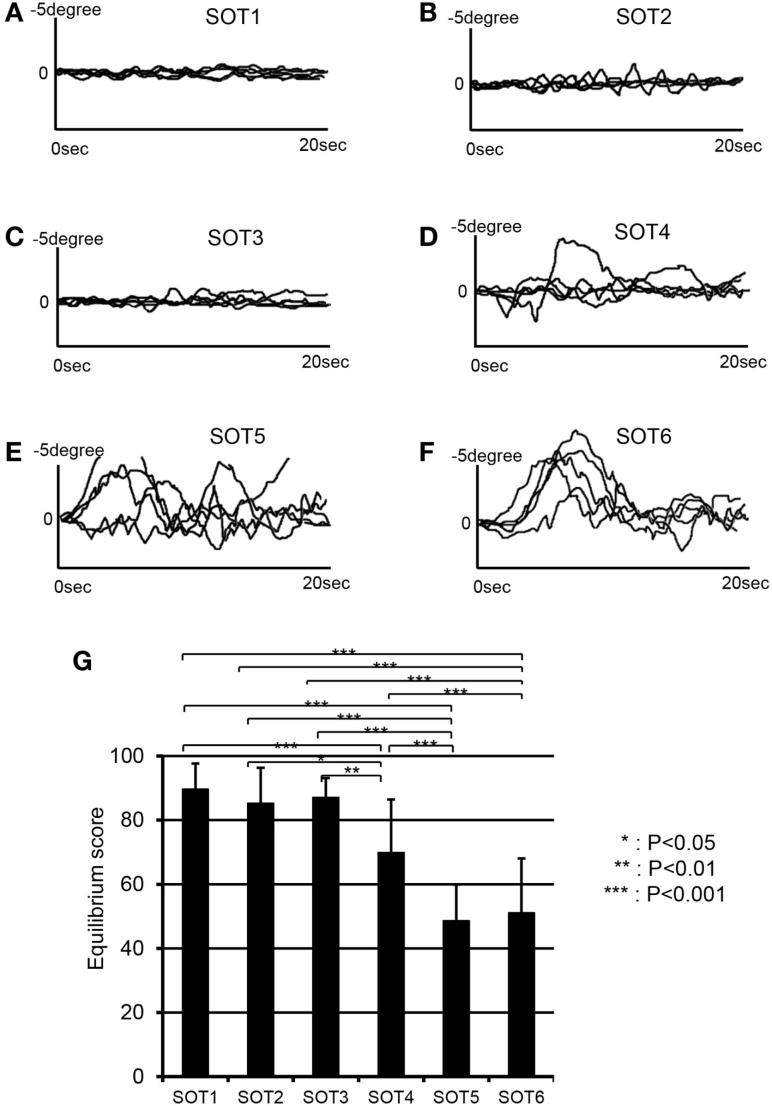
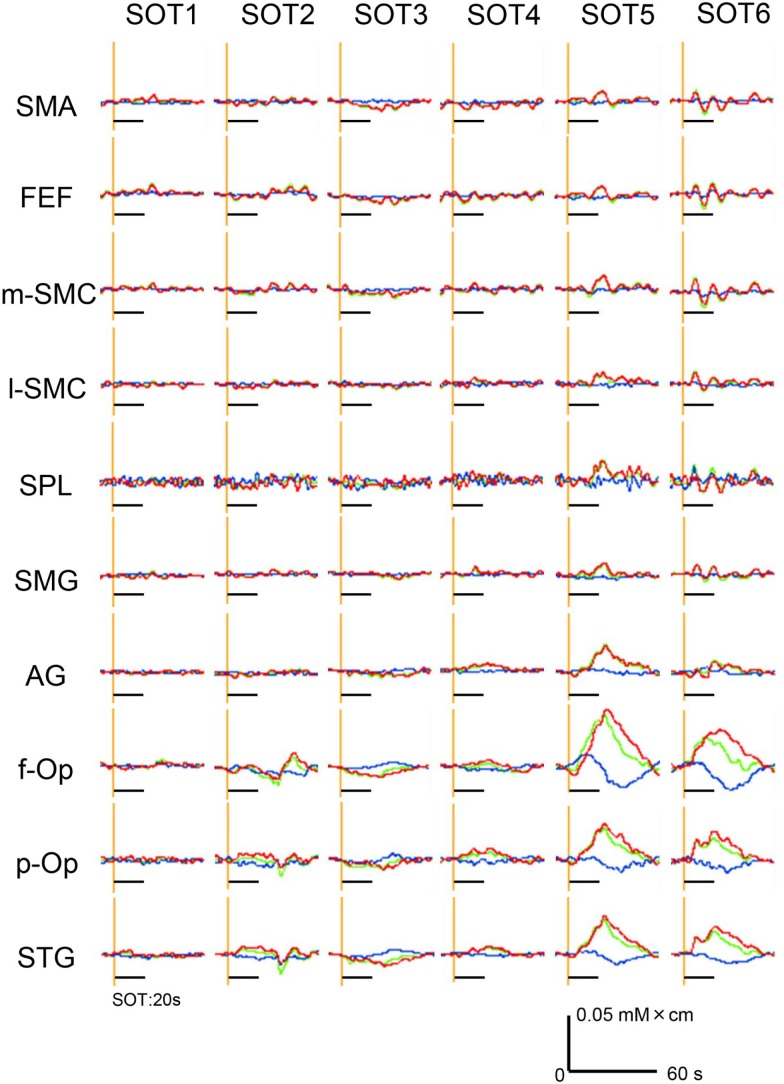
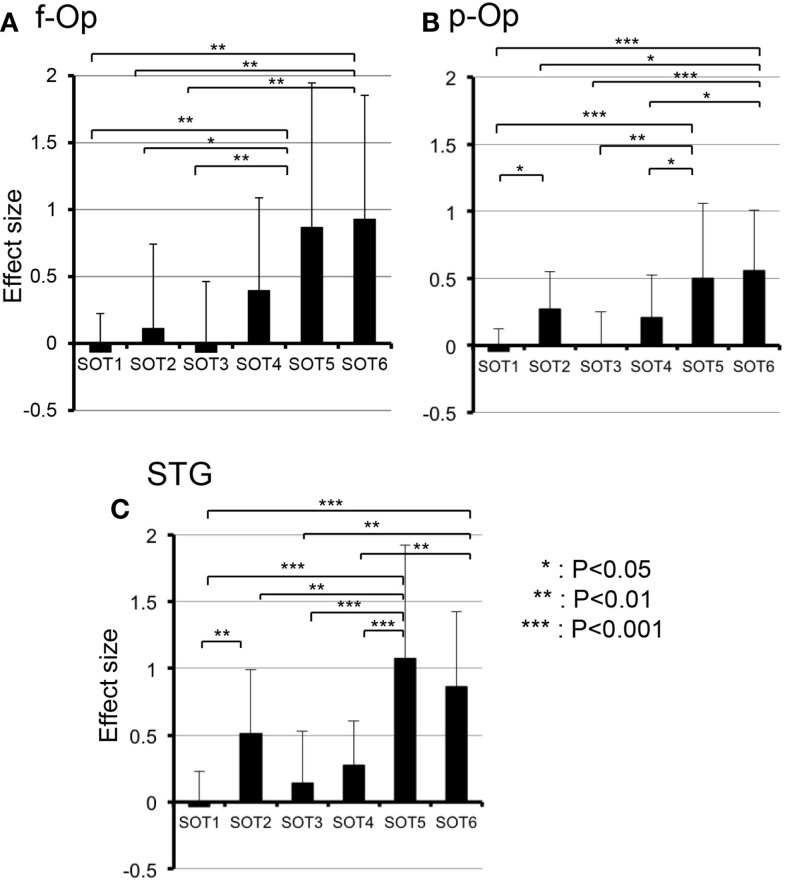
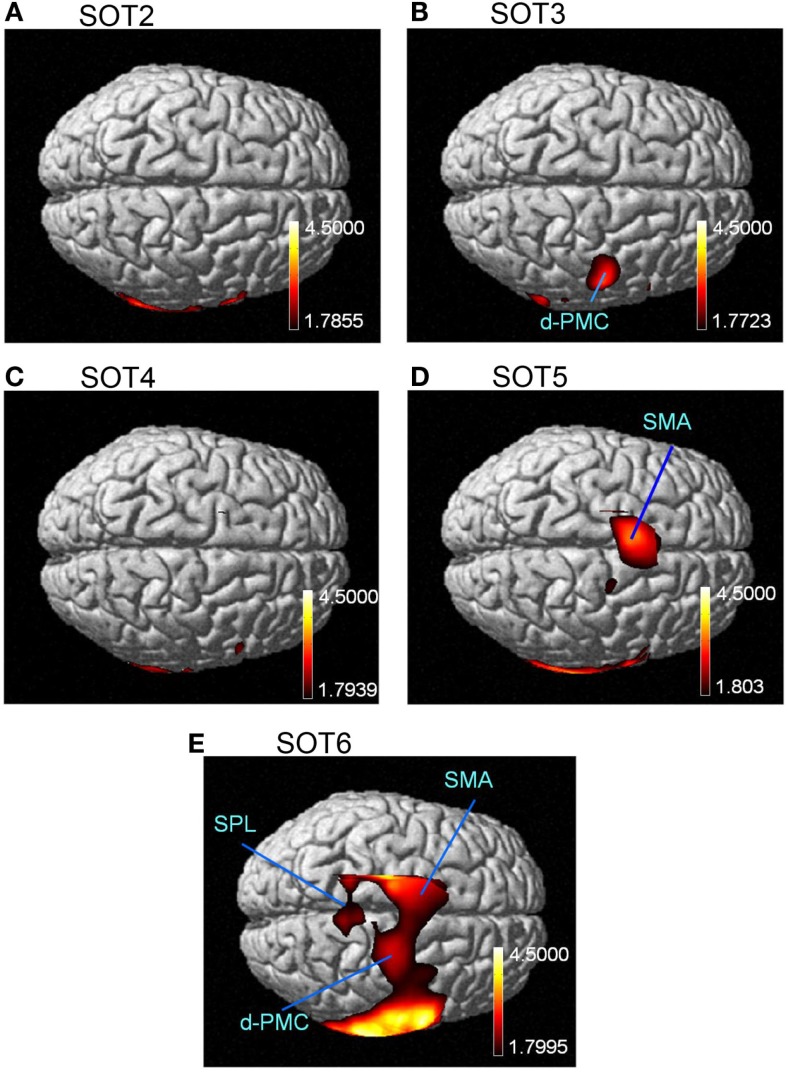
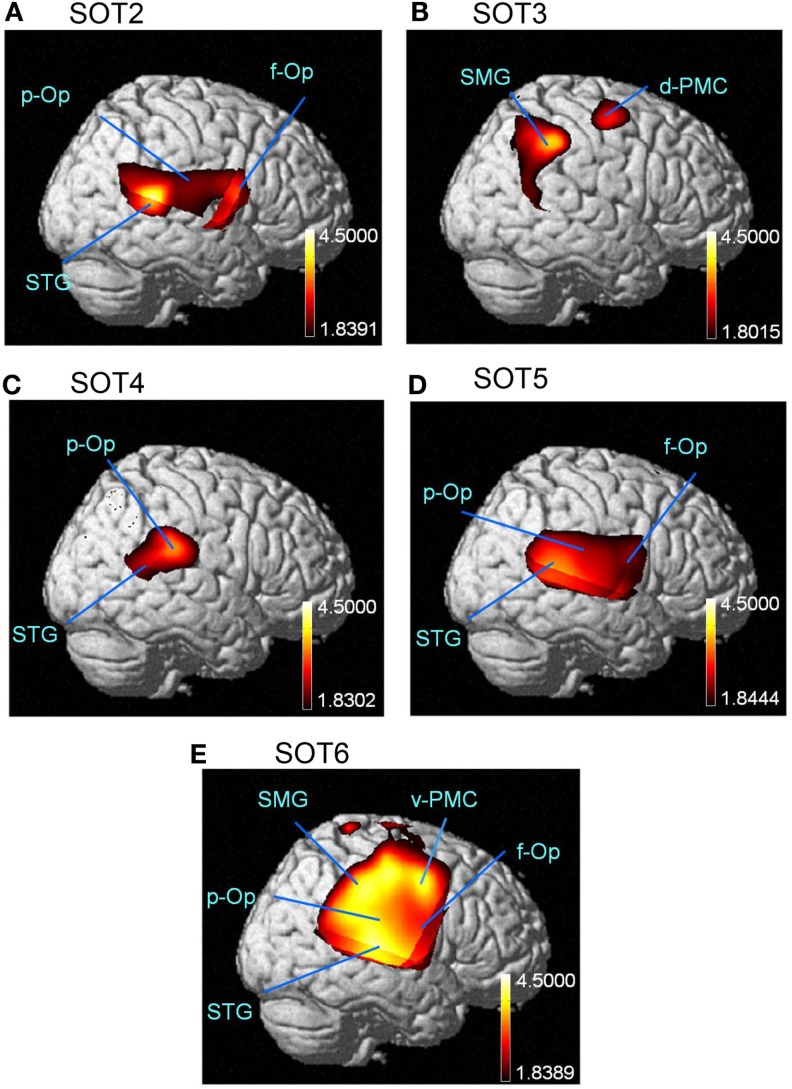
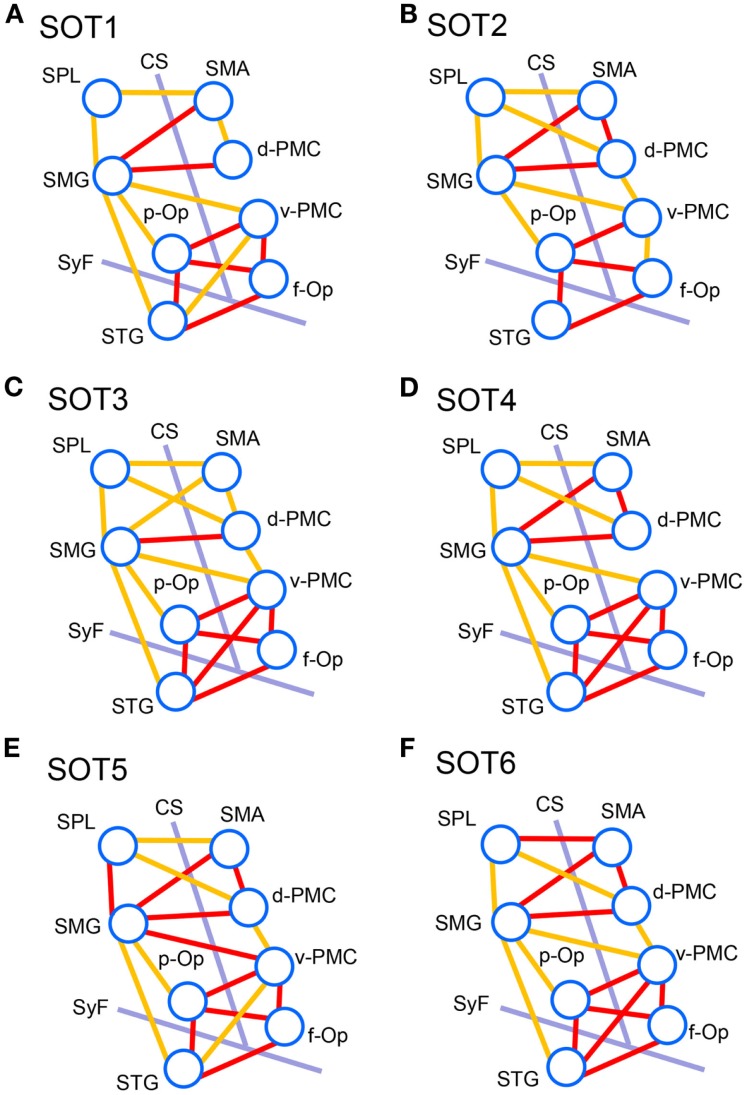
To investigate cortical roles in standing balance, cortical hemodynamic activity was recorded from the right hemisphere using near-infrared spectroscopy (NIRS) while subjects underwent the sensory organization test (SOT) protocol that systematically disrupts sensory integration processes (i.e., somatosensory or visual inputs or both). Eleven healthy men underwent the SOT during NIRS recording. Group statistical analyses were performed based on changes in oxygenated hemoglobin concentration in 10 different cortical regions of interest and on a general linear analysis with NIRS statistical parametric mapping. The statistical analyses indicated significant activation in the right frontal operculum (f-Op), right parietal operculum (p-Op), and right superior temporal gyrus (STG), right posterior parietal cortex (PPC), right dorsal and ventral premotor cortex (PMC), and the supplementary motor area (SMA) under various conditions. The activation patterns in response to specific combinations of SOT conditions suggested that (1) f-Op, p-Op, and STG are essential for sensory integration when standing balance is perturbed; (2) the SMA is involved in the execution of volitional action and establishment of new motor programs to maintain postural balance; and (3) the PPC and PMC are involved in the updating and computation of spatial reference frames during instances of sensory conflict between vestibular and visual information.
为了研究大脑皮层在站立平衡中的作用,在受试者进行系统干扰感觉整合过程(即体感或视觉输入或两者皆有)的感觉组织测试(SOT)方案时,使用近红外光谱(NIRS)记录右半球的皮层血流动力学活动。11名健康男性在NIRS记录期间接受了SOT。基于10个不同皮层感兴趣区域的氧合血红蛋白浓度变化以及使用NIRS统计参数映射的一般线性分析进行了组统计分析。统计分析表明,在各种条件下,右侧额下回(f-Op)、右侧顶下回(p-Op)、右侧颞上回(STG)、右侧顶叶后皮质(PPC)、右侧背侧和腹侧运动前皮质(PMC)以及辅助运动区(SMA)有显著激活。对SOT条件特定组合的激活模式表明:(1)当站立平衡受到干扰时,f-Op、p-Op和STG对感觉整合至关重要;(2)SMA参与意志行动的执行和建立新的运动程序以维持姿势平衡;(3)在前庭和视觉信息之间存在感觉冲突的情况下,PPC和PMC参与空间参考框架的更新和计算。