Lowe Rohan G T, McCorkelle Owen, Bleackley Mark, Collins Christine, Faou Pierre, Mathivanan Suresh, Anderson Marilyn
Department of Biochemistry and Genetics, La Trobe Institute for Molecular Science, La Trobe University Melbourne, VIC, Australia.
Front Plant Sci. 2015 Nov 6;6:962. doi: 10.3389/fpls.2015.00962. eCollection 2015.
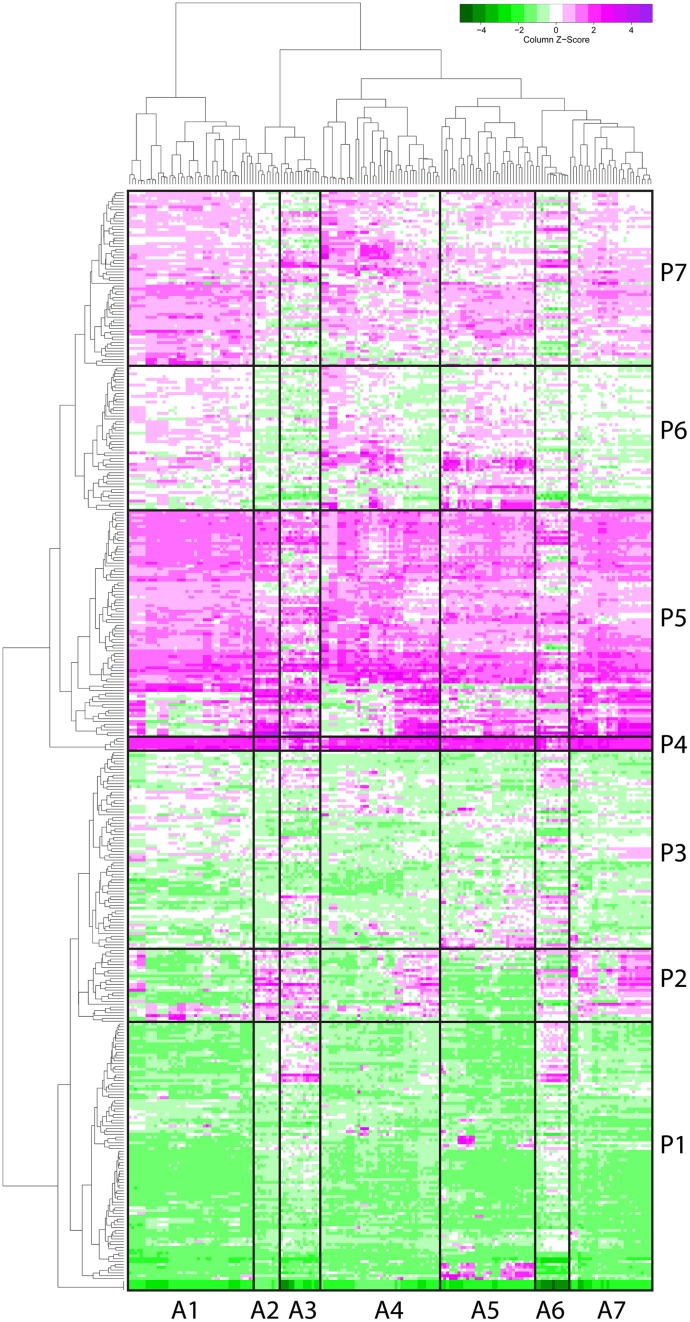
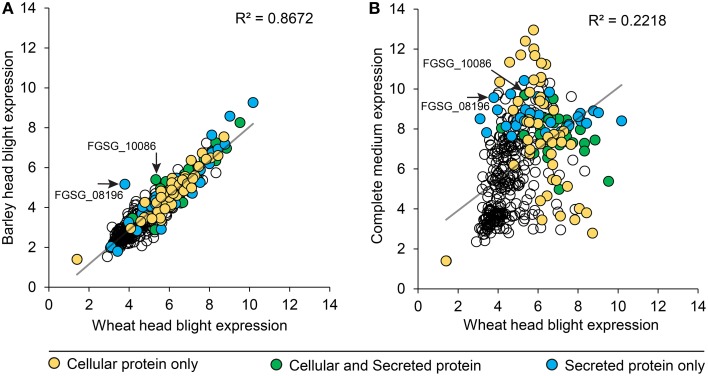
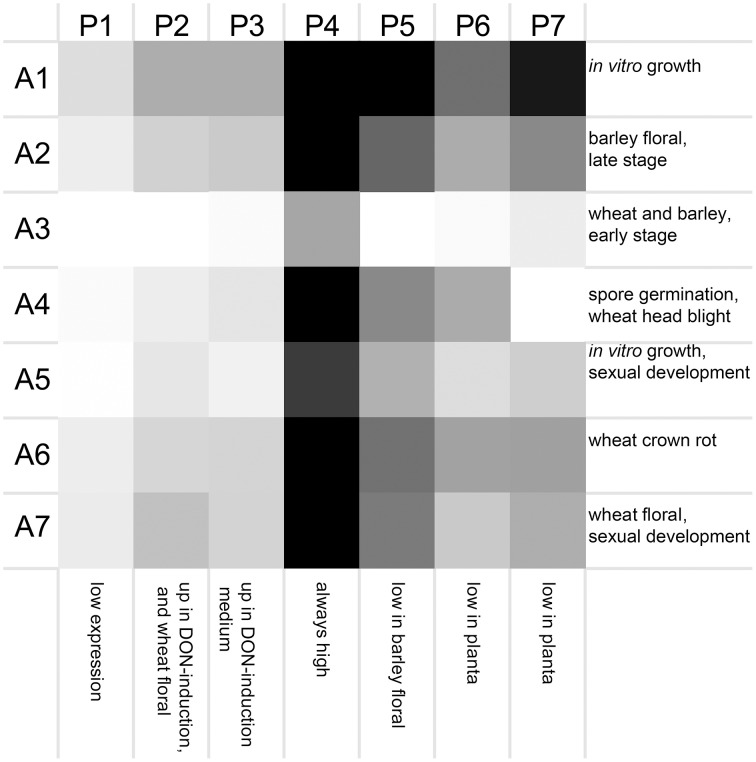
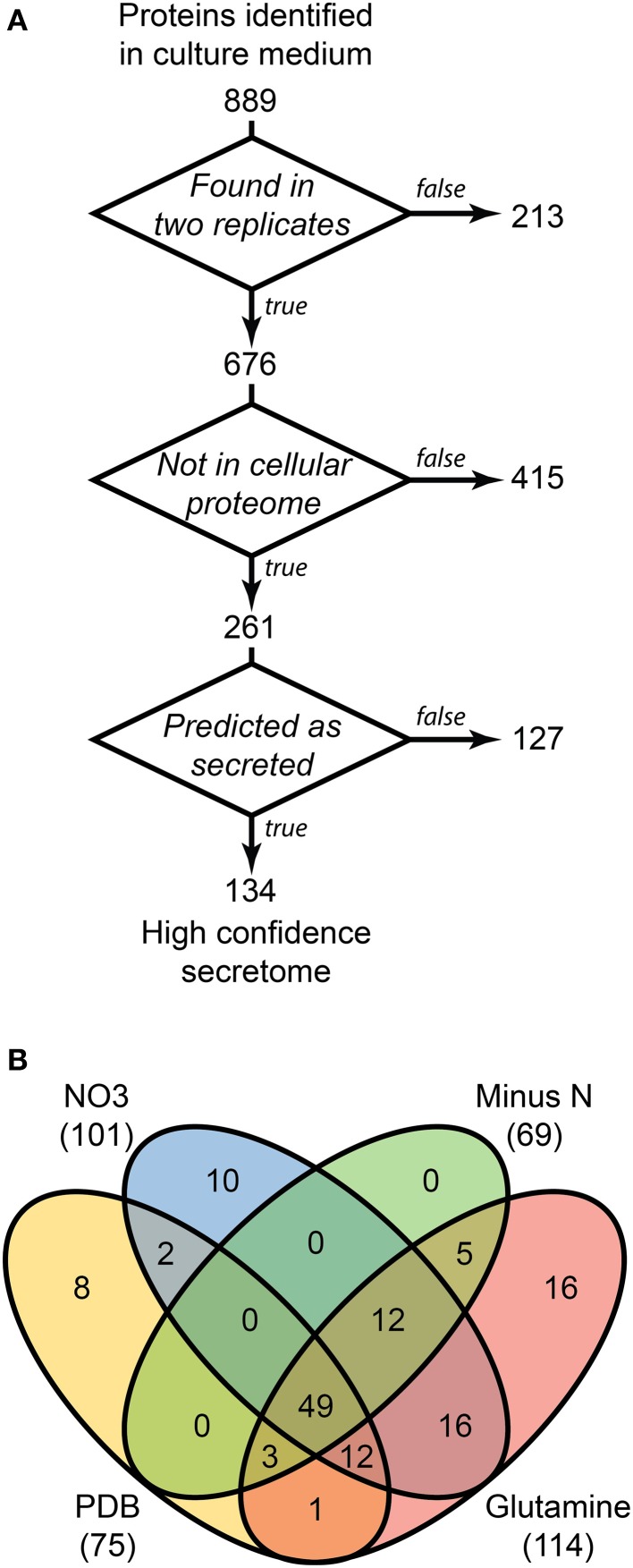
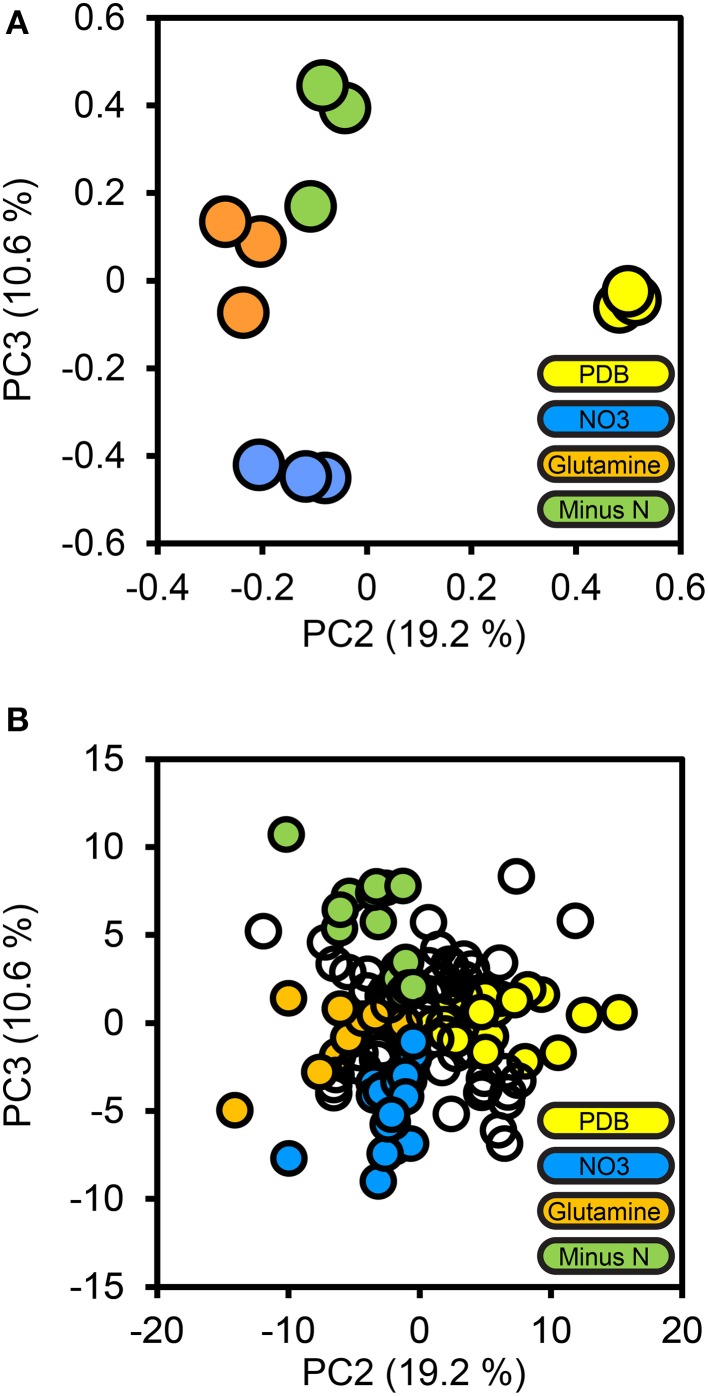
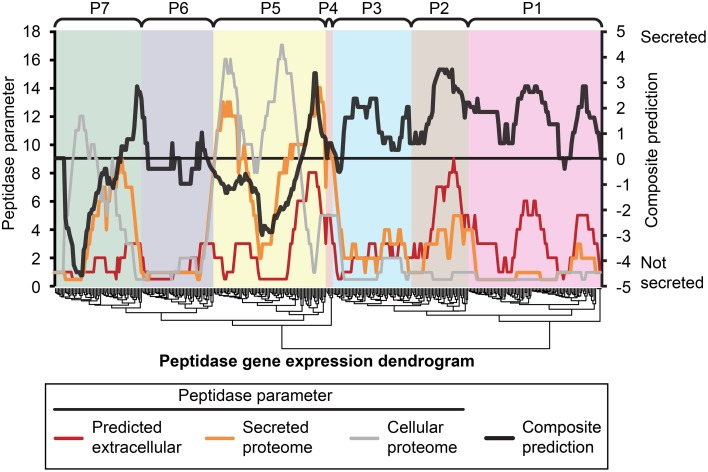
The plant pathogenic fungus Fusarium graminearum (Fgr) creates economic and health risks in cereals agriculture. Fgr causes head blight (or scab) of wheat and stalk rot of corn, reducing yield, degrading grain quality, and polluting downstream food products with mycotoxins. Fungal plant pathogens must secrete proteases to access nutrition and to breakdown the structural protein component of the plant cell wall. Research into the proteolytic activity of Fgr is hindered by the complex nature of the suite of proteases secreted. We used a systems biology approach comprising genome analysis, transcriptomics and label-free quantitative proteomics to characterize the peptidases deployed by Fgr during growth. A combined analysis of published microarray transcriptome datasets revealed seven transcriptional groupings of peptidases based on in vitro growth, in planta growth, and sporulation behaviors. A high resolution mass spectrometry-based proteomics analysis defined the extracellular proteases secreted by F. graminearum. A meta-classification based on sequence characters and transcriptional/translational activity in planta and in vitro provides a platform to develop control strategies that target Fgr peptidases.
植物病原真菌禾谷镰刀菌(Fusarium graminearum,Fgr)给谷物农业带来经济和健康风险。Fgr会导致小麦赤霉病(或黑穗病)以及玉米茎腐病,从而降低产量、降低谷物品质,并使下游食品被霉菌毒素污染。真菌植物病原体必须分泌蛋白酶来获取营养并分解植物细胞壁的结构蛋白成分。由于所分泌的蛋白酶种类复杂,对Fgr蛋白水解活性的研究受到阻碍。我们采用了一种系统生物学方法,包括基因组分析、转录组学和无标记定量蛋白质组学,来表征Fgr在生长过程中所使用的肽酶。对已发表的微阵列转录组数据集进行的综合分析揭示了基于体外生长、植物体内生长和孢子形成行为的肽酶的七个转录分组。基于高分辨率质谱的蛋白质组学分析确定了禾谷镰刀菌分泌的细胞外蛋白酶。基于序列特征以及植物体内和体外的转录/翻译活性进行的元分类提供了一个平台,以开发针对Fgr肽酶的控制策略。